is eva foam safe

Unraveling the Safety of Eva Foam: A Comprehensive Guide for Concerned Consumers
Introduction:
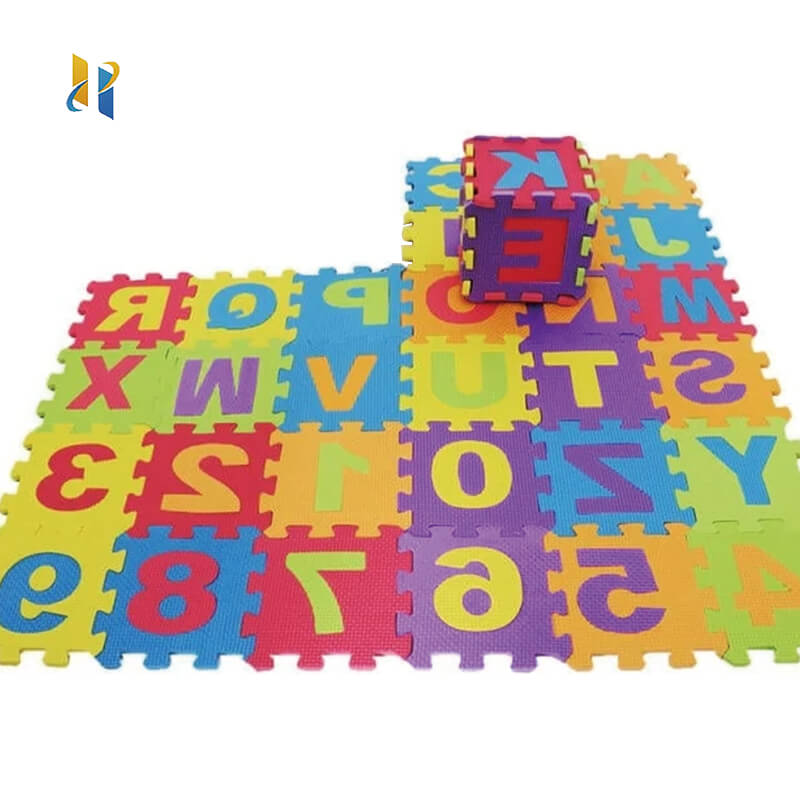
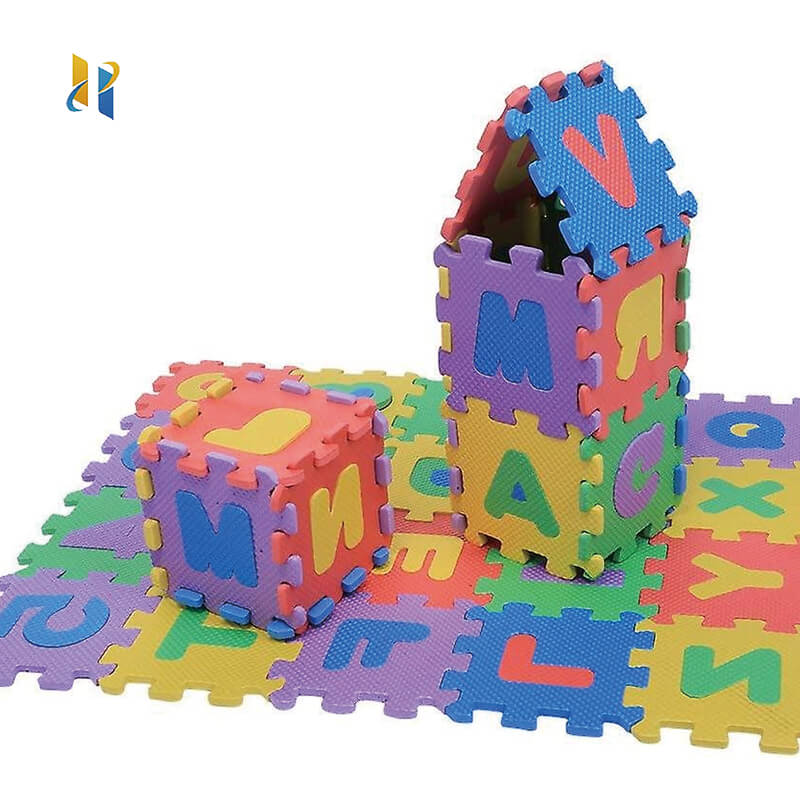
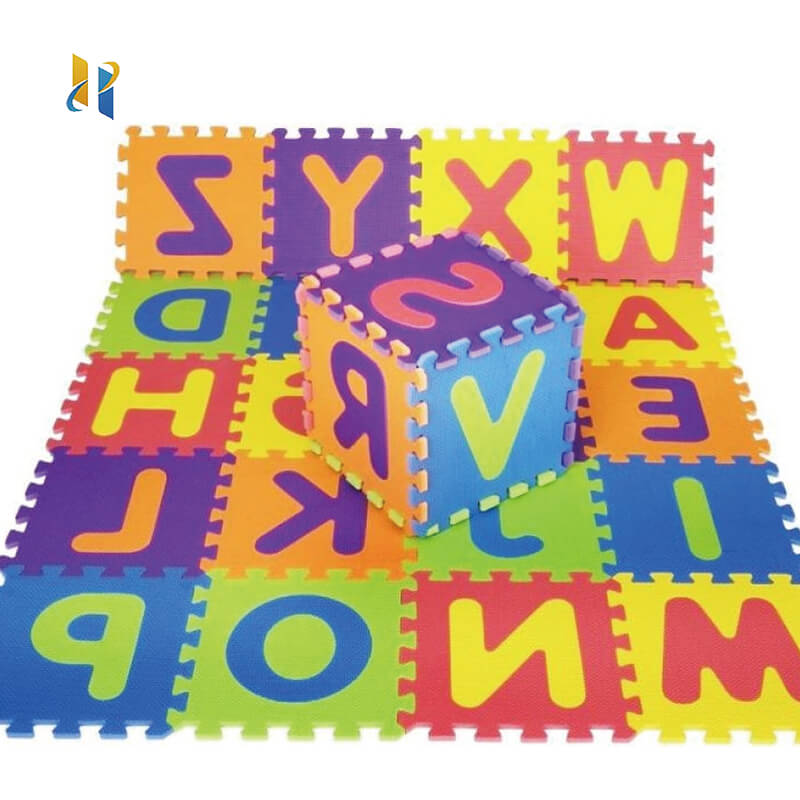
In the vast landscape of materials used in everyday products, Eva Foam stands out as a versatile and lightweight option, commonly found in everything from children's play mats and sports equipment to insulation and packaging. However, with the rise of eco-consciousness and health awareness, the question "Is Eva Foam Safe?" has become increasingly pertinent among consumers. To address this concern, let's delve into the safety aspects of Eva Foam, exploring its composition, usage, and environmental impact.
Composition: Understanding the Basics
Eva Foam, short for Ethylene-Vinyl Acetate copolymer foam, is a synthetic material known for its flexibility, durability, and water resistance. It's composed of ethylene and vinyl acetate monomers, which are bonded together through a chemical process to create a lightweight yet sturdy foam. Eva Foam's safety largely depends on how it's manufactured and the additives used during the production process.
Safety Standards & Regulations
Globally, Eva Foam is subject to stringent safety standards and regulations to ensure it's safe for human use. For instance, in the toy industry, Eva Foam products must comply with safety regulations such as ASTM F963 in the US and EN 71 in Europe, which test for harmful substances like lead, phthalates, and other toxic chemicals. Additionally, many manufacturers adhere to eco-friendly practices, using non-toxic additives and recyclable materials to minimize environmental impact.
Non-Toxic & Hypoallergenic Properties
One of Eva Foam's key selling points is its non-toxic and hypoallergenic nature. When produced without harmful additives, Eva Foam is gentle on skin, making it an ideal choice for baby products and individuals with allergies. Its closed-cell structure also resists moisture absorption, reducing the risk of mold or mildew growth, which can trigger respiratory issues.
Durability & Longevity
Eva Foam's durability is another factor contributing to its safety. Its resilience against wear and tear means it can withstand heavy use, reducing the need for frequent replacements. This not only saves money but also minimizes waste, aligning with sustainable living practices.
Environmental Considerations
While Eva Foam has its advantages, it's essential to consider its end-of-life disposal. Like any synthetic material, improper disposal can lead to environmental pollution. However, Eva Foam is increasingly being produced with recyclability in mind, allowing for circular economy practices. Consumers can contribute by opting for recycled Eva Foam products and ensuring proper disposal or recycling of used items.
Conclusion:
In conclusion, the safety of Eva Foam is largely determined by its manufacturing process and the additives used. When produced under strict safety standards and without harmful chemicals, Eva Foam proves to be a safe, durable, and eco-friendly material suitable for a wide range of applications. As consumers, we should remain vigilant and seek out products certified as safe, while also supporting eco-conscious manufacturers committed to sustainable practices. By doing so, we can enjoy the benefits of Eva Foam while protecting our health and the environment.
is eva foam safe
craft eva foam sheets
Related Article