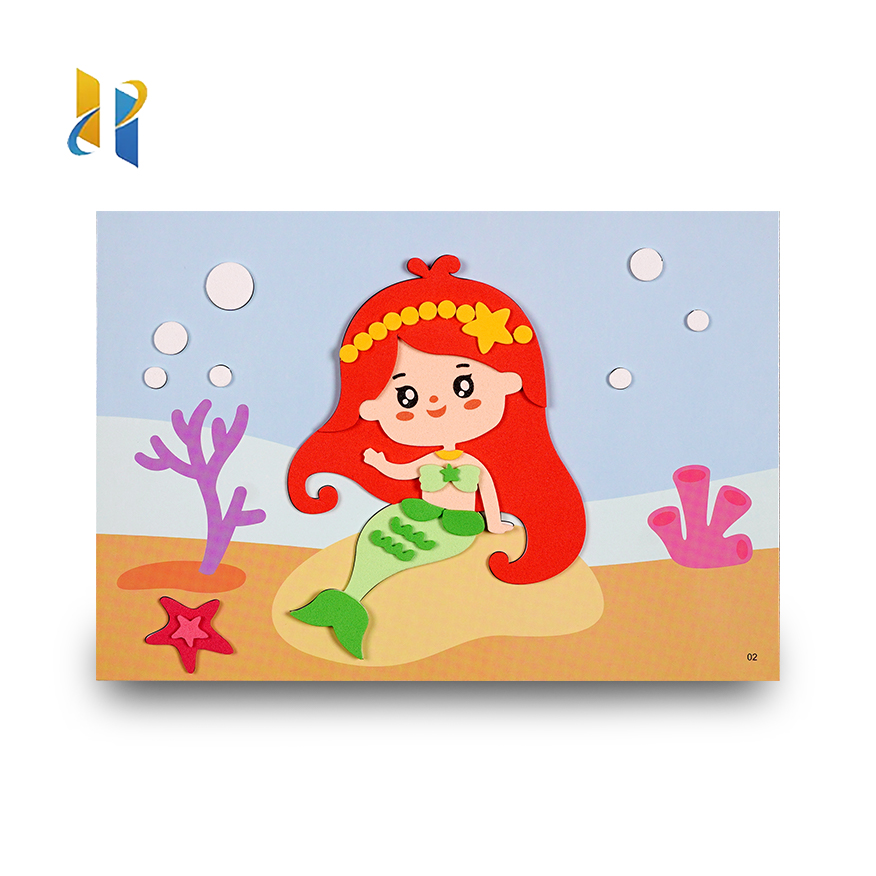
foam for cosplay
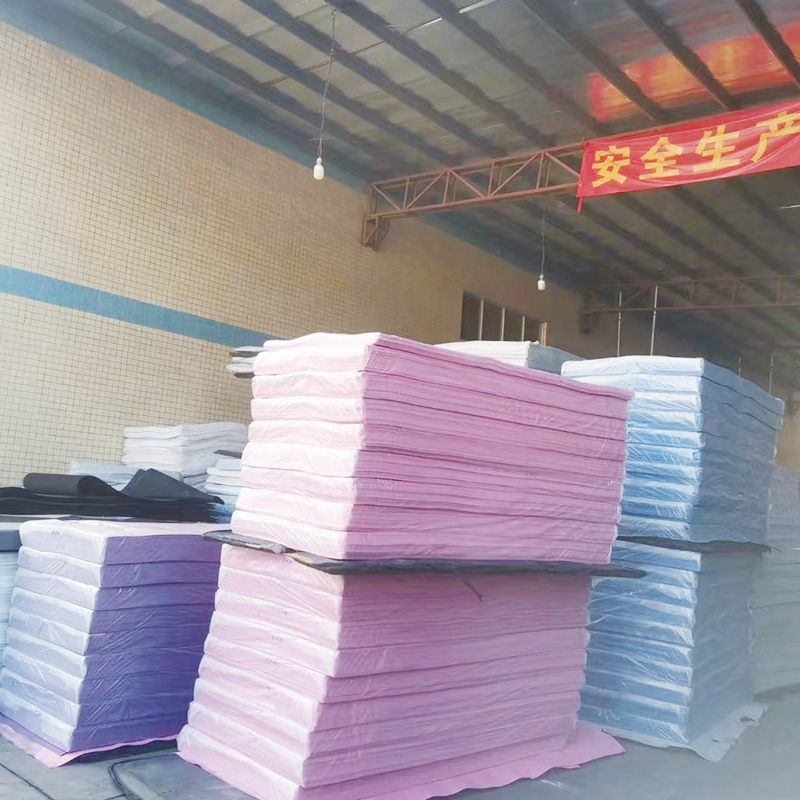
Unveiling the Magic of Foam for Cosplay: The Ultimate Guide
In the vibrant world of cosplay, every detail counts. From the intricate designs of costumes to the flawless execution of characters, cosplayers strive to bring their favorite fictional personas to life. And when it comes to the perfect material for creating those breathtaking costumes, foam often takes center stage. In this article, we'll explore the wonders of foam for cosplay and why it's a must-have in every cosplayer's arsenal.
The Versatility of Foam in Cosplay
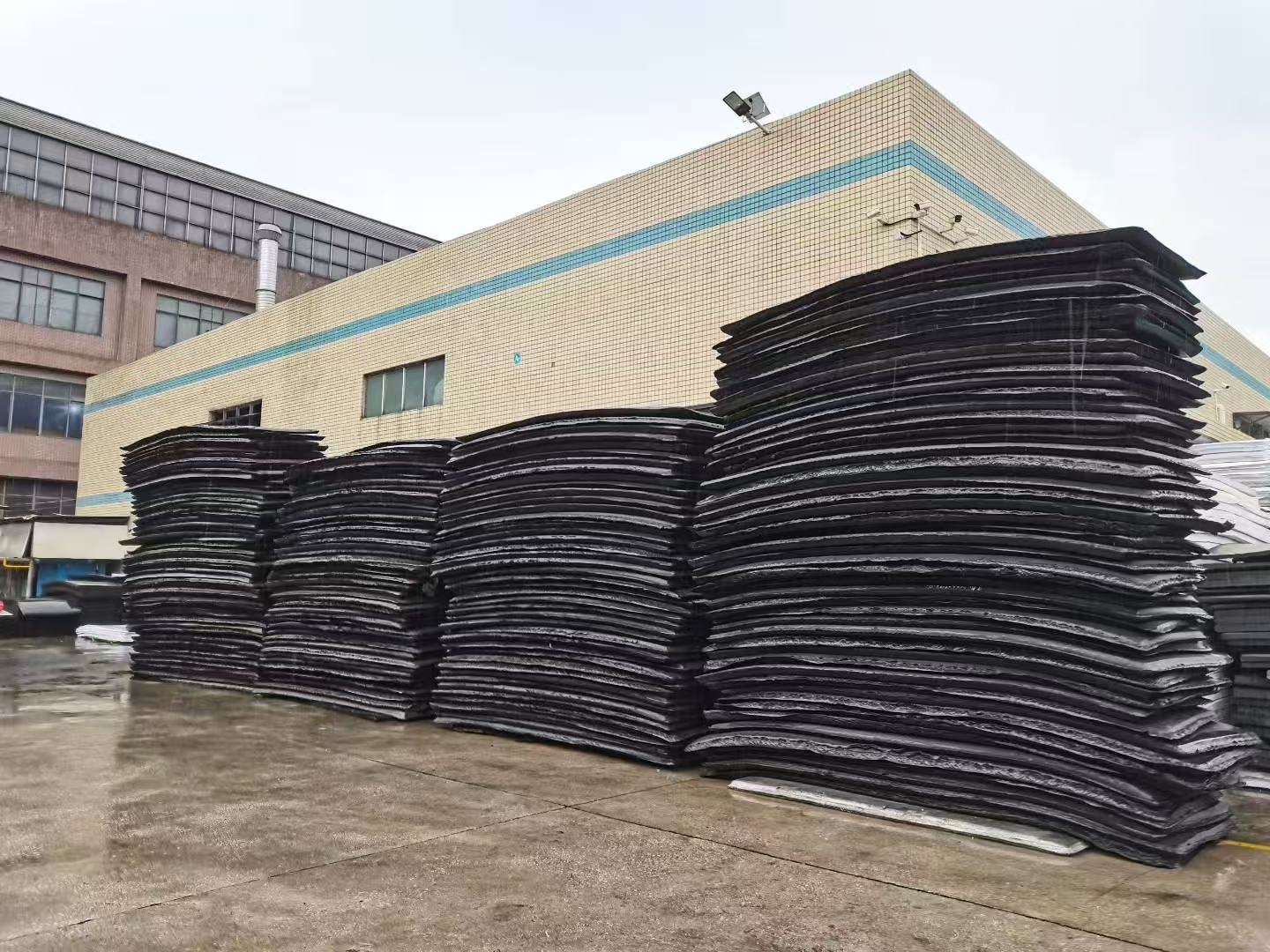
Foam, a lightweight yet sturdy material, has revolutionized the way cosplayers approach costume creation. Its unique properties allow for precise shaping, easy cutting, and durability that can withstand the rigors of long-term use. Whether you're looking to create armor pieces, helmets, props, or even entire costumes, foam offers a versatile solution that's both affordable and effective.
The benefits of foam for cosplay are numerous. Firstly, its lightweight nature means that costumes are less cumbersome to wear, allowing for greater freedom of movement. This is crucial for cosplayers who need to maneuver in tight spaces or perform elaborate poses. Secondly, foam is easy to work with, allowing even beginners to create professional-looking costumes with minimal effort. Its smooth surface also makes it easy to paint and decorate, adding that extra touch of realism to your character.
But the real magic of foam for cosplay lies in its durability. Unlike other materials, foam can withstand repeated use without losing its shape or structure. This makes it perfect for creating costumes that need to be worn multiple times or for those who want to invest in a piece that will last for years.
Choosing the Right Foam for Your Cosplay
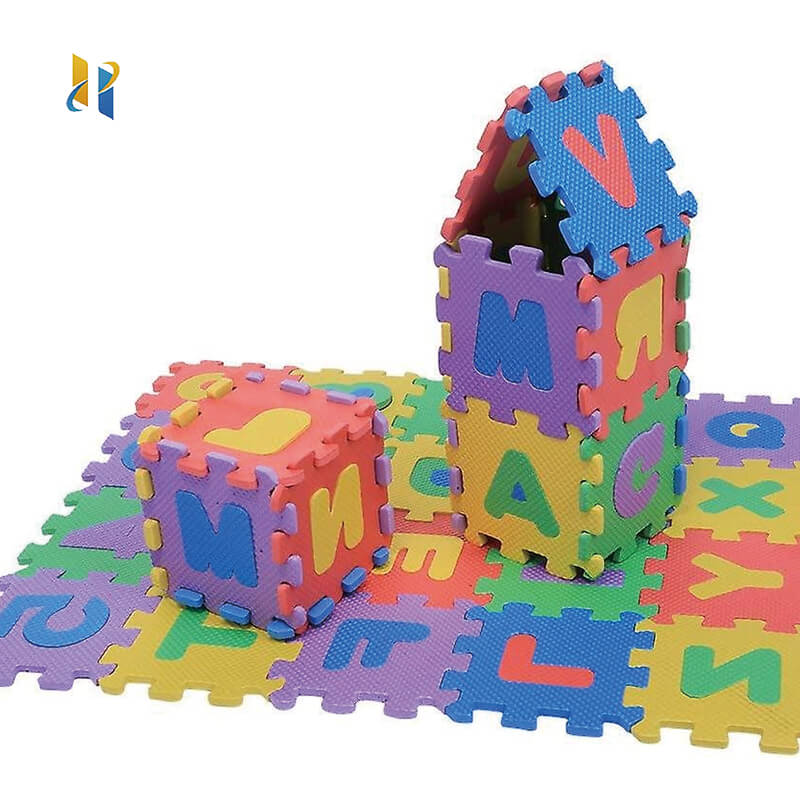
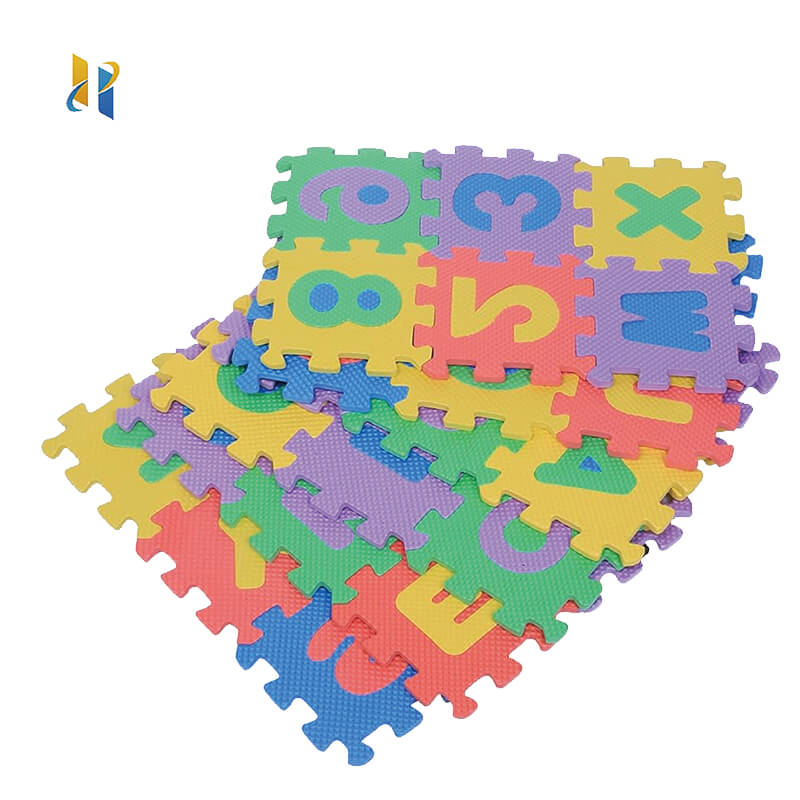
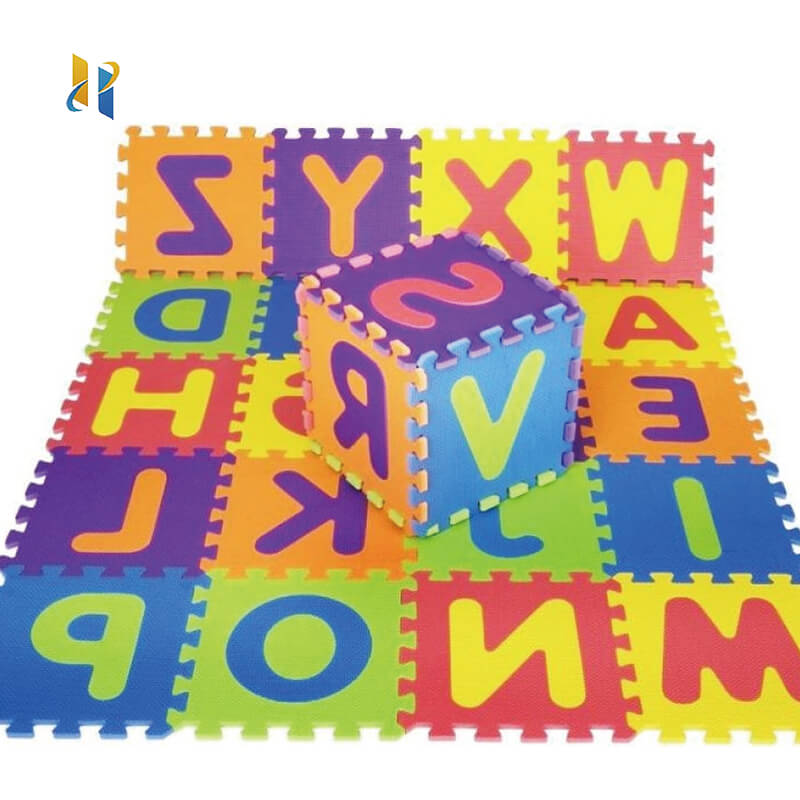
With so many types of foam available, it's essential to choose the right one for your cosplay project. EVA foam, for instance, is a popular choice due to its flexibility, strength, and ability to be easily shaped. It's perfect for creating armor pieces, helmets, and other intricate designs. Polyurethane foam, on the other hand, is denser and more rigid, making it suitable for larger costume pieces that require more stability.
It's also important to consider the thickness and density of the foam you choose. Thicker foam will be more durable but also heavier, so it's crucial to find a balance between strength and weight. You can always add layers of foam to increase thickness and durability without adding too much weight.
The Tools and Techniques for Working with Foam
Working with foam requires a few specialized tools and techniques. A sharp knife or hobby saw is essential for cutting the foam into precise shapes. Sandpaper or a foam cutter can be used to smooth out edges and create a flawless finish. Heat guns or hot glue guns can also be used to shape and mold the foam, allowing you to create complex curves and shapes.
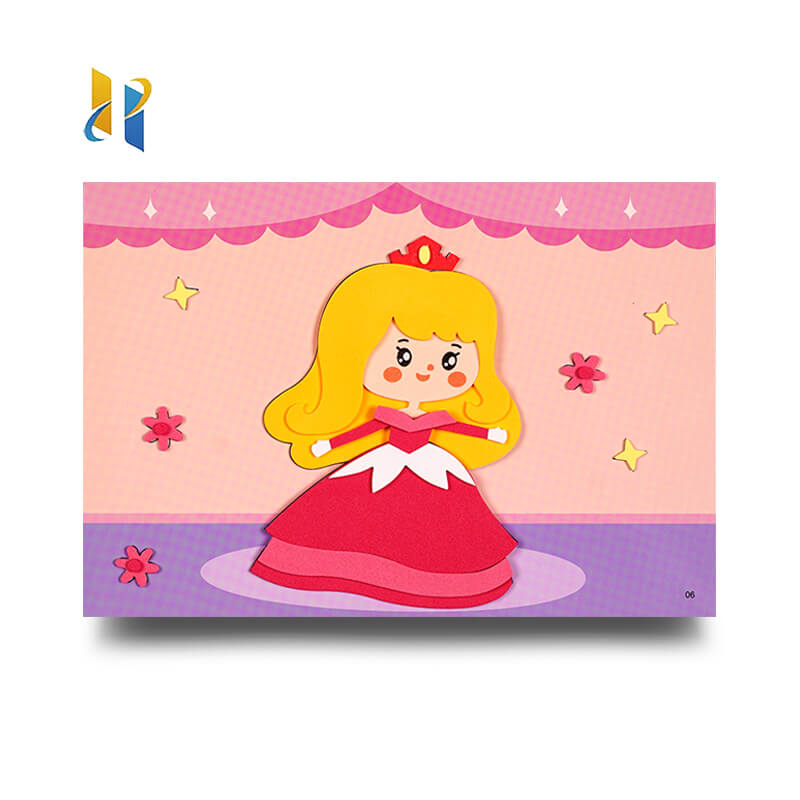
Once you've cut and shaped your foam pieces, it's time to decorate. A variety of paints, adhesives, and embellishments can be used to bring your costume to life. Consider using acrylic paints for vibrant colors and textures or adding details like sequins, beads, or fabric accents.
In conclusion, foam is an invaluable material for cosplay that offers a versatile, affordable, and durable solution for creating stunning costumes. With the right tools and techniques, you can transform simple foam sheets into elaborate costumes that will wow your audience. So why wait? Unleash your creativity and start exploring the wonders of foam for cosplay today!
eva foam glue
eva vs polyethylene foam
Related Article