pe foam vs eva foam
2024-04-02
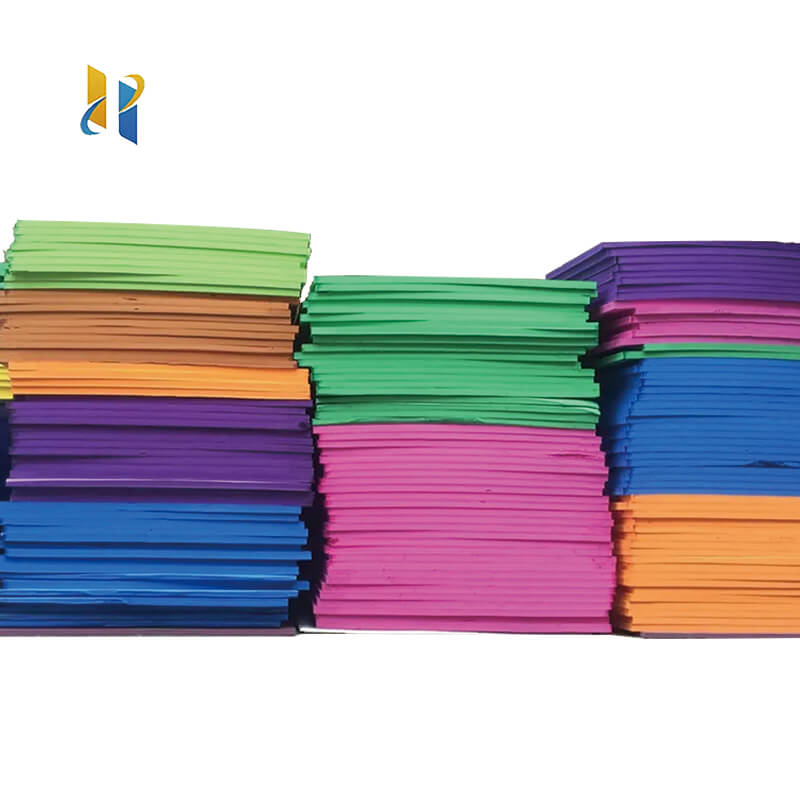
PE Foam vs EVA Foam: A Comparative Guide to Understanding the Differences
In the world of foam materials, polyethylene (PE) foam and ethylene-vinyl acetate (EVA) foam are two of the most popular options. While both materials share similarities in terms of their lightweight, flexibility, and durability, there are crucial differences that can impact your choice depending on the application. Let's delve into a comparative analysis of PE foam and EVA foam to help you make an informed decision.
PE foam, also known as polyethylene foam, is a closed-cell foam material that offers excellent shock absorption and insulation properties. It's often used in packaging, gaskets, and soundproofing applications due to its ability to reduce noise and vibration. PE foam is also known for its resistance to water and moisture, making it a great choice for outdoor use or in damp environments.
On the other hand, EVA foam is a type of open-cell foam that's highly resilient and durable. It's commonly used in sports equipment, flooring, and other applications that require a material that can withstand repeated impact and compression. EVA foam's excellent rebound properties make it a popular choice for mats and pads that need to provide cushioning and support.
When it comes to comfort, EVA foam often edges out PE foam. Its soft and spongy texture provides a more luxurious feel, making it ideal for use in mats, shoes, and other items that require a high level of comfort. PE foam, while still comfortable, can sometimes feel slightly firmer and less forgiving.
Durability is another key factor to consider. Both PE foam and EVA foam are highly durable materials, but EVA foam tends to have a slightly higher resistance to wear and tear. This makes it a better choice for applications that require frequent use or exposure to harsh conditions.
Cost is also an important consideration. Generally speaking, PE foam is often more affordable than EVA foam, making it a more budget-friendly option. However, it's worth noting that the price can vary depending on the specific grade, thickness, and other factors of the foam.
In conclusion, PE foam and EVA foam both have their unique advantages and disadvantages. PE foam excels in insulation and water resistance, while EVA foam offers superior comfort and durability. The choice between the two ultimately depends on your specific needs and preferences. Whether you're looking for a cost-effective packaging material or a high-performance sports mat, there's sure to be a foam material that's perfect for your project.
outdoor eva foam ground mats tiles
plague doctor mask eva foam
Related Article

20 Years of Manufacturing Excellence Delivering Superior EVA Foam for Diverse Industries
Excellent Black & White EVA Materials Now in Production – Visit Our Factory for Unbeatable Quality & Value!