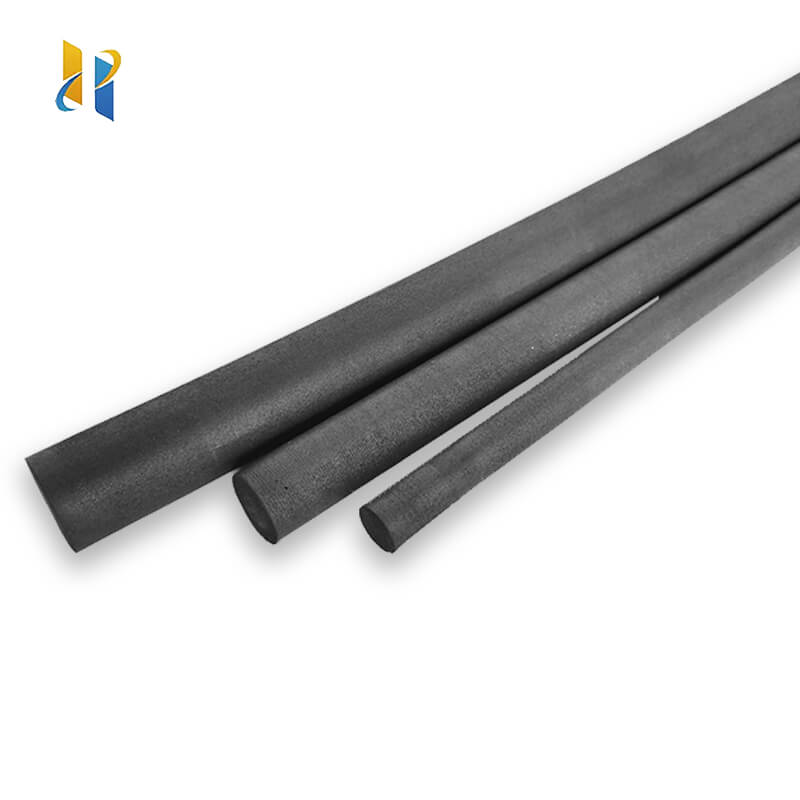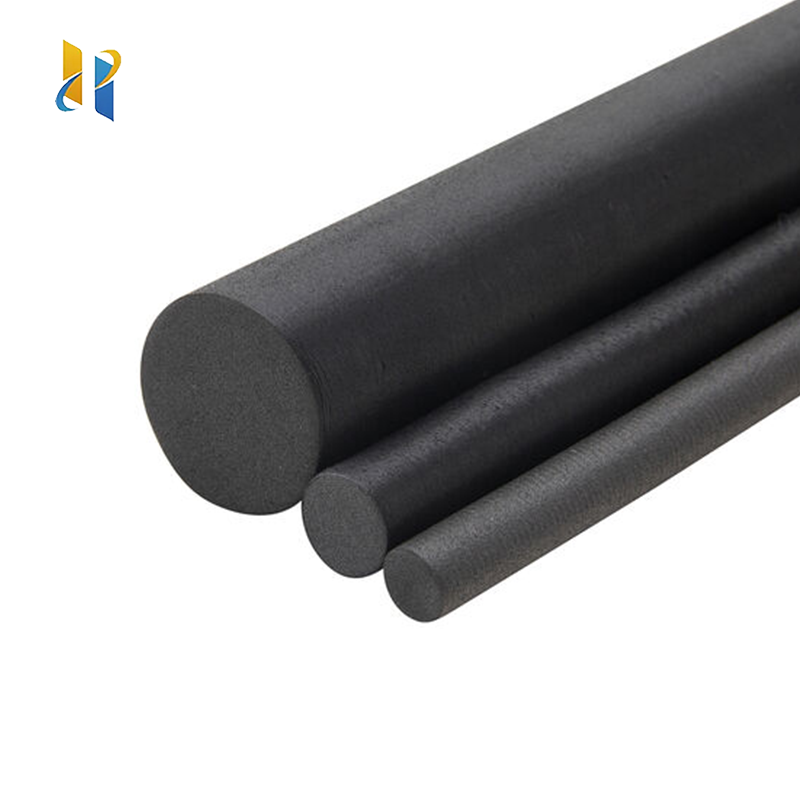
The Application of EVA Foam Dowels in Cosplay

1. The Structural Core: Reinforcing Large and Thin Props
One of the primary and most critical applications of EVA foam dowels is as an internal reinforcement. Large, flat weapons like swords, axes, or keyblades are prone to bending, snapping, or developing a permanent curve over time, especially when made from thinner foam sheets. By inserting a dowel into a carefully carved channel along the length of the weapon, the cosplayer introduces a continuous spine. This spine dramatically increases the prop's resistance to flexion. The process involves cutting the weapon from multiple layers of foam, routing a groove in the inner layers, gluing the dowel in place with contact cement, and then sealing the final layer over it. The result is a prop that feels rigid and professional, capable of withstanding the rigors of transportation and convention photoshoots without failing at the hilt or blade.
2. The Articulated Framework: Enabling Dynamic Armor and Joints
Beyond static props, EVA foam dowels are the key to creating articulated armor pieces. Cosplays involving faulds (hip armor), spaulders (shoulder armor), or segmented gauntlets require parts to move independently without collapsing. Dowels act as perfect pivot points for these systems. For instance, to create a fauld where individual plates swing freely, a cosplayer can embed short sections of dowel into the top of each plate. These dowels then slot into holes drilled into a central waist piece, creating a robust and flexible hinge system. Similarly, they can be used in mechanical-looking gauntlets or grieves to simulate pistons or sliding mechanisms. This application moves cosplay beyond mere static sculpture into the realm of functional, wearable engineering, enhancing both the realism and comfort for the wearer.
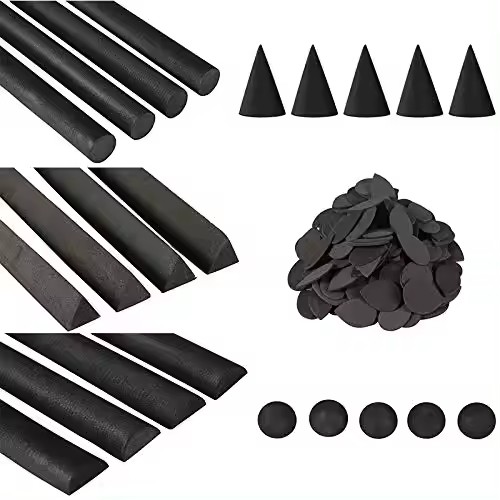
3. The Lightweight Armature: Building Complex Shapes and Extensions
For cosplay elements that extend away from the body—such as dramatic helmet horns, antennae, or the delicate fingers of a monstrous creature—EVA foam dowels provide an ideal armature. Unlike heavy materials like wood or metal, foam dowels are exceptionally lightweight, preventing the piece from sagging or straining its attachment points. They can be easily heat-shaped with a heat gun to create gentle curves or sharp angles. A cosplayer crafting large, curving devil horns, for example, would use a thick dowel as the core, build up the shape with softer foam, and then sand it to a perfect finish. This method ensures the delicate structure has a strong, unbreakable heart, allowing for the creation of impressive, gravity-defying features that would be impossible with foam sheets alone.
4. The Seamless Connector: Joining Foam Pieces with Strength
A more subtle but equally important use of EVA foam dowels is in joinery. When gluing two large foam pieces together at a right angle (e.g., building a boxy prop or the core of a helmet), a simple butt joint secured only by glue is a weak point. By drilling holes and inserting short lengths of dowel as "pegs" or "dowels" across the seam, the cosplayer dramatically increases the gluing surface area. This creates a reinforced bond that is far more resistant to shearing forces. It's the cosplay equivalent of woodworking joinery, transforming a fragile connection into a monolithic, robust structure. This technique is essential for high-stress areas like the crossguard of a sword or the main body of a complex prop.
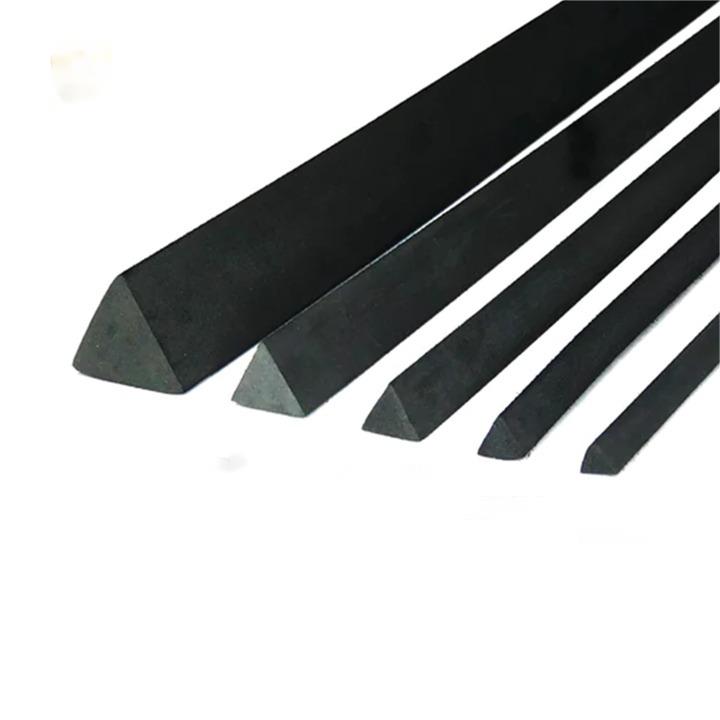
In conclusion, the EVA foam dowel is far more than just a rod of foam; it is a fundamental component for structural integrity, dynamic articulation, and complex fabrication in modern cosplay. It allows creators to bridge the gap between aesthetic form and functional reality, ensuring that their hard work results in a durable, poseable, and professional-grade final product. By acting as a hidden skeleton, a flexible joint, a lightweight core, and a powerful connector, this humble material empowers cosplayers to build bigger, bolder, and more resilient creations than ever before.
EVA Tube: Custom Manufactured EVA Foam Tube For Industrial & Cosplay Applications
Related Article