The Effectiveness of EVA Foam Alphabet Mats in Child Development
1. Cognitive and Early Literacy Development
This is the most prominent and intentional benefit of alphabet mats. They serve as a foundational tool for introducing literacy in an engaging, low-pressure environment.
-
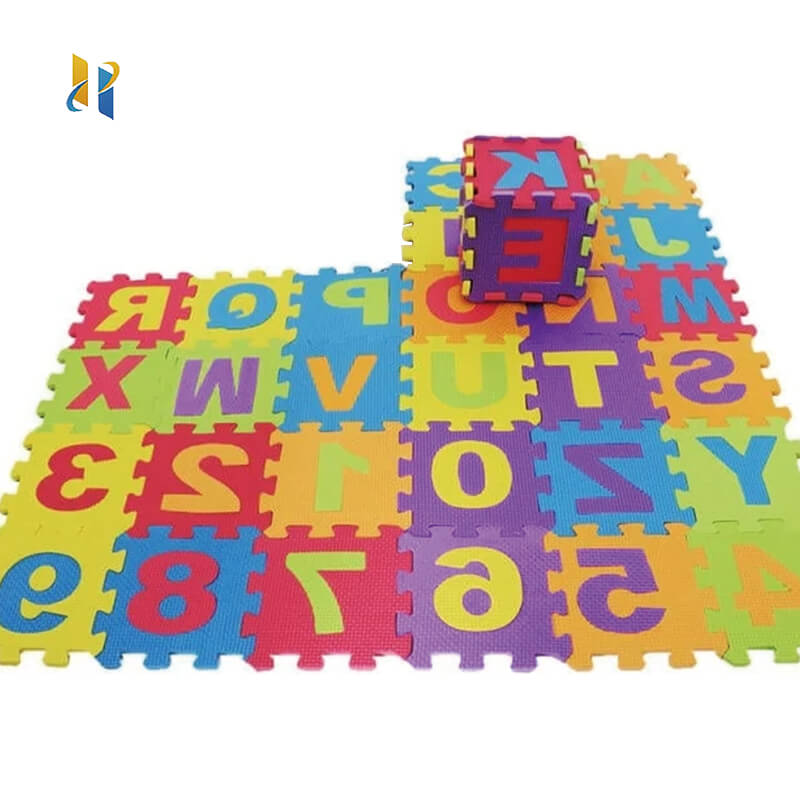
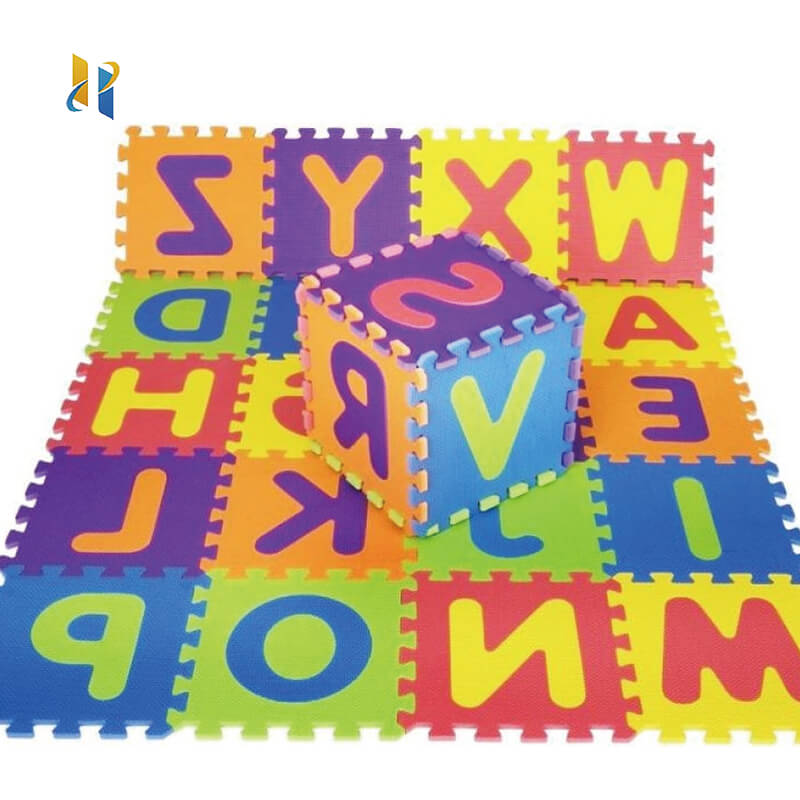
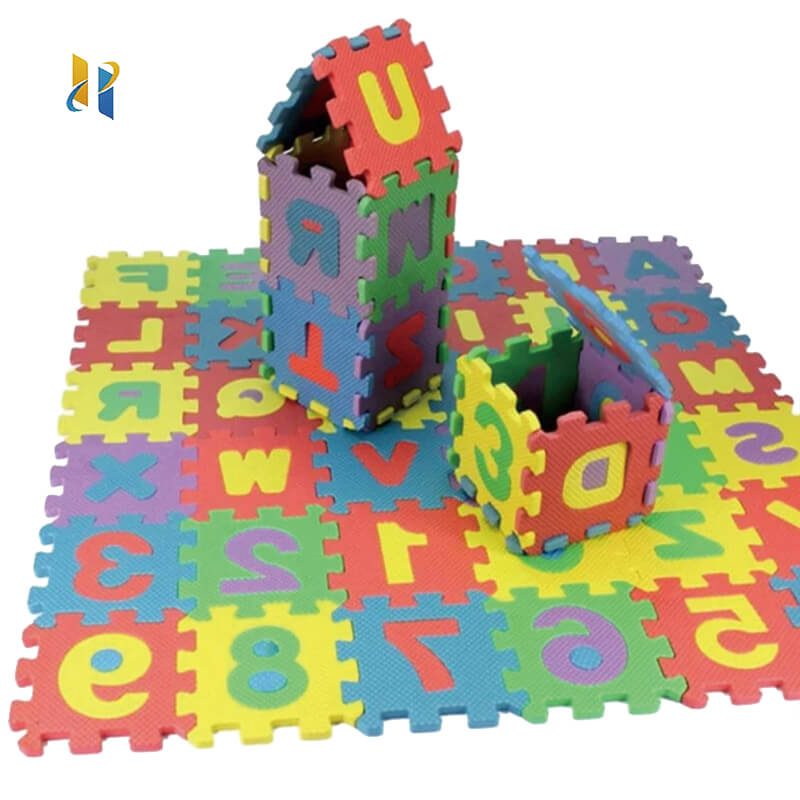
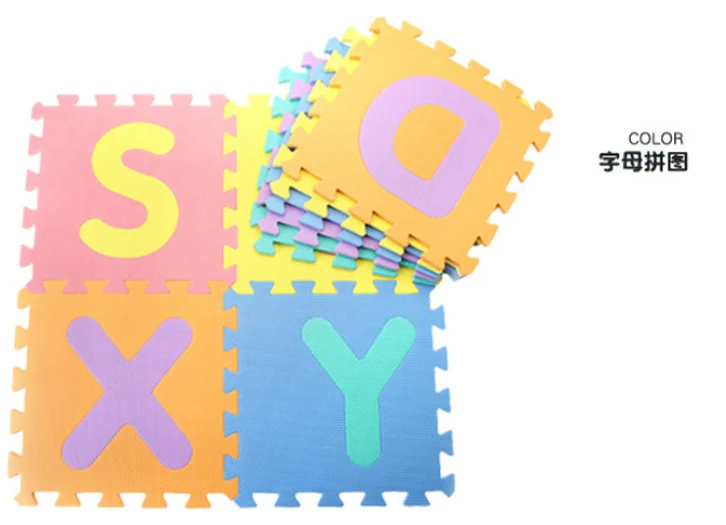
Letter and Sound Recognition: The most direct benefit is the constant, tangible exposure to the letters of the alphabet. Children can see, touch, and manipulate the individual letters, which aids in memorizing their shapes and names. Parents and educators can use the mats for games like "Find the Letter 'B'," which reinforces recognition. Furthermore, the mats provide a platform for introducing phonics—the sounds each letter makes—laying the groundwork for reading readiness.
-
Pre-Reading and Spelling Skills: As children grow, the mats transform into a giant, interactive spelling board. They can physically assemble the letters to form their names, simple words like "C-A-T," or sight words they are learning. This kinesthetic approach to spelling—using movement and touch—strengthens neural pathways and makes the abstract concept of word formation more concrete and understandable.
-
Color and Pattern Identification: Most alphabet mats are produced in a vibrant array of colors. This allows for simultaneous learning of color names. Furthermore, the interlocking pieces often create geometric patterns, which can be used to teach concepts like sequencing (e.g., red, blue, red, blue) and basic shape recognition.
2. Physical Development and Safety
The physical properties of EVA foam are inherently beneficial for a child's physical space and motor skill development.
-
Gross Motor Skill Enhancement: The mats create a defined, safe space for large movements. Activities like crawling, rolling, tummy time, and early walking are encouraged on the cushioned surface. The raised edges between tiles can also provide interesting tactile feedback for developing feet and hands. Children can also be encouraged to hop from one letter to another, improving their balance and coordination.
-
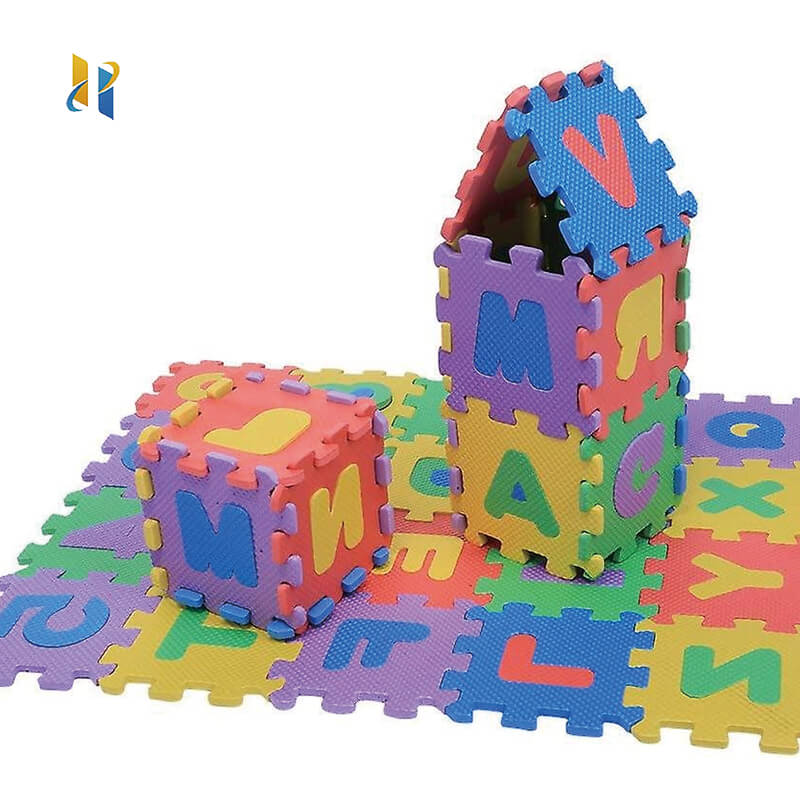
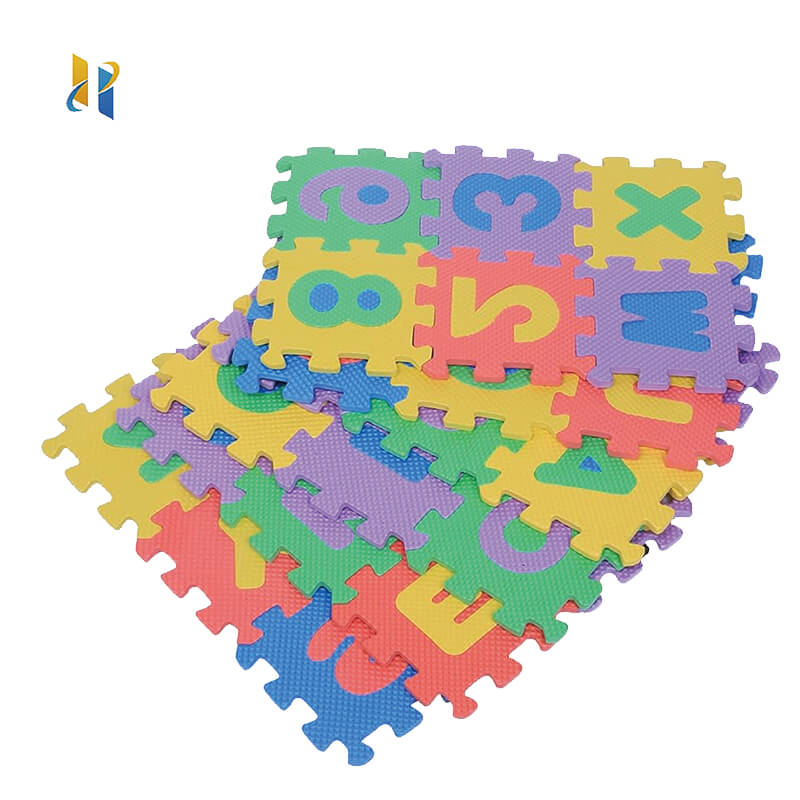
Fine Motor Skill Practice: The simple act of connecting and disconnecting the puzzle-like pieces of the mat is an excellent exercise for fine motor skills. It requires children to use the small muscles in their hands and fingers to align the tabs and slots, promoting dexterity, hand-eye coordination, and pincer grip strength, which is crucial for future tasks like writing.
-
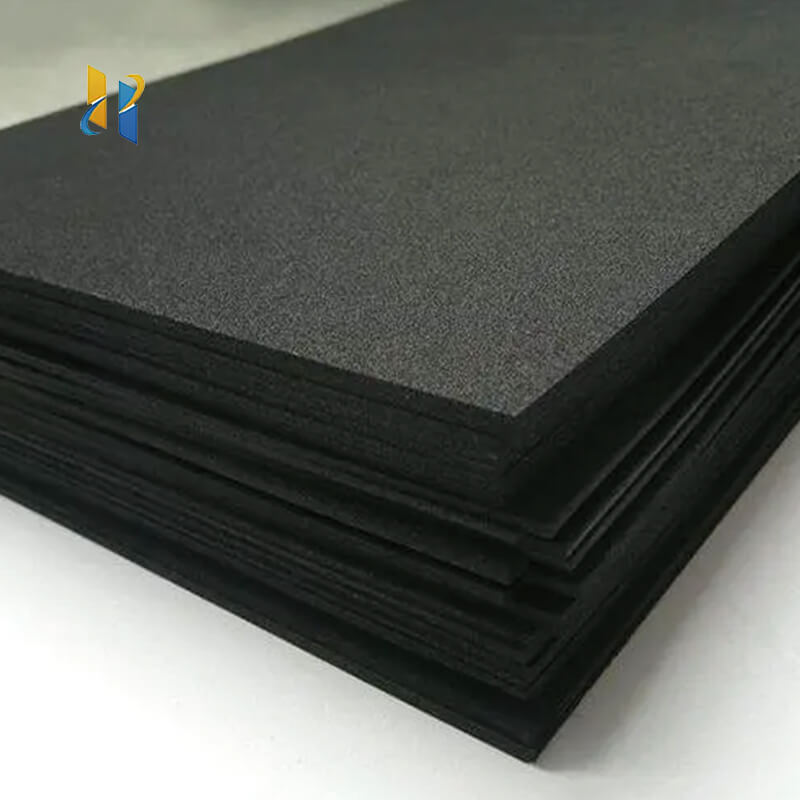
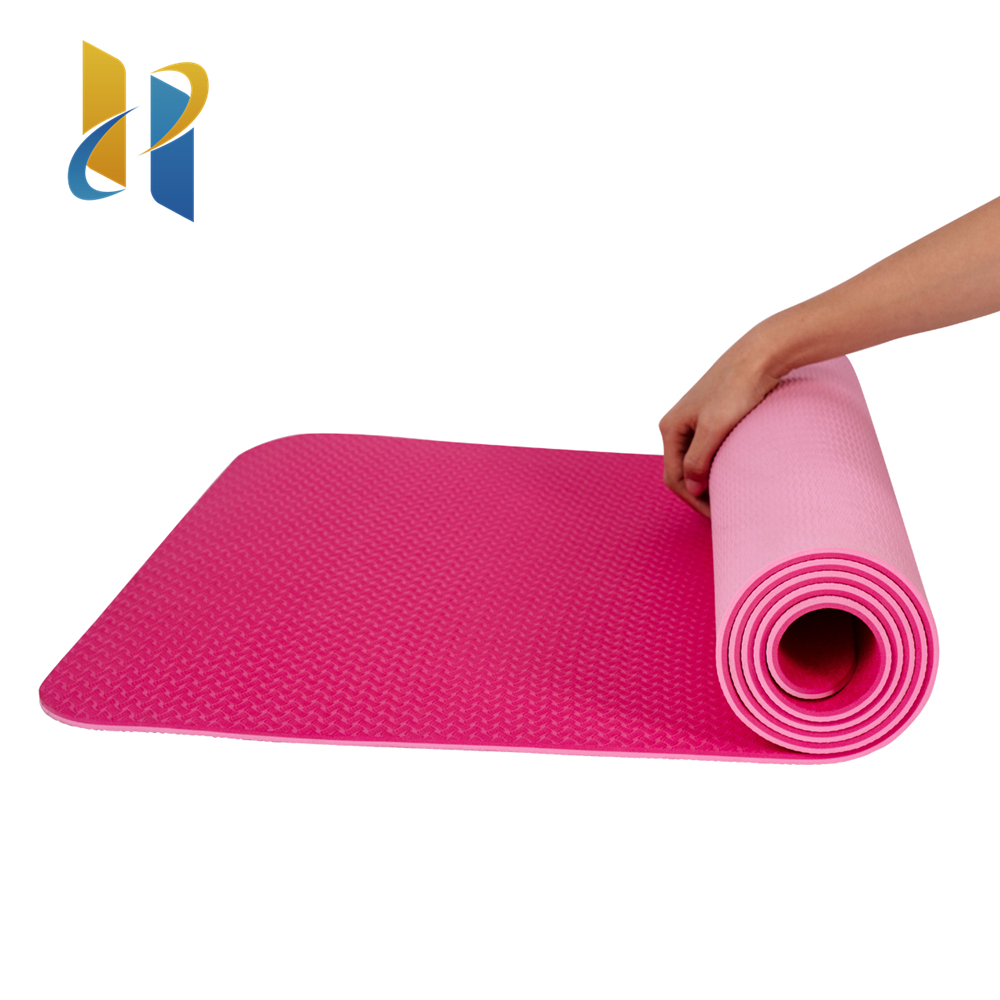
Safety and Comfort: EVA foam is a closed-cell material, making it soft, shock-absorbent, and waterproof. This provides a crucial safety layer, cushioning falls and reducing the risk of injury during play. It also creates a comfortable, insulated surface for children to sit and play on for extended periods, protecting them from hard, cold floors.
3. Sensory Stimulation and Tactile Learning
Children, especially in their early years, learn profoundly through their senses. EVA mats are rich in sensory input.
-
Tactile Exploration: The texture of the foam is unique and inviting. The slightly squishy yet firm feel underfoot and in hand provides valuable tactile feedback. The raised edges and smooth surfaces of the engraved letters offer a varied sensory experience that can be particularly engaging for toddlers.
-
Visual Stimulation: The high-contrast, bright colors and clear, bold lettering are designed to capture a child's visual attention. This stimulation is not only engaging but also helps in developing visual tracking and discrimination skills as they scan the mat to find different elements.
4. Social, Emotional, and Imaginative Growth
Beyond structured learning, the mat serves as a stage for unstructured play, which is vital for holistic development.
-
Imaginative Play: A simple mat can be transformed into a magical island, a castle floor, or a racetrack for toy cars. This open-ended nature encourages creativity and storytelling. The letters themselves can become characters in a child's imaginative narrative, fostering abstract thinking.
-
Social Interaction and Cooperative Play: The mat defines a shared play space. It naturally encourages activities that involve more than one child, such as building the mat together, playing hopscotch on the letters, or engaging in group games. This promotes skills like sharing, taking turns, communication, and collaborative problem-solving.
-
Boost in Confidence and Independence: The ability to successfully connect the pieces, identify a letter, or spell their own name provides a tremendous sense of accomplishment for a child. This builds self-esteem and encourages a positive, independent attitude towards learning and play.
In conclusion, the EVA foam alphabet mat is a remarkably effective and versatile tool in a child's environment. Its impact is not confined to a single developmental domain. It simultaneously acts as a cognitive primer for literacy, a physical aid for motor skills, a sensory-rich surface for exploration, and a catalyst for social and imaginative play. By integrating learning with physical activity and fun, it embodies the principles of modern early childhood education, making it a highly valuable resource for fostering a child's holistic growth.
An In-Depth Analysis of Pulled EVA Yacht Decking
The Protective Role of EVA Mats in Child Safety
Related Article