The Foaming Process of EVA Materials
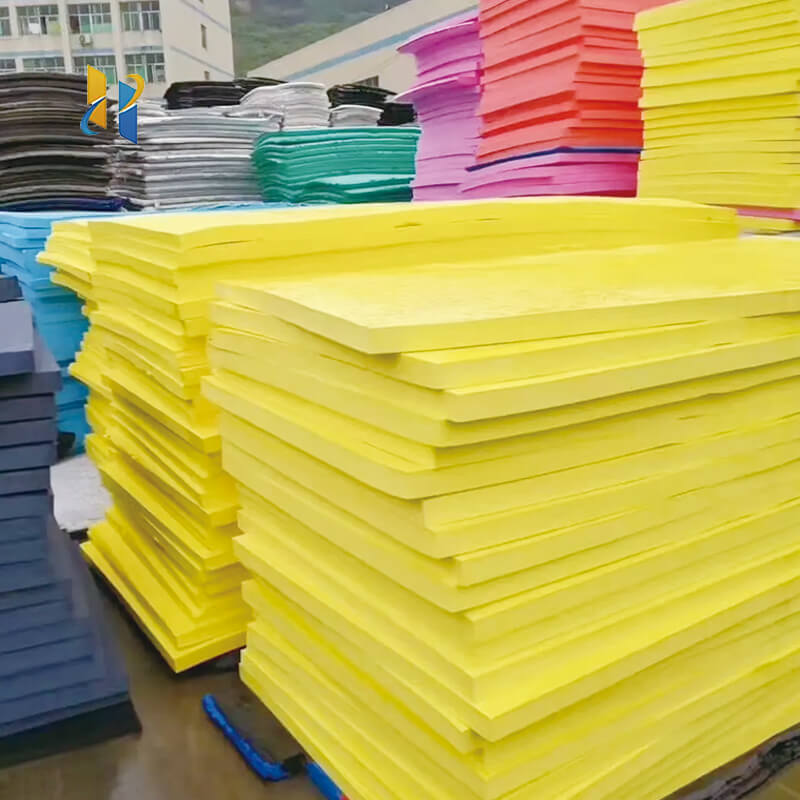
Table of Contents
Introduction
Ethylene-Vinyl Acetate (EVA) foam is a lightweight, flexible, and resilient material widely used in various industries. Its key properties are largely determined by the foaming process, which creates a closed-cell structure. This outline details the fundamental steps involved.
1. Raw Material Mixing and Compounding
The process begins with preparing the compound. Base EVA copolymer resin is fed into a mixer. Key additives are incorporated:
- Cross-linking Agent: Typically an organic peroxide (e.g., dicumyl peroxide).
- Foaming/Blowing Agent: Most commonly azodicarbonamide (ADC), which releases gases to form bubbles.
- Co-Agents & Additives: These may include zinc oxide, fillers, and pigments to optimize the process.
2. Sheet Formation and Pre-molding
The compounded material is processed into sheets of specific thickness using calendering rolls or an extruder. These sheets are cut into pre-forms (slugs) matching the approximate weight and volume required for the final product.

3. Press Molding and the Three-Stage Heating Cycle
Pre-forms are placed into a precision mold in a hydraulic hot press. Foaming and cross-linking occur simultaneously in a controlled three-stage cycle:
- Stage 1: Heating and Melting: Heat (160-180°C) and pressure are applied, melting the EVA and preventing premature expansion.
- Stage 2: Decomposition and Expansion: The blowing agent and cross-linker decompose. The forming polymer network traps gas, stabilizing the expanding bubbles.
- Stage 3: Cooling and Stabilization: The mold is cooled under pressure to solidify the foam and ensure precise dimensions.
4. Post-Processing
Once cooled, the molded EVA products are demolded. They often undergo a secondary "aging" process for 24-48 hours to ensure stable final properties.

5. Key Process Parameters and Final Properties
The quality of EVA foam is governed by:
- Temperature and Time: Control the rate of chemical reactions.
- Pressure: Controls expansion, cell size, and density.
- Formulation: The ratio of EVA, blowing agent, and peroxide determines final properties like density and resilience.
Conclusion
The production of EVA foam is a sophisticated process integrating compounding, precise thermal management, and simultaneous chemical reactions. Mastering the interplay between formulation and processing parameters is essential to engineer foams for diverse applications. This process remains the cornerstone of high-performance EVA foam manufacturing.
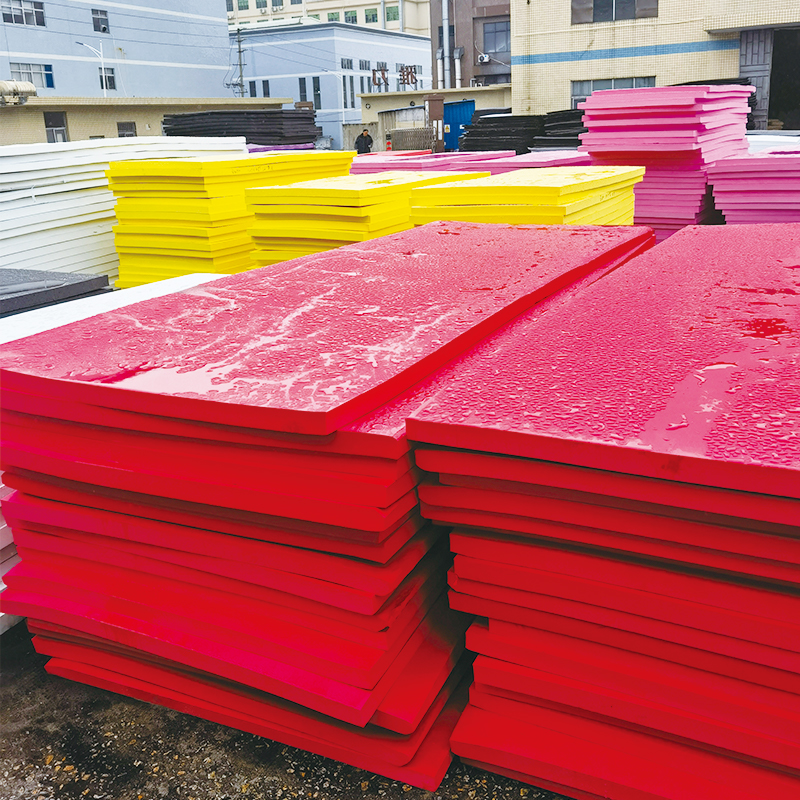
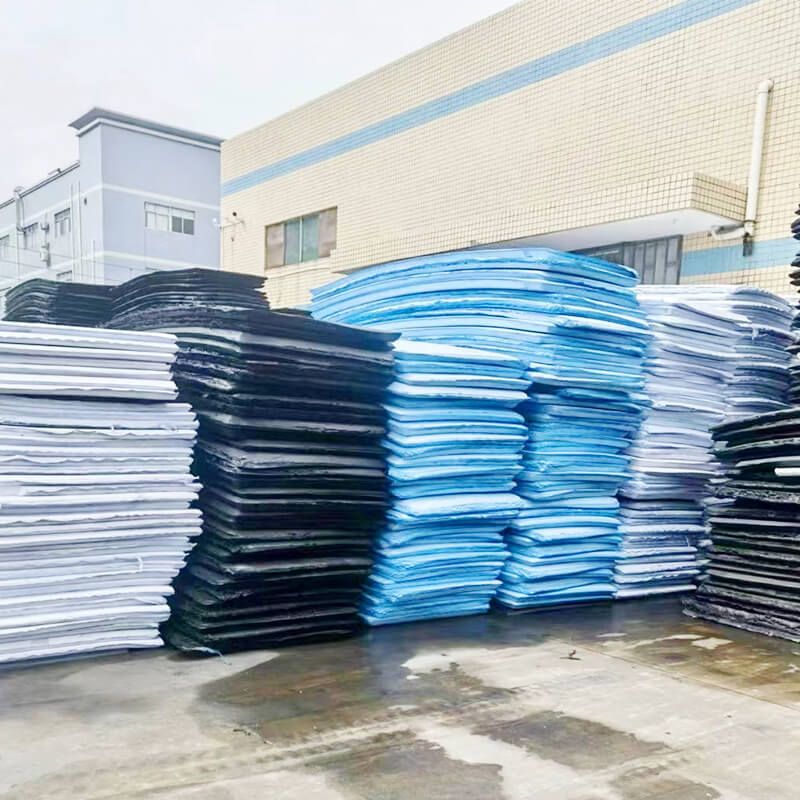
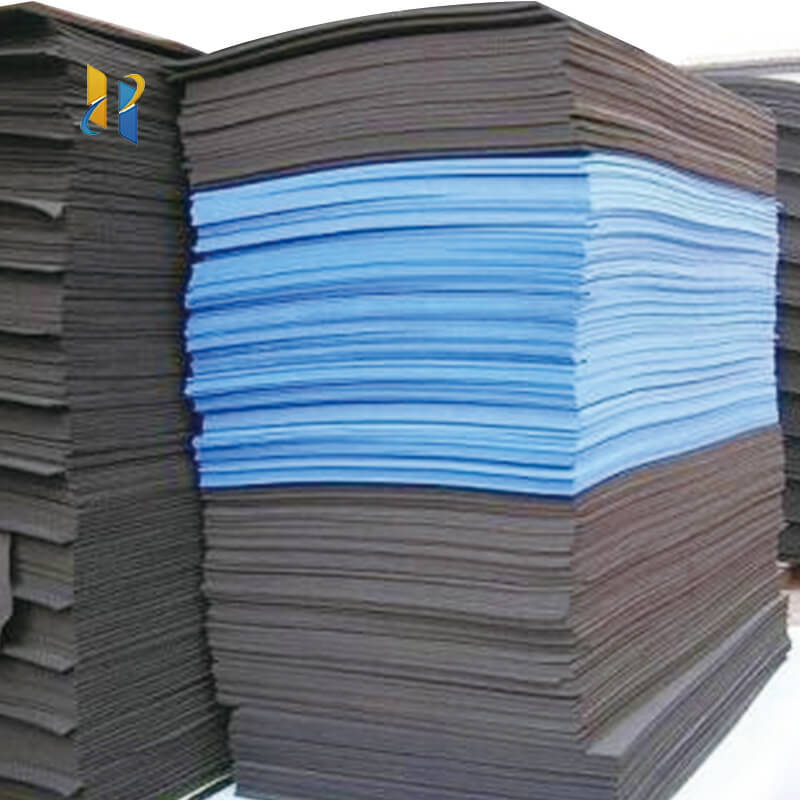
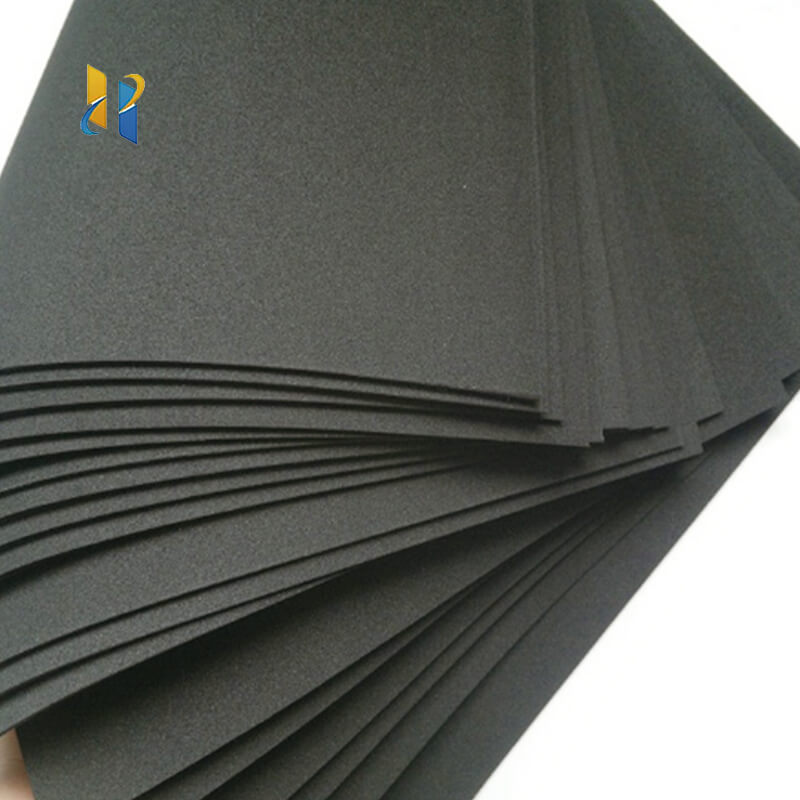
About Our EVA Products: We supply a wide range of EVA foam materials, including cosplay foam, laser-cutting mats, direct sheets, waterproof foam, foam rolls, customized sheets/rolls, and high-density sheets.
EVA Foam: The Essential Material in Modern Cosplay Crafting
The Versatility of Colored EVA Sheets in Handicraft and Creative Education
Related Article