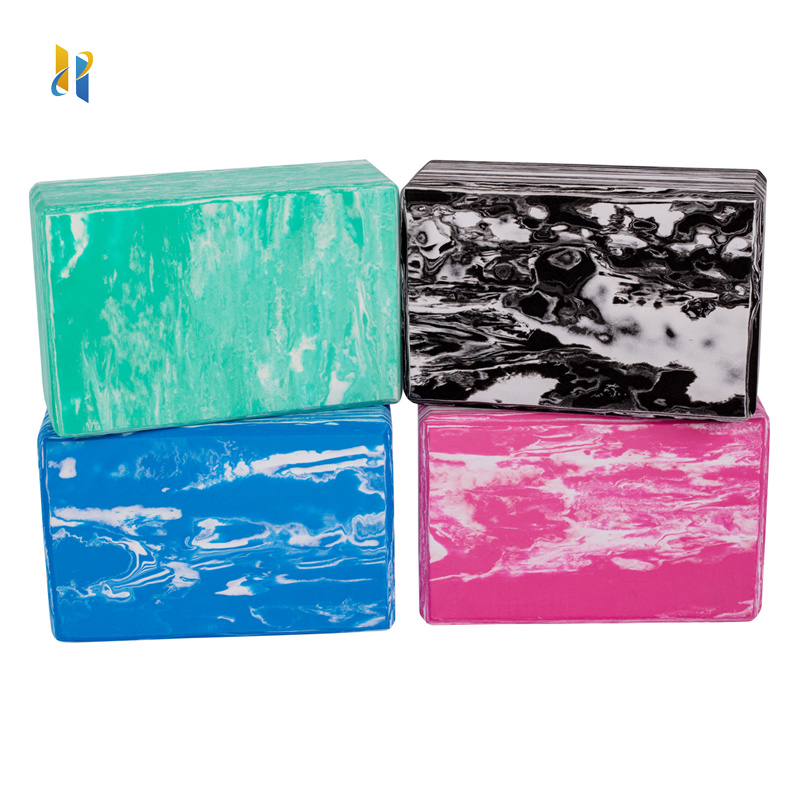
The Multifaceted Role of Yoga Blocks in Yoga Practice
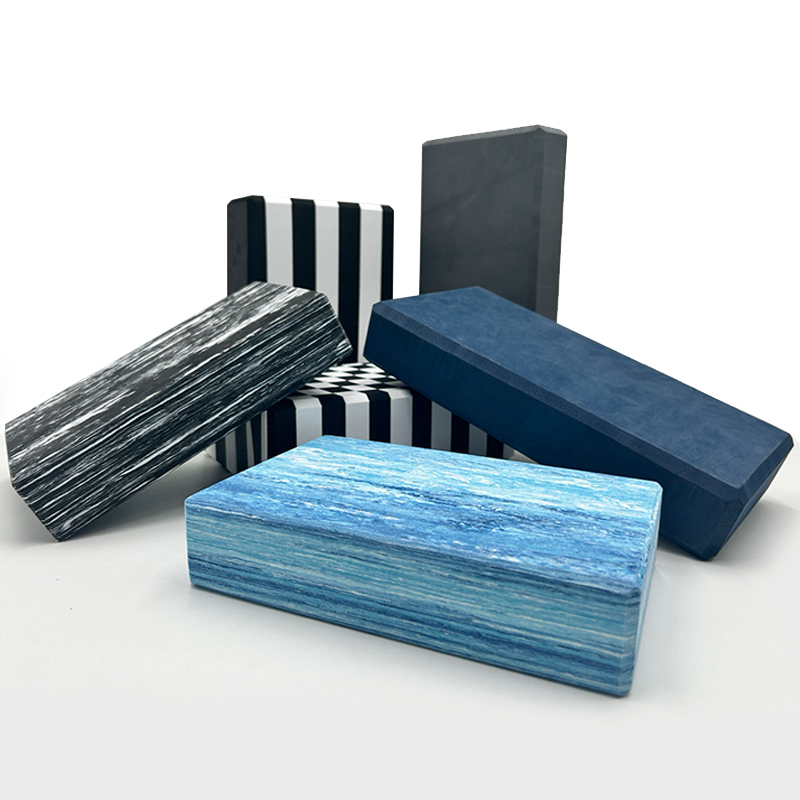
1. Enhancing Accessibility and Inclusivity
The primary and most recognized function of a yoga block is to make poses accessible to individuals with varying levels of flexibility, strength, and body proportions.
-
Bridging the Gap: In standing poses like Utthita Trikonasana (Extended Triangle Pose) or Ardha Chandrasana (Half Moon Pose), a practitioner may not be able to reach the floor without compromising the spine's alignment. Placing a block under the hand brings the floor closer, allowing them to maintain a long, neutral spine and open chest, which is the true goal of the pose, rather than merely touching the ground.
-
Empowering Beginners: For newcomers, blocks build confidence. They reduce the intimidation factor of complex poses, allowing beginners to experience the foundational shape and benefit of a posture without strain. This encourages consistent practice and gradual progress.
-
Adapting to Body Mechanics: Bodies are different. A person with longer limbs or a shorter torso might find certain poses disproportionately challenging. Blocks act as customizable extensions, allowing every body to find its optimal alignment and stability.
2. Promoting Proper Alignment and Safety
Yoga blocks are invaluable educational tools that teach correct anatomical alignment, which is fundamental for a safe and sustainable practice.
-
Kinesthetic Awareness: By providing physical feedback, blocks help practitioners understand where their body should be in space. For instance, in Virabhadrasana II (Warrior II), placing a block between the thighs and squeezing it activates the inner thighs and ensures the front knee tracks properly over the ankle, protecting the knee joint.
-
Spinal Integrity: In forward folds like Uttanasana, placing blocks under the hands helps prevent rounding the back. This encourages a hinge from the hips, protecting the lumbar spine and allowing for a safe, deep stretch in the hamstrings.
-
Joint Protection: In poses like Malasana (Garland Pose) or deep lunges, individuals with tight hips or ankles can sit on a block. This elevation prevents excessive strain on the knees and ankles, allowing the joints to open gently over time.

3. Deepening the Practice and Exploration
Contrary to the belief that they are only for modification, blocks can be used to intensify stretches, activate different muscle groups, and explore advanced variations.
-
Intensifying Stretches: In a seated forward fold (Paschimottanasana), pressing the feet firmly into a block placed on its side can create a more active stretch in the calves and hamstrings. In a supine twist, hugging a block between the knees can deepen the spinal and hip rotation.
-
Building Strength: Blocks can be incorporated into strength-building exercises. Holding a block between the hands in Chaturanga Dandasana or between the thighs in Bridge Pose (Setu Bandhasana) demands greater isometric engagement from the core, arms, and glutes, respectively.
-
Preparing for Advanced Poses: They serve as stepping stones to more complex asanas. In preparations for Eka Pada Rajakapotasana (Pigeon Pose) or arm balances, blocks provide the necessary height and support to build the required strength and flexibility safely before attempting the full expression of the pose.
4. Providing Support and Restoration
In restorative yoga or during periods of fatigue, blocks are essential for creating supportive setups that promote relaxation and release.
-
Restorative Setups: A classic example is a supported Fish Pose (Matsyasana). Placing a block horizontally or vertically under the thoracic spine (not the neck) opens the chest and heart center, facilitating deep breathing and a gentle backbend without muscular effort. Similarly, blocks under the knees in Savasana (Corpse Pose) can release tension in the lower back.
-
Encouraging Surrender: In Yin Yoga, where poses are held for several minutes, blocks provide the necessary support to allow the connective tissues to release passively. By propping up the body, the practitioner can let go of muscular engagement completely, leading to a deeper meditative and physical release.

5. Fostering Confidence and Mind-Body Connection
The psychological benefits of using yoga blocks are as significant as the physical ones.
-
Reducing Performance Anxiety: The presence of a block removes the pressure to "perform" a pose perfectly. This shifts the focus from an external aesthetic to an internal experience, reducing anxiety and fostering a more mindful practice.
-
Building Self-Trust: As a practitioner uses a block to safely explore their edge, they develop a better understanding of their body's signals. This cultivates self-trust and the wisdom to know when to challenge and when to support oneself, a lesson that extends beyond the mat.
In conclusion, yoga blocks are far from crutches. They are intelligent tools that democratize yoga, making it a practice for every body. They guide the practitioner toward alignment, empower them to explore their potential, support them in finding rest, and ultimately, deepen their connection to the essence of yoga itself. A block is not a sign of limitation but a key to a more profound, personalized, and sustainable practice.
Elaborating the Advantages of EVA Yoga Blocks Through Specific Yoga Poses
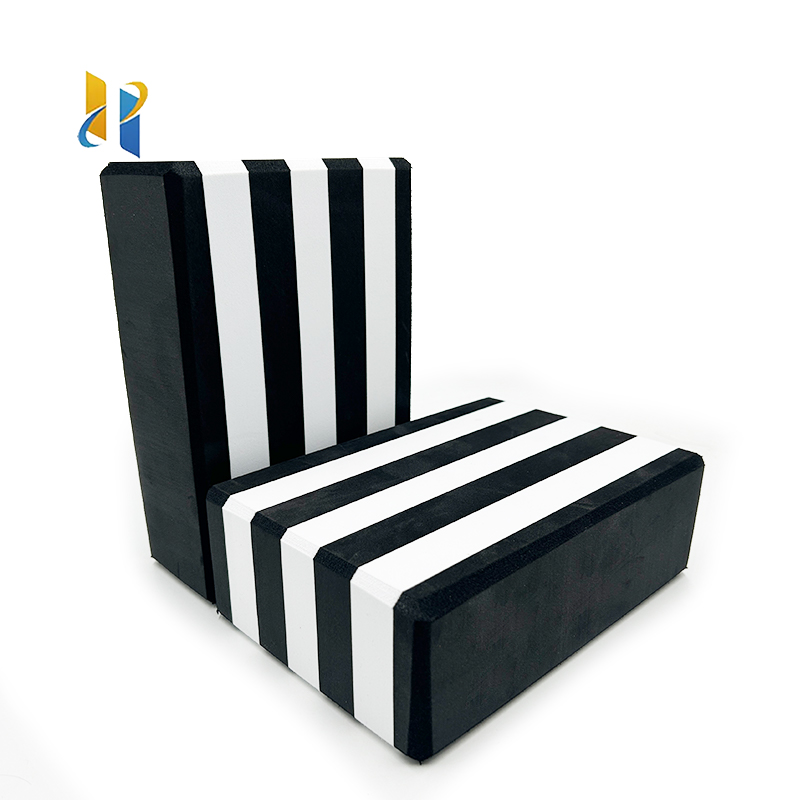
The Striped Yoga Block: A Detailed Analysis of Form and Function
Related Article