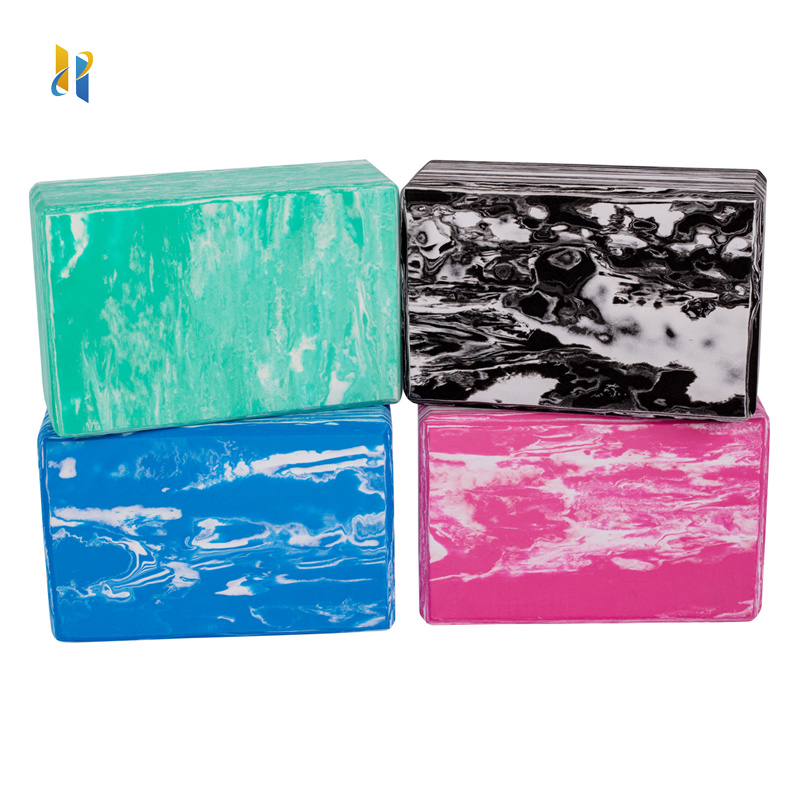
The Multifunctional Role of Yoga Blocks in Practice
1. Enhancing Accessibility and Inclusivity
The most fundamental role of a yoga block is to make poses accessible to bodies with different levels of flexibility, strength, and proportions. For instance, in a standing forward fold (Uttanasana), someone with tight hamstrings may not be able to reach the floor. Placing hands on blocks brings the floor closer, allowing the spine to stay long and the pose to be effective without strain. Similarly, in Trikonasana (Triangle Pose), a block can be placed under the bottom hand to prevent collapsing the torso, enabling a student to focus on opening the chest and creating a straight line from fingertip to fingertip. This adaptability makes yoga a more inclusive practice, ensuring that anatomical limitations do not hinder the experience of a pose's benefits.

2. Promoting Proper Alignment and Safety
Yoga blocks are invaluable teachers of correct alignment, which is crucial for preventing injury. They provide physical feedback and support that guides the body into a safer position. In a lunge or Anjaneyasana, placing a block under the back knee that gently touches the floor can prevent hyperextension and support the joint. In poses like Ardha Chandrasana (Half Moon Pose), using a block under the bottom hand creates a stable foundation, preventing the shoulder from sinking and the chest from closing. This external support allows the practitioner to build strength and muscle memory in the correct form, cultivating a sustainable and safe long-term practice.

3. Building Strength and Stability
Contrary to the belief that props are only for support, blocks can significantly intensify strength-building. When used actively, they engage muscles more deeply. For example, squeezing a block between the thighs in poses like Tadasana (Mountain Pose) or during Bridge Pose activates the inner thighs and core, creating greater stability and power. In Chaturanga Dandasanda, placing a block under the chest and ensuring it doesn't touch the floor during the descent is a powerful way to build the strength necessary for a safe and controlled low plank. This active use turns the block from a passive aid into a tool for muscular engagement.
4. Deepening Stretches and Exploration
For advanced practitioners, blocks can facilitate a deeper exploration of asanas. In a pose like Eka Pada Rajakapotasana (Pigeon Pose), sitting on a block can tilt the pelvis forward, intensifying the hip stretch. In restorative practices, blocks are essential for supported, passive stretching. A classic example is Supported Fish Pose, where a block placed vertically or horizontally under the shoulder blades gently opens the chest and heart space, promoting relaxation and a deep stretch in the pectoral muscles and front body. This allows for a release that is often unattainable through active effort alone.
In conclusion, yoga blocks are far more than simple crutches. They are dynamic tools that democratize yoga, enhance safety, build foundational strength, and enable a deeper, more mindful practice. By bridging the gap between the body and the ideal form of a pose, they empower every practitioner to experience the full benefits of yoga, regardless of their starting point.
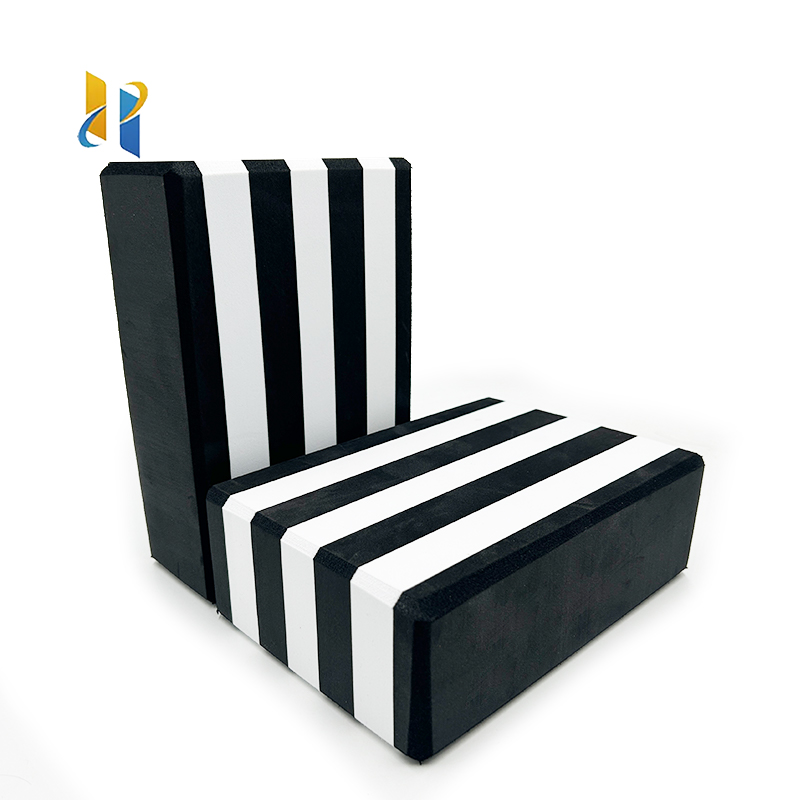
The Striped Yoga Block: A Detailed Analysis of Form and Function
Related Article