The Role of Building Blocks in Child Development

1. Cognitive and Intellectual Development
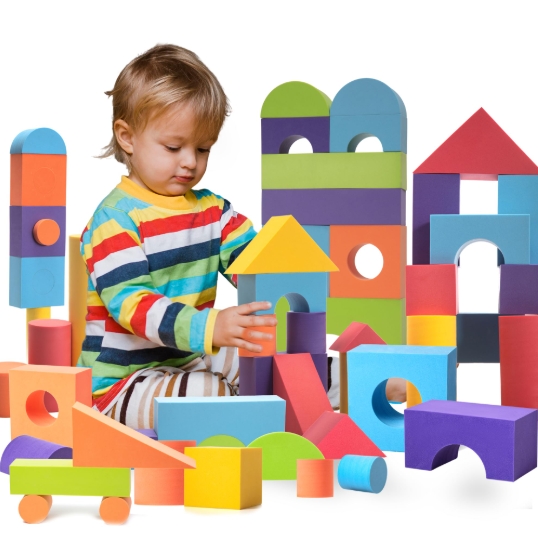
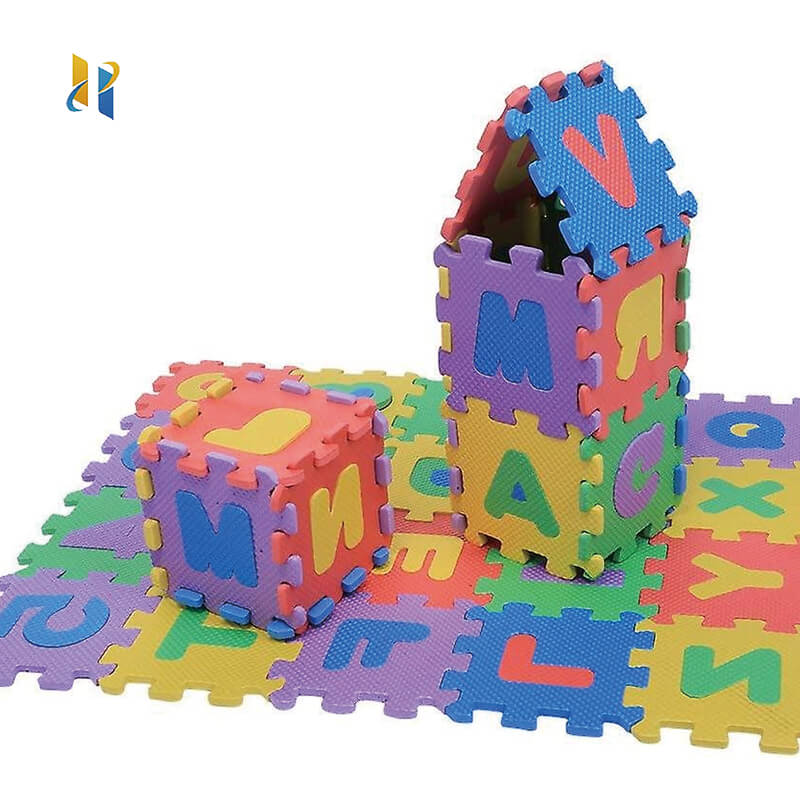
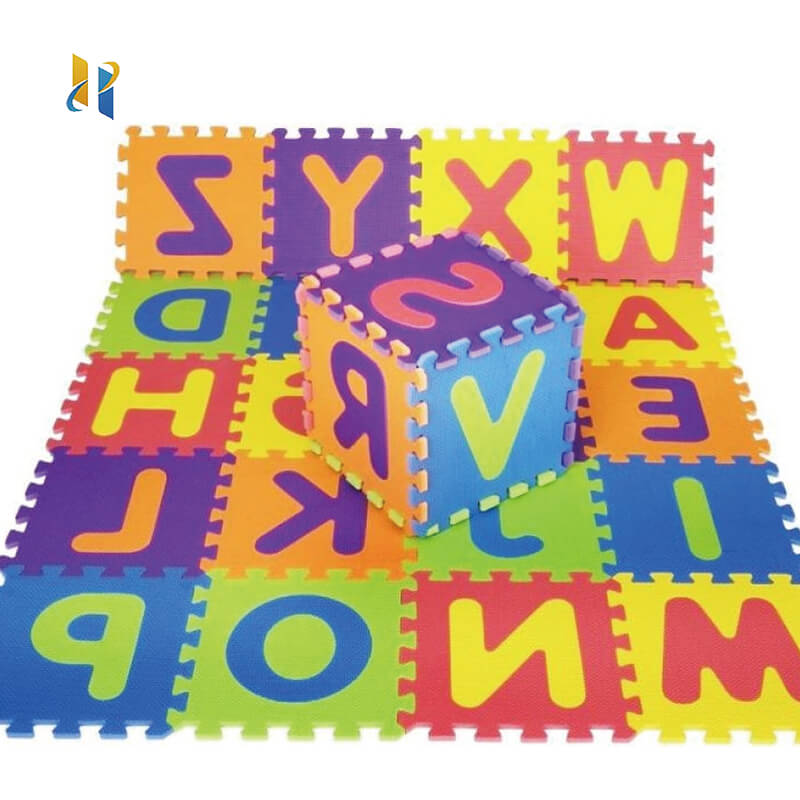
Building blocks are a natural catalyst for cognitive growth. They introduce fundamental concepts of mathematics and physics, such as shape, size, balance, symmetry, and gravity. As children plan and construct, they engage in problem-solving and develop spatial reasoning—the ability to visualize and manipulate objects in space. This process also fosters critical thinking and logical reasoning as they figure out how to make their structures stable and achieve their desired design.
2. Enhancement of Fine Motor Skills and Hand-Eye Coordination
The physical act of picking up, grasping, stacking, and carefully placing blocks is an excellent exercise for developing fine motor skills. It strengthens the small muscles in the fingers and hands, which are essential for later tasks like writing. Furthermore, this process requires precise hand-eye coordination, as the brain must guide the hands to place the blocks accurately. This foundational motor skill is vital for many daily and academic activities.

3. Fostering Creativity and Imagination
Unlike many structured toys, blocks are open-ended. A pile of blocks can become a castle, a spaceship, a zoo, or an abstract sculpture. This freedom encourages divergent thinking and creativity. Children are not following instructions; they are inventing their own worlds and narratives. This unstructured play allows them to express their ideas, experiment with designs, and engage in symbolic thinking, which is the bedrock of imaginative play.
4. Promotion of Social and Emotional Skills
When children build together, they learn invaluable social lessons. They must communicate their ideas, negotiate roles, share resources, and collaborate to create a shared structure. This fosters teamwork and teaches them to respect others' perspectives. Emotionally, block play builds resilience and perseverance. When a tower collapses, a child learns to manage frustration and try again. The successful completion of a project also provides a significant sense of accomplishment, boosting self-esteem and confidence.
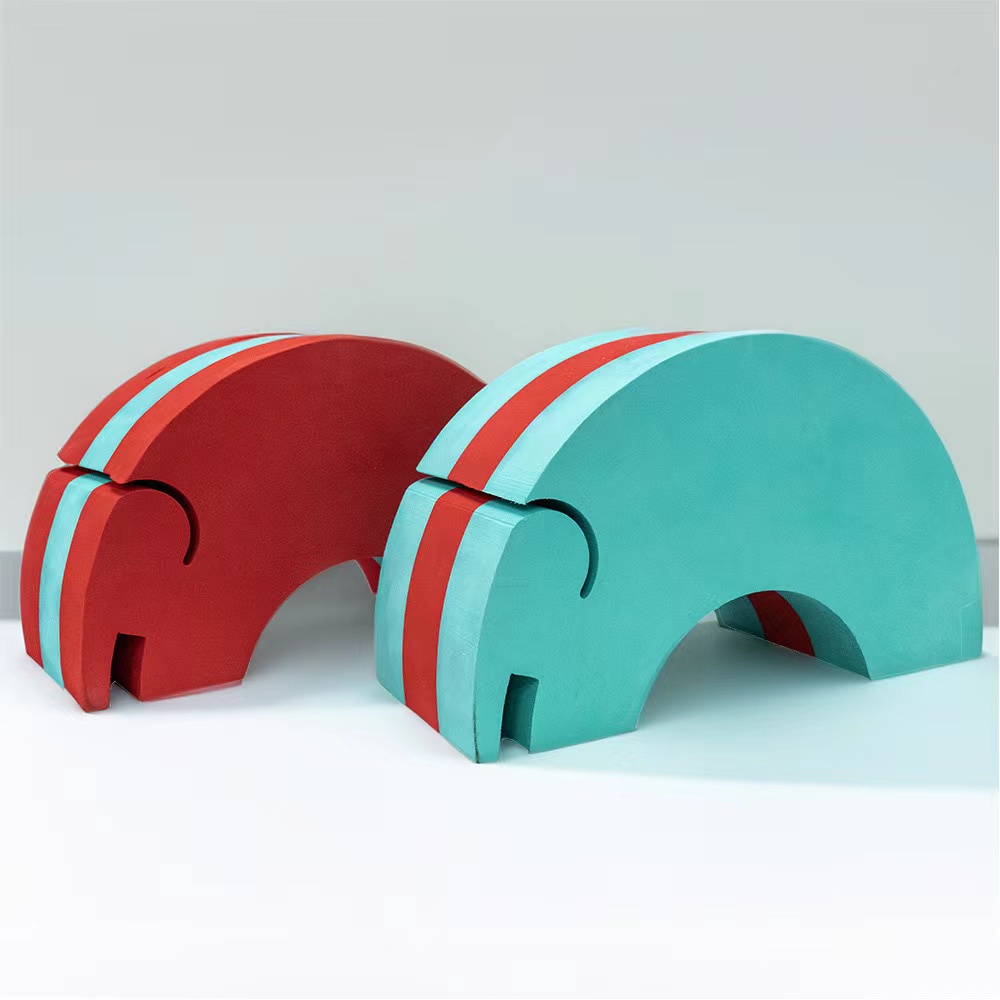
In conclusion, building blocks are a powerhouse of developmental benefits. They seamlessly integrate learning with play, simultaneously sharpening a child's mind, refining their physical dexterity, unleashing their creative potential, and teaching them how to navigate social interactions. This makes them an indispensable tool in the journey of childhood development.
Why EVA Building Blocks Are a Must-Have for Every Child’s Development
Related Article