tpu vs eva foam
2024-05-23
TPU vs EVA Foam: Choosing the Right Material for Your Project
When it comes to selecting materials for various applications, two popular options often come into the spotlight: Thermoplastic Polyurethane (TPU) and Ethylene-Vinyl Acetate (EVA) foam. Both materials have unique properties that make them suitable for different uses. In this article, we will delve into the characteristics of TPU and EVA foam, compare their advantages and disadvantages, and help you make an informed decision for your next project.
1. **Properties of TPU:**
TPU is a versatile material known for its elasticity, durability, and resistance to abrasion and oil. It is a thermoplastic elastomer that combines the properties of rubber with the processing ease of plastics. TPU is often used in industries such as automotive, medical, and footwear due to its excellent mechanical and physical properties.
TPU is a versatile material known for its elasticity, durability, and resistance to abrasion and oil. It is a thermoplastic elastomer that combines the properties of rubber with the processing ease of plastics. TPU is often used in industries such as automotive, medical, and footwear due to its excellent mechanical and physical properties.
2. **Properties of EVA Foam:**
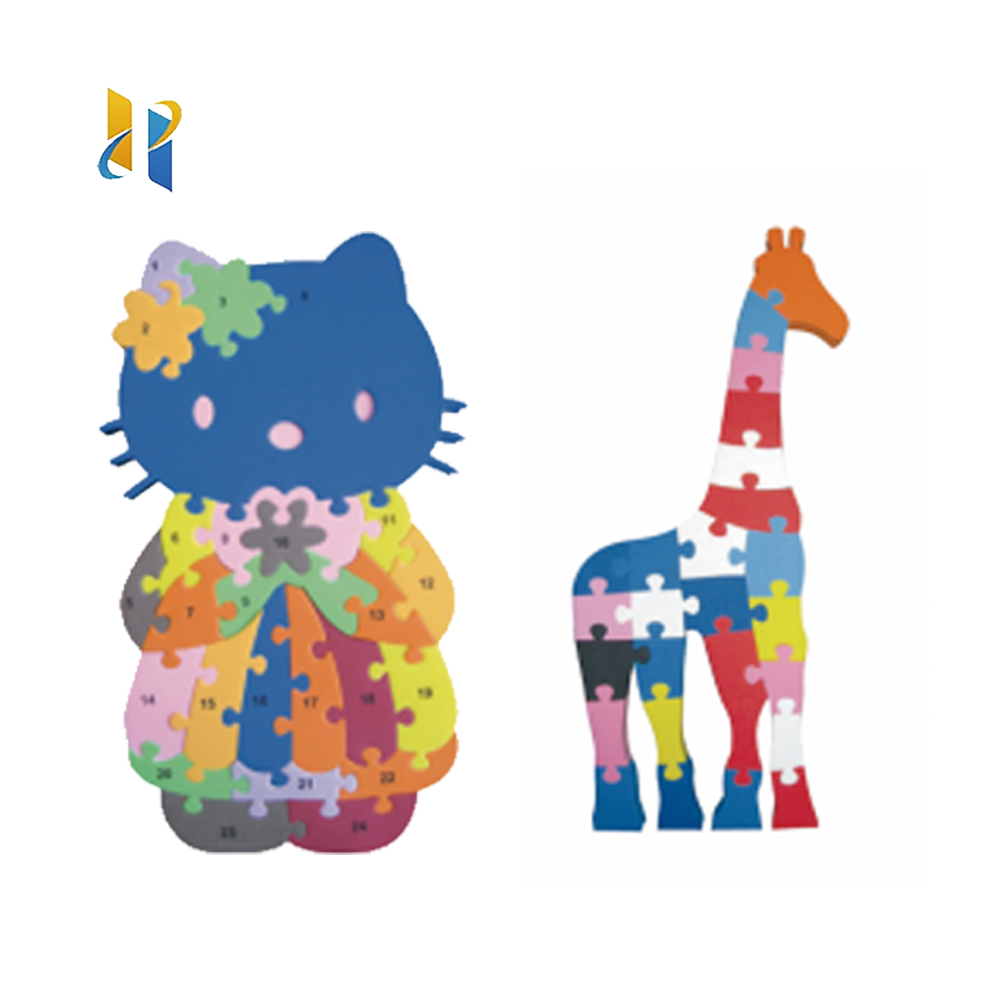
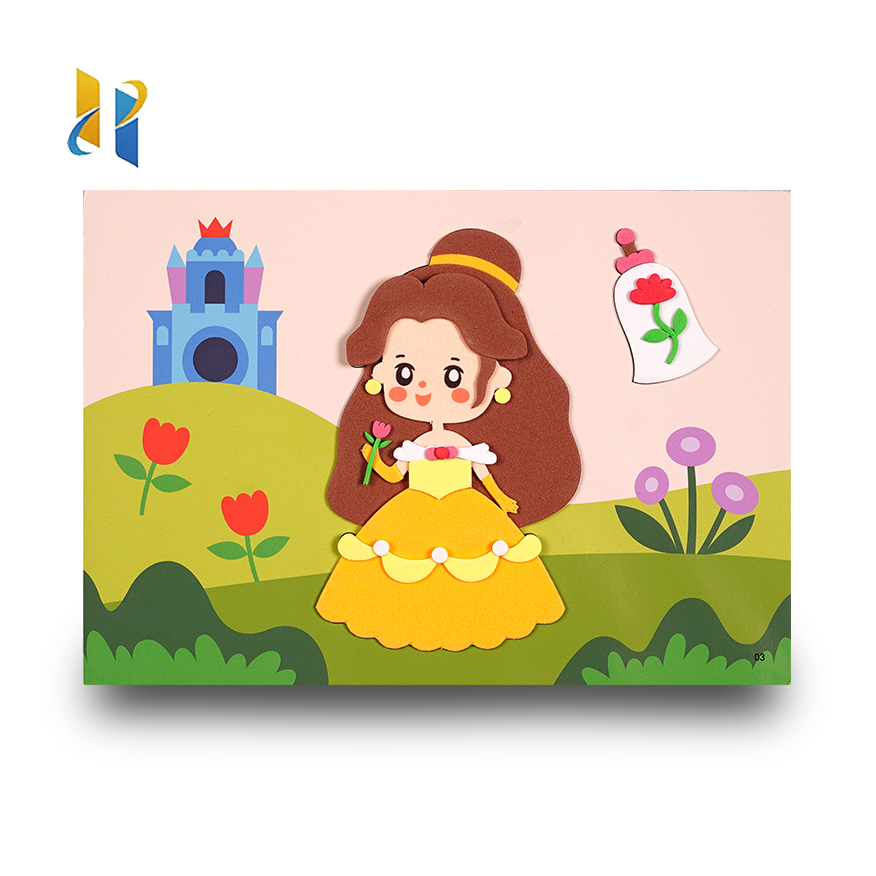
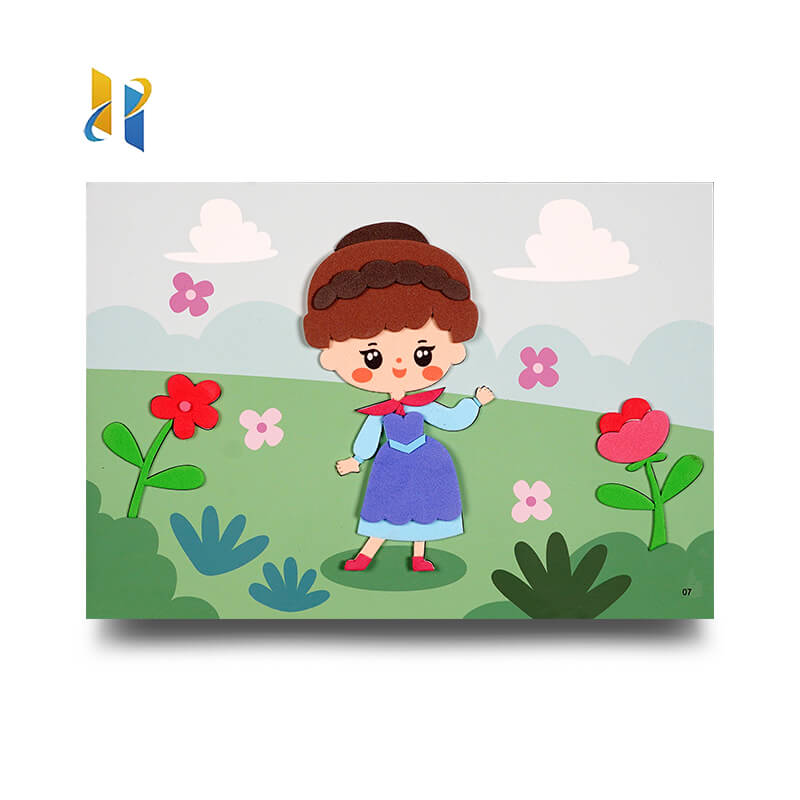
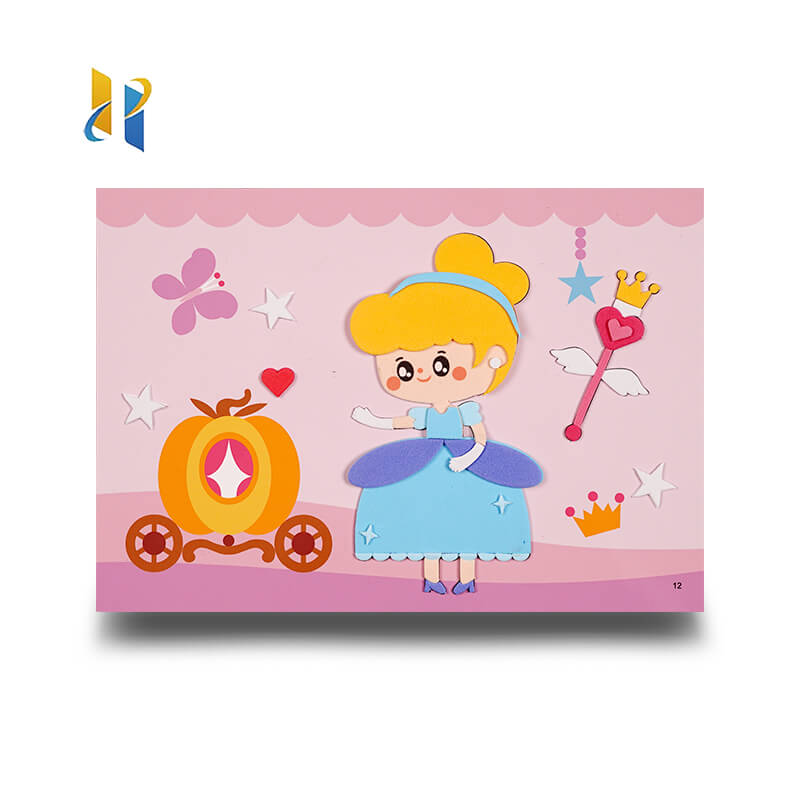
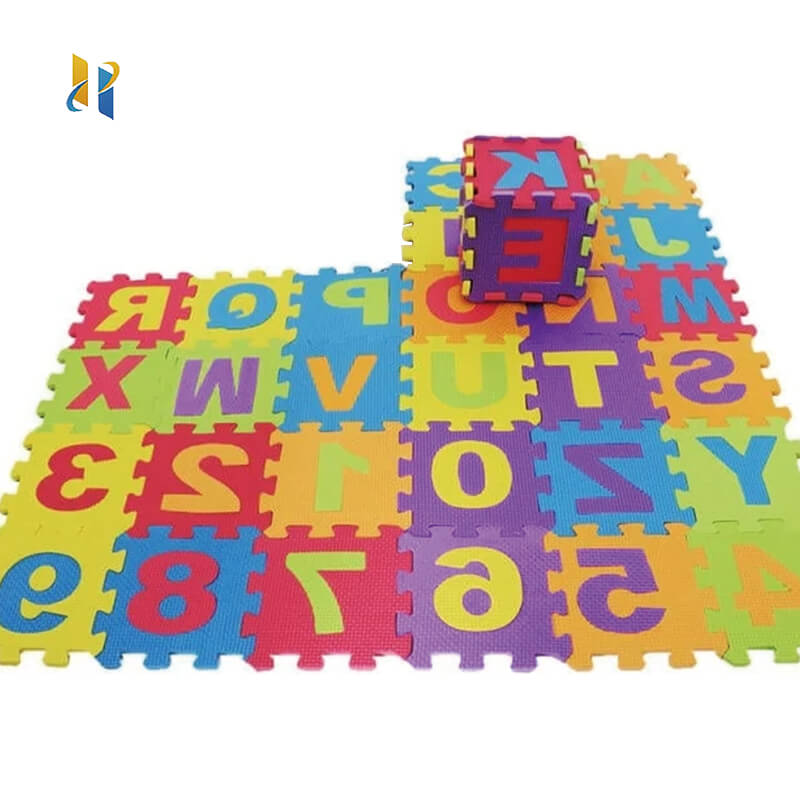
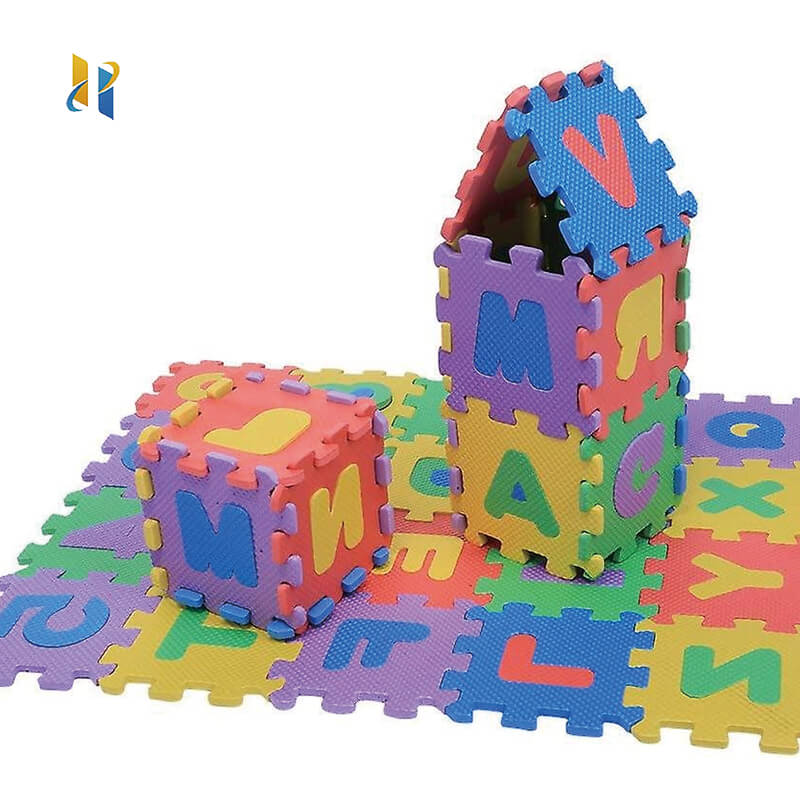
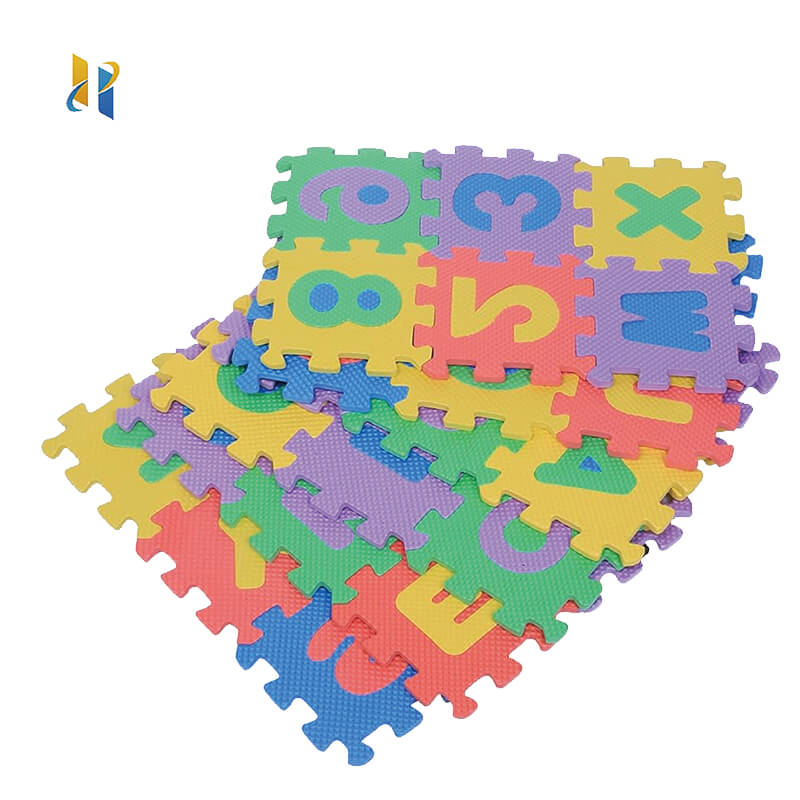
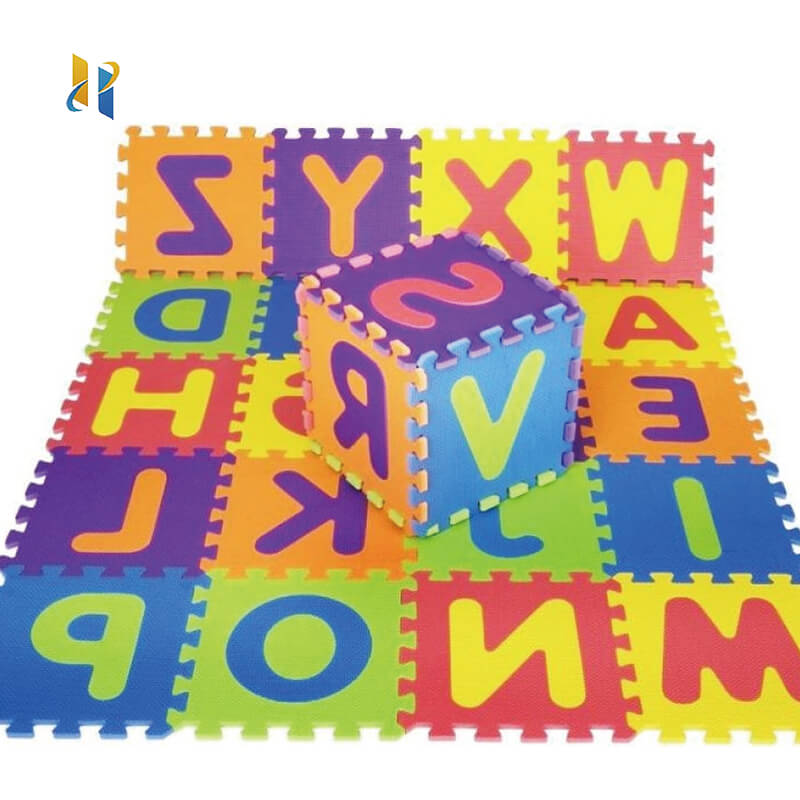
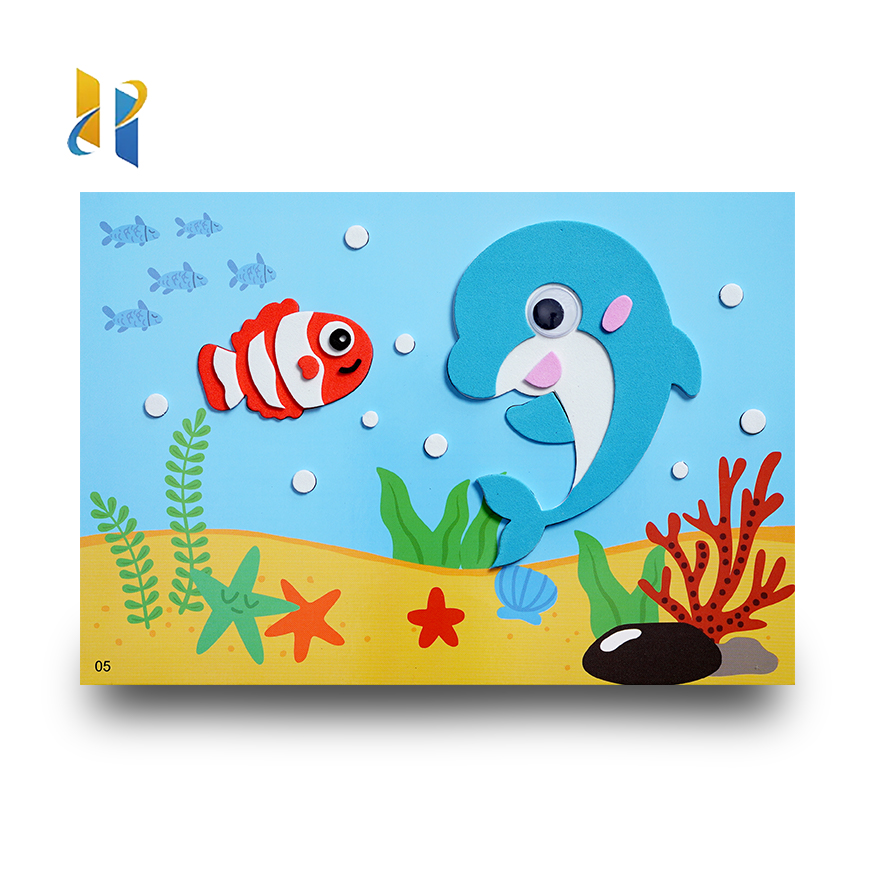
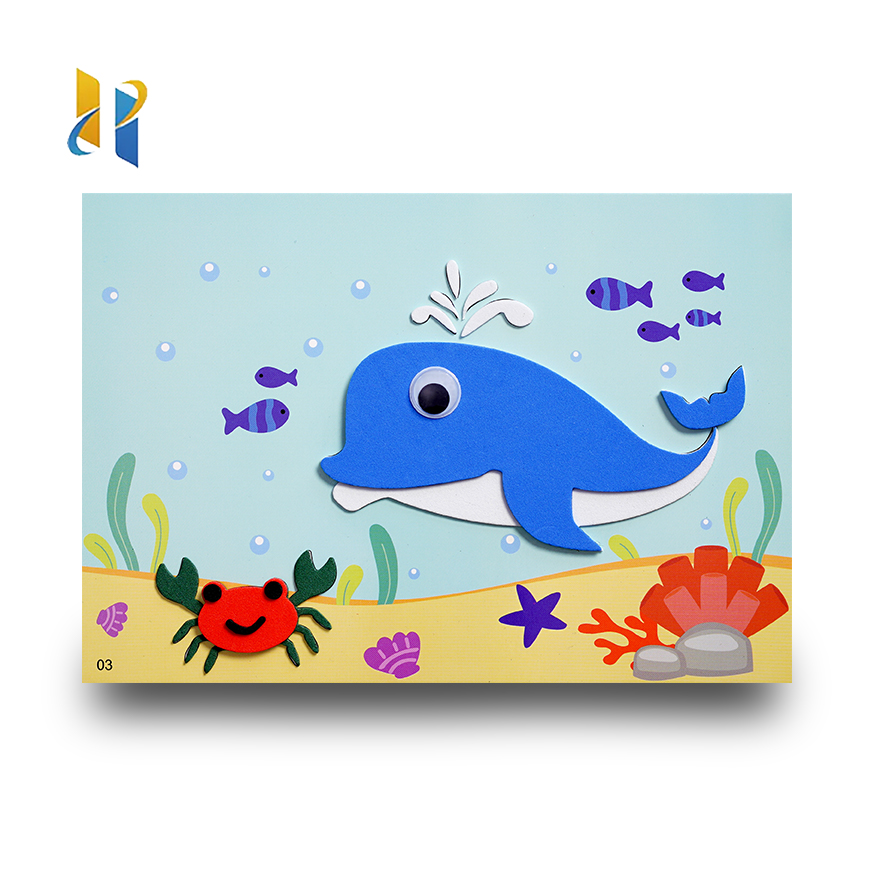
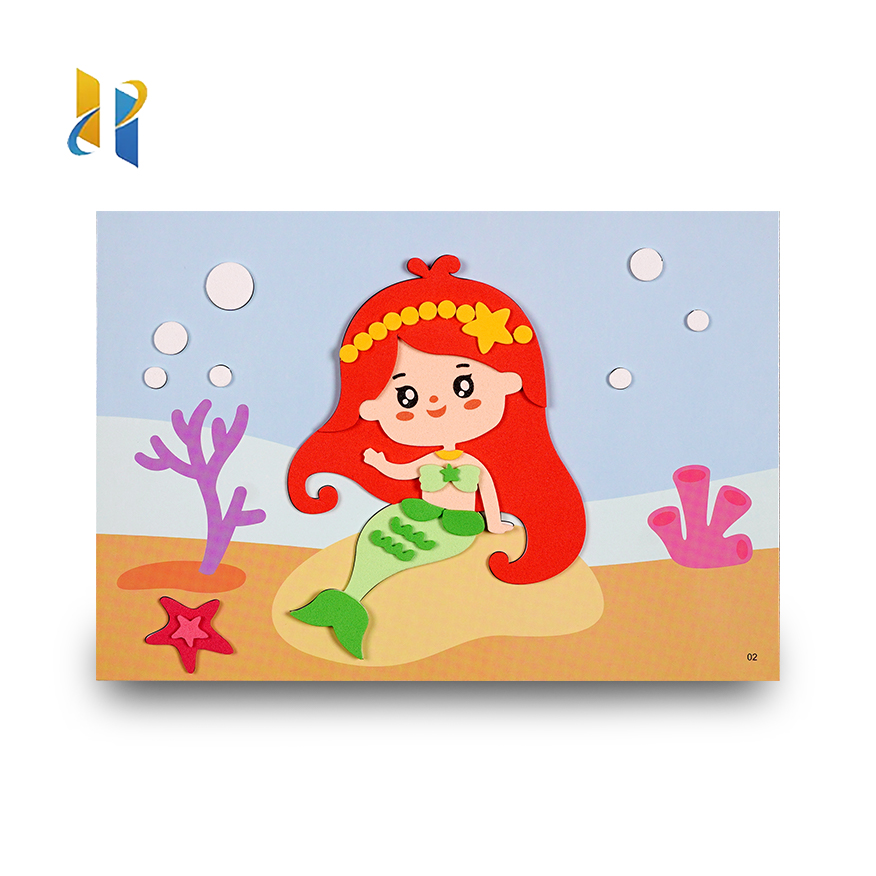
EVA foam, on the other hand, is a lightweight, flexible, and shock-absorbing material. It is commonly used in sports equipment, protective padding, and children's toys. EVA foam is also popular in the footwear industry for its cushioning properties and ease of molding.
EVA foam, on the other hand, is a lightweight, flexible, and shock-absorbing material. It is commonly used in sports equipment, protective padding, and children's toys. EVA foam is also popular in the footwear industry for its cushioning properties and ease of molding.
3. **Comparison:**
- **Durability:** TPU generally offers better durability and resistance to wear and tear compared to EVA foam.
- **Flexibility:** Both materials are flexible, but TPU can maintain its elasticity over a wider temperature range.
- **Cost:** EVA foam is typically more cost-effective than TPU, making it a popular choice for budget-conscious projects.
- **Environmental Impact:** TPU is more environmentally friendly as it is recyclable, whereas EVA foam is not as easily recycled.
- **Durability:** TPU generally offers better durability and resistance to wear and tear compared to EVA foam.
- **Flexibility:** Both materials are flexible, but TPU can maintain its elasticity over a wider temperature range.
- **Cost:** EVA foam is typically more cost-effective than TPU, making it a popular choice for budget-conscious projects.
- **Environmental Impact:** TPU is more environmentally friendly as it is recyclable, whereas EVA foam is not as easily recycled.
4. **Applications:**
- **TPU Applications:** TPU is ideal for products that require high durability and resistance, such as conveyor belts, hoses, and gaskets.
- **EVA Foam Applications:** EVA foam is perfect for applications where cushioning and lightweight properties are essential, like yoga mats and shoe soles.
- **TPU Applications:** TPU is ideal for products that require high durability and resistance, such as conveyor belts, hoses, and gaskets.
- **EVA Foam Applications:** EVA foam is perfect for applications where cushioning and lightweight properties are essential, like yoga mats and shoe soles.
Choosing between TPU and EVA foam depends on the specific requirements of your project. If durability and environmental considerations are paramount, TPU might be the better choice. However, if cost-effectiveness and cushioning are your primary concerns, EVA foam could be the way to go. Always consider the end-use of your product and the conditions it will face to make the most suitable material selection.
tool set with eva foam
types of eva foam
Related Article

20 Years of Manufacturing Excellence Delivering Superior EVA Foam for Diverse Industries
Excellent Black & White EVA Materials Now in Production – Visit Our Factory for Unbeatable Quality & Value!