types of eva foam
2024-05-22
Types of EVA Foam: Discovering the Diversity and Applications of This Versatile Material
EVA foam, or Ethylene-Vinyl Acetate foam, is a material known for its flexibility, durability, and wide range of applications. However, within the realm of EVA foam, there are various types, each with unique properties that cater to specific needs and projects. In this article, we will explore the different types of EVA foam, their characteristics, and how they can be utilized to achieve the best results in various industries, from cosplay to sports and beyond.
1. Understanding EVA Foam Varieties:
EVA foam comes in different densities and formulations, which determine its texture, flexibility, and strength. Understanding these variations is key to selecting the right type for your project.
EVA foam comes in different densities and formulations, which determine its texture, flexibility, and strength. Understanding these variations is key to selecting the right type for your project.
2. Common Types of EVA Foam:
- Low-Density EVA Foam: This type is softer and more flexible, making it ideal for applications that require cushioning and comfort, such as yoga mats and shoe insoles.
- High-Density EVA Foam: With a firmer texture, high-density EVA foam is excellent for creating sturdy structures like armor pieces in cosplay or protective padding in sports gear.
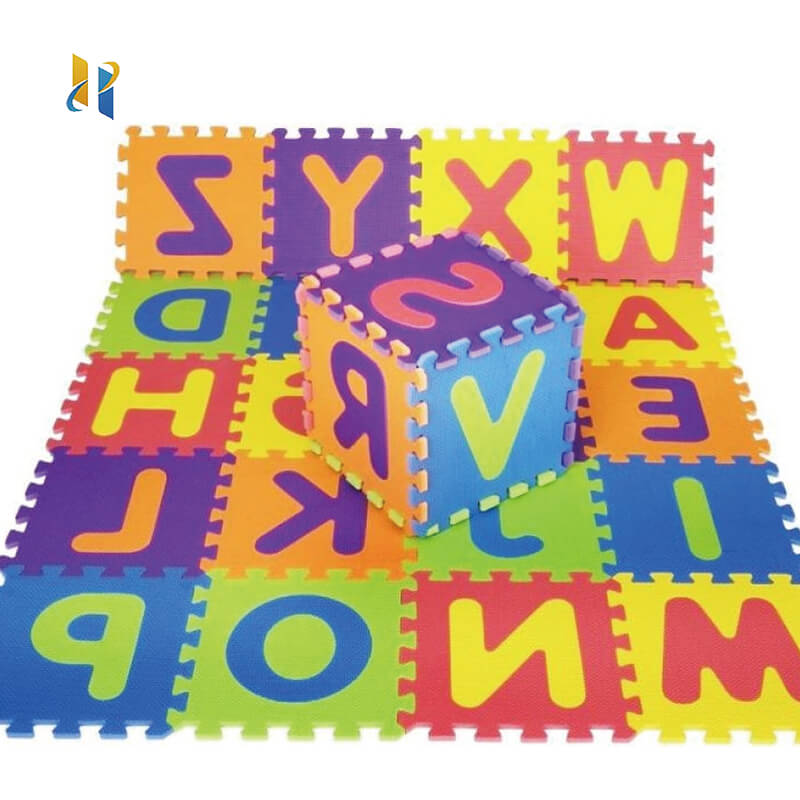
- Cross-Linked EVA Foam: This type has enhanced durability and resistance to deformation, making it suitable for heavy-duty applications like industrial mats and flooring.
- Waterproof EVA Foam: Specially treated to repel water, this type is perfect for outdoor use, marine applications, and products that may be exposed to moisture.
- Low-Density EVA Foam: This type is softer and more flexible, making it ideal for applications that require cushioning and comfort, such as yoga mats and shoe insoles.
- High-Density EVA Foam: With a firmer texture, high-density EVA foam is excellent for creating sturdy structures like armor pieces in cosplay or protective padding in sports gear.
- Cross-Linked EVA Foam: This type has enhanced durability and resistance to deformation, making it suitable for heavy-duty applications like industrial mats and flooring.
- Waterproof EVA Foam: Specially treated to repel water, this type is perfect for outdoor use, marine applications, and products that may be exposed to moisture.
3. Applications of Different EVA Foam Types:
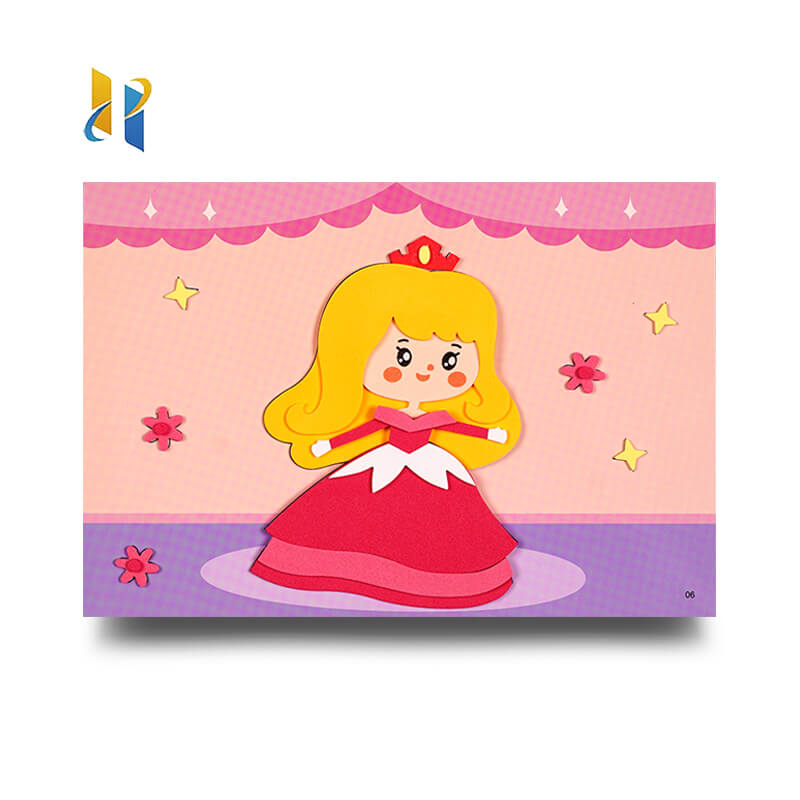
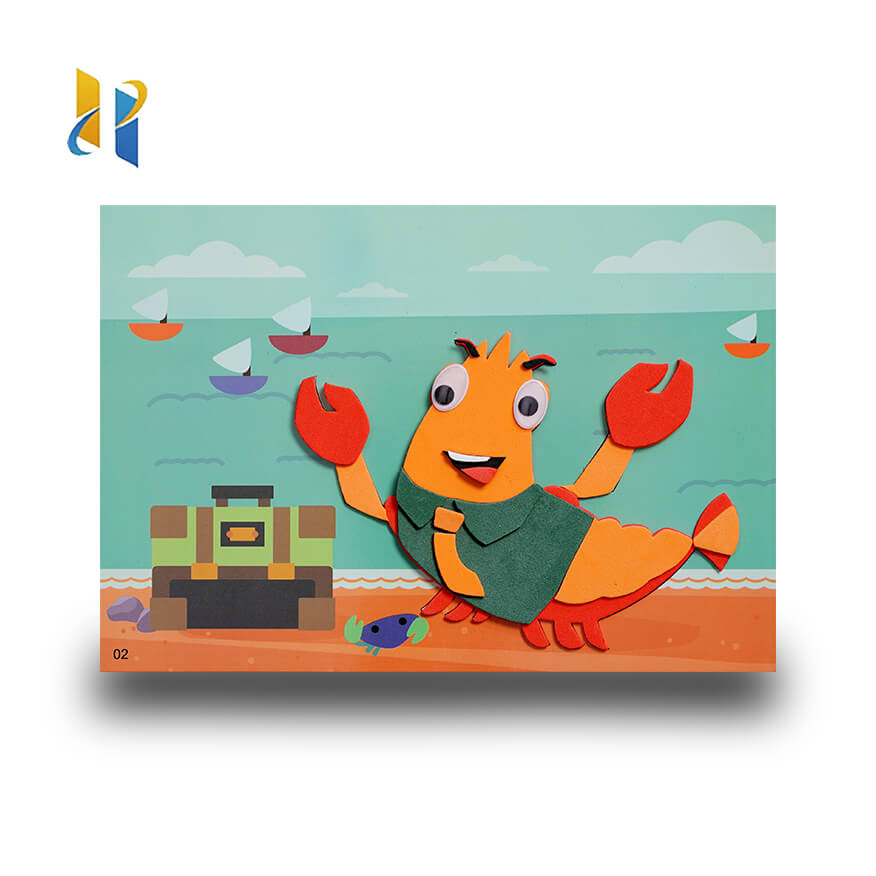
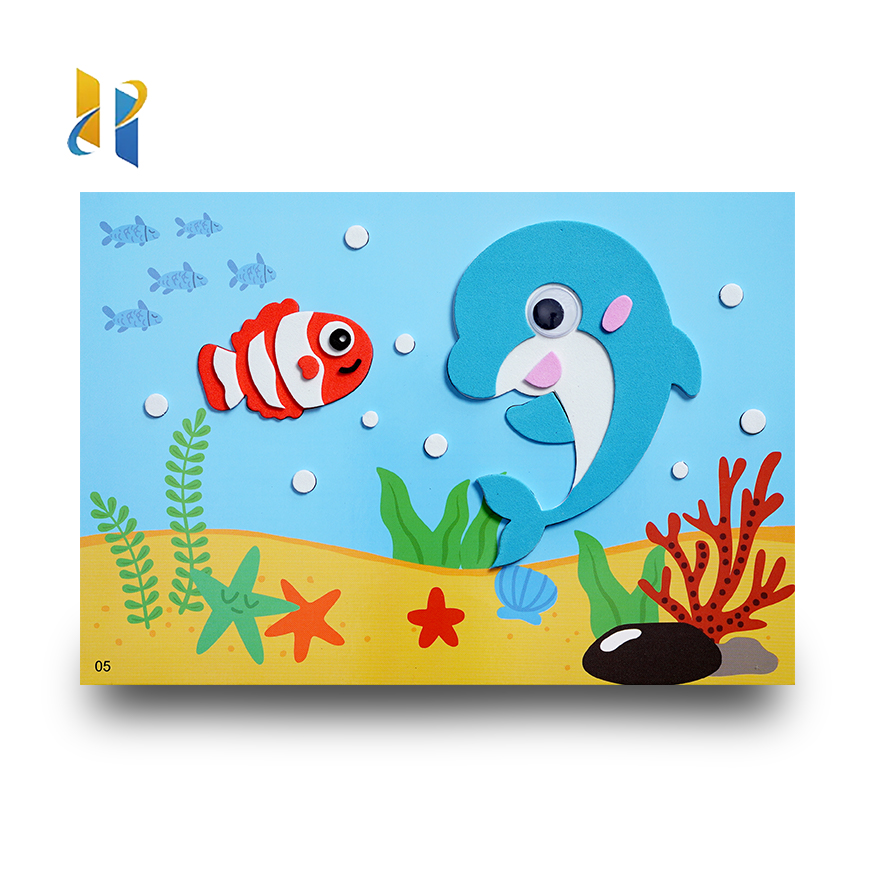
- Cosplay and Costuming: High-density EVA foam is favored for creating detailed armor and props, while low-density foam can be used for softer accessories and padding.
- Sports and Fitness: Low-density EVA foam is commonly used for yoga mats and exercise equipment, providing comfort and support during workouts.
- Industrial and Commercial: Cross-linked EVA foam is utilized in heavy-duty mats and flooring, offering long-lasting durability in high-traffic areas.
- Marine and Outdoor: Waterproof EVA foam is ideal for boat flooring, flotation devices, and outdoor gear that needs to withstand water exposure.
- Cosplay and Costuming: High-density EVA foam is favored for creating detailed armor and props, while low-density foam can be used for softer accessories and padding.
- Sports and Fitness: Low-density EVA foam is commonly used for yoga mats and exercise equipment, providing comfort and support during workouts.
- Industrial and Commercial: Cross-linked EVA foam is utilized in heavy-duty mats and flooring, offering long-lasting durability in high-traffic areas.
- Marine and Outdoor: Waterproof EVA foam is ideal for boat flooring, flotation devices, and outdoor gear that needs to withstand water exposure.
4. Tips for Selecting the Right EVA Foam Type:
- Assess the project's requirements in terms of flexibility, strength, and durability.
- Consider the environmental conditions the foam will be exposed to, such as moisture or UV rays.
- Think about the level of detail and finish required for the project.
- Assess the project's requirements in terms of flexibility, strength, and durability.
- Consider the environmental conditions the foam will be exposed to, such as moisture or UV rays.
- Think about the level of detail and finish required for the project.
The types of EVA foam available offer a spectrum of possibilities for various applications. Whether you're crafting a cosplay costume, designing sports equipment, or creating industrial flooring, understanding the different types of EVA foam can help you choose the best material for your needs. Each type brings its own set of benefits, from the softness of low-density foam to the robustness of cross-linked varieties. By selecting the right EVA foam type, you can ensure that your project not only looks great but also performs exceptionally well in its intended environment.
tpu vs eva foam
using eva foam
Related Article

20 Years of Manufacturing Excellence Delivering Superior EVA Foam for Diverse Industries
Excellent Black & White EVA Materials Now in Production – Visit Our Factory for Unbeatable Quality & Value!