what does eva foam stand for
2024-05-22
What Does EVA Foam Stand For? Unraveling the Acronym and Exploring the Material's Endless Possibilities
EVA foam is a term often heard in various industries, from crafting to sports, but what does EVA foam stand for? The acronym EVA stands for Ethylene-Vinyl Acetate, a copolymer that has become a cornerstone material for numerous applications due to its unique properties. In this article, we will not only decipher the meaning behind EVA foam but also delve into its characteristics, benefits, and the wide range of uses that have made it a popular choice across multiple sectors.
1. Decoding the Acronym:
EVA foam stands for Ethylene-Vinyl Acetate foam. Ethylene and Vinyl Acetate are the two monomers that are polymerized to create the copolymer known as EVA. The vinyl acetate content in the copolymer can vary, which affects the foam's flexibility, softness, and other physical properties.
EVA foam stands for Ethylene-Vinyl Acetate foam. Ethylene and Vinyl Acetate are the two monomers that are polymerized to create the copolymer known as EVA. The vinyl acetate content in the copolymer can vary, which affects the foam's flexibility, softness, and other physical properties.
2. Characteristics of EVA Foam:
- Flexibility: EVA foam is highly flexible, making it easy to work with and ideal for creating complex shapes and designs.
- Lightweight: Despite its durability, EVA foam is lightweight, which is beneficial for applications where weight is a concern, such as in cosplay costumes or sports equipment.
- Resilience: It has excellent shock-absorbing properties, which make it suitable for use in protective padding and cushioned surfaces.
- Water Resistance: EVA foam is resistant to water, making it a practical choice for outdoor use and products that may come into contact with moisture.
- Flexibility: EVA foam is highly flexible, making it easy to work with and ideal for creating complex shapes and designs.
- Lightweight: Despite its durability, EVA foam is lightweight, which is beneficial for applications where weight is a concern, such as in cosplay costumes or sports equipment.
- Resilience: It has excellent shock-absorbing properties, which make it suitable for use in protective padding and cushioned surfaces.
- Water Resistance: EVA foam is resistant to water, making it a practical choice for outdoor use and products that may come into contact with moisture.
3. Benefits of Using EVA Foam:
- Cost-Effective: EVA foam is relatively inexpensive, making it an accessible material for both small-scale projects and large-scale production.
- Safe: It is non-toxic and does not emit harmful fumes, which is important for products that are used in close proximity to the body or in enclosed spaces.
- Versatile: EVA foam can be used in a wide range of applications, from crafting and cosplay to industrial and commercial products.
- Cost-Effective: EVA foam is relatively inexpensive, making it an accessible material for both small-scale projects and large-scale production.
- Safe: It is non-toxic and does not emit harmful fumes, which is important for products that are used in close proximity to the body or in enclosed spaces.
- Versatile: EVA foam can be used in a wide range of applications, from crafting and cosplay to industrial and commercial products.
4. Applications of EVA Foam:
- Cosplay and Costuming: EVA foam is a favorite among cosplayers for creating armor, props, and accessories due to its ability to be molded into intricate shapes.
- Sports and Recreation: It is used in the manufacture of yoga mats, exercise equipment, and protective padding for sports gear.
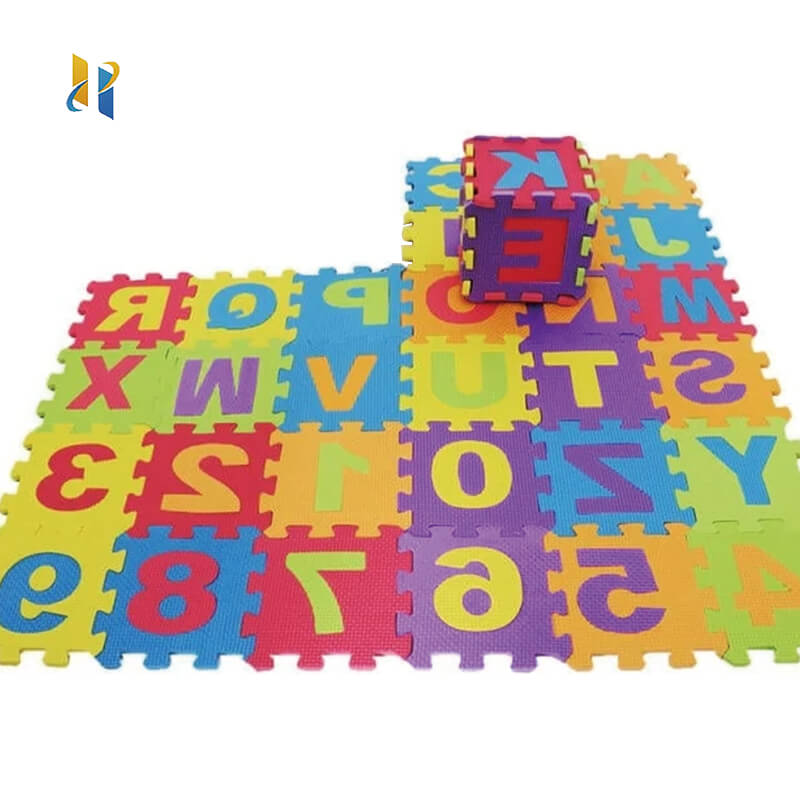
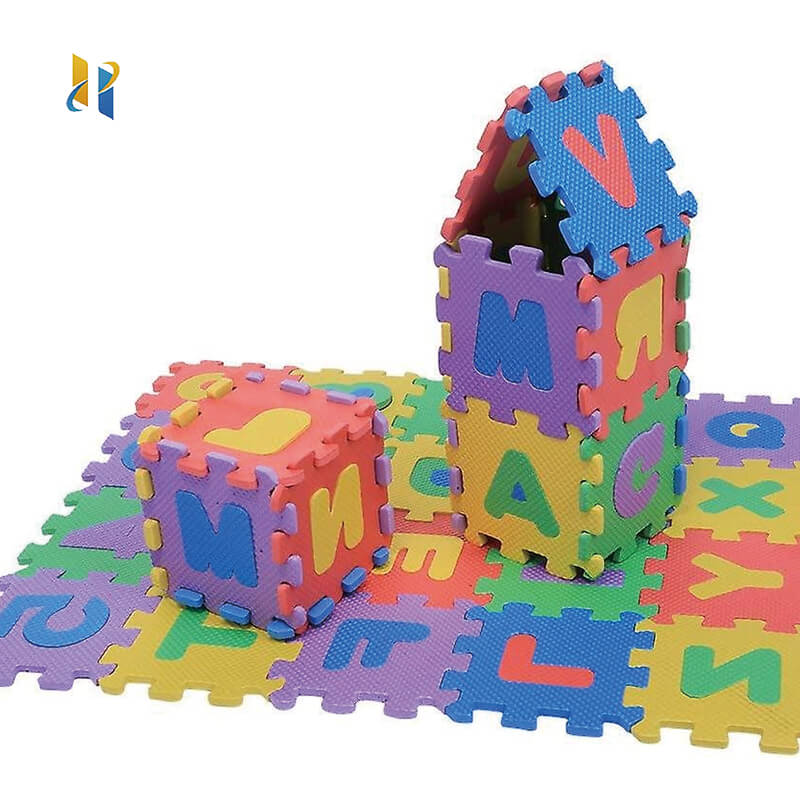
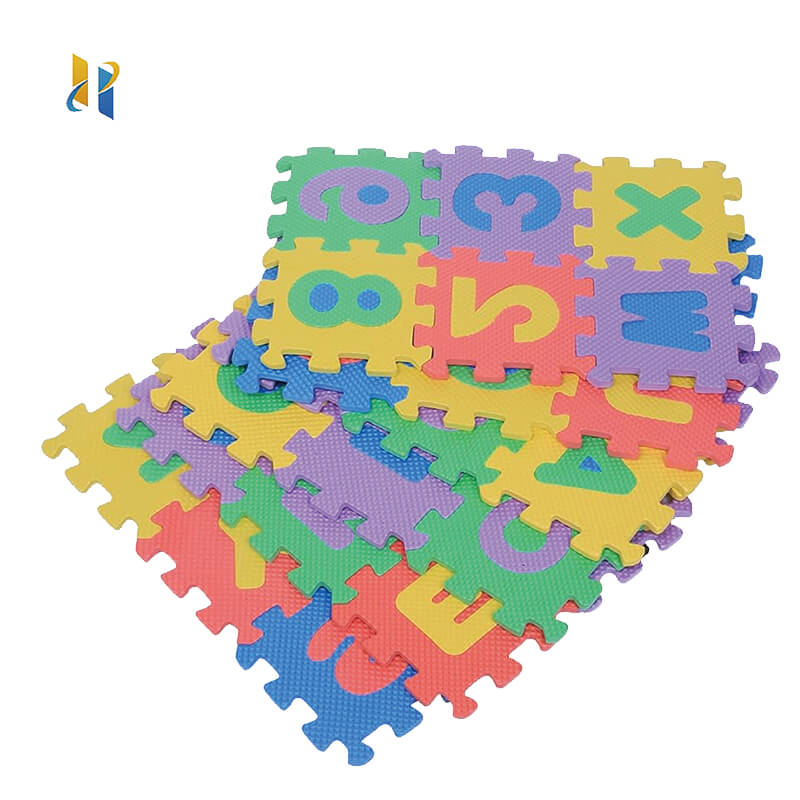
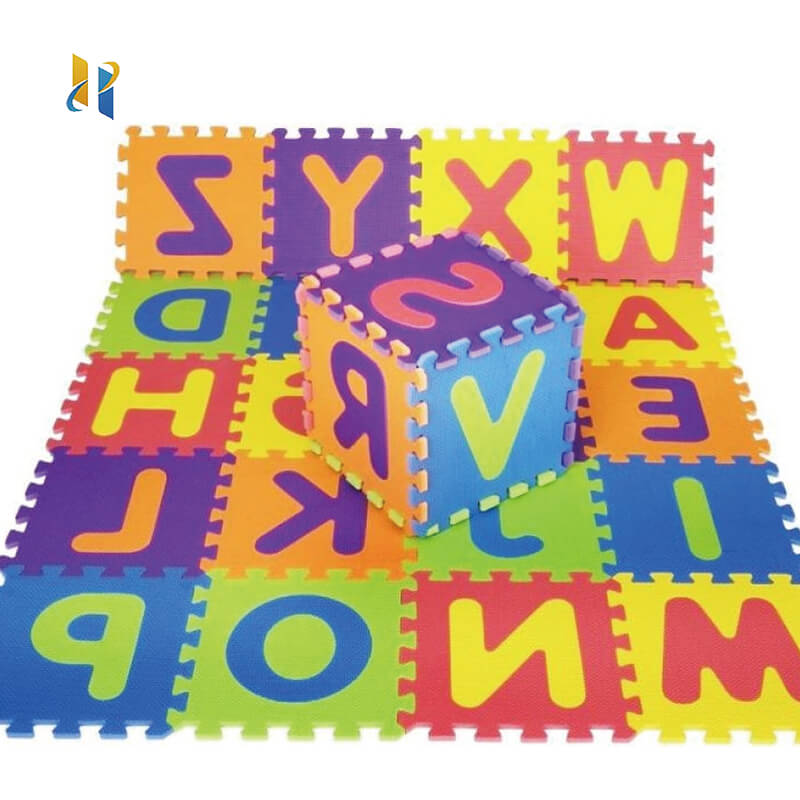
- Flooring: EVA foam tiles are popular for gyms, playrooms, and trade show booths because they provide cushioning and noise reduction.
- Packaging: Its shock-absorbing qualities make EVA foam an excellent choice for protective packaging in the shipping industry.
- Cosplay and Costuming: EVA foam is a favorite among cosplayers for creating armor, props, and accessories due to its ability to be molded into intricate shapes.
- Sports and Recreation: It is used in the manufacture of yoga mats, exercise equipment, and protective padding for sports gear.
- Flooring: EVA foam tiles are popular for gyms, playrooms, and trade show booths because they provide cushioning and noise reduction.
- Packaging: Its shock-absorbing qualities make EVA foam an excellent choice for protective packaging in the shipping industry.
5. Tips for Working with EVA Foam:
- Choose the right density for your project to ensure the best results.
- Use appropriate cutting tools, such as a hot knife, for clean and precise cuts.
- Seal the foam with a primer or paint to enhance its durability and appearance.
- Experiment with different adhesives to find the one that works best with your specific EVA foam type.
- Choose the right density for your project to ensure the best results.
- Use appropriate cutting tools, such as a hot knife, for clean and precise cuts.
- Seal the foam with a primer or paint to enhance its durability and appearance.
- Experiment with different adhesives to find the one that works best with your specific EVA foam type.
Understanding what EVA foam stands for—Ethylene-Vinyl Acetate—is just the beginning of appreciating this versatile material. Its unique blend of flexibility, durability, and cost-effectiveness has made it a go-to choice for a myriad of applications. Whether you're crafting a costume, designing sports equipment, or creating protective packaging, EVA foam offers the perfect balance of functionality and ease of use. Its widespread adoption across different industries is a testament to its reliability and the endless creative possibilities it presents.
waterproof eva foam
what is eva foam cosplay
Related Article

20 Years of Manufacturing Excellence Delivering Superior EVA Foam for Diverse Industries
Excellent Black & White EVA Materials Now in Production – Visit Our Factory for Unbeatable Quality & Value!