what is eva foam made out of
2024-05-22
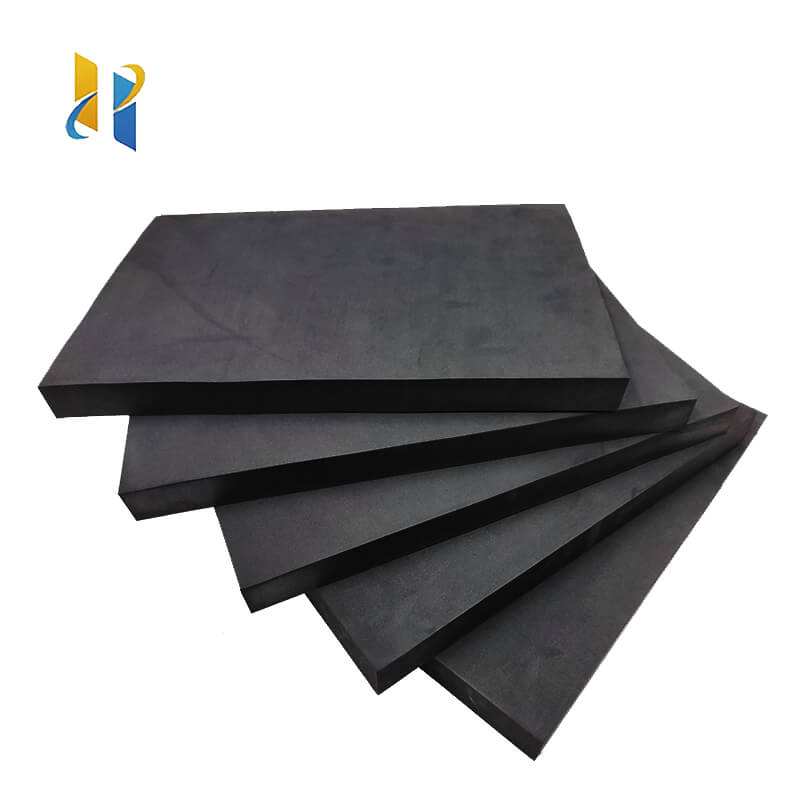
What is EVA Foam Made Out Of? Decoding the Composition and Benefits of This Popular Material
EVA foam, or Ethylene-Vinyl Acetate foam, is a widely used material known for its versatility and resilience. But what exactly is EVA foam made out of, and what makes it such a popular choice across various industries? In this article, we will explore the chemical composition of EVA foam, its manufacturing process, and the benefits that stem from its unique structure.
1. The Chemical Composition of EVA Foam:
EVA foam is a copolymer, meaning it is made by combining two different monomers: ethylene and vinyl acetate. The ratio of these components can vary, which affects the foam's properties such as flexibility, hardness, and resistance to environmental factors.
EVA foam is a copolymer, meaning it is made by combining two different monomers: ethylene and vinyl acetate. The ratio of these components can vary, which affects the foam's properties such as flexibility, hardness, and resistance to environmental factors.
2. How EVA Foam is Made:
- Polymerization: The process begins with the polymerization of ethylene and vinyl acetate in a reactor, where they form long chains of EVA copolymer.
- Foaming: The EVA copolymer is then mixed with a foaming agent and heated, causing the material to expand and form a foam structure.
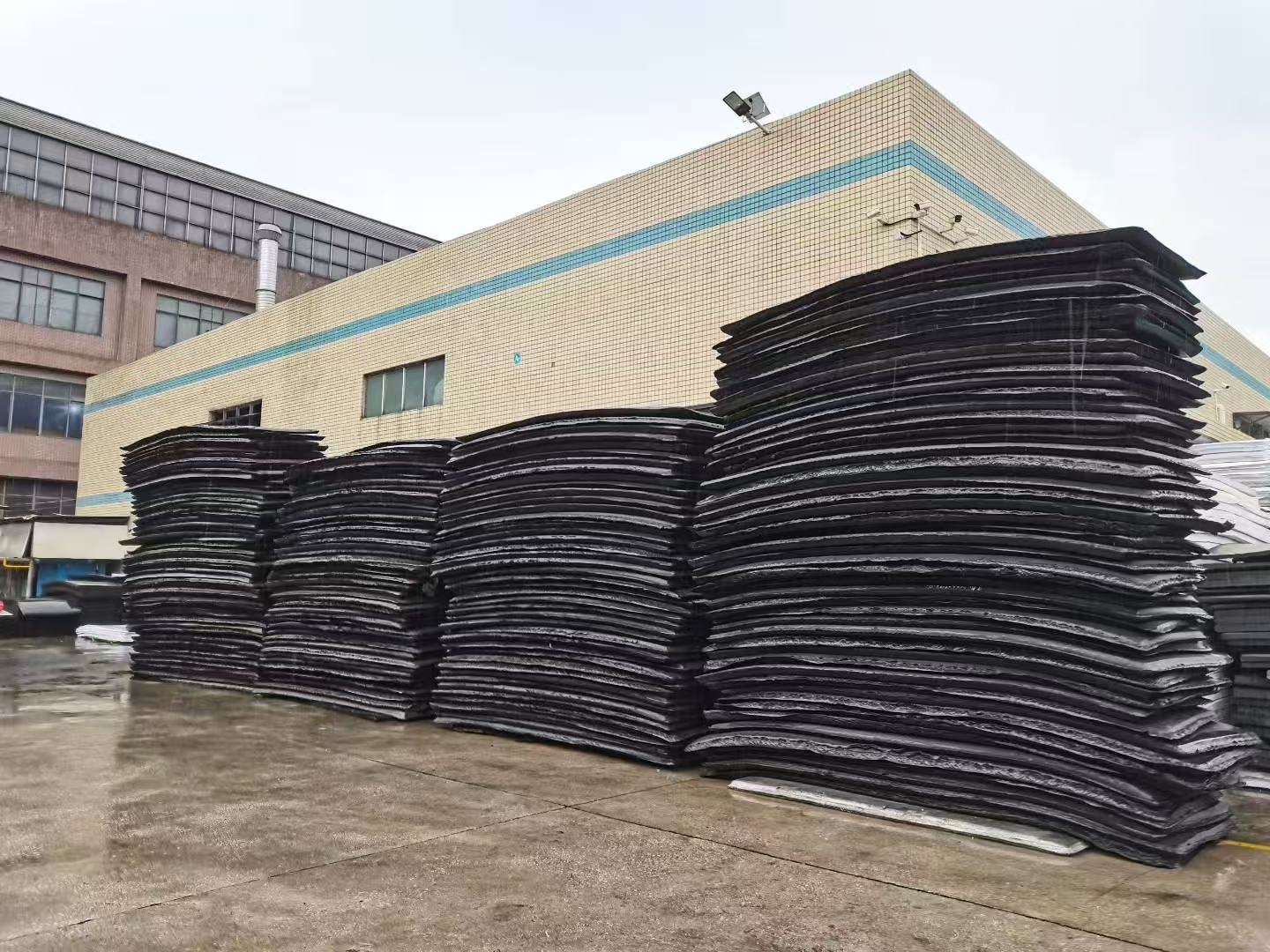
- Molding: The expanded foam is then molded into the desired shape or cut into sheets, depending on the intended application.
- Polymerization: The process begins with the polymerization of ethylene and vinyl acetate in a reactor, where they form long chains of EVA copolymer.
- Foaming: The EVA copolymer is then mixed with a foaming agent and heated, causing the material to expand and form a foam structure.
- Molding: The expanded foam is then molded into the desired shape or cut into sheets, depending on the intended application.
3. Benefits of EVA Foam:
- Lightweight: EVA foam is significantly lighter than many other materials, making it easy to handle and ideal for applications where weight is a concern.
- Flexible: It retains its flexibility over a wide range of temperatures, which is crucial for products that may be used in various climates.
- Durable: EVA foam is resistant to wear and tear, as well as to UV radiation and chemicals, ensuring longevity in its applications.
- Non-Toxic: It is a safe material that does not release harmful substances, making it suitable for products that come into direct contact with skin.
- Lightweight: EVA foam is significantly lighter than many other materials, making it easy to handle and ideal for applications where weight is a concern.
- Flexible: It retains its flexibility over a wide range of temperatures, which is crucial for products that may be used in various climates.
- Durable: EVA foam is resistant to wear and tear, as well as to UV radiation and chemicals, ensuring longevity in its applications.
- Non-Toxic: It is a safe material that does not release harmful substances, making it suitable for products that come into direct contact with skin.
4. Applications of EVA Foam:
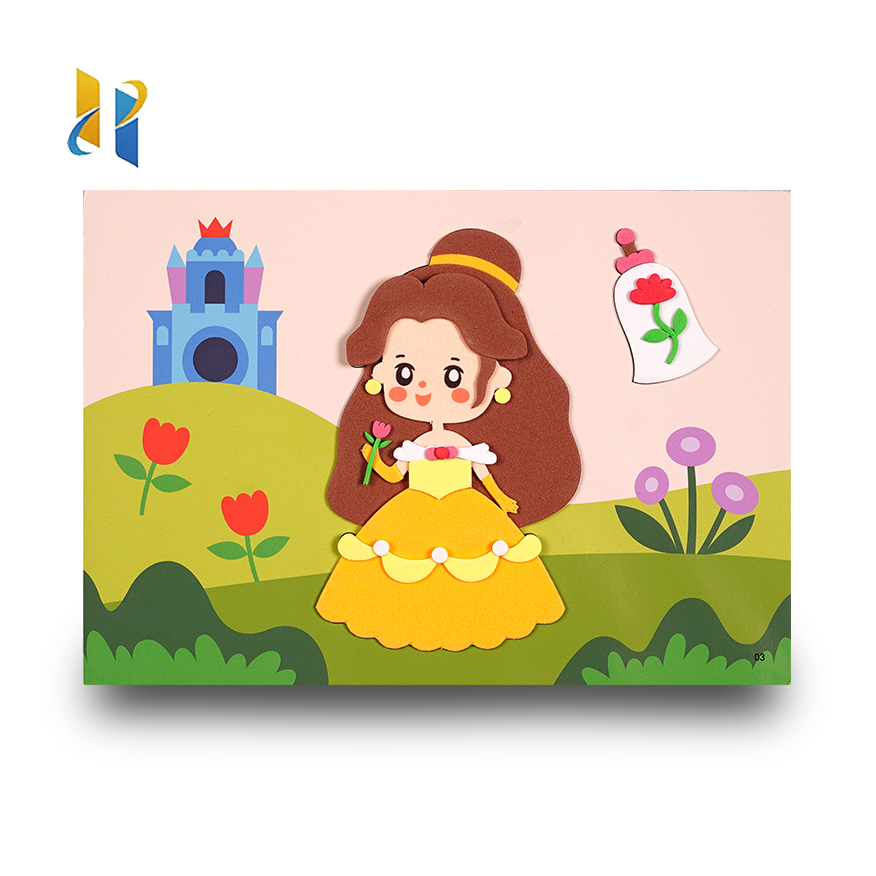
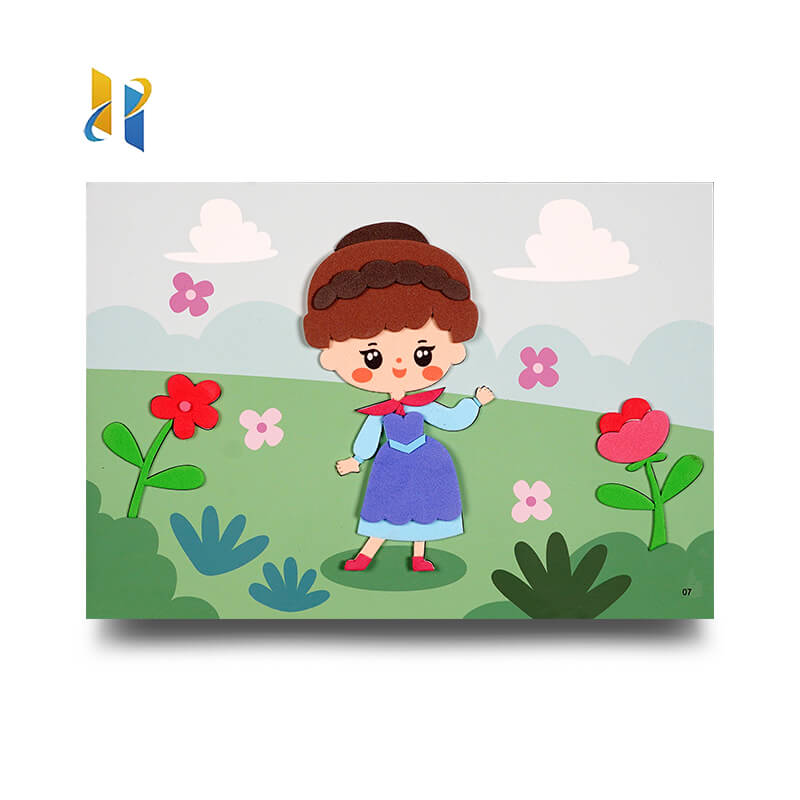
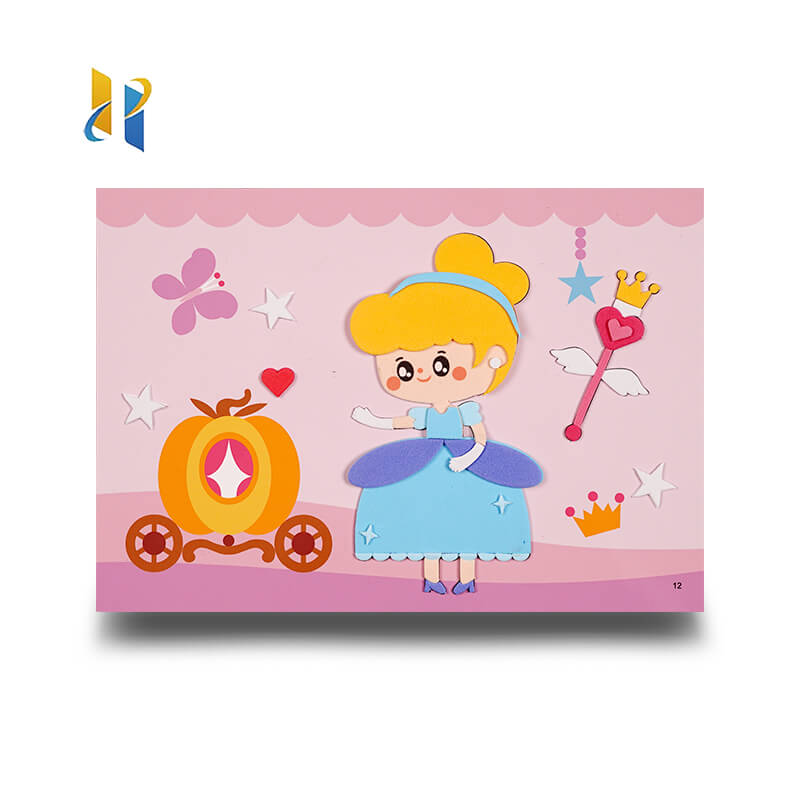
- Cosplay and Props: EVA foam's ability to be easily shaped and painted makes it a favorite for creating detailed costumes and props.
- Sports Equipment: Its cushioning and shock-absorbing properties are ideal for use in sports mats, helmets, and protective padding.
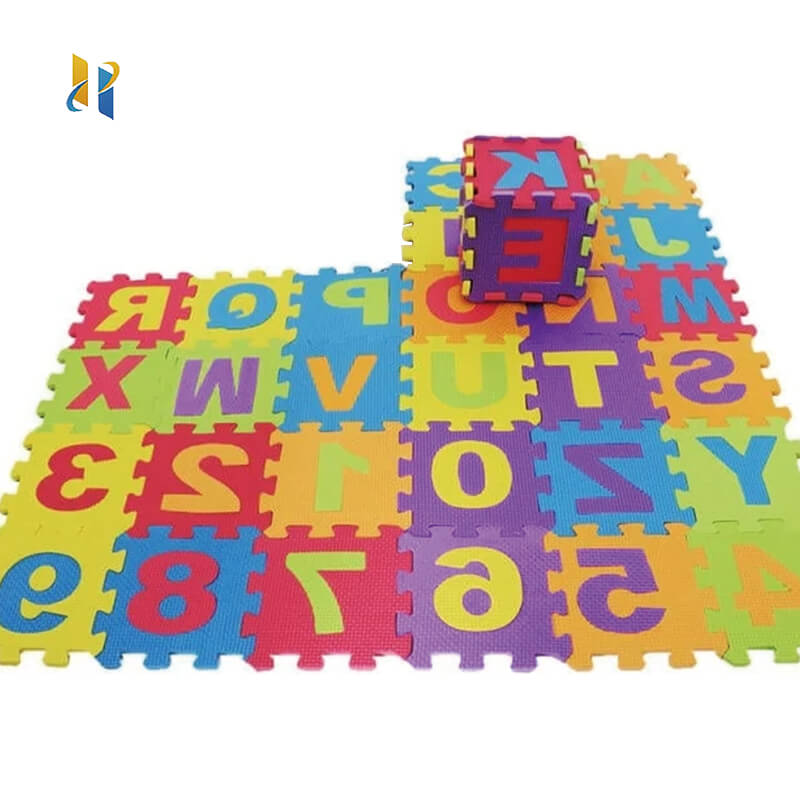
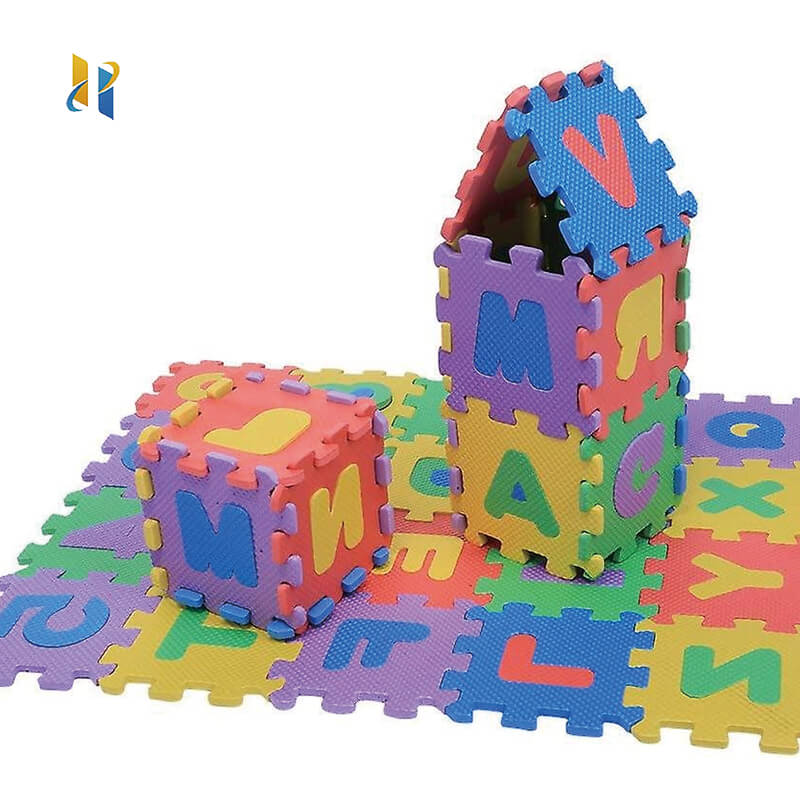
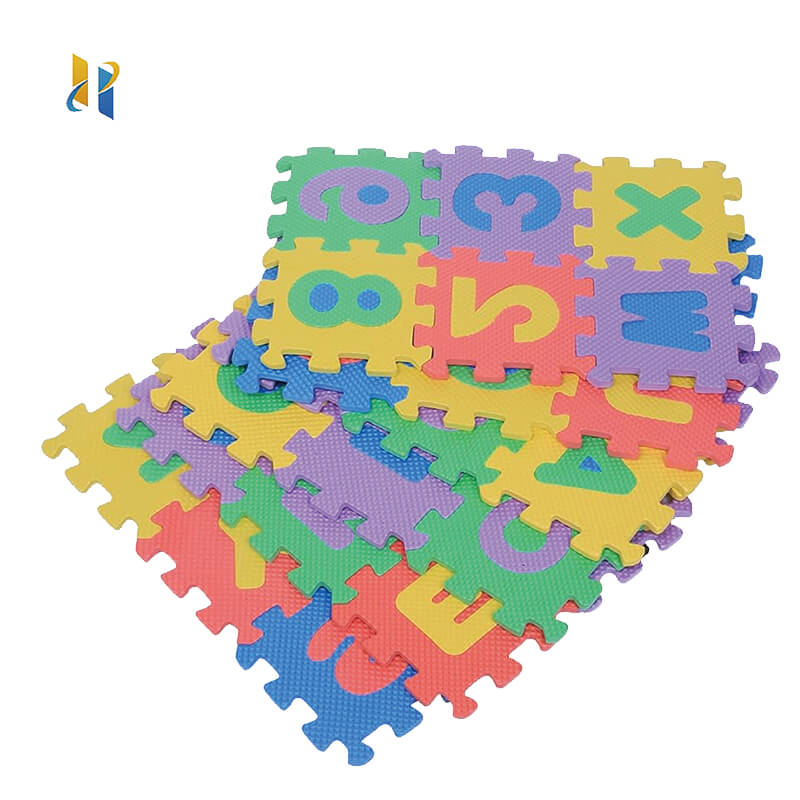
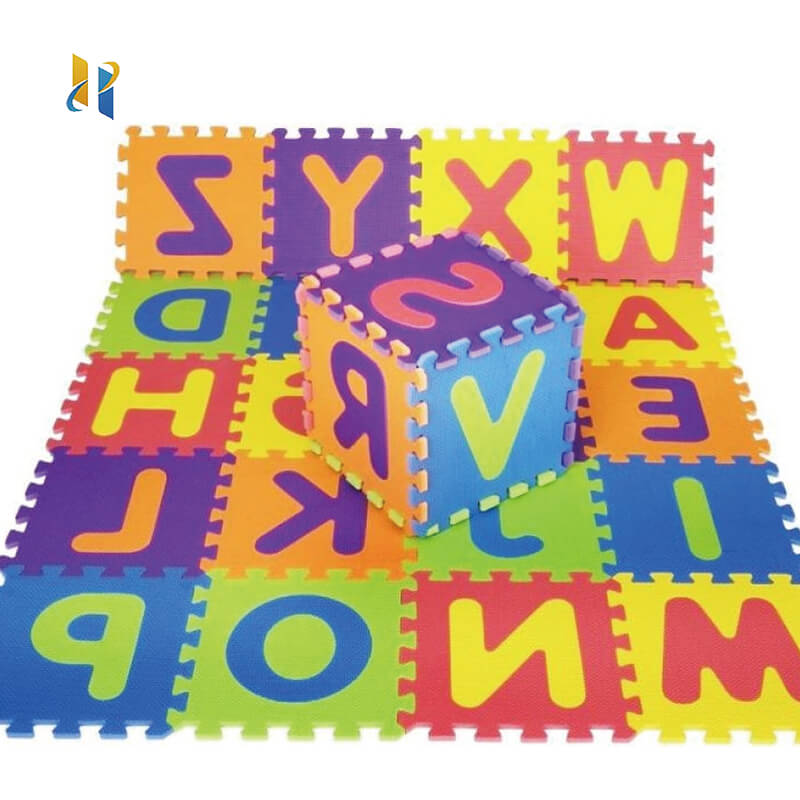
- Flooring: EVA foam tiles are popular for gyms and play areas due to their comfort, durability, and sound-dampening qualities.
- Packaging: The material's shock resistance makes it an excellent choice for protecting fragile items during transport.
- Cosplay and Props: EVA foam's ability to be easily shaped and painted makes it a favorite for creating detailed costumes and props.
- Sports Equipment: Its cushioning and shock-absorbing properties are ideal for use in sports mats, helmets, and protective padding.
- Flooring: EVA foam tiles are popular for gyms and play areas due to their comfort, durability, and sound-dampening qualities.
- Packaging: The material's shock resistance makes it an excellent choice for protecting fragile items during transport.
5. Tips for Working with EVA Foam:
- Use a hot knife or sharp blade for clean cuts and a heat gun for bending and shaping the foam.
- Seal the foam with a primer to prevent paint from soaking in and to enhance the final appearance.
- Choose the right adhesive, such as contact cement, for strong and reliable bonds.
- Use a hot knife or sharp blade for clean cuts and a heat gun for bending and shaping the foam.
- Seal the foam with a primer to prevent paint from soaking in and to enhance the final appearance.
- Choose the right adhesive, such as contact cement, for strong and reliable bonds.
EVA foam's composition of ethylene and vinyl acetate monomers results in a material that is both versatile and durable. Its lightweight nature, flexibility, and resistance to environmental factors make it a preferred choice for a wide range of applications. Whether it's for crafting intricate costumes, providing comfort in sports, or ensuring the safety of delicate goods, EVA foam's unique properties continue to make it an indispensable material in various industries. Understanding its composition and manufacturing process allows us to appreciate the innovation behind this popular polymer and its impact on modern-day products and projects.
paint for eva foam
what is eva foam cosplay
what is eva foam material
Related Article

20 Years of Manufacturing Excellence Delivering Superior EVA Foam for Diverse Industries
Excellent Black & White EVA Materials Now in Production – Visit Our Factory for Unbeatable Quality & Value!