what is eva foam material
2024-05-22
What is EVA Foam Material? Exploring the Properties and Applications of This Innovative Polymer
EVA foam material, or Ethylene-Vinyl Acetate foam, is a polymer that has revolutionized the way we approach various tasks and projects. Renowned for its flexibility, durability, and lightweight nature, EVA foam has become a staple in industries ranging from entertainment to manufacturing. In this article, we will explore the unique properties of EVA foam material and how it is utilized across different sectors to enhance functionality and creativity.
1. Understanding EVA Foam Material:
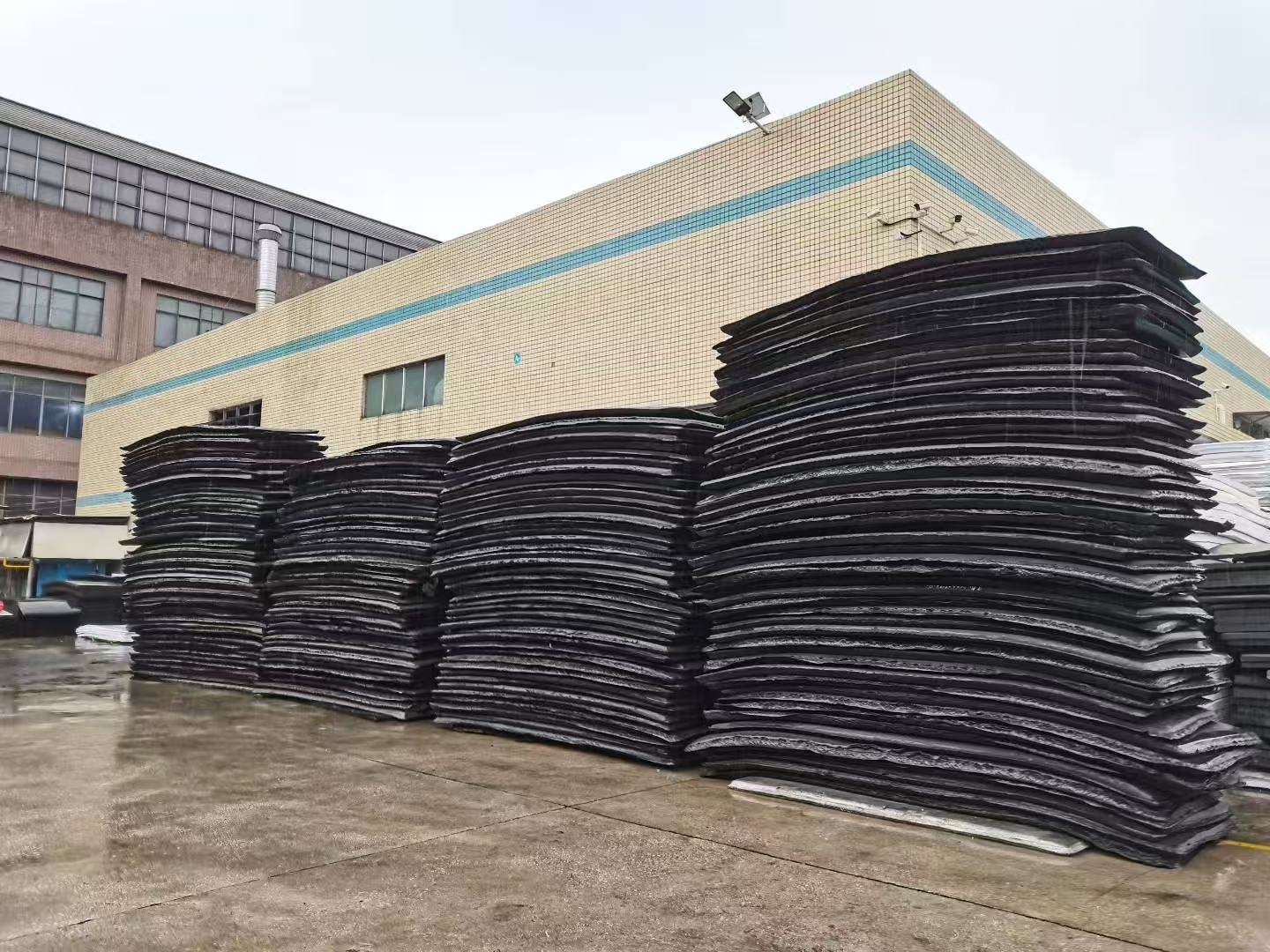
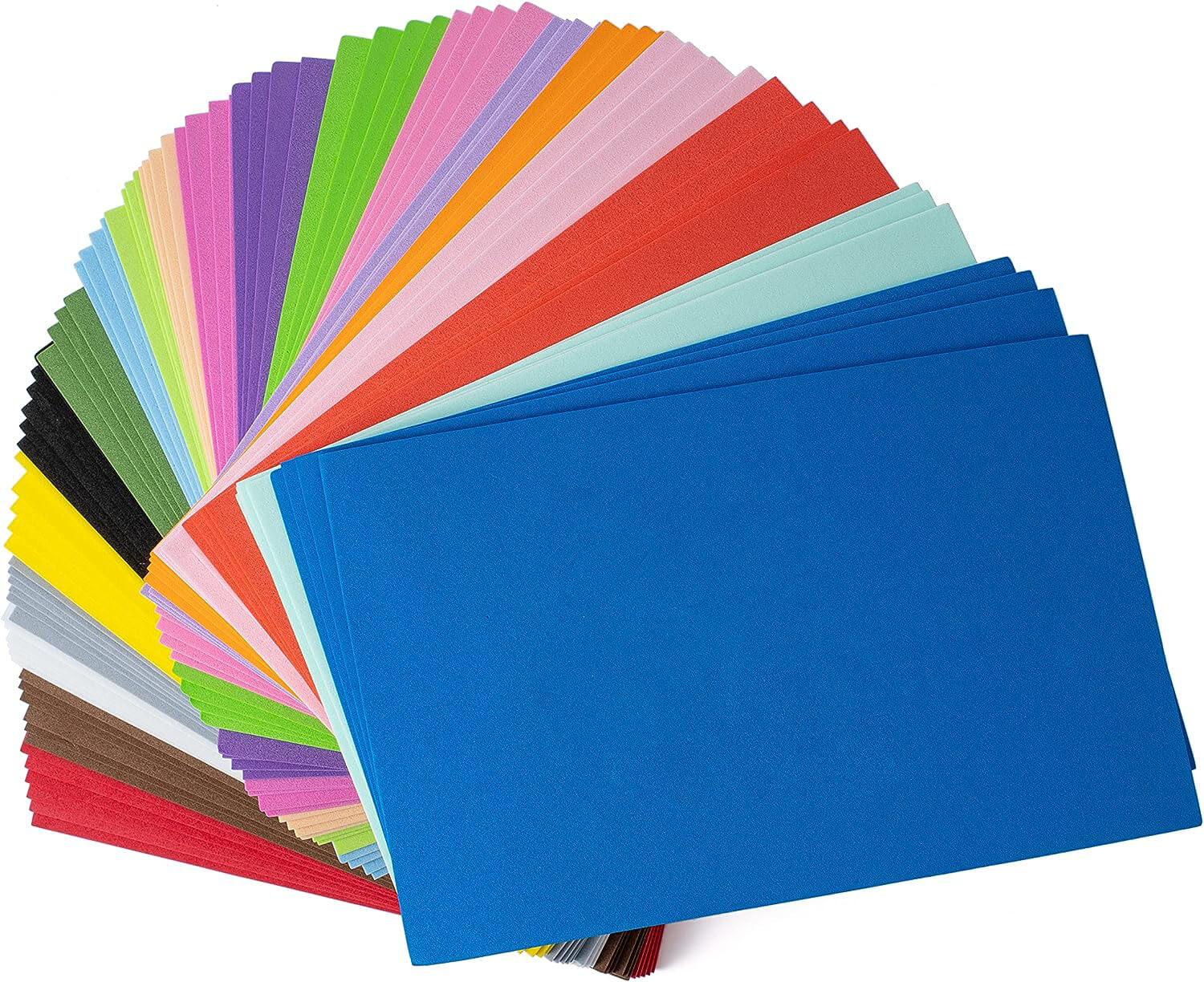
EVA foam is a copolymer made from ethylene and vinyl acetate. The material is characterized by its closed-cell structure, which gives it buoyancy and makes it resistant to water and chemicals. EVA foam is available in various densities, allowing for a range of textures and firmness levels to suit specific needs.
EVA foam is a copolymer made from ethylene and vinyl acetate. The material is characterized by its closed-cell structure, which gives it buoyancy and makes it resistant to water and chemicals. EVA foam is available in various densities, allowing for a range of textures and firmness levels to suit specific needs.
2. Key Properties of EVA Foam:
- Flexibility: EVA foam maintains its flexibility over a wide temperature range, making it suitable for use in various climates.
- Lightweight: Its low density ensures that EVA foam is easy to handle and transport, without compromising on strength.
- Resilience: EVA foam has excellent shock-absorbing properties, which make it ideal for applications where cushioning is required.
- Non-Toxic: It is a safe material that is free from harmful substances, making it suitable for products that come into contact with skin, such as toys and protective gear.
- Flexibility: EVA foam maintains its flexibility over a wide temperature range, making it suitable for use in various climates.
- Lightweight: Its low density ensures that EVA foam is easy to handle and transport, without compromising on strength.
- Resilience: EVA foam has excellent shock-absorbing properties, which make it ideal for applications where cushioning is required.
- Non-Toxic: It is a safe material that is free from harmful substances, making it suitable for products that come into contact with skin, such as toys and protective gear.
3. Applications of EVA Foam Material:
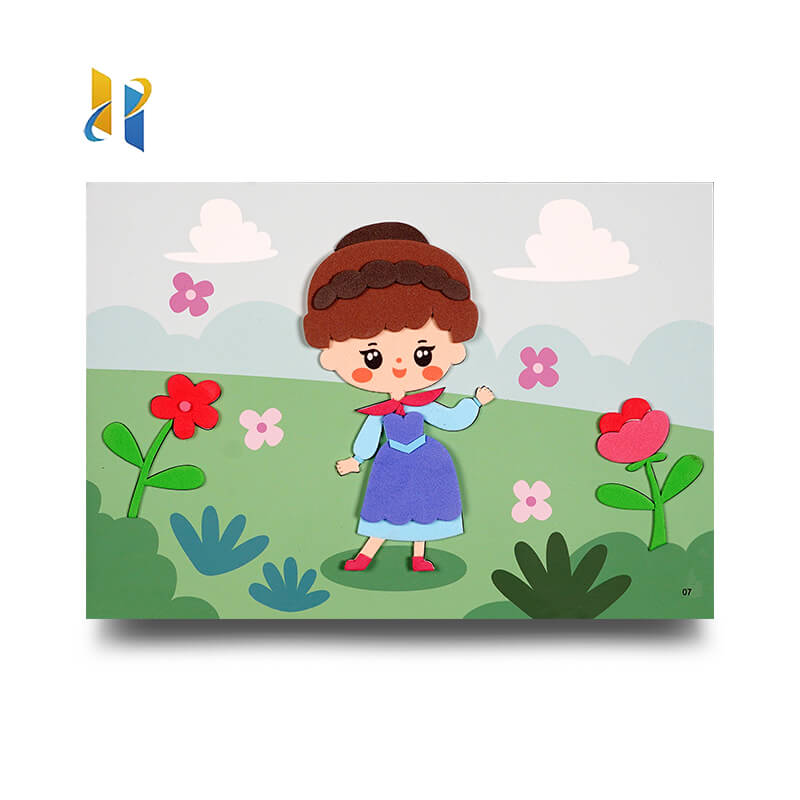
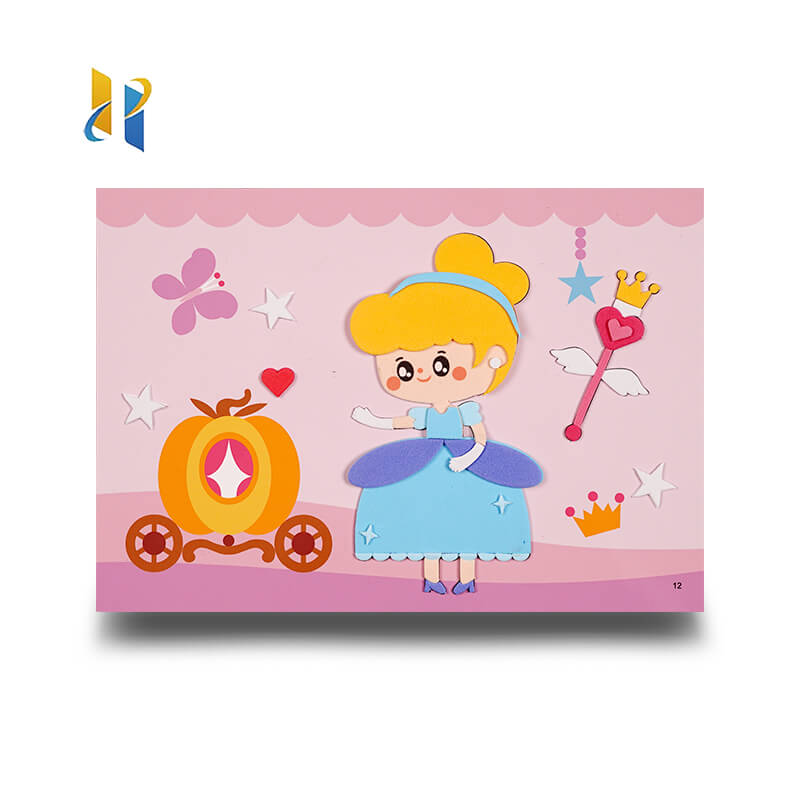
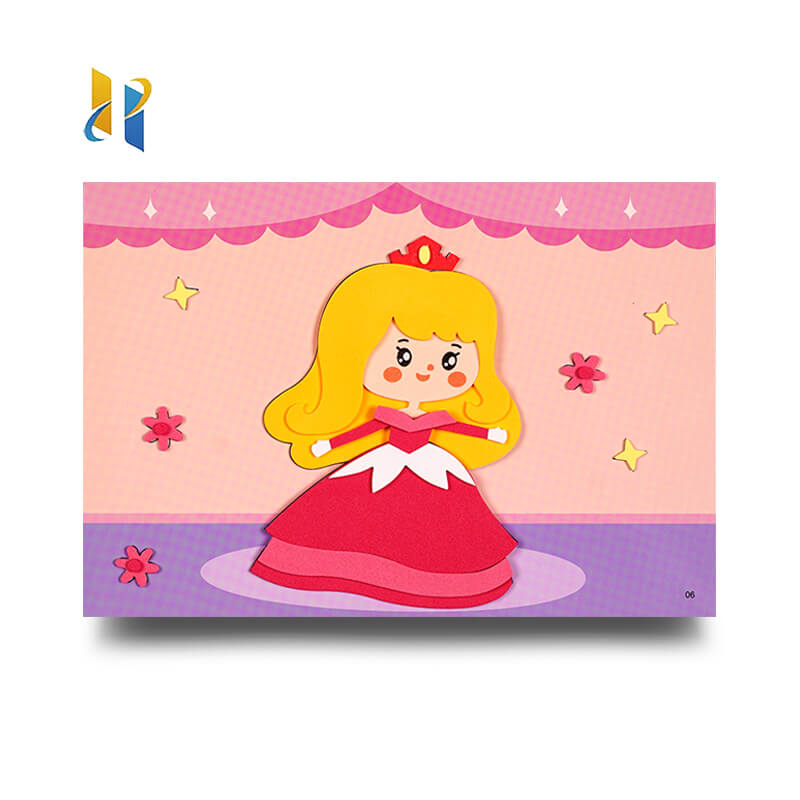
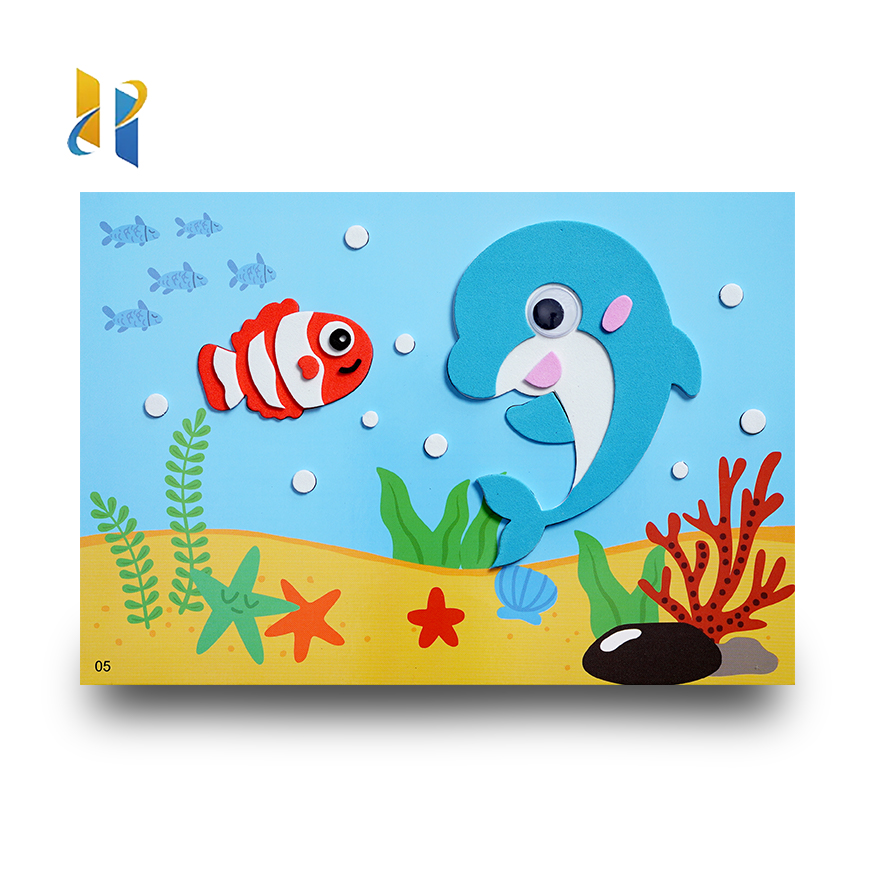
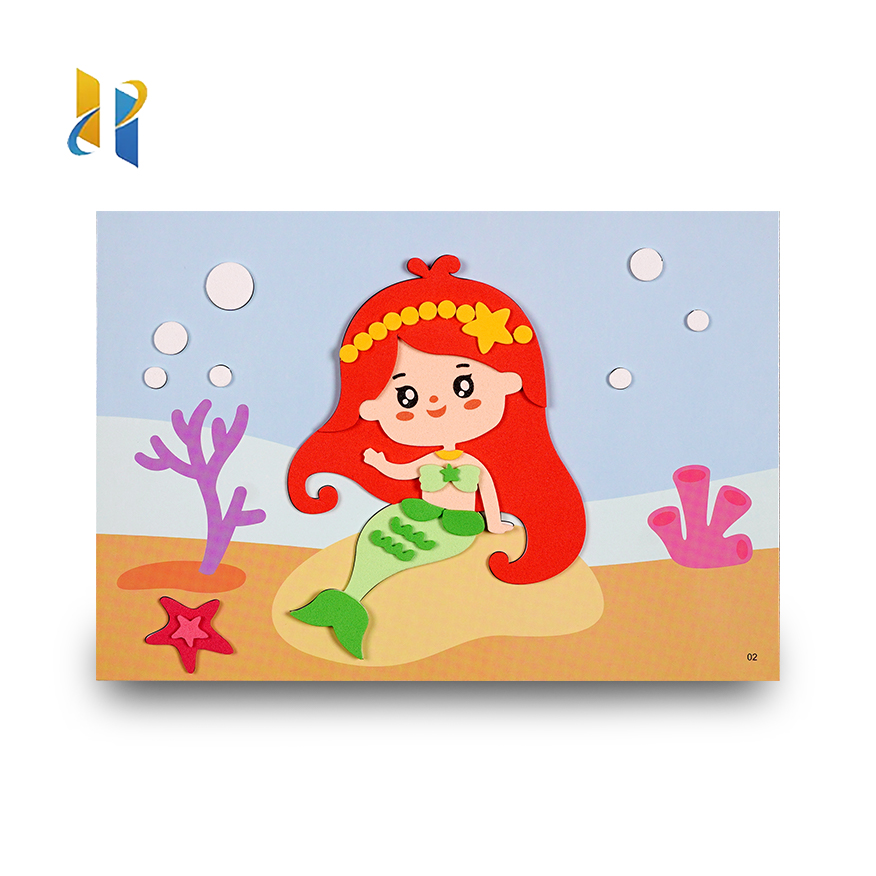
- Cosplay and Props: EVA foam is widely used in the creation of costumes and props due to its ability to be sculpted into intricate designs and painted to achieve a realistic look.
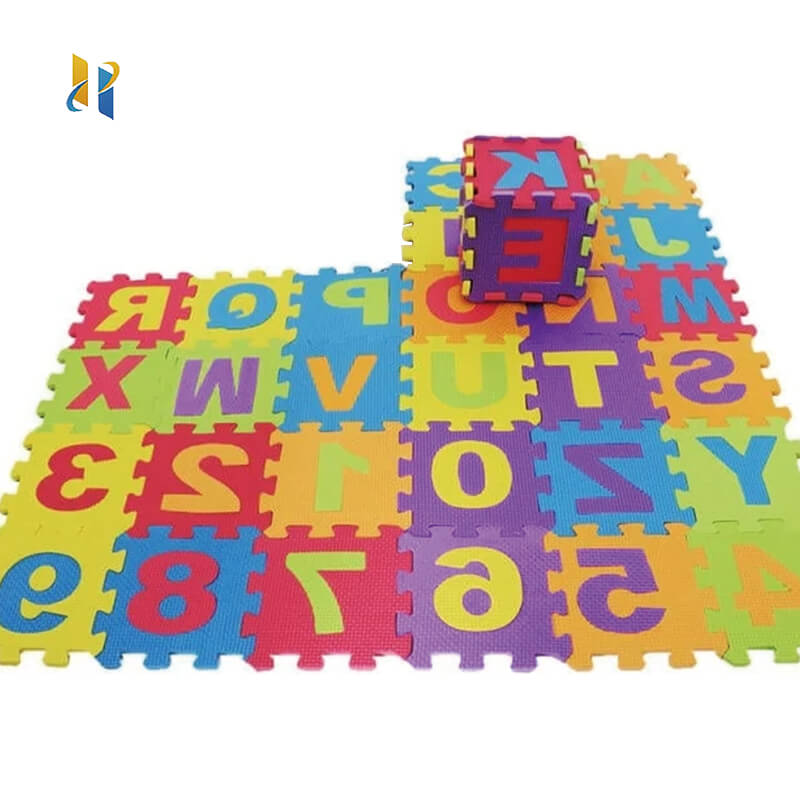
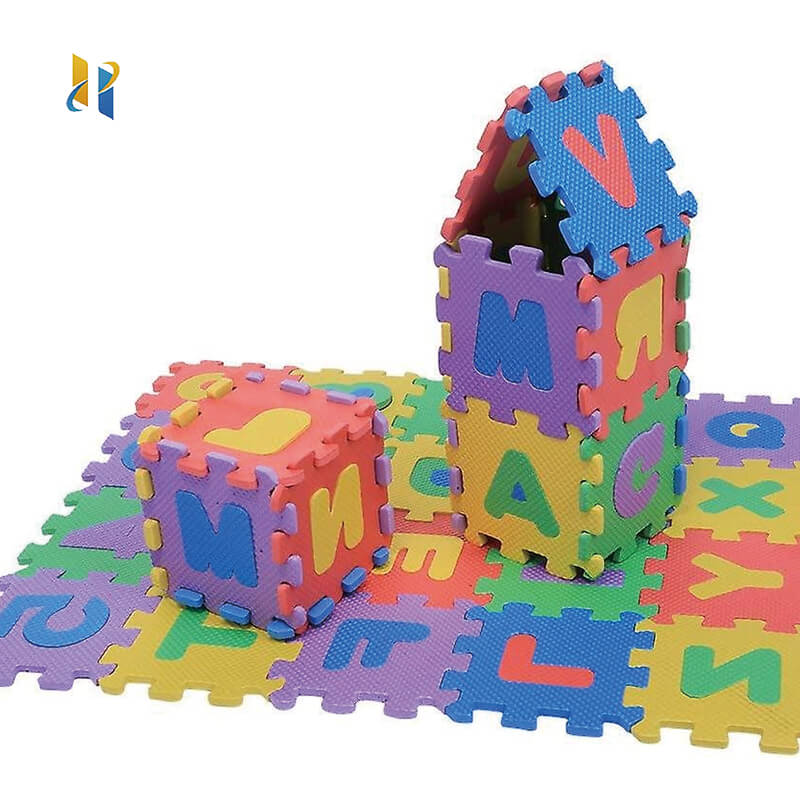
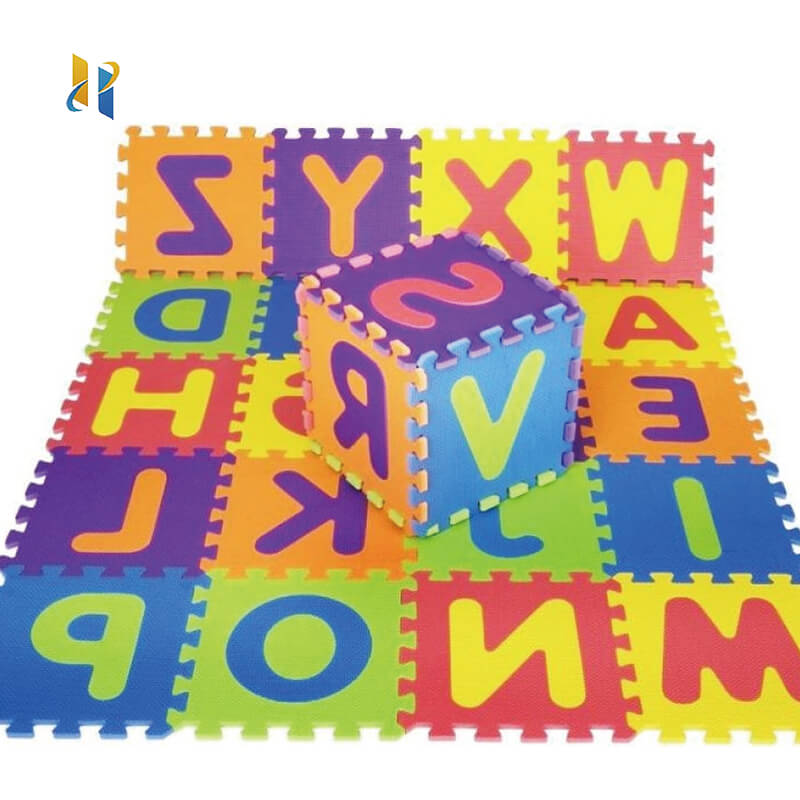
- Sports and Recreation: It is used in the production of exercise mats, protective padding, and athletic footwear, providing comfort and support during physical activities.
- Packaging: EVA foam's shock-absorbing qualities make it an excellent choice for protective packaging, ensuring the safe delivery of fragile items.
- Insulation: Its thermal insulation properties make EVA foam suitable for use in cooler bags, thermal jackets, and other products that require temperature control.
- Cosplay and Props: EVA foam is widely used in the creation of costumes and props due to its ability to be sculpted into intricate designs and painted to achieve a realistic look.
- Sports and Recreation: It is used in the production of exercise mats, protective padding, and athletic footwear, providing comfort and support during physical activities.
- Packaging: EVA foam's shock-absorbing qualities make it an excellent choice for protective packaging, ensuring the safe delivery of fragile items.
- Insulation: Its thermal insulation properties make EVA foam suitable for use in cooler bags, thermal jackets, and other products that require temperature control.
4. Working with EVA Foam Material:
- Cutting and Shaping: EVA foam can be easily cut with a sharp blade or hot knife, and shaped using a heat gun for precise customization.
- Sealing and Painting: To enhance the durability and appearance of EVA foam, it is recommended to seal it with a primer before applying paint or other finishes.
- Adhesion: Various adhesives can be used to bond EVA foam, with contact cement being a popular choice for strong and lasting bonds.
- Cutting and Shaping: EVA foam can be easily cut with a sharp blade or hot knife, and shaped using a heat gun for precise customization.
- Sealing and Painting: To enhance the durability and appearance of EVA foam, it is recommended to seal it with a primer before applying paint or other finishes.
- Adhesion: Various adhesives can be used to bond EVA foam, with contact cement being a popular choice for strong and lasting bonds.
EVA foam material stands out as a versatile and reliable polymer with a wide array of applications. Its unique combination of flexibility, durability, and safety makes it an ideal choice for both industrial and creative purposes. Whether you are crafting a costume, designing protective gear, or packaging delicate electronics, EVA foam offers the perfect balance of functionality and ease of use. Its continued popularity across different industries is a testament to its effectiveness and adaptability as a material of choice for modern-day challenges and innovations.
what is eva foam made out of
what is eva foam used for
Related Article

20 Years of Manufacturing Excellence Delivering Superior EVA Foam for Diverse Industries
Excellent Black & White EVA Materials Now in Production – Visit Our Factory for Unbeatable Quality & Value!