worbla vs eva foam
2024-04-05
Worbla vs EVA Foam: A Comparative Analysis for DIY and Cosplay Enthusiasts
In the world of DIY costumes, props, and cosplay, two materials frequently stand out as popular choices: Worbla and EVA foam. Both offer unique properties and advantages, but which one is right for your project? Let's delve into a comparative analysis of Worbla vs EVA foam to help you make an informed decision.
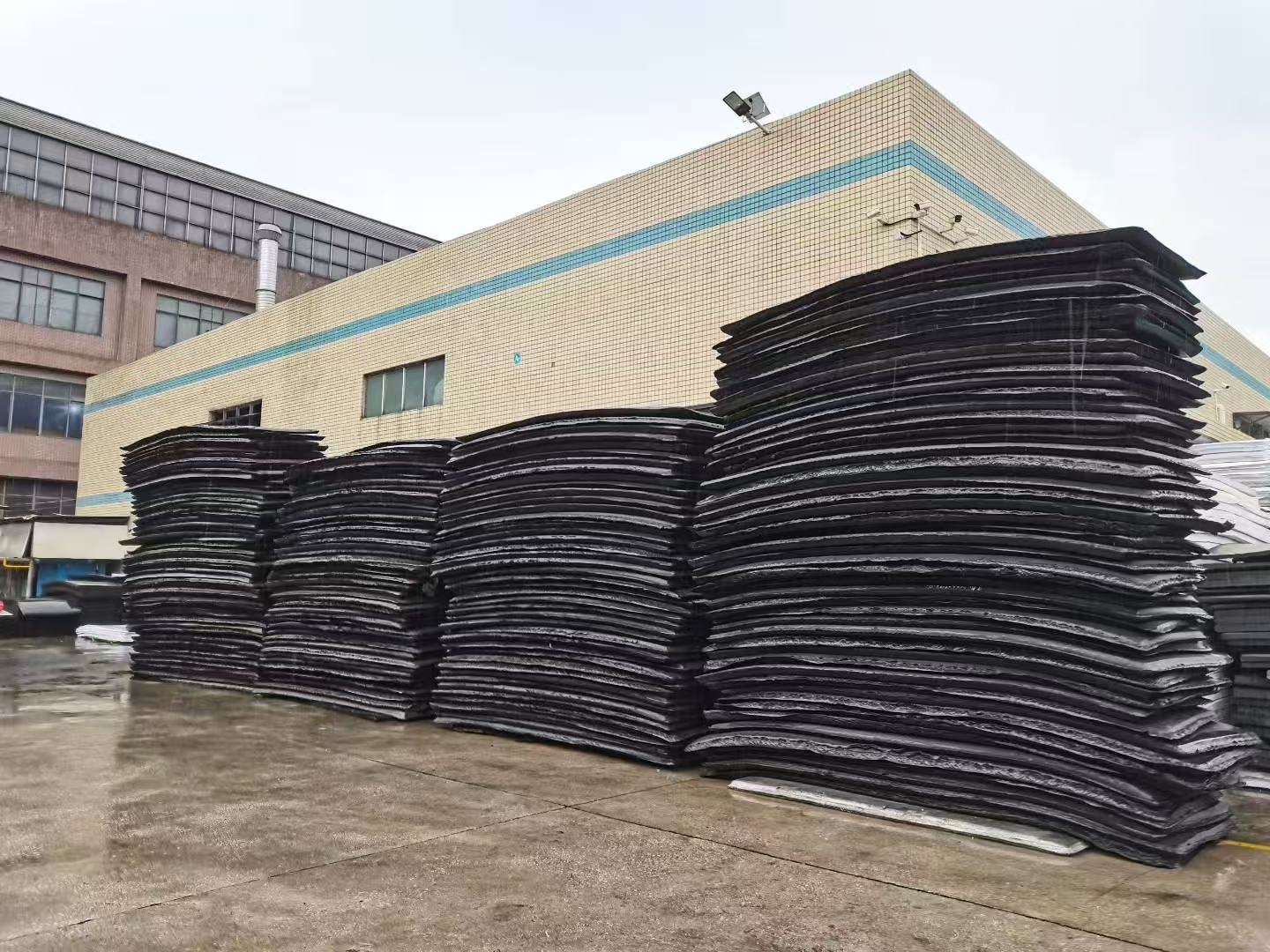
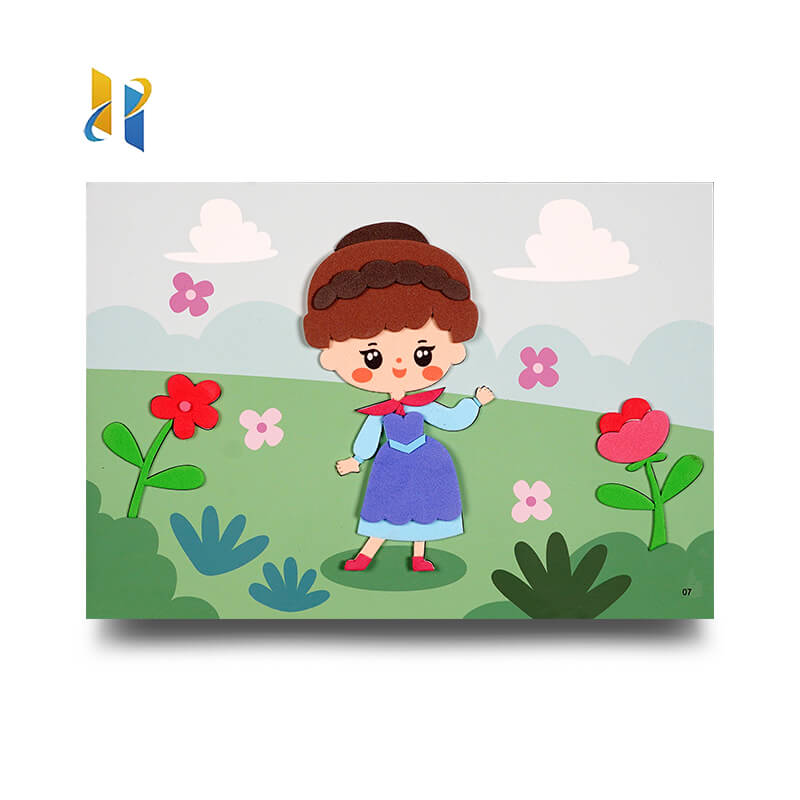
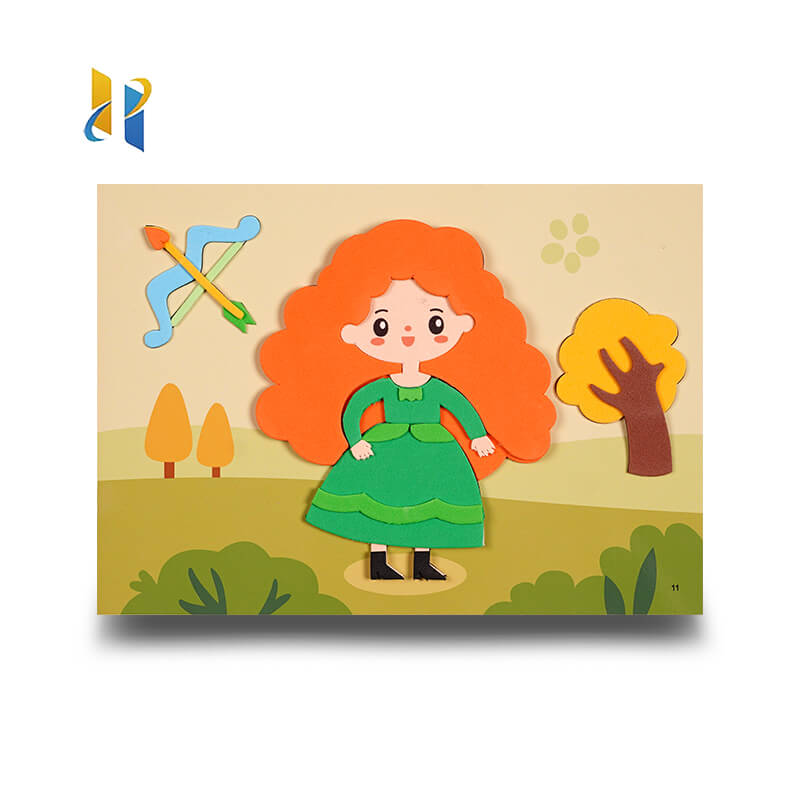
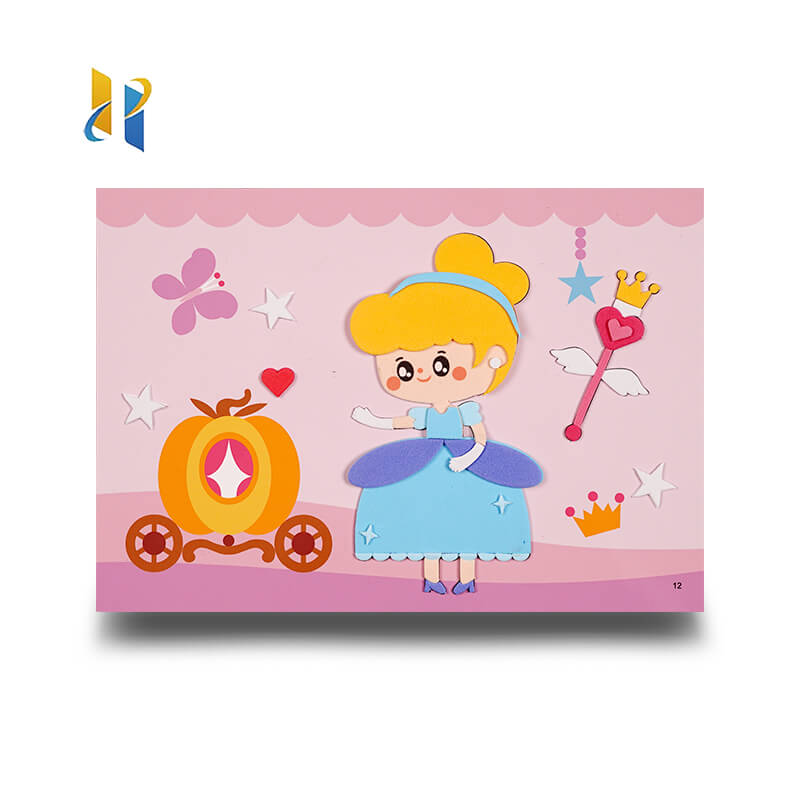
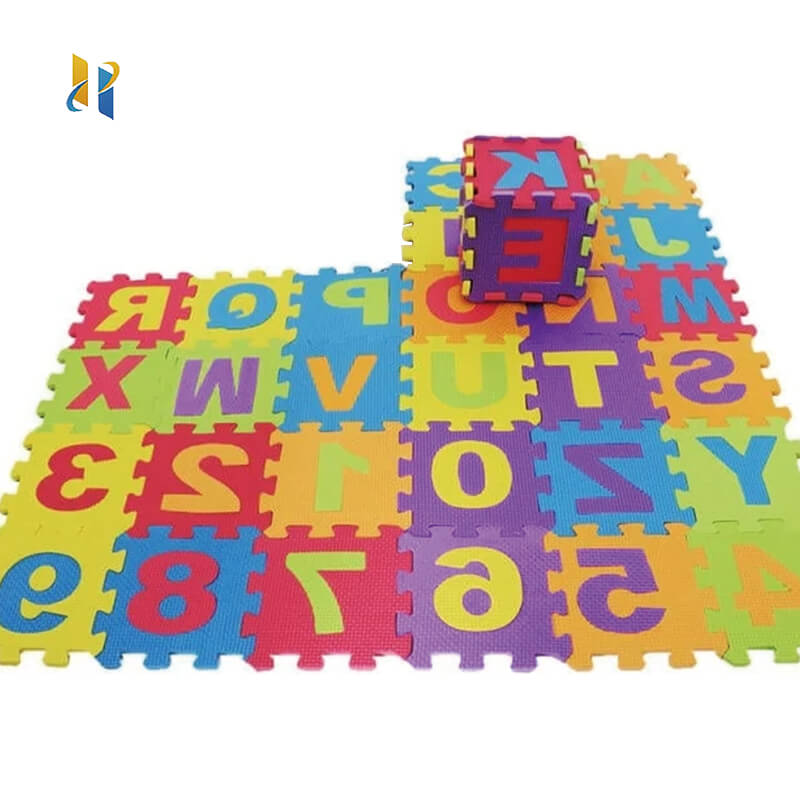
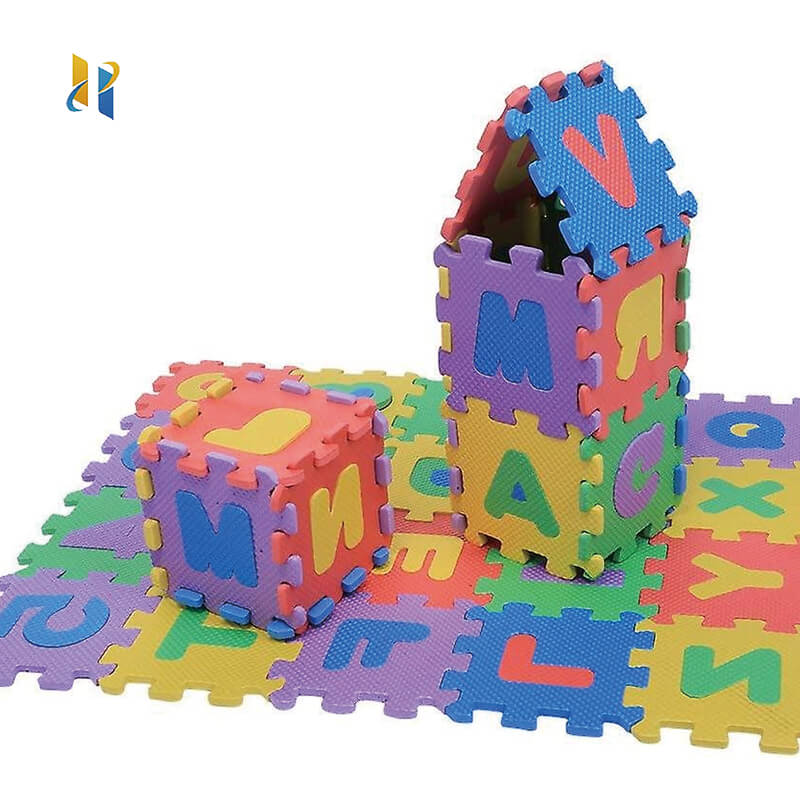
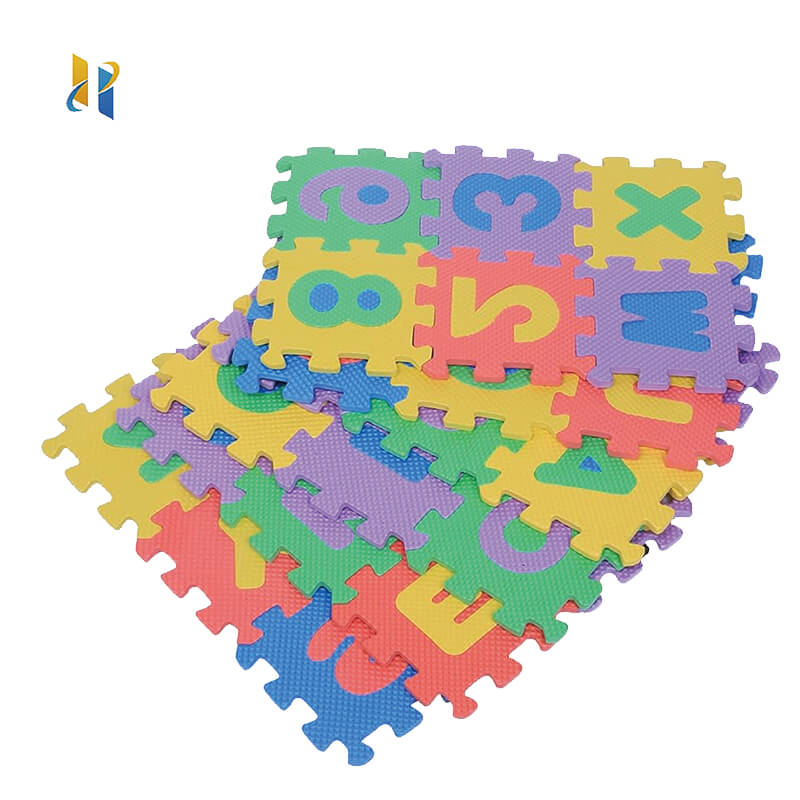
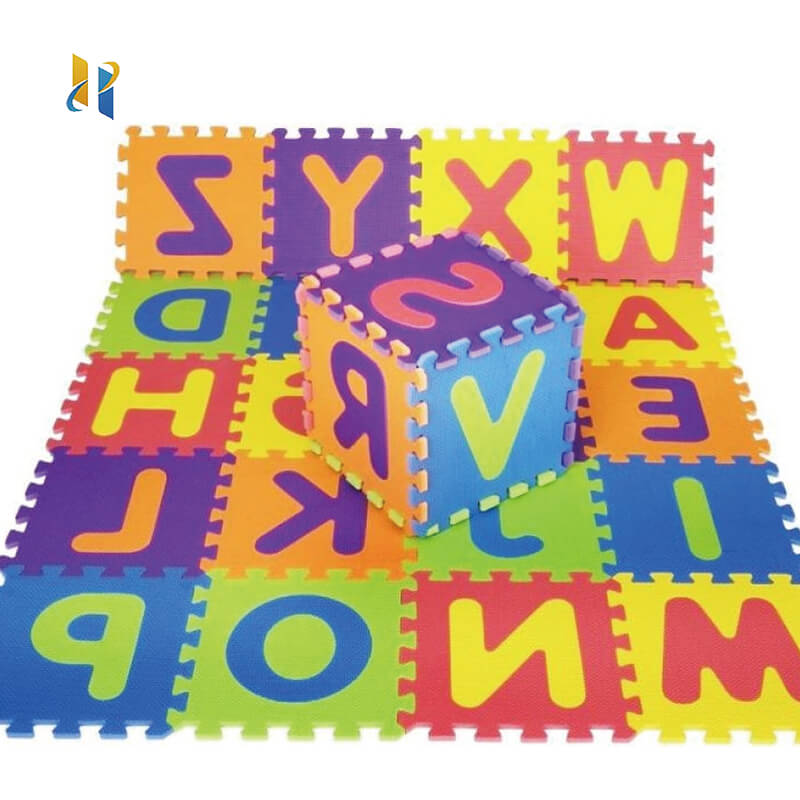
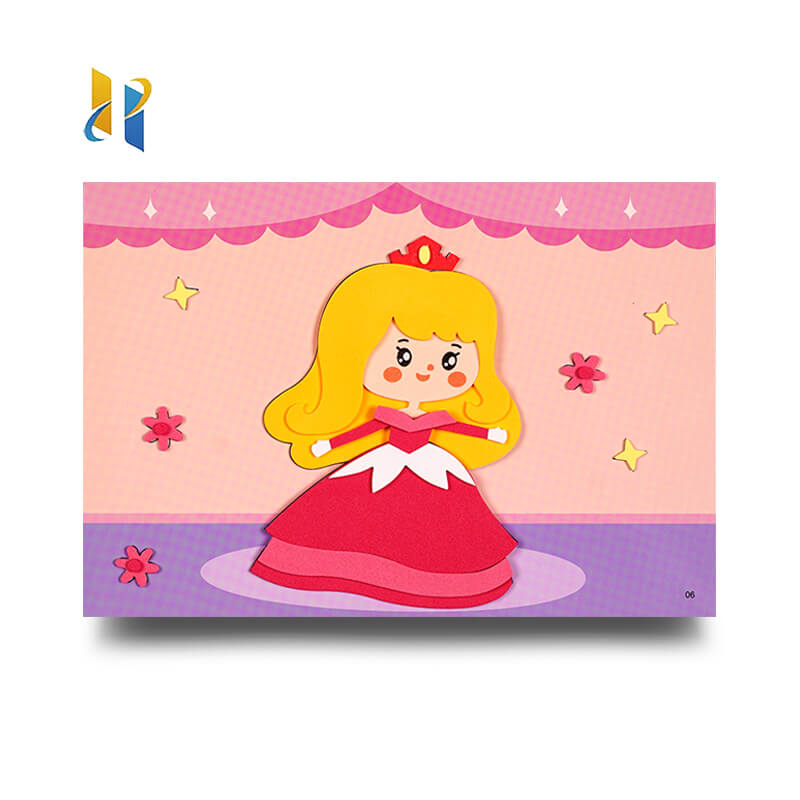
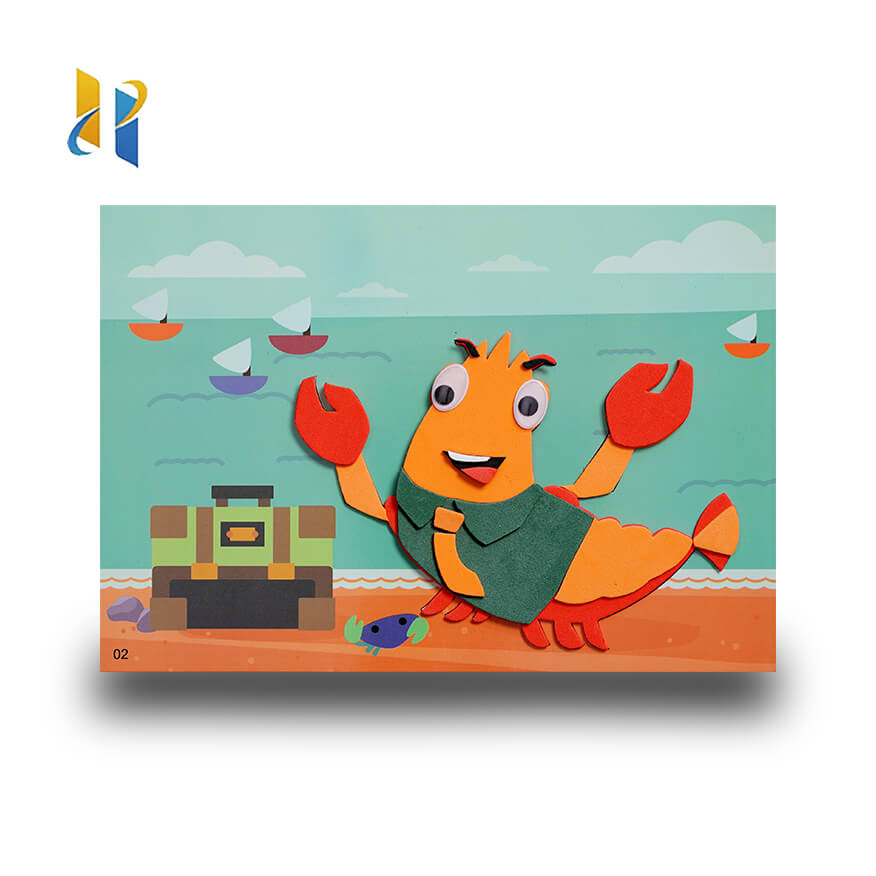
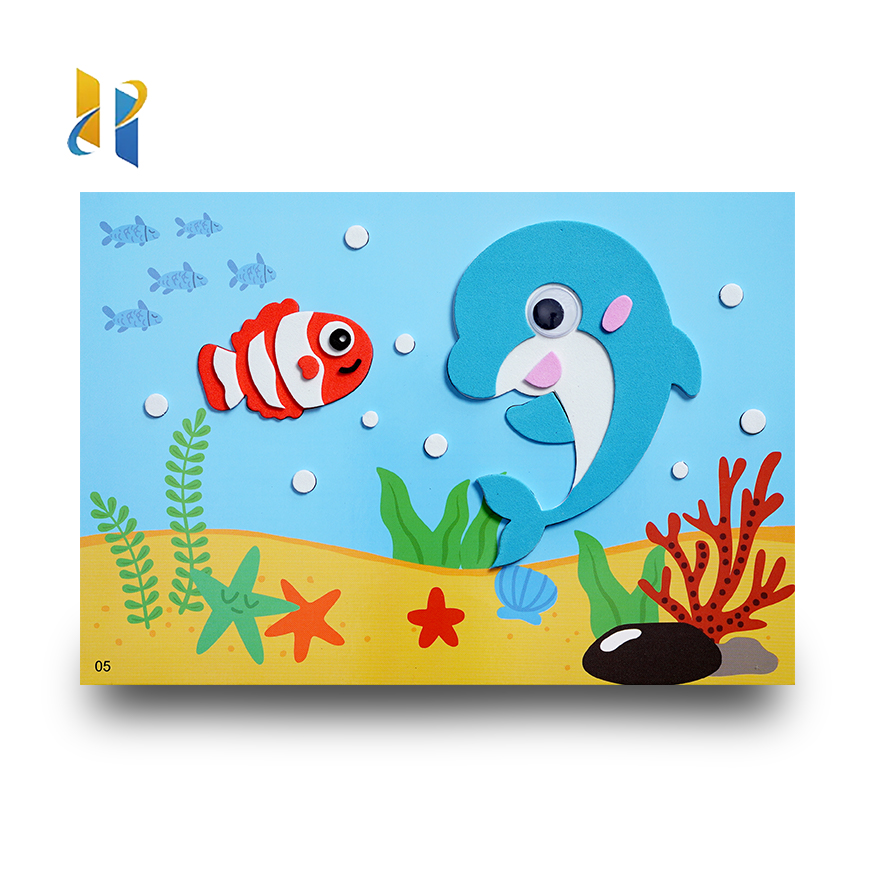
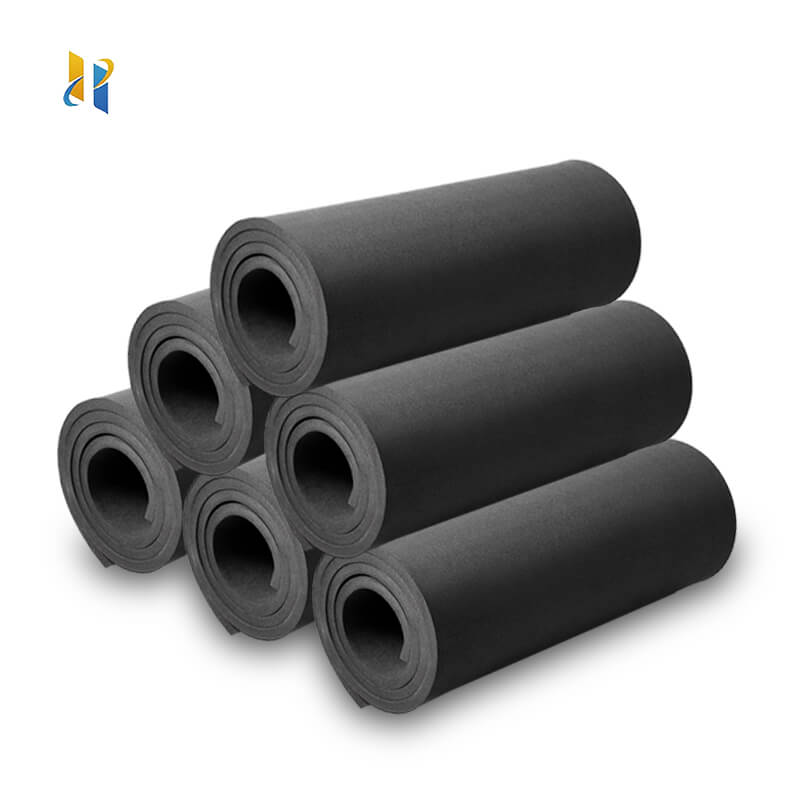
EVA foam is a lightweight, flexible, and durable material that's easy to cut, shape, and paint. It's often the first choice for beginners due to its user-friendly nature. EVA foam is also relatively inexpensive, making it a cost-effective option for larger projects or those on a budget.
On the other hand, Worbla is a thermoplastic material that can be heated and shaped into intricate designs. It's more rigid than EVA foam and offers a higher level of detail and durability. Worbla is often used for more complex projects that require a sturdier material or sharper edges.
In terms of durability, Worbla tends to hold its shape better over time, resisting warping and deformation. EVA foam, while still durable, may require more maintenance or reinforcement in certain areas.
Cost is another factor to consider. EVA foam is generally more affordable than Worbla, making it a more accessible material for hobbyists and DIY enthusiasts. However, if you're working on a project that requires the precision and durability of Worbla, the investment may be worth it in the long run.
When it comes to working with these materials, both EVA foam and Worbla require some degree of skill and patience. EVA foam is easier to cut and shape with basic tools, while Worbla requires heat and specific shaping techniques. Both can be painted and finished to achieve a desired look.
In conclusion, the choice between Worbla and EVA foam depends on your specific project needs, budget, and skill level. EVA foam is a great choice for beginners and those looking for a cost-effective, easy-to-use material. Worbla, on the other hand, offers a higher level of detail and durability for more complex projects. Ultimately, the best material for you is the one that best suits your creative vision and practical requirements.
where to find eva foam
will eva foam stick to wood
Related Article

20 Years of Manufacturing Excellence Delivering Superior EVA Foam for Diverse Industries
Excellent Black & White EVA Materials Now in Production – Visit Our Factory for Unbeatable Quality & Value!