xpe vs eva foam
2024-04-05
XPE vs EVA Foam: Which Material Is Right for Your Project?
When it comes to choosing the right foam material for your project, XPE and EVA foam are two popular options that often compete for attention. Both materials offer unique advantages, but which one is best for your specific needs? Let's explore the differences between XPE and EVA foam to help you make an informed decision.
XPE Foam: The Soft and Safe Choice
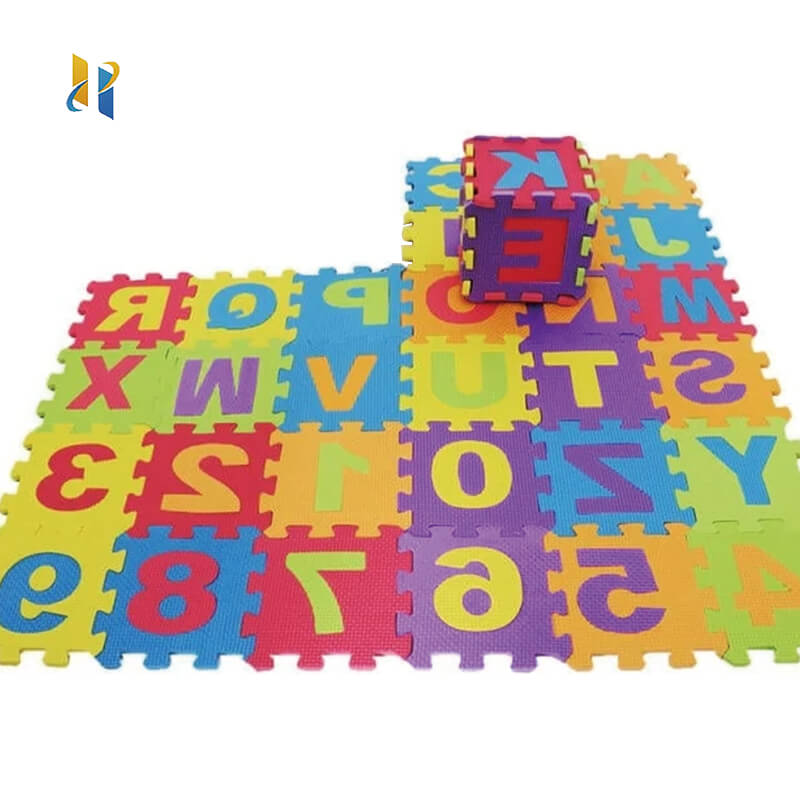
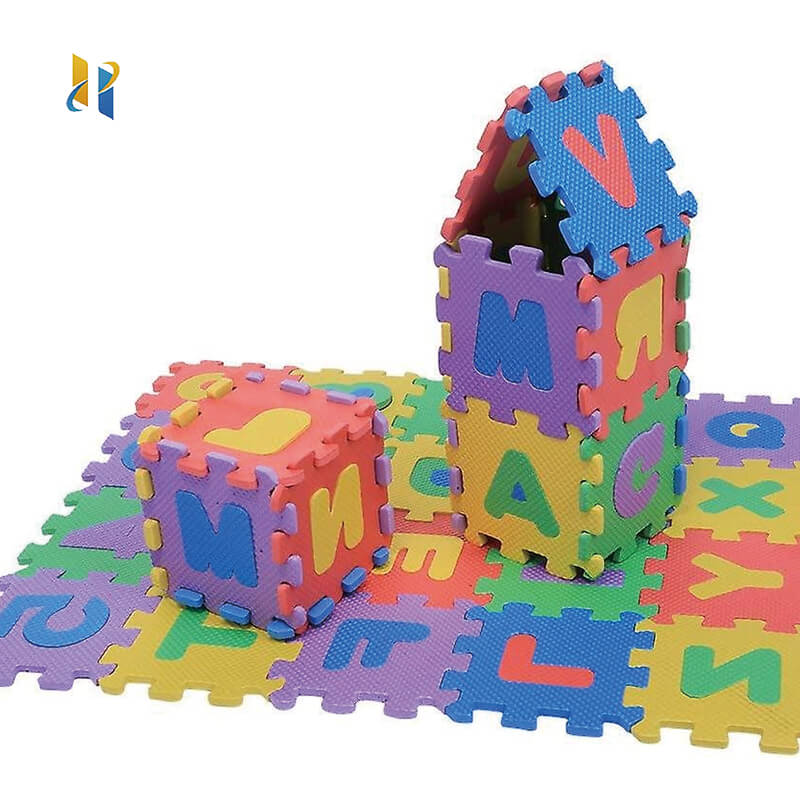
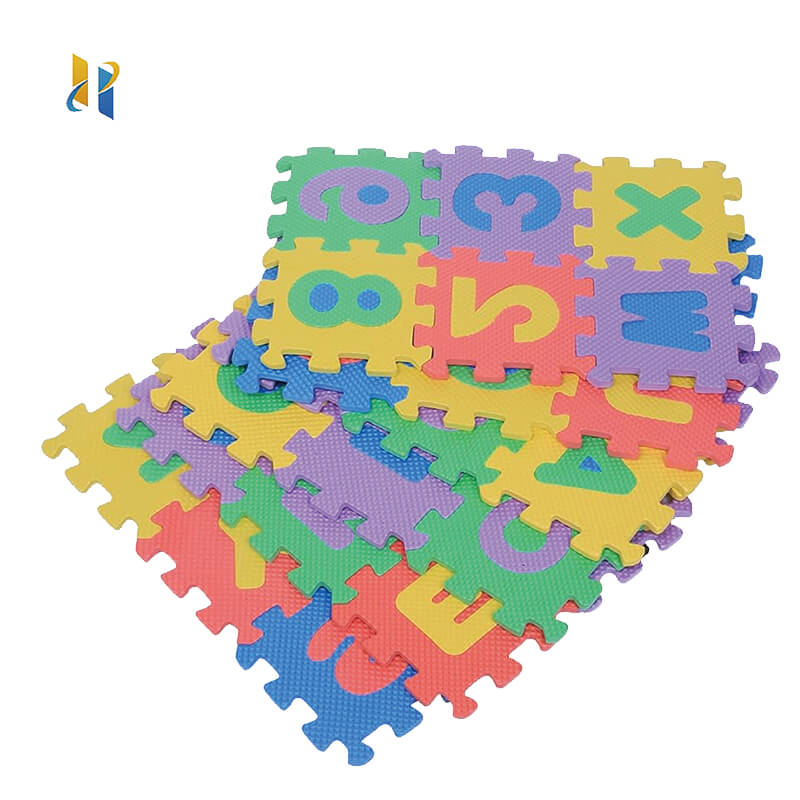
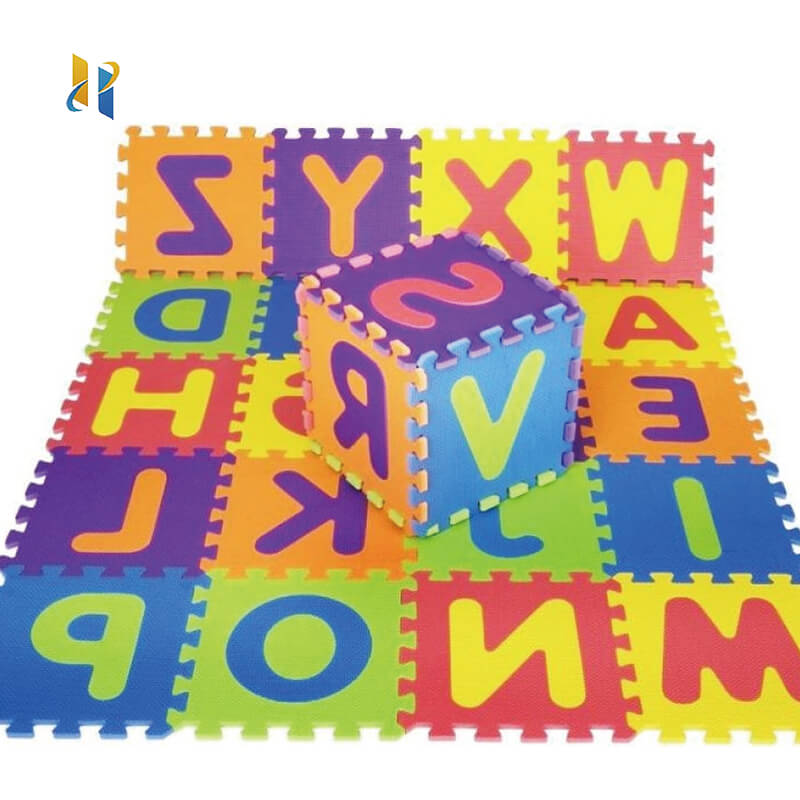
XPE foam, also known as cross-linked polyethylene foam, is known for its soft and cushiony texture. This material is often used in children's toys, playground mats, and other applications where safety is a top priority. XPE foam is lightweight, easy to clean, and resistant to water and moisture, making it a great choice for outdoor use. Its closed-cell structure also provides excellent insulation and sound absorption properties.
EVA Foam: The Versatile Workhorse
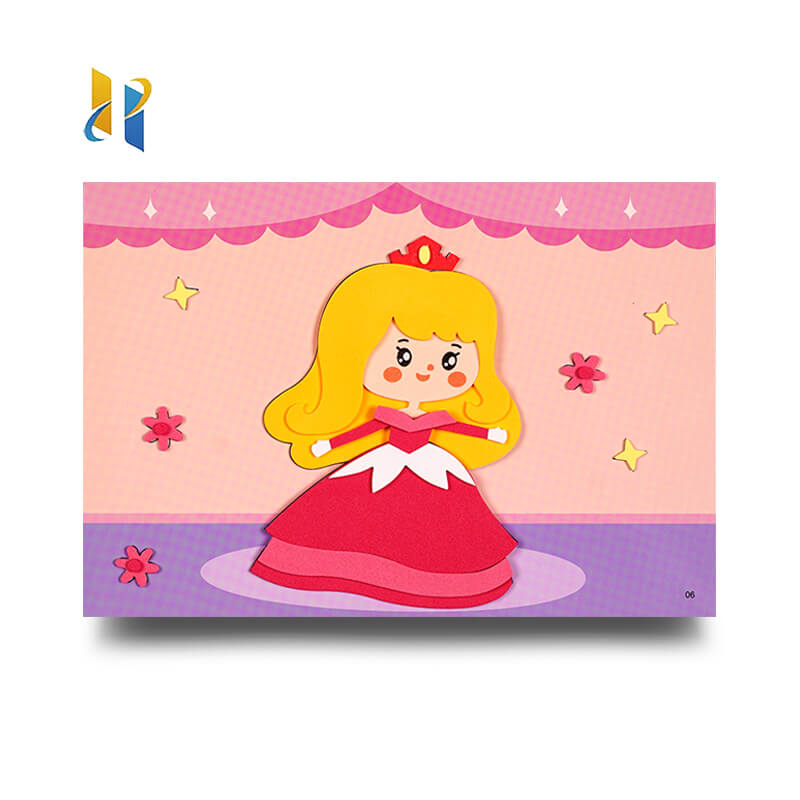
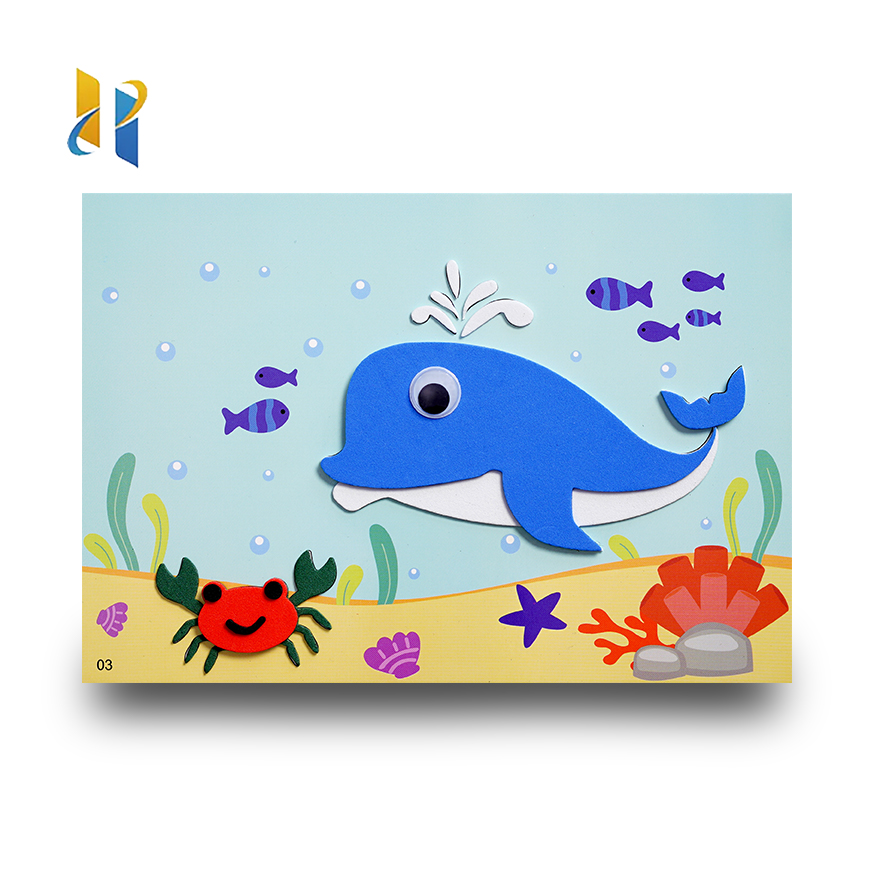
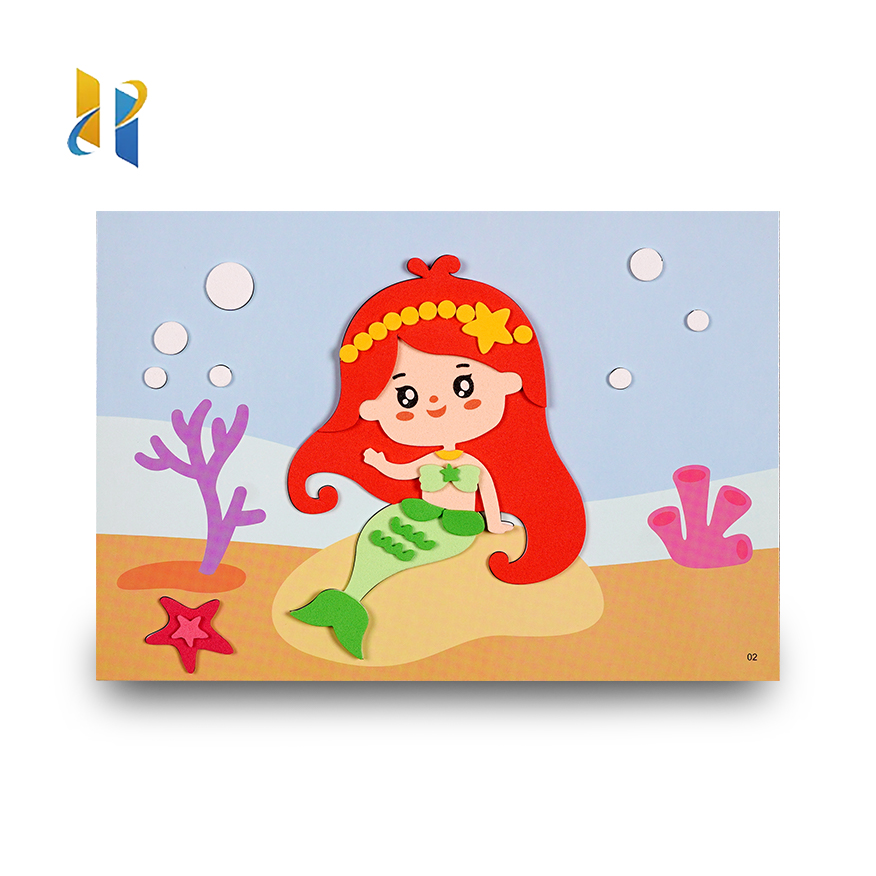
EVA foam, or ethylene-vinyl acetate foam, is a highly versatile material that's widely used in a variety of applications. Its dense and durable nature makes it ideal for projects that require more structure and stiffness. EVA foam is often used in sports equipment, shoe inserts, and even costumes and props. It's also easy to cut and shape, allowing you to create custom designs with minimal effort.
Comparing the Two
When comparing XPE and EVA foam, it's important to consider your specific needs. If you're looking for a soft and safe material for children's toys or play areas, XPE foam is the way to go. Its cushiony texture and water-resistant properties make it perfect for these applications. On the other hand, if you need a more structured and durable material for sports equipment or costumes, EVA foam may be a better choice. Its dense texture and easy-to-work-with nature make it a great option for these types of projects.
Cost Considerations
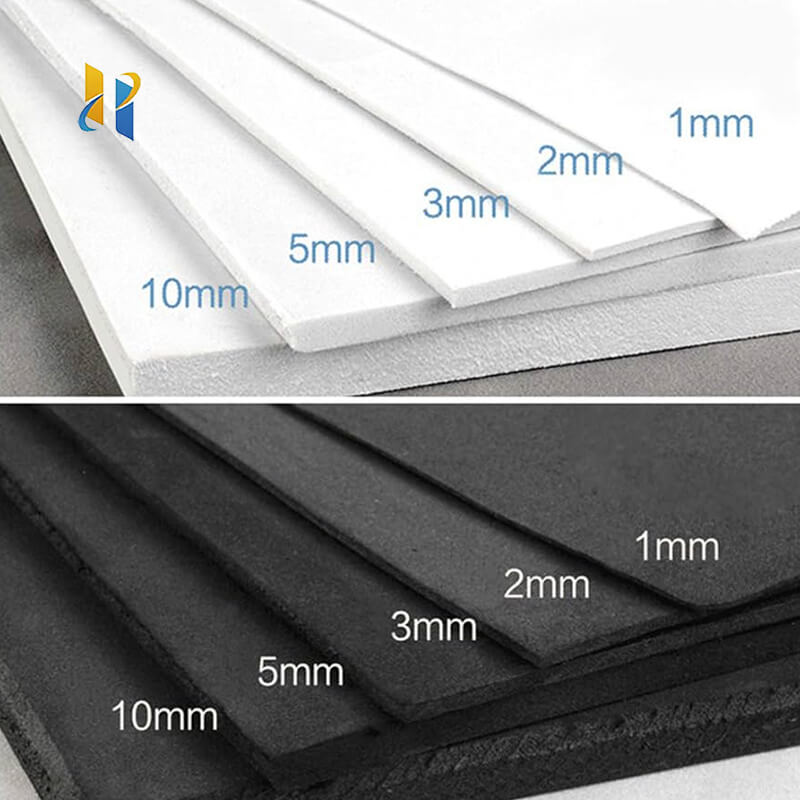
While both XPE and EVA foam are relatively affordable, the cost may vary depending on the thickness, size, and quality of the material. Generally speaking, EVA foam may be slightly more expensive than XPE foam due to its denser nature and wider range of applications. However, it's important to note that the cost should not be the only factor in your decision-making process. Consider the overall value and suitability of each material for your specific project.
In Conclusion
Choosing between XPE and EVA foam can be a challenge, but understanding the unique properties and applications of each material can help you make the right decision. Whether you need a soft and safe material for children's toys or a durable and versatile option for sports equipment, there's a foam material that's perfect for your project. So, take the time to explore your options and find the best material for your needs.
craft foam roll
xpe foam vs eva foam
yellow eva foam
Related Article

20 Years of Manufacturing Excellence Delivering Superior EVA Foam for Diverse Industries
Excellent Black & White EVA Materials Now in Production – Visit Our Factory for Unbeatable Quality & Value!