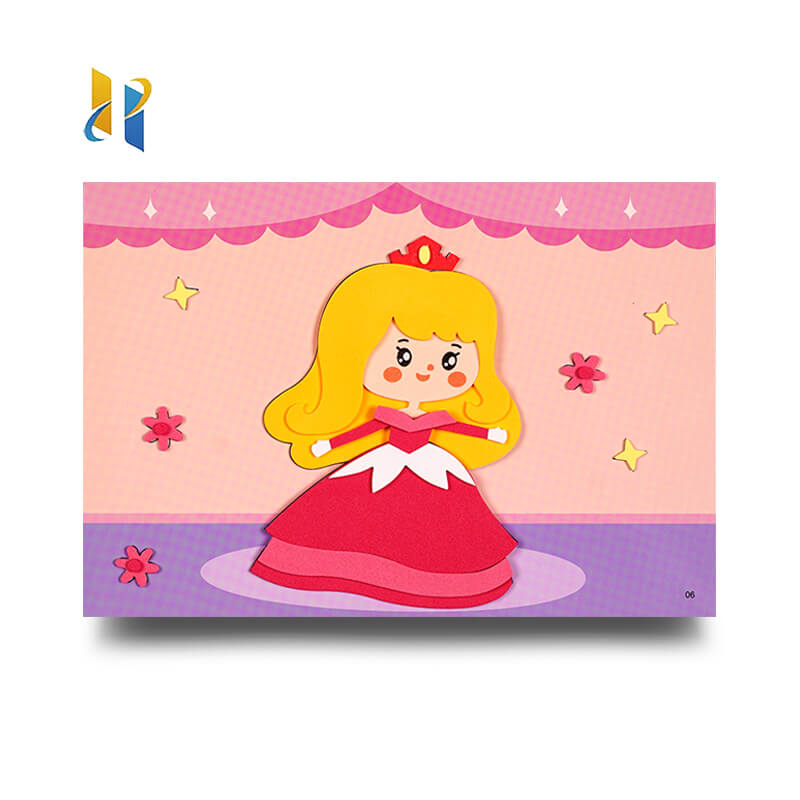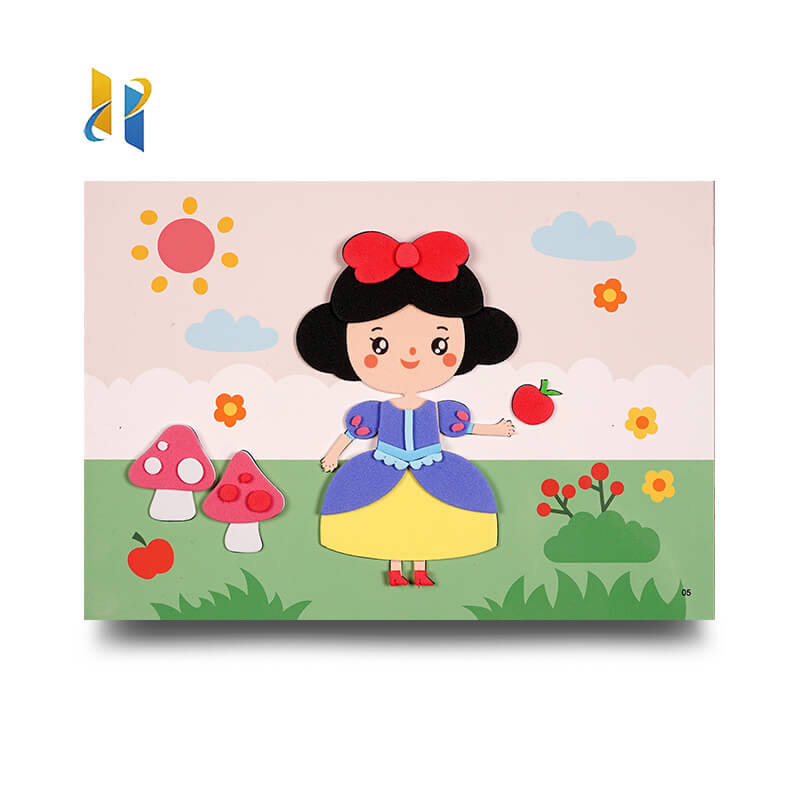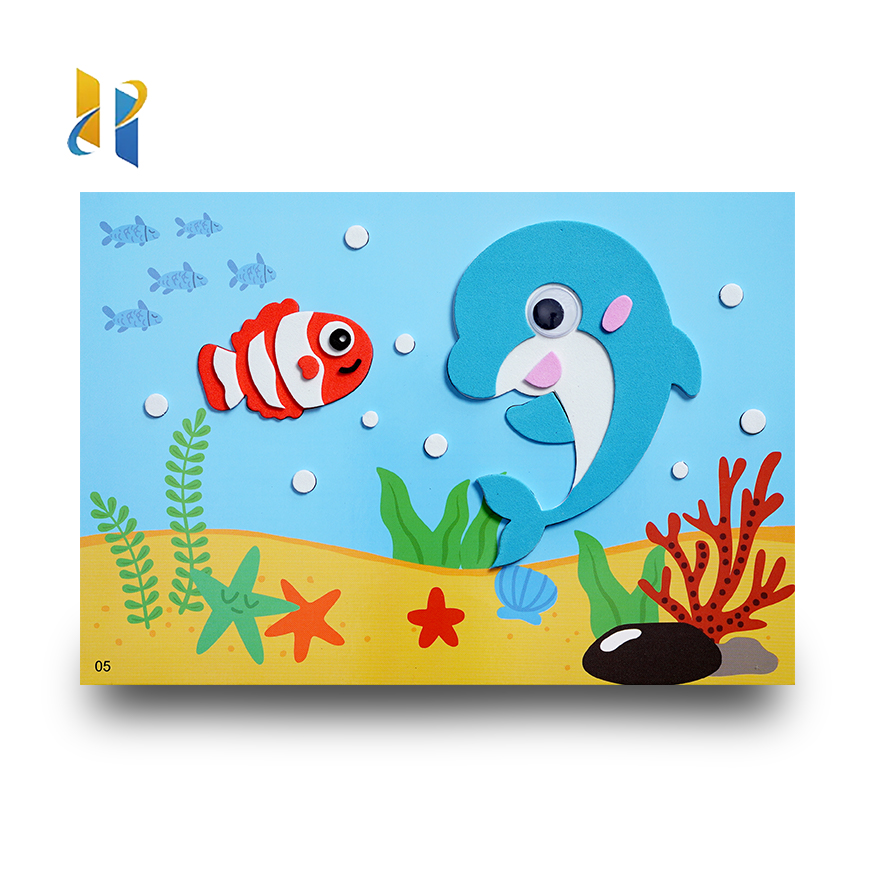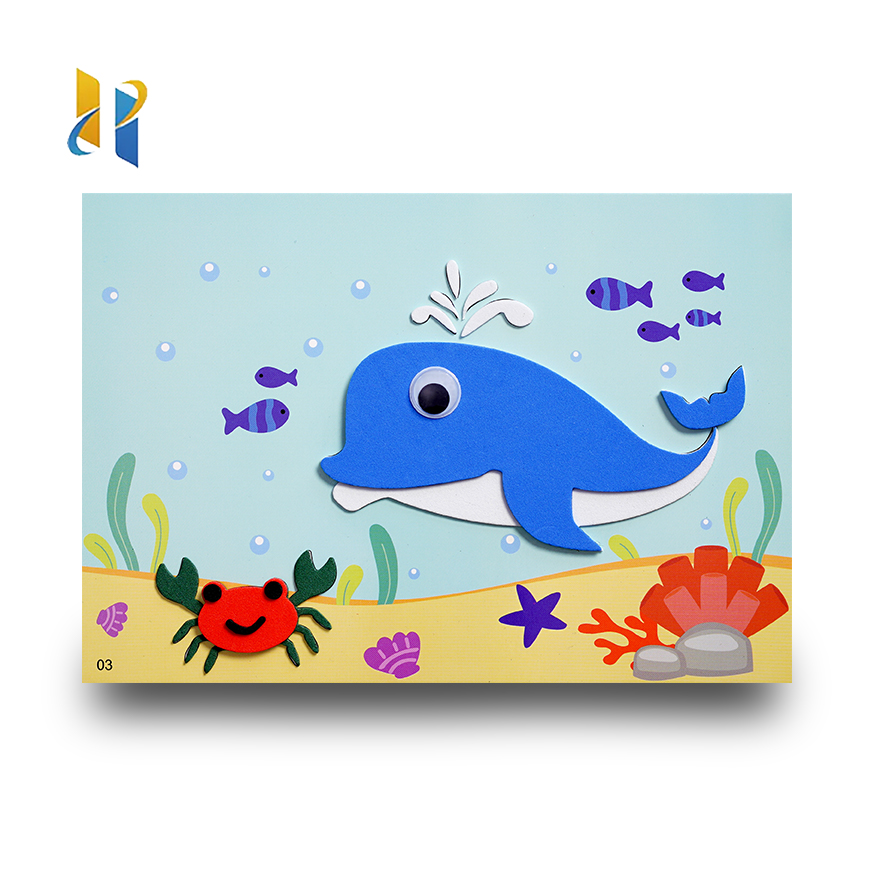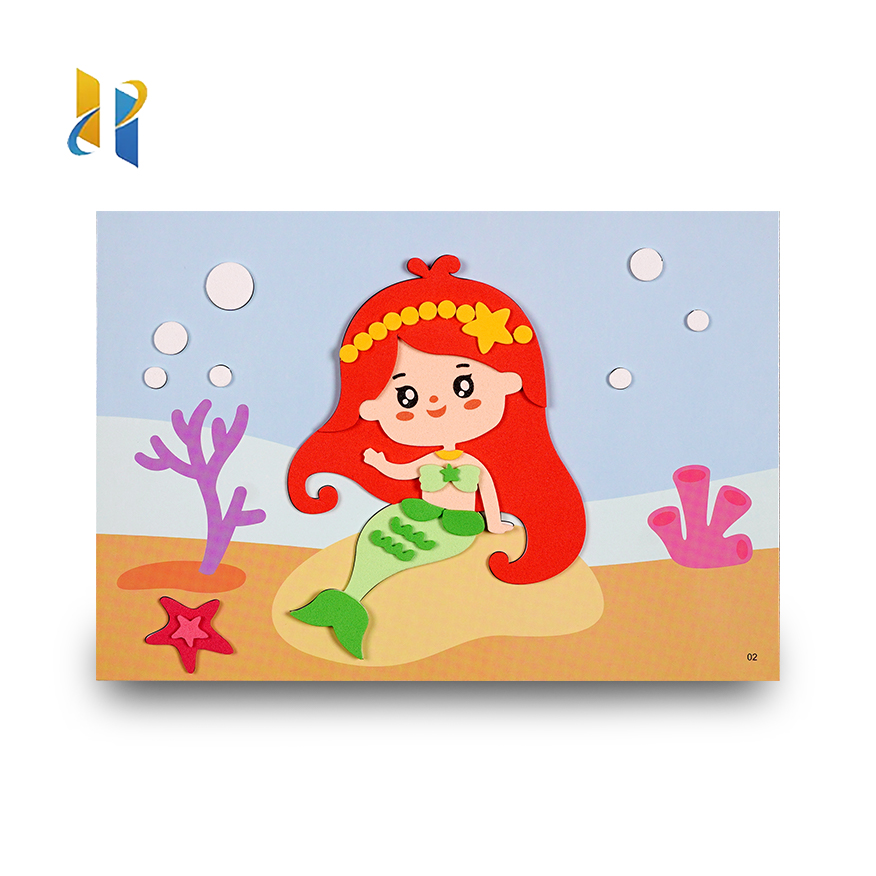
The Application of Princess-Themed Jigsaw Puzzles for Girls: A Multifaceted Approach to Development
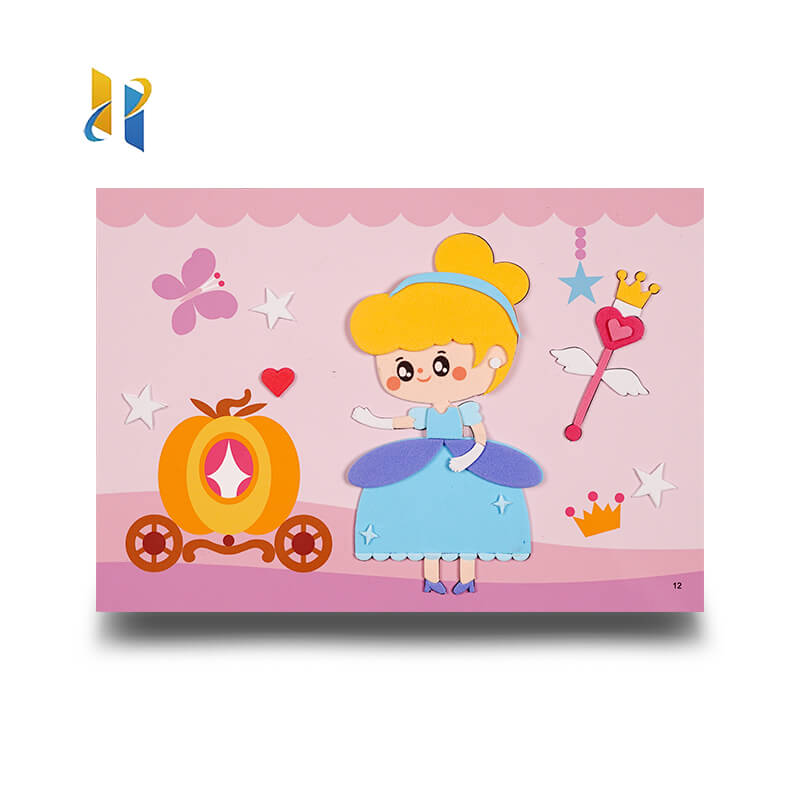
1. Enhancement of Cognitive and Foundational Skills
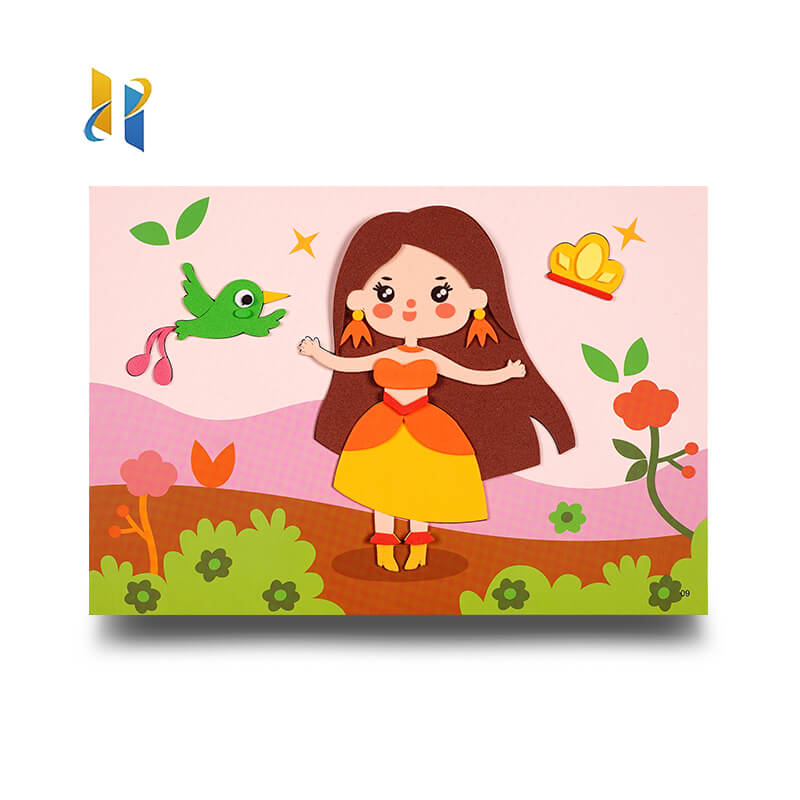
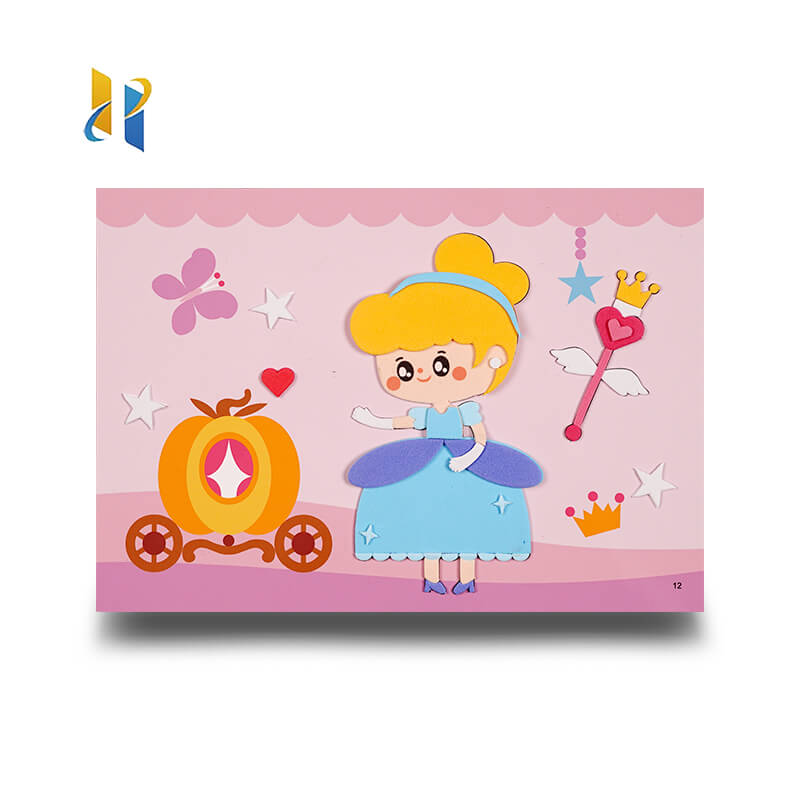
At their core, jigsaw puzzles are cognitive workouts. Princess puzzles, with their vibrant and often detailed imagery of castles, ball gowns, and magical landscapes, provide an engaging medium for this mental exercise.
-
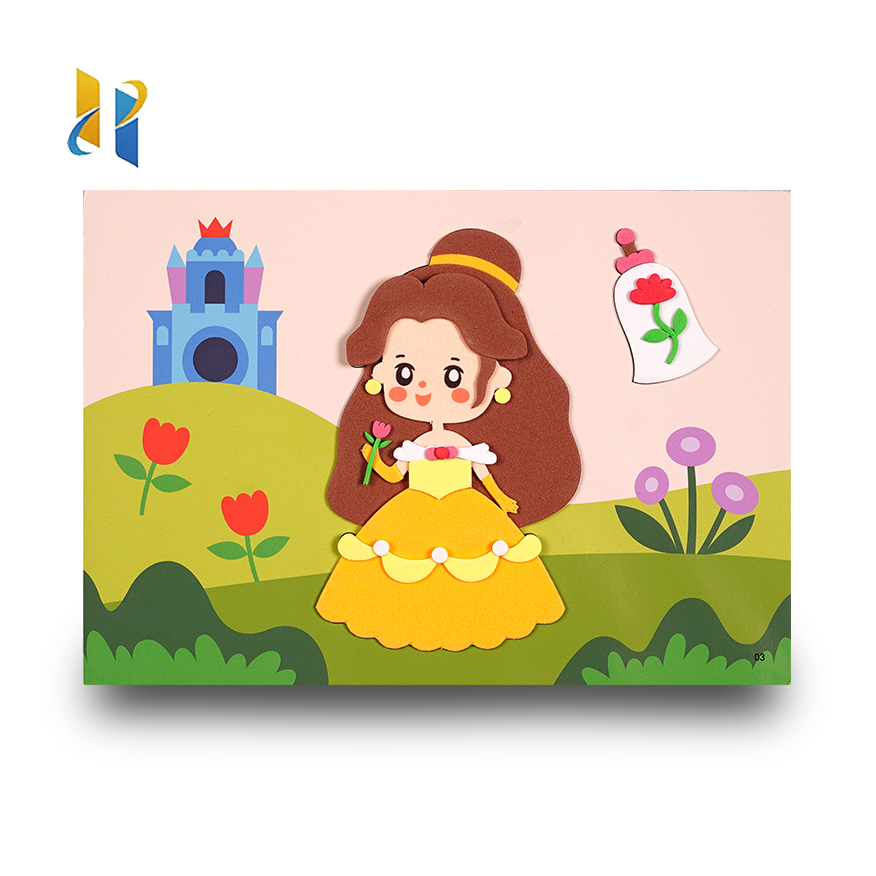
Problem-Solving and Critical Thinking: Completing a puzzle requires a child to analyze shapes, colors, and spatial relationships. She must develop strategies, such as separating edge pieces or grouping elements by color (e.g., the blue of Cinderella's dress, the yellow of Belle's gown). This process enhances logical reasoning and strategic planning as she learns to hypothesize where a piece might belong and tests her theories.
-
Spatial Reasoning and Visual Acuity: Manipulating puzzle pieces and rotating them to fit into a specific space is a direct exercise in spatial awareness. This skill is fundamental to fields like mathematics, engineering, and art. Furthermore, scrutinizing the reference image and the small details on pieces sharpens visual perception and attention to detail.
-
Memory and Concentration: The task of remembering the overall picture and the location of specific pieces or colors exercises short-term memory. The immersive nature of puzzle-solving demands sustained focus and concentration, training a child's ability to engage in a single, prolonged task—a valuable skill in an age of digital distractions.
2. Cultivation of Emotional and Social Intelligence
Princess narratives are often rich with emotional themes, and puzzles depicting these scenes can serve as a gateway to discussing and understanding complex feelings.
-
Resilience and Patience: A puzzle cannot be completed instantly. It is a process fraught with trial and error. When a piece doesn't fit, a child learns to manage minor frustration and persist. The final, successful placement of a difficult piece provides a sense of accomplishment, reinforcing the value of patience and perseverance. This "delayed gratification" is a crucial emotional regulator.
-
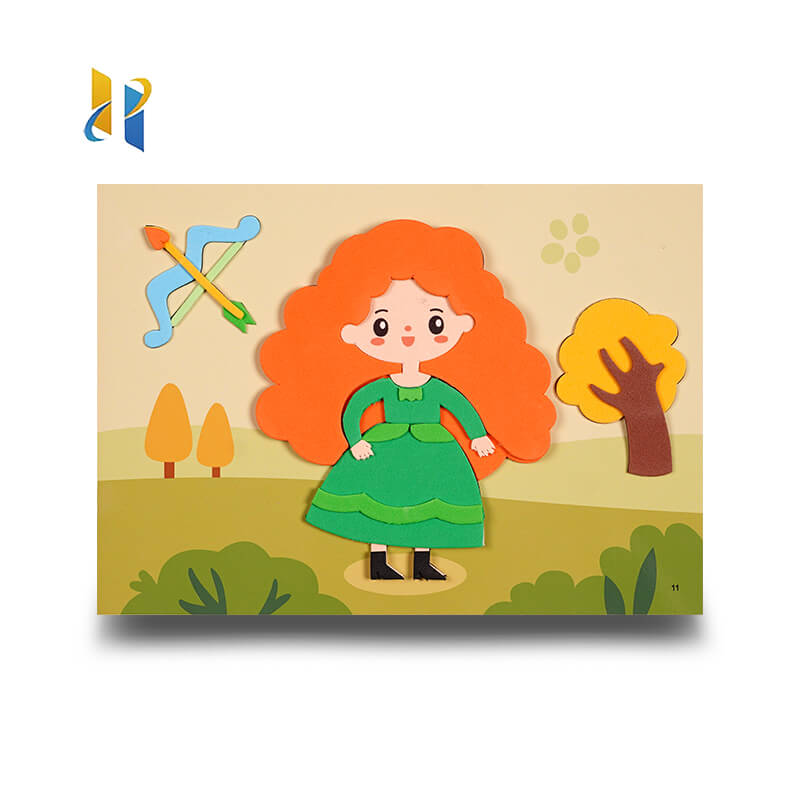
Identification and Empathy: Girls often form strong attachments to princess characters. Working on a puzzle featuring a beloved character like Moana or Elsa allows them to connect with that character's story. This can spark conversations about the character's courage (Merida), kindness (Cinderella), or intelligence (Belle), helping girls to understand and empathize with these traits and the emotions behind them.
-
Self-Confidence and a Sense of Achievement: The moment the final piece of a puzzle is placed is one of pure triumph. This tangible success builds self-esteem and a "can-do" attitude. The completed puzzle is a visual testament to her effort and capability, providing a powerful, non-competitive boost to her self-confidence.
3. Reframing and Expanding Gender Narratives
While traditional princess tropes have been criticized, the modern application of these puzzles can be progressive.
-
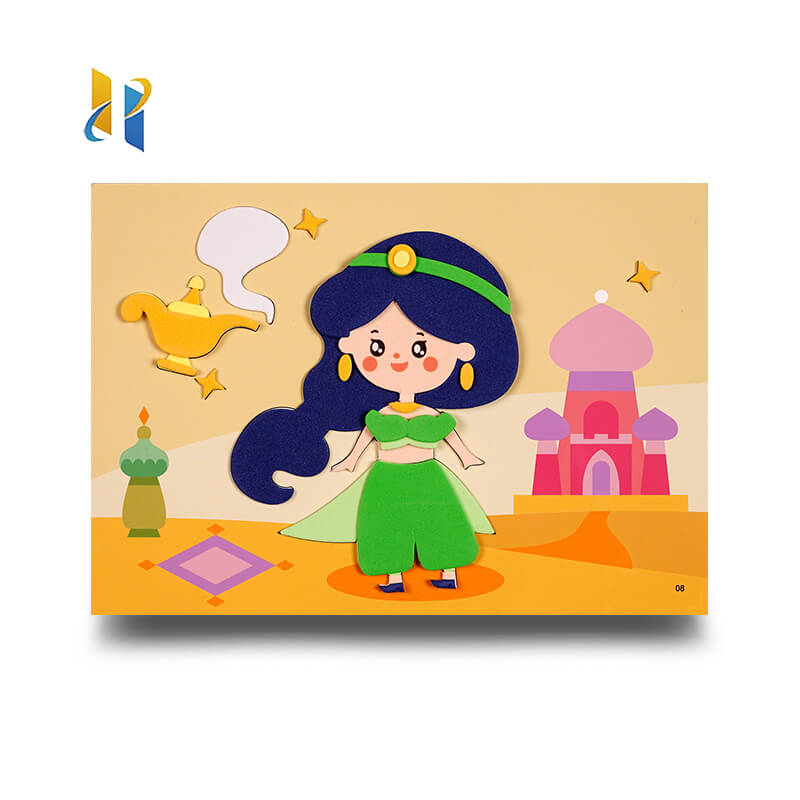
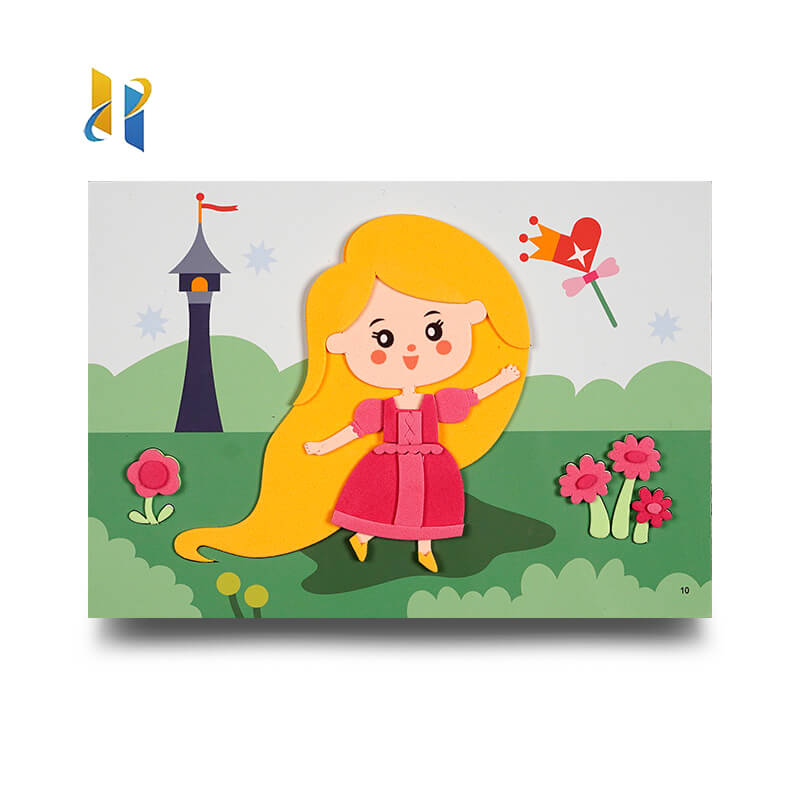
Diverse Role Models: The world of princesses has evolved significantly. Puzzles now feature characters from diverse cultural backgrounds (e.g., Tiana, Jasmine, Mulan) and with modern aspirations. A puzzle depicting Princess Tiana working hard to achieve her dream of owning a restaurant, or Rapunzel embarking on an adventure, presents a more nuanced and empowering model of femininity—one that combines grace with ambition, courage, and independence.
-
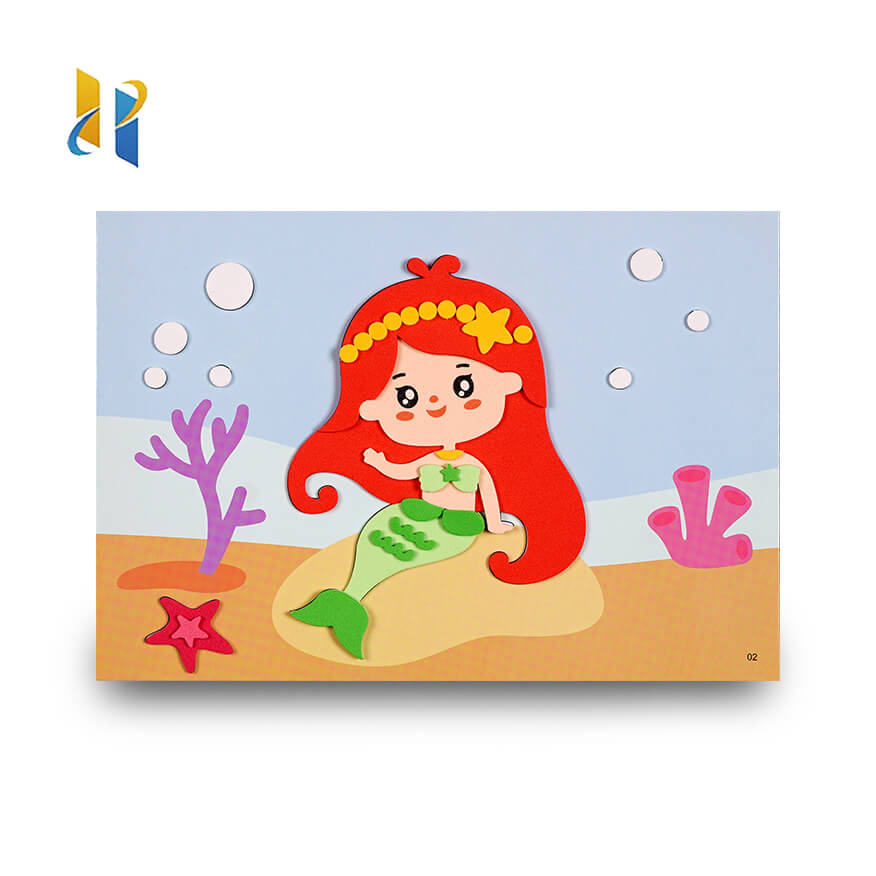
A Gateway to Broader Interests: A princess puzzle set in a castle can ignite an interest in history and architecture. A puzzle featuring Ariel under the sea can lead to curiosity about marine biology. The thematic element serves as a hook, making learning about related subjects more appealing and personal.
4. Fostering Social Interaction and Communication
Puzzle-solving is rarely a solitary activity; it often becomes a collaborative family or peer event.
-
Collaborative Play: Working on a puzzle with parents, siblings, or friends teaches valuable social skills. Children learn to negotiate ("Can you look for the blue pieces?"), share, take turns, and work towards a common goal. This cooperative environment fosters teamwork and communication.
-
Language Development: As children work on the puzzle, they describe what they see, ask for specific pieces, and narrate their process. This interaction, especially with adults, enriches their vocabulary and improves their descriptive and communicative abilities.
5. A Tactile Alternative in a Digital Age
In an era dominated by screens, princess jigsaw puzzles offer a crucial, hands-on experience.
-
Fine Motor Skill Development: The physical act of picking up, manipulating, and precisely placing small pieces strengthens the small muscles in a child's hands and fingers. This development of fine motor skills and hand-eye coordination is essential for later tasks like writing.
-
Unplugged and Mindful Engagement: Puzzles provide a calming, screen-free activity that encourages mindfulness. The focused attention required can be a therapeutic break from the fast-paced, often overstimulating world of digital media, promoting relaxation and mental clarity.
In conclusion, the application of princess-themed jigsaw puzzles in a girl's life is multifaceted and profoundly beneficial. They are not merely toys but developmental tools that sharpen the mind, nurture the heart, and strengthen social bonds. By engaging with these puzzles, girls do not just assemble an image of a fairy-tale; they piece together the foundational skills, emotional resilience, and creative confidence that will help them build their own stories of success and happiness.
The Multifaceted Value of Colored EVA Animal Jigsaw Puzzles in Child Development
Related Article