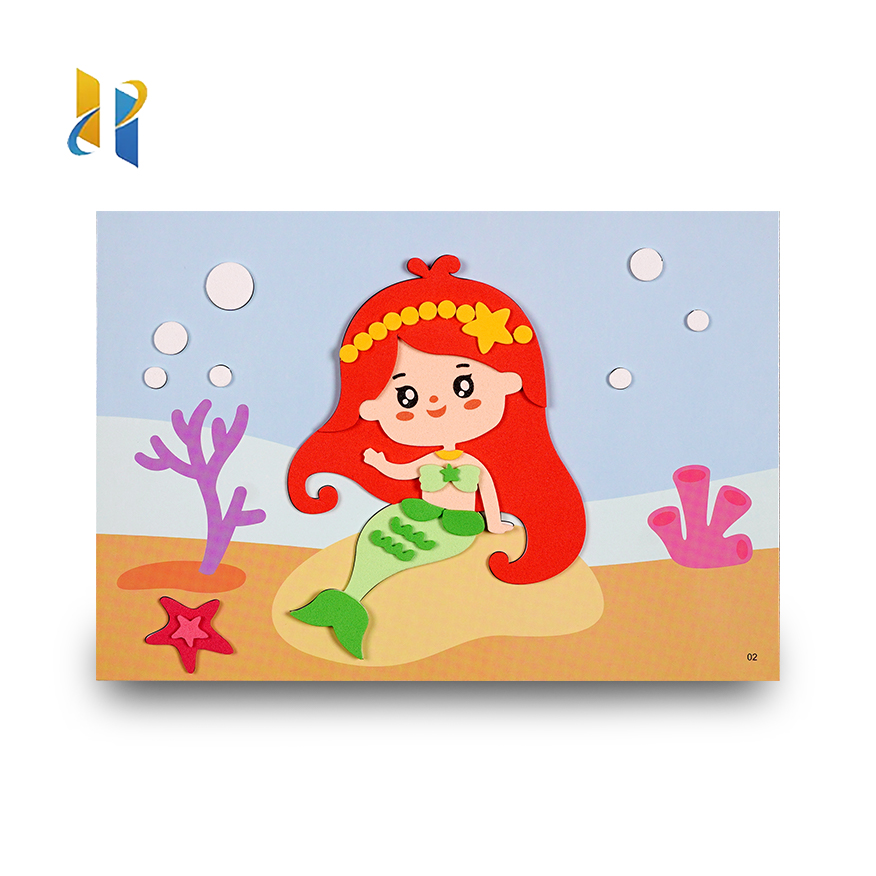
Deconstructing the Princess EVA Sticker Puzzle: A Multi-Faceted Analysis
1. Cognitive and Developmental Benefits: Sharpening the Young Mind
At its core, the puzzle is a powerful tool for cognitive development, engaging multiple areas of a child's brain in a structured yet enjoyable manner.
-
Spatial Reasoning and Problem-Solving: Unlike a traditional jigsaw puzzle with interlocking pieces, a sticker puzzle often requires matching a specific sticker to a corresponding outlined image on a background board. This activity demands keen visual-spatial skills. Children must rotate the sticker mentally, align it with the target shape, and understand its position relative to other elements on the board. This process enhances their ability to manipulate and understand objects in two-dimensional space, a fundamental skill in fields like mathematics, engineering, and art.
-
Fine Motor Skill Development: The physical act of peeling the stickers is a deliberate exercise in fine motor control. Children must use their pincer grip (thumb and forefinger) to lift the often-thin edges of the EVA (Ethylene-Vinyl Acetate) stickers from the sheet. Subsequently, they must carefully position and place the sticker onto the puzzle board, ensuring it is smooth and correctly aligned. This repeated action strengthens the small muscles in the hands and fingers, which is crucial for future tasks like handwriting, typing, and using tools.
-
Pattern Recognition and Categorization: A complex Princess EVA puzzle, featuring numerous characters, accessories, and background elements, encourages pattern recognition. A child might learn to group stickers by color, type (e.g., all dresses, all tiaras), or character. This act of categorization is a foundational cognitive process that aids in memory, logical thinking, and the organization of information.

2. Thematic and Artistic Engagement: The Allure of the "Princess" Narrative
The "Princess" theme is not merely decorative; it is a central driver of the puzzle's appeal and educational value.
-
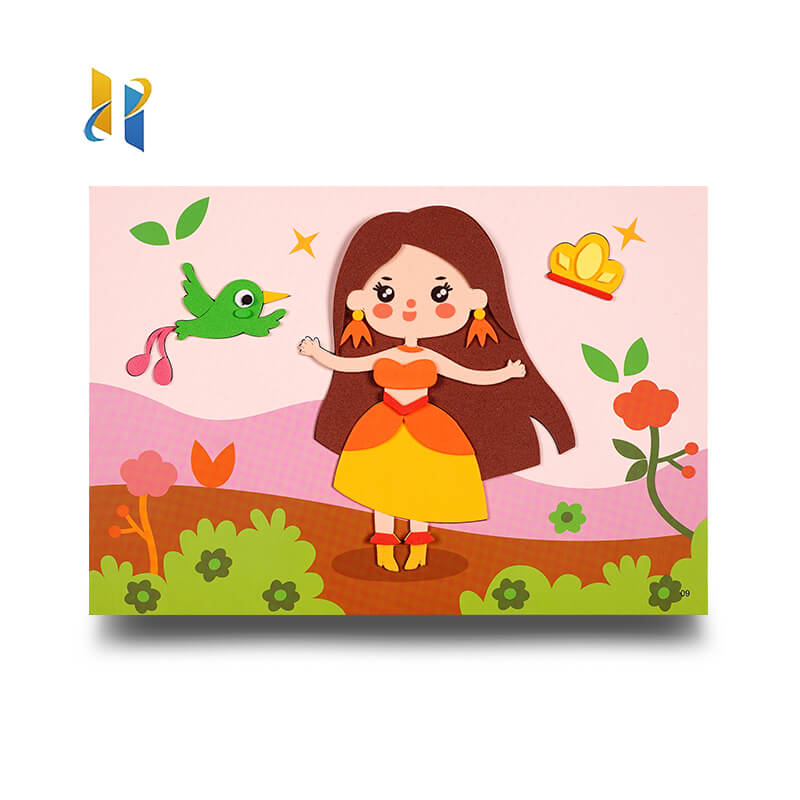
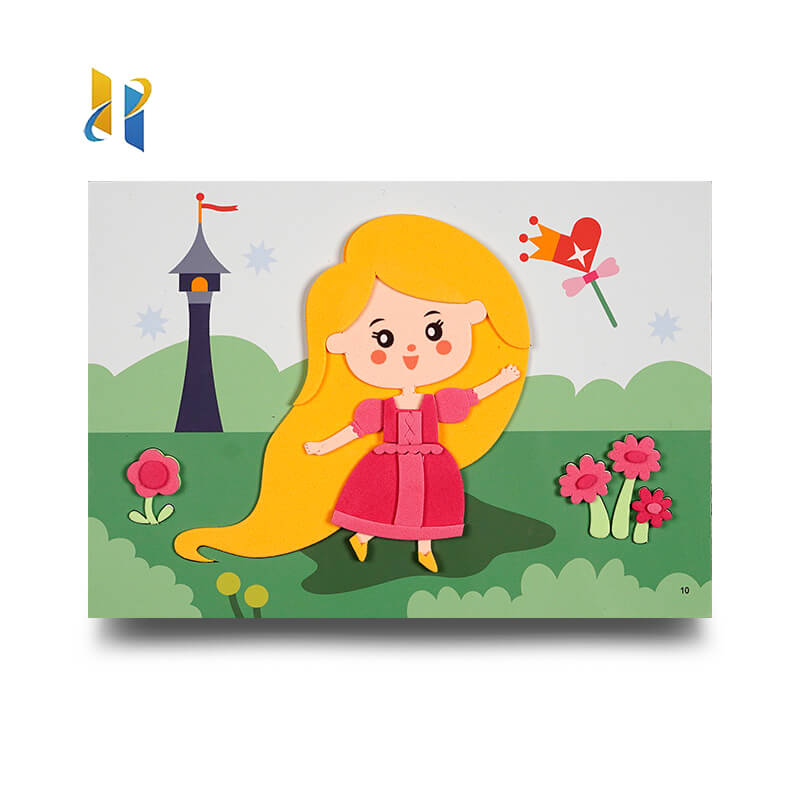
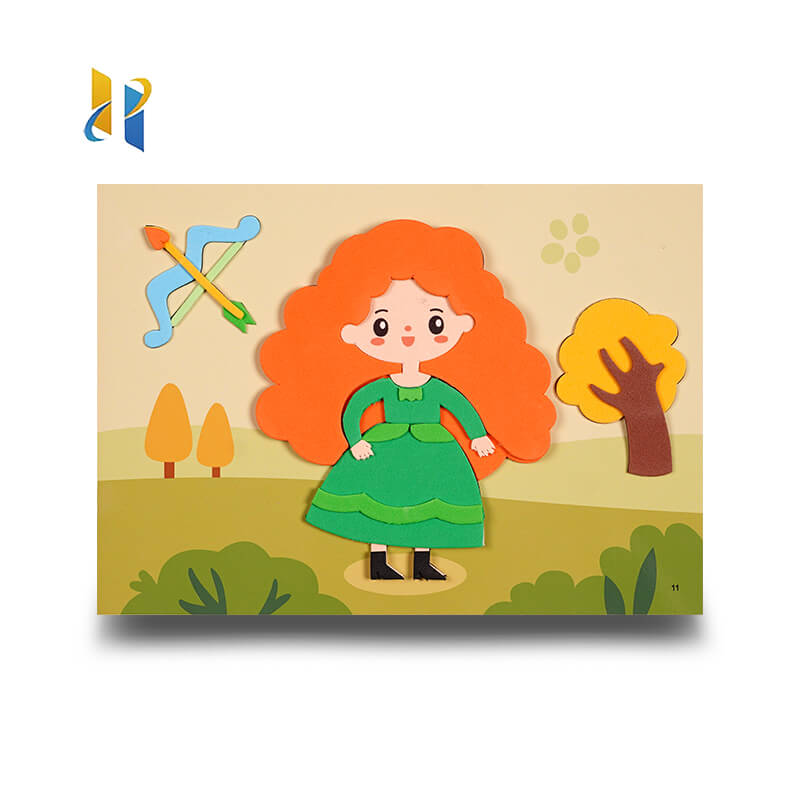
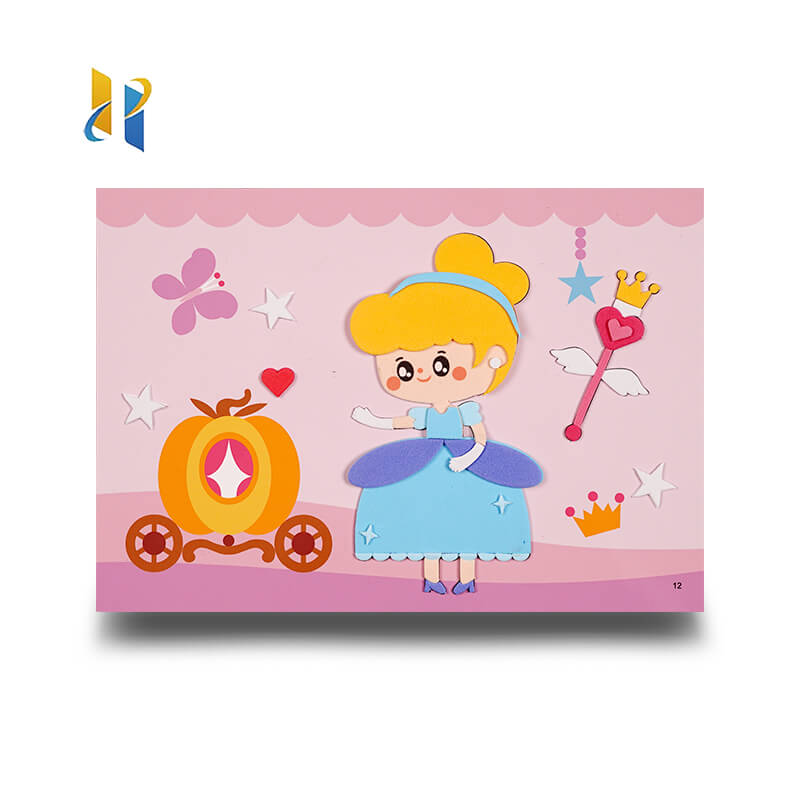
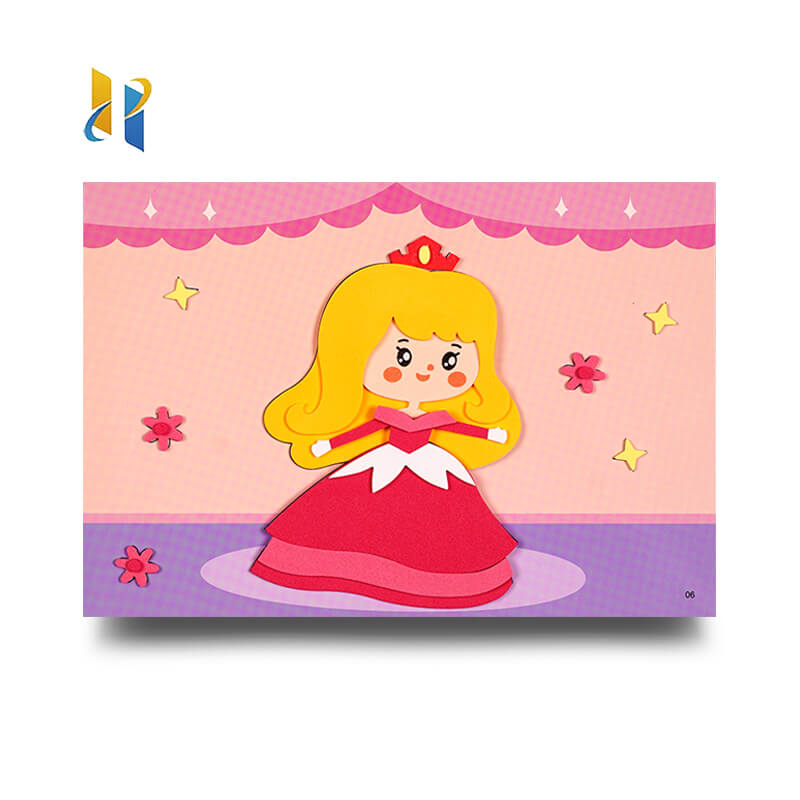
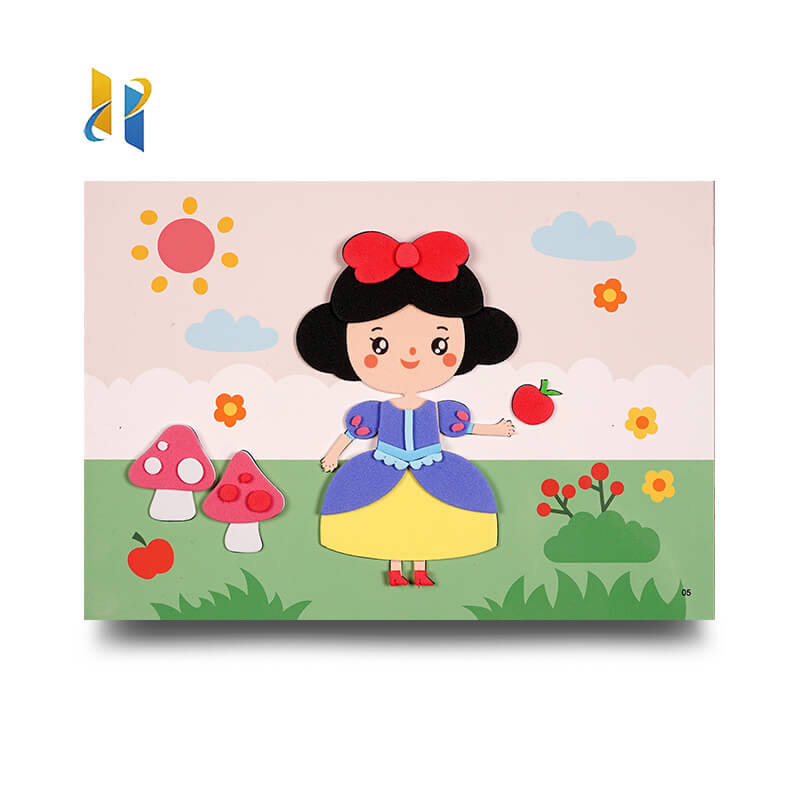
Narrative and Imaginative Play: The puzzle serves as a catalyst for imaginative storytelling. As children place stickers of princesses, castles, magical creatures, and ornate gowns, they are not just completing a picture; they are constructing a narrative. They might invent stories about the characters, their adventures, and the world they inhabit. This form of narrative play is vital for developing language skills, empathy, and creative thinking.
-
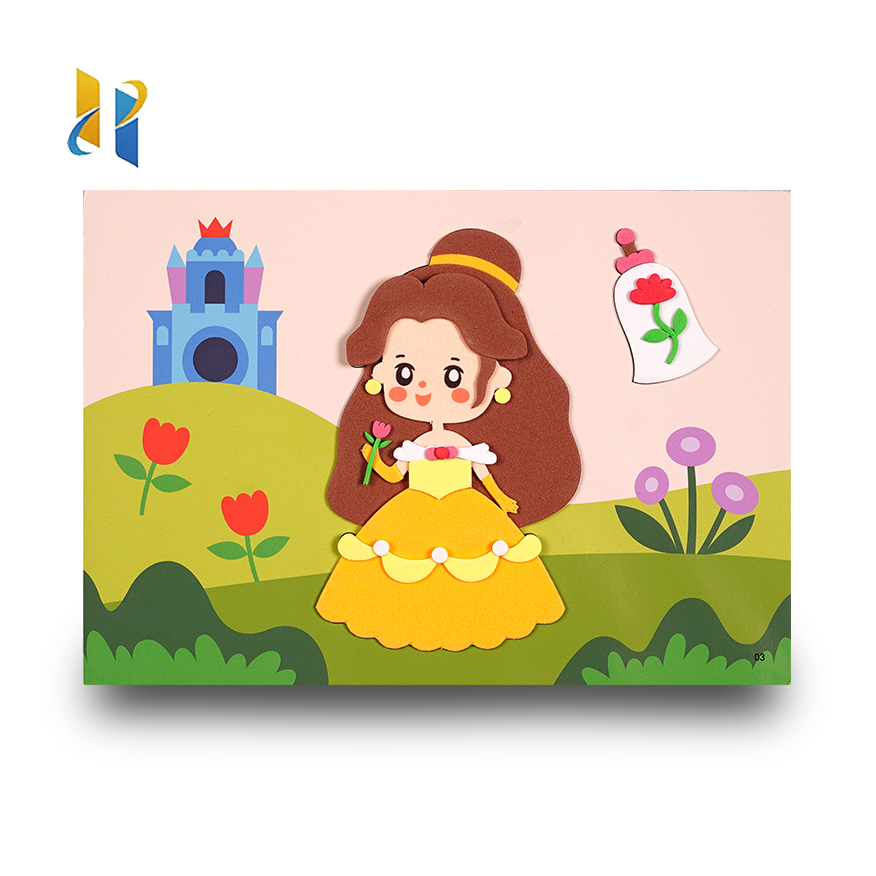
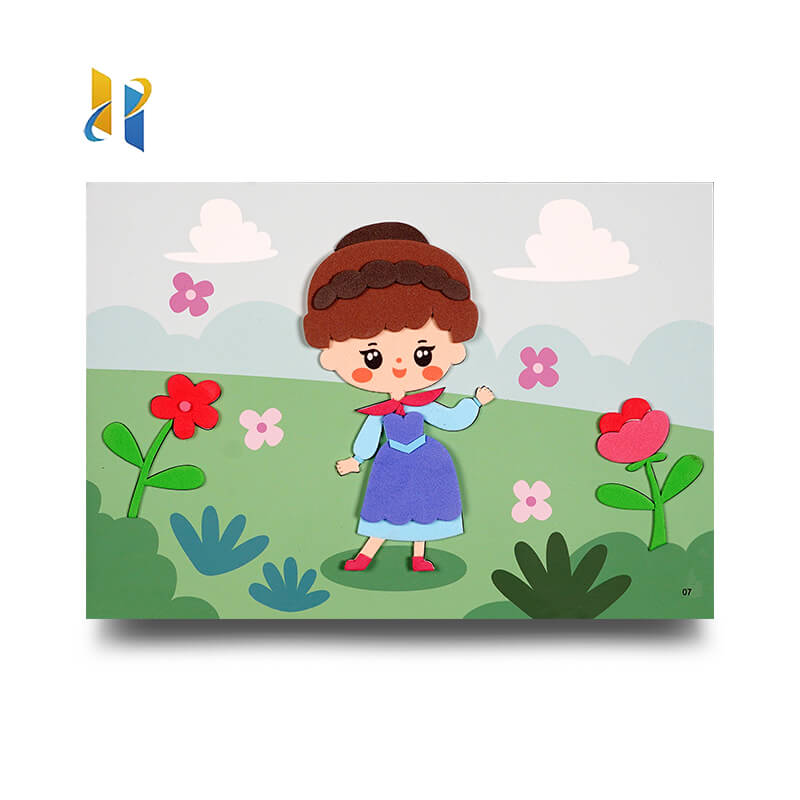
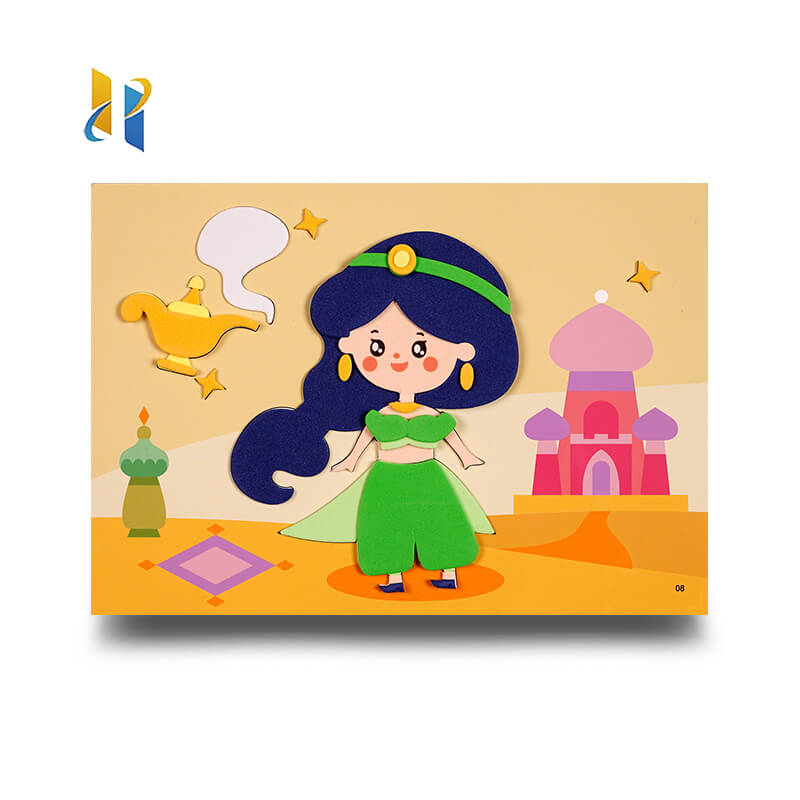
Aesthetic Appreciation and Color Theory: The designs are typically vibrant, colorful, and meticulously detailed. Engaging with this artwork helps children develop an early appreciation for aesthetics, composition, and color harmony. They learn, often subconsciously, how colors work together, how details contribute to a whole image, and the visual language of fantasy and royalty.
-
Empowerment and Identity Exploration: The princess figure, in its modern iterations, often symbolizes grace, kindness, courage, and leadership. For a child, interacting with these powerful and positive female role models can be an empowering experience. It allows them to explore themes of identity, virtue, and aspiration in a safe and engaging context.

3. Material and Tactile Experience: The Role of EVA Foam
The choice of EVA foam as the primary material is a critical factor in the puzzle's success and functionality.
-
Durability and Safety: EVA foam is a non-toxic, soft, and flexible material. Unlike paper stickers, EVA stickers are thick, durable, and resistant to tearing. They can be repositioned multiple times without losing their adhesive quality or being destroyed by clumsy little hands. This durability makes the product long-lasting and forgiving, reducing frustration for the child.
-
Superior Tactile Feedback: The material provides a satisfying tactile experience. The slightly cushioned feel of the foam, the ease of peeling, and the soft "click" or smooth application onto the board offer a sensory feedback loop that paper puzzles cannot match. This tactile engagement is particularly beneficial for sensory development and makes the activity more immersive.
-
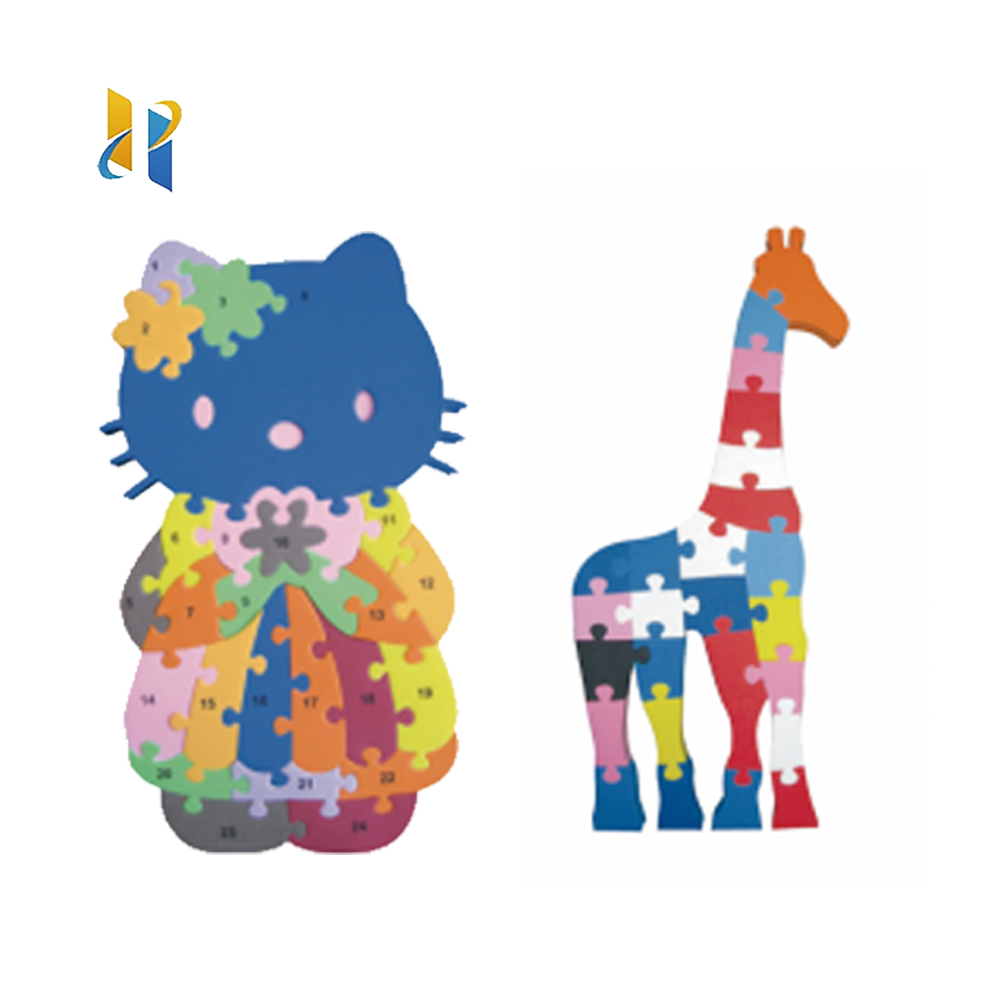
Visual and Dimensional Appeal: EVA foam can be brightly colored and has a slight sheen or matte finish that is visually appealing. Furthermore, the thickness of the stickers creates a low-relief, three-dimensional effect on the completed puzzle. This raised texture is visually interesting and provides another layer of sensory input, making the final product more rewarding to behold and touch.

4. Psychological and Emotional Rewards: The Path to a Sense of Achievement
The structure of the activity is designed to provide consistent psychological rewards, fostering a positive and confident mindset.
-
Manageable Challenge and Incremental Success: The puzzle is broken down into a series of small, achievable tasks (placing individual stickers). Each successfully placed sticker provides a micro-dose of accomplishment, motivating the child to continue. This step-by-step progression builds momentum and makes a potentially complex image feel manageable.
-
A Tangible and Celebrated Outcome: Upon completion, the child is left with a vibrant, tangible piece of art that they created themselves. This concrete result is a powerful source of pride and self-esteem. Displaying the finished puzzle on a wall or refrigerator validates their effort and serves as a lasting trophy of their perseverance and skill.
-
Mindful Focus and Stress Relief: The activity requires concentration on a single, straightforward task. This focused engagement can be a form of mindfulness for children, drawing their attention away from anxieties or overstimulation and providing a calming, meditative state. The repetitive actions of peeling and placing can be inherently soothing.

In conclusion, the Princess EVA Sticker Puzzle is a deceptively sophisticated educational tool. It seamlessly blends cognitive development, creative storytelling, thoughtful material design, and positive psychological reinforcement. It demonstrates that through playful, hands-on engagement, children can build essential skills while immersed in a world of fantasy and fun.
Custom Puzzle Mats & Puzzle Floor Mats: OEM Bulk EVA Interlocking Flooring Tiles
The Multifaceted Value of Colored EVA Animal Jigsaw Puzzles in Child Development
Related Article