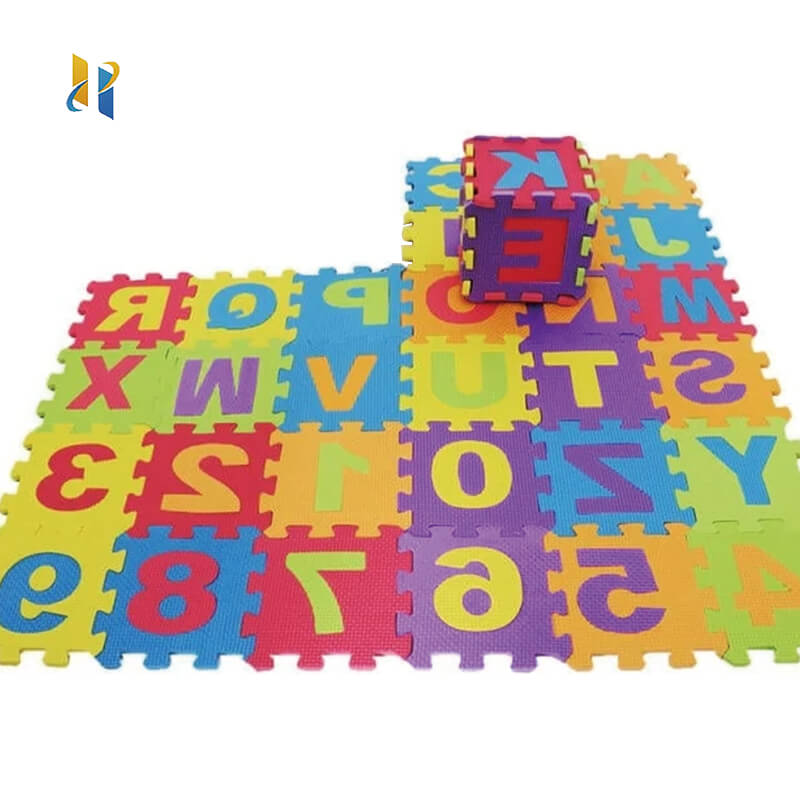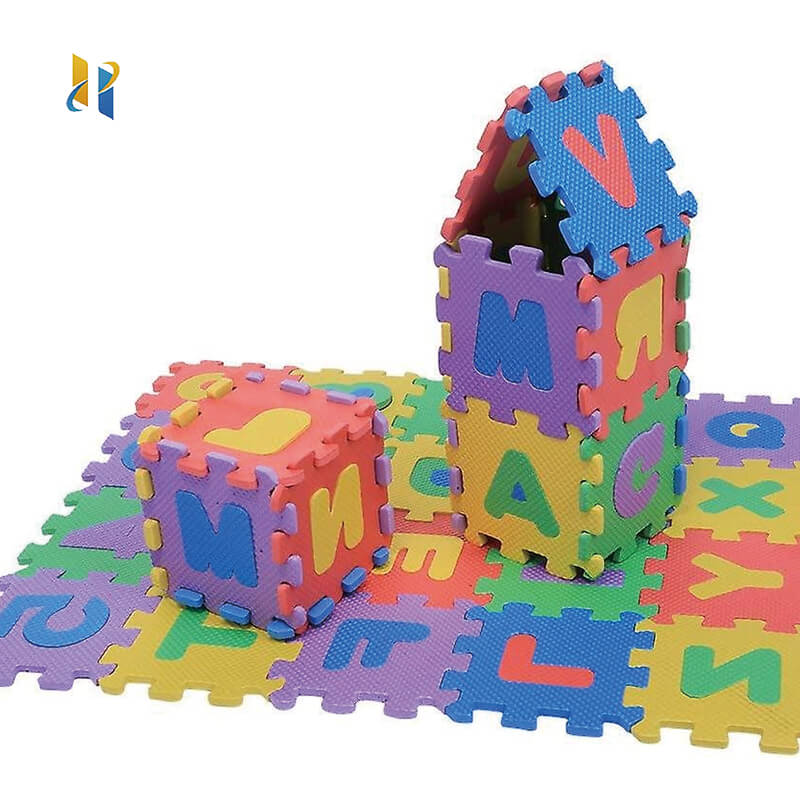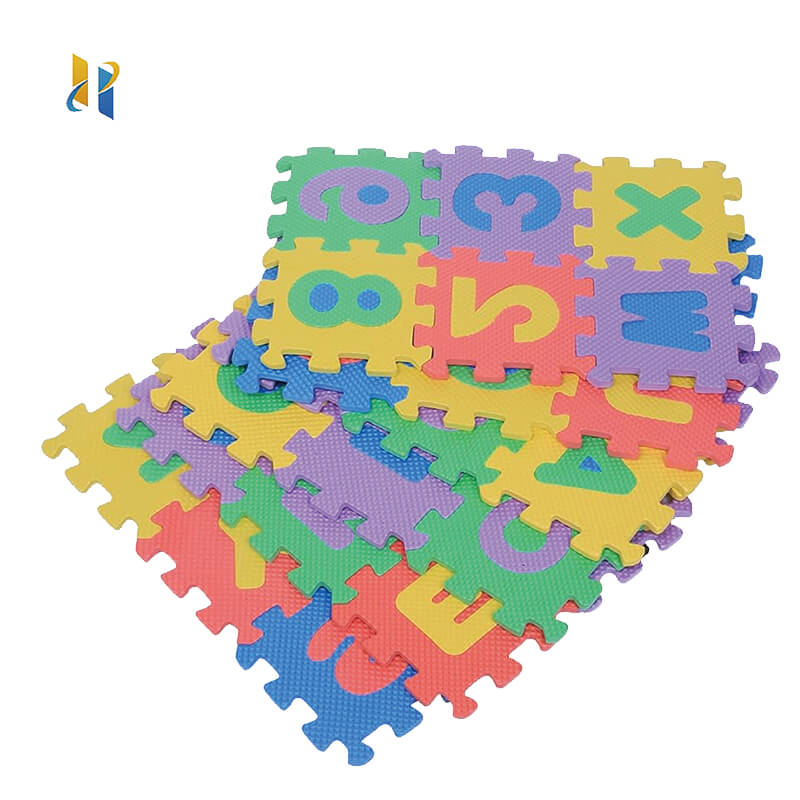
The Multifaceted Value of Colored EVA Animal Jigsaw Puzzles in Child Development
1. Sensory Engagement and Tactile Exploration
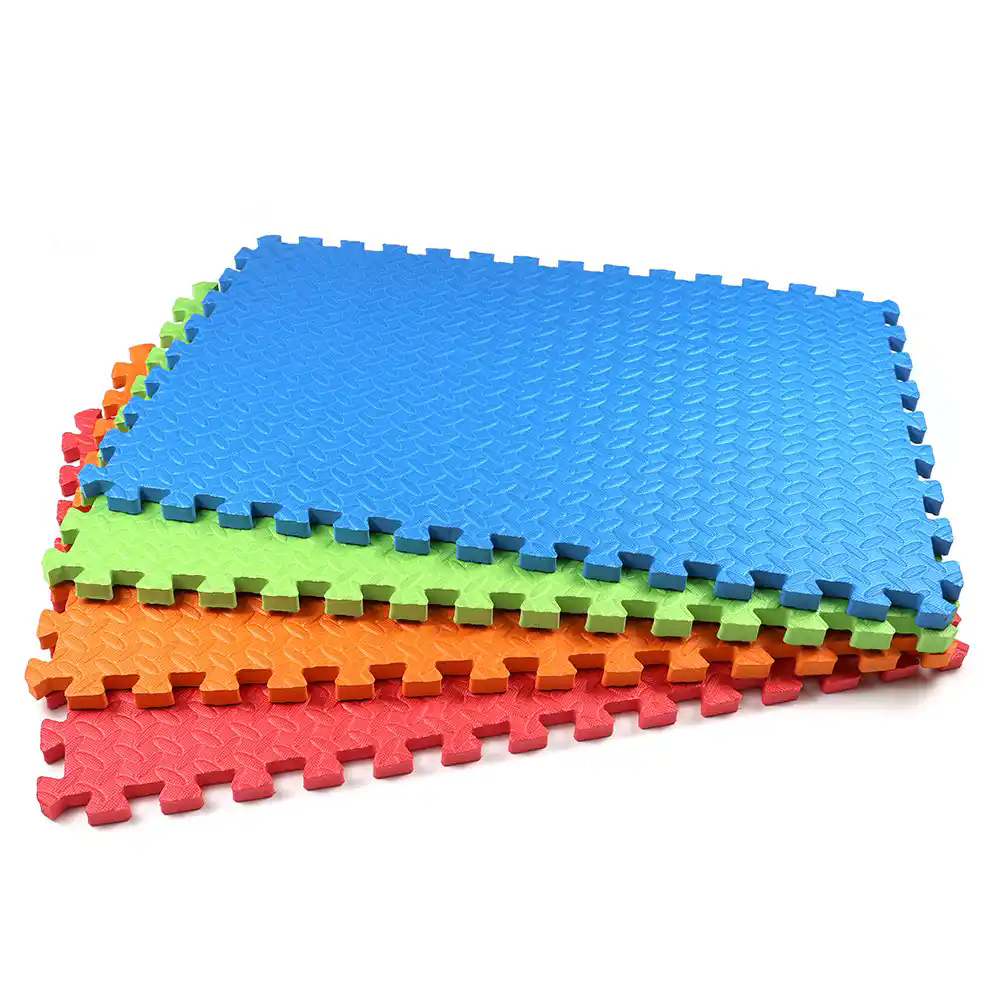
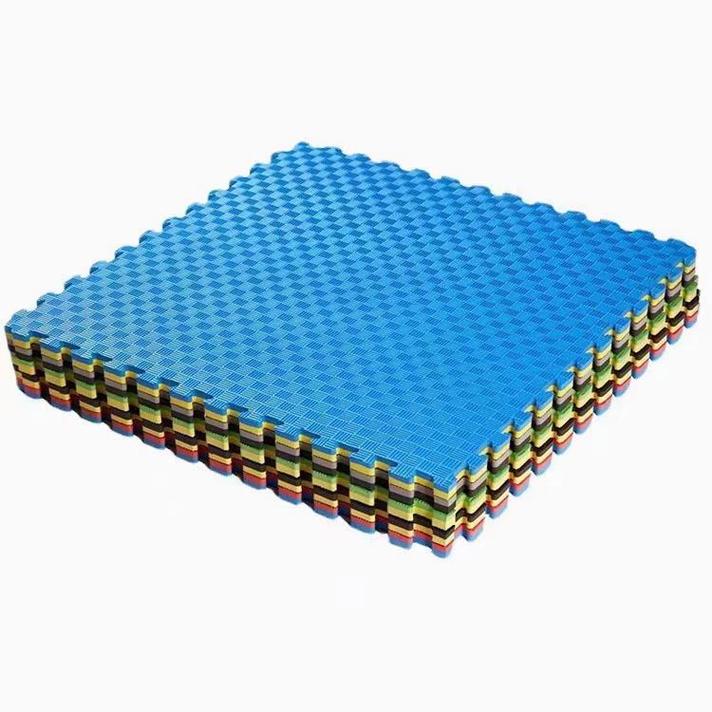
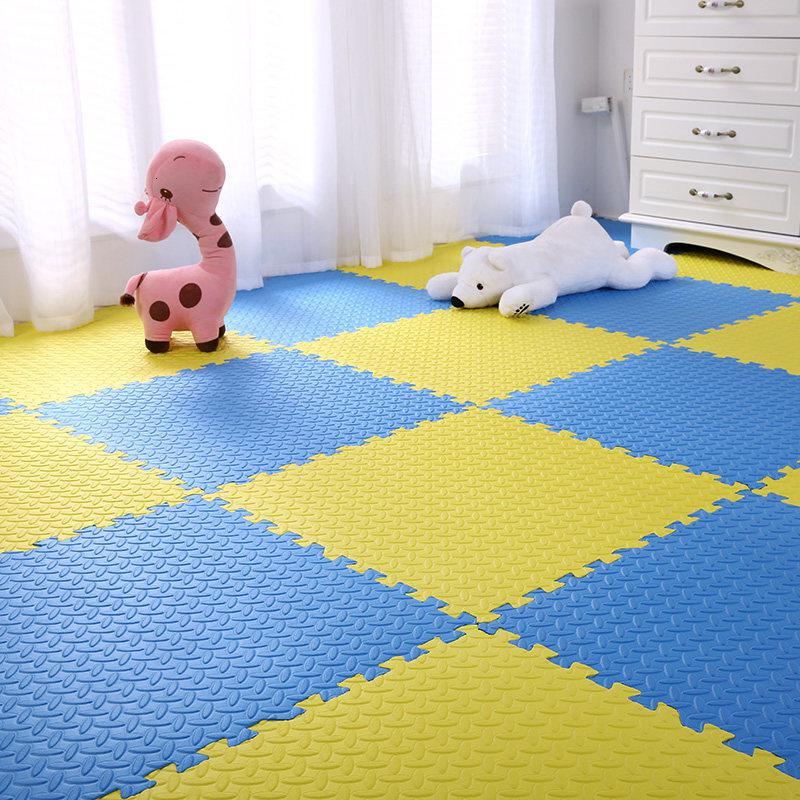
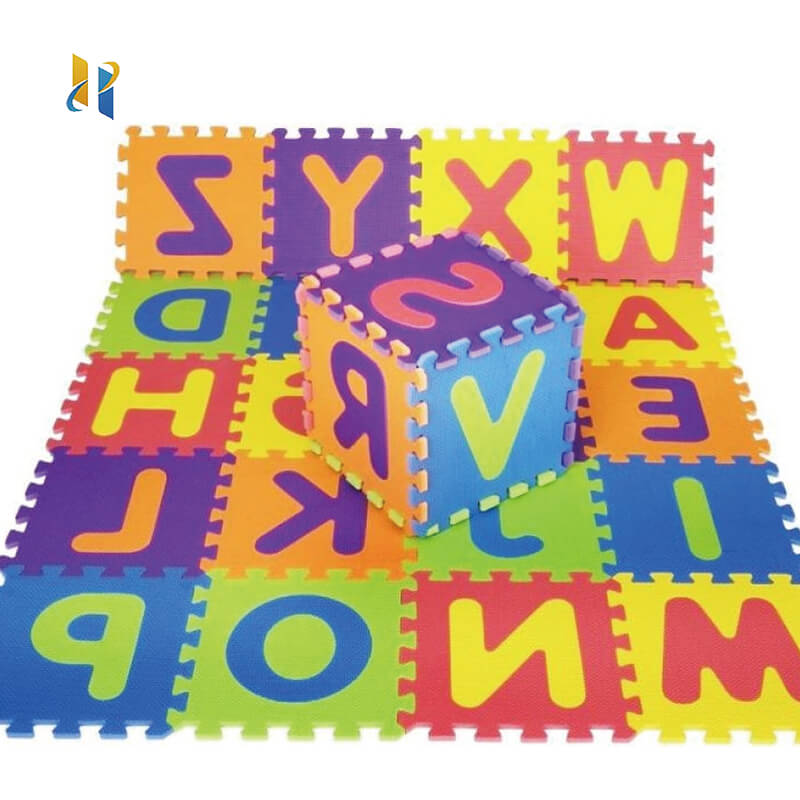
The primary distinction of EVA foam puzzles lies in their material properties, which offer a rich sensory experience crucial for early childhood development.
-
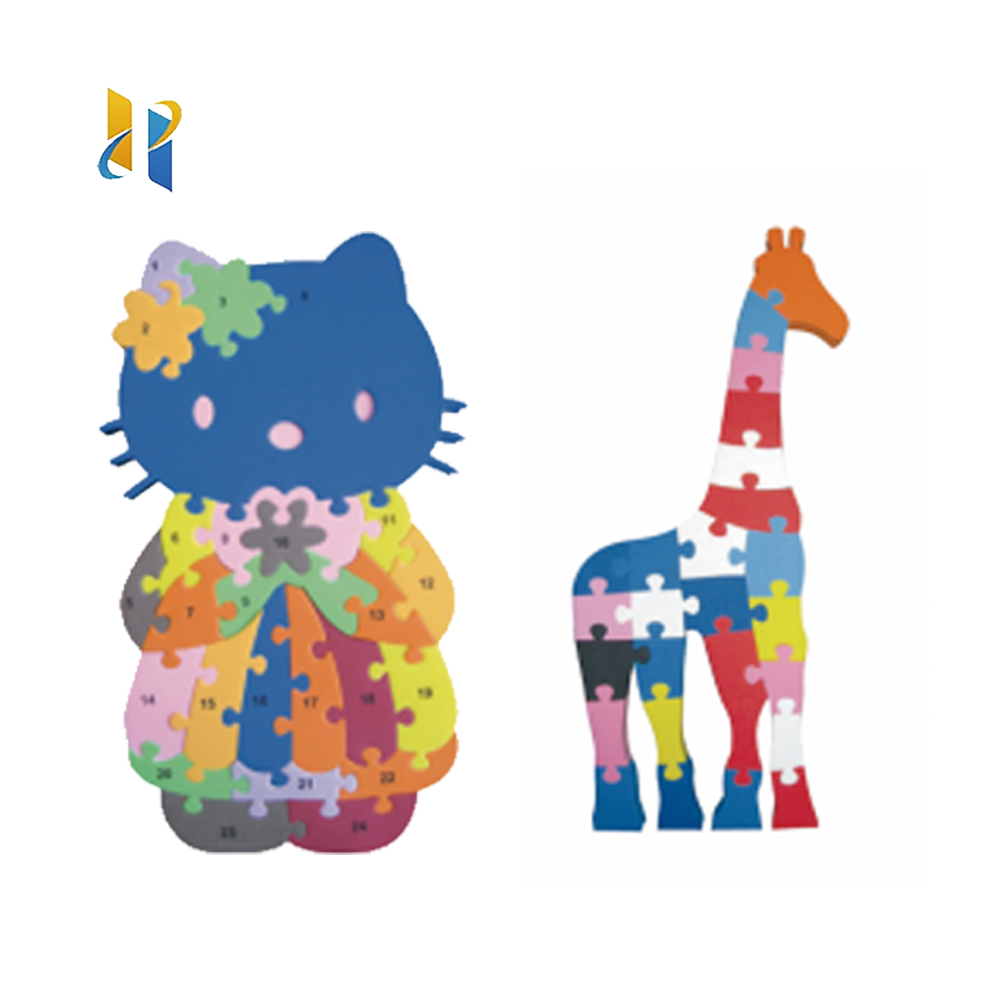
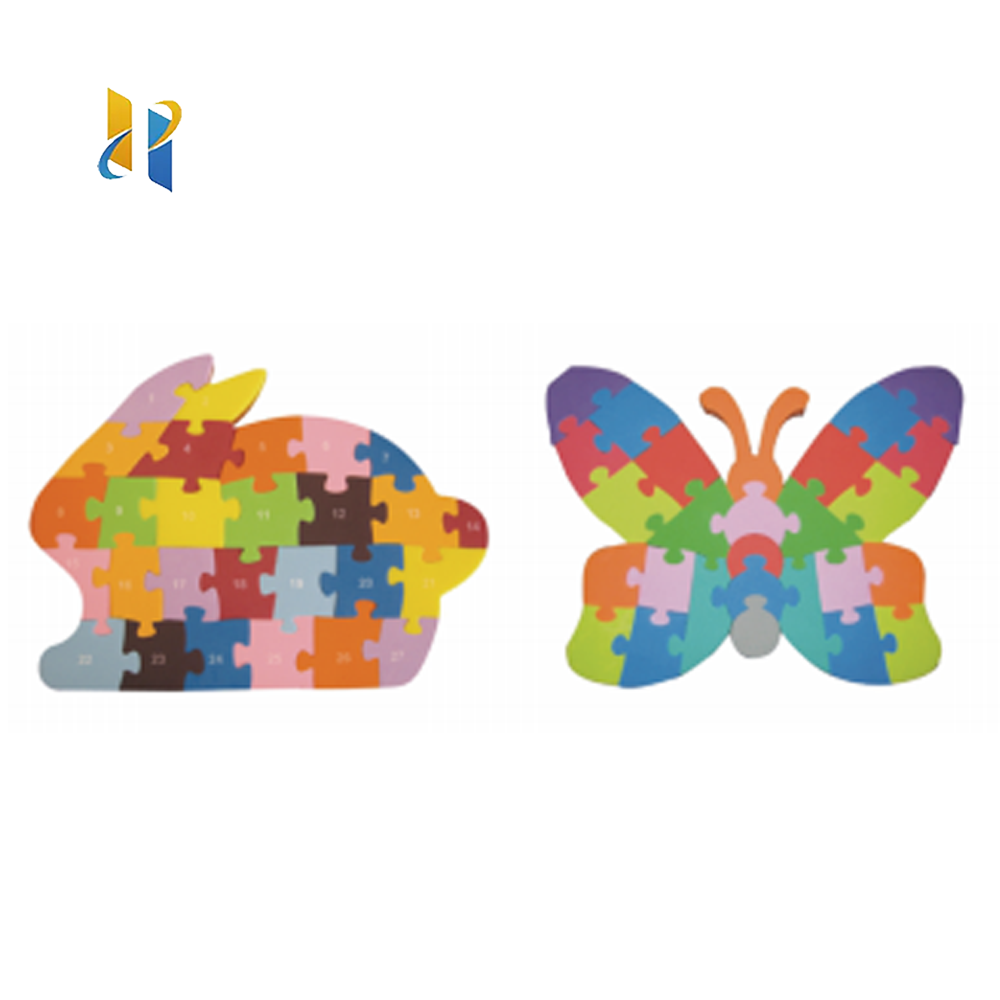
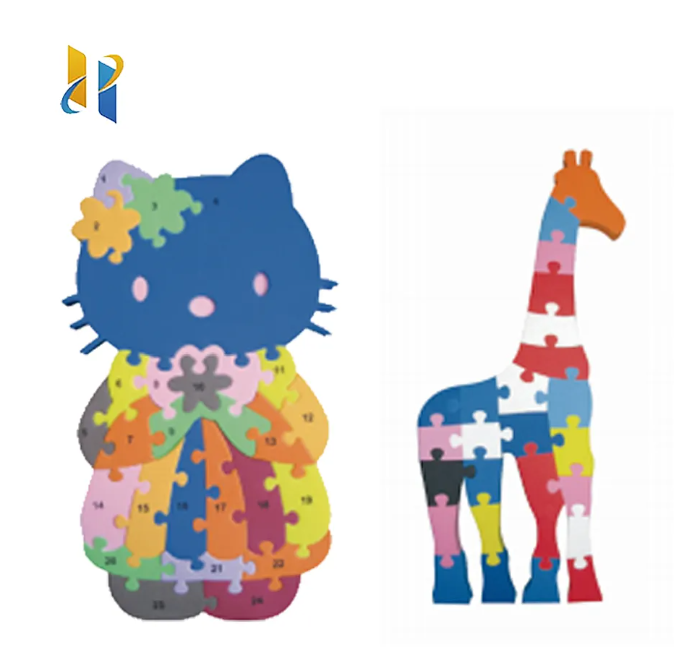
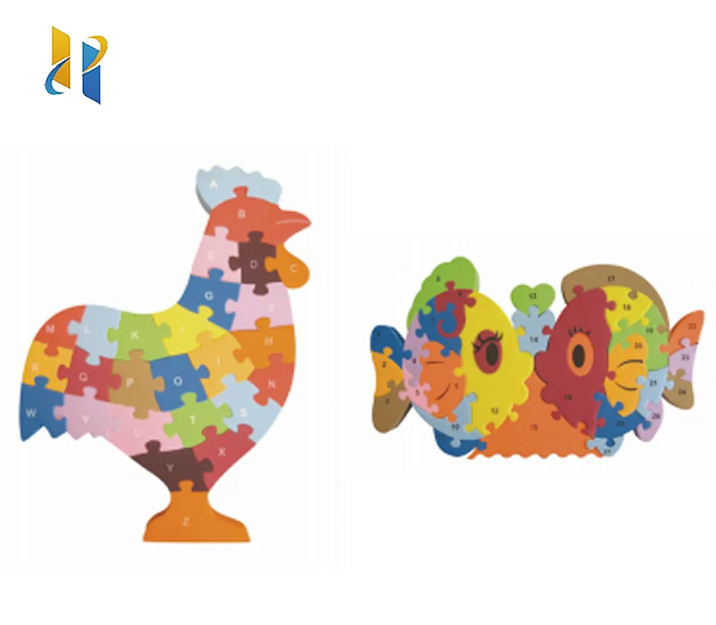
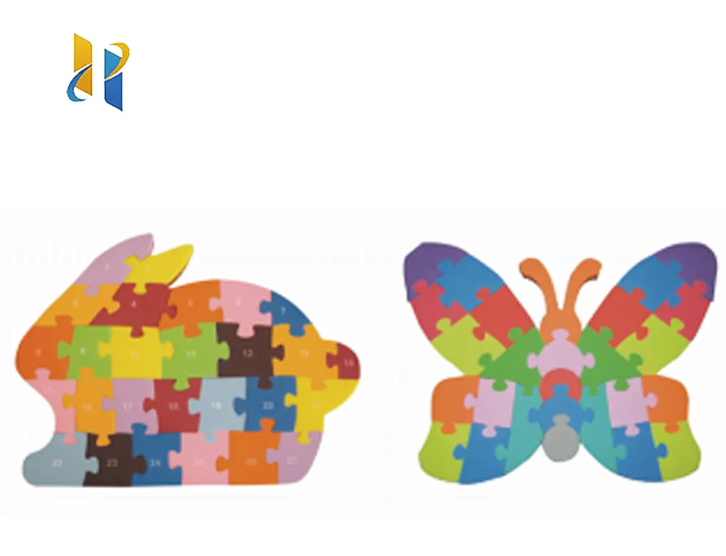
Vivid Visual Stimulation: These puzzles are characterized by bright, saturated colors. The depiction of familiar animals in high-contrast, vibrant hues captures a child's attention and aids in color recognition. For instance, a lion might be a brilliant yellow, a frog a luminous green, and an elephant a solid, friendly blue. This visual appeal makes the activity inherently attractive and stimulating.
-
Unique Tactile Feedback: Unlike flat paper or wood, EVA foam has a soft, spongy, and lightweight texture. It is pleasant to touch and easy for small hands to grip, lift, and manipulate. This tactile input is calming for some children and provides essential sensory feedback that helps build neural connections in the brain. The act of pressing a piece into place and feeling it "give" slightly before settling is a satisfying sensation that cardboard cannot replicate.
-
Safety and Durability: EVA is a non-toxic, BPA-free material, making it safe for children who are still in the oral stage and might put toys in their mouths. Furthermore, it is washable, tear-resistant, and waterproof, ensuring the puzzle can withstand rough handling, drool, and accidental spills, thus having a long lifespan in a child's toy collection.
2. Cognitive Development and Foundational Learning
At their core, these puzzles are powerful tools for cognitive growth, seamlessly integrating learning with play.
-
Problem-Solving and Critical Thinking: The fundamental act of solving a jigsaw puzzle is an exercise in logic and reasoning. Children must identify shapes, compare them to the available spaces, and often use a trial-and-error approach. This process enhances their spatial reasoning, pattern recognition, and strategic planning skills. They learn the concepts of parts and wholes, understanding that individual pieces come together to form a complete picture.
-
Knowledge Acquisition: Animal-themed puzzles are a direct conduit for early science and biology education. Children learn to identify different animals, their names, and their characteristic features—the trunk of an elephant, the mane of a lion, or the shell of a turtle. This can spark a broader interest in wildlife, nature, and the environment, serving as a springboard for further learning through books and documentaries.
-
Memory and Concentration: Completing a puzzle requires sustained focus and attention. Children must remember the shape and color of a piece they saw earlier and recall where it might fit. This practice strengthens working memory and extends their concentration span, a skill that is directly transferable to academic settings like a classroom.
3. Motor Skill Refinement and Physical Dexterity
The physical interaction with EVA puzzles is instrumental in honing both gross and fine motor skills.
-
Fine Motor Skill Development: The precise actions of picking up, rotating, and fitting the puzzle pieces together require controlled use of the small muscles in the fingers, hands, and wrists. This practice is essential for developing the pincer grasp, which is the coordination between the thumb and forefinger. This same grasp is later critical for holding a pencil, using utensils, and buttoning clothes.
-
Hand-Eye Coordination: The brain must constantly communicate with the hands to guide the piece to the correct location and orient it properly. This continuous loop of visual input and physical adjustment significantly improves hand-eye coordination, a foundational skill for many future activities, from playing sports to writing.
4. Emotional and Social Growth
Beyond the individual skills, these puzzles offer valuable lessons in emotional resilience and social interaction.
-
Building Self-Esteem and Resilience: The moment a child places the final piece into a puzzle is a triumph. This achievement provides a tangible sense of accomplishment and boosts self-confidence. Furthermore, puzzles teach children to cope with frustration in a safe environment. When a piece doesn't fit, they learn to persist, try different approaches, and manage minor setbacks, thereby building resilience.
-
Promoting Cooperative Play: Larger or more complex EVA puzzles provide an excellent opportunity for social play. Children can work together with siblings, friends, or parents, learning to share pieces, communicate their ideas ("I think the giraffe's neck goes here"), and collaborate towards a common goal. This fosters teamwork, patience, and verbal communication skills.
In conclusion, colored EVA animal jigsaw puzzles are far more than simple distractions. They are a meticulously designed educational tool that engages a child's senses, challenges their mind, refines their physical abilities, and nurtures their emotional well-being. By combining the inherent appeal of animals and bright colors with the safe, tactile superiority of EVA foam, these puzzles offer a comprehensive and enjoyable learning experience that lays a strong foundation for a child's future growth and development.
Deconstructing the Princess EVA Sticker Puzzle: A Multi-Faceted Analysis
The Application of Princess-Themed Jigsaw Puzzles for Girls: A Multifaceted Approach to Development
Related Article