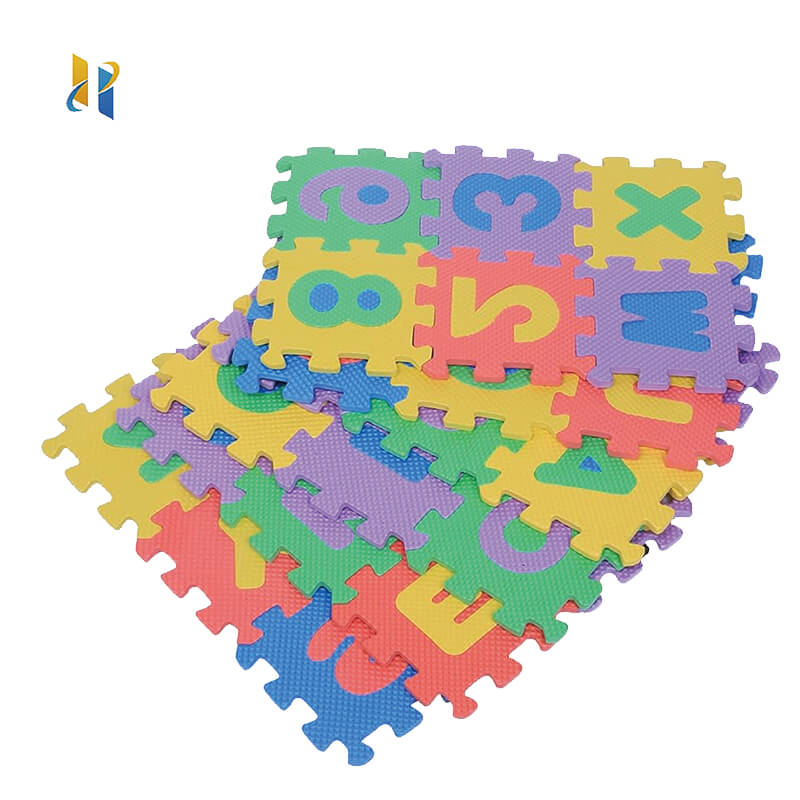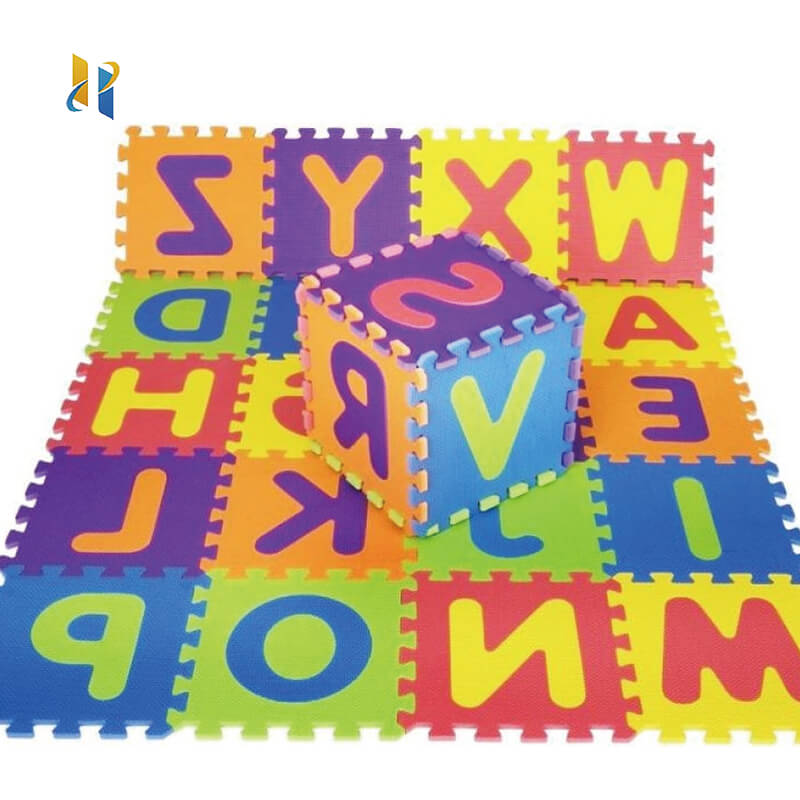
The Educational and Developmental Value of Children's Interlocking EVA Foam Building Blocks
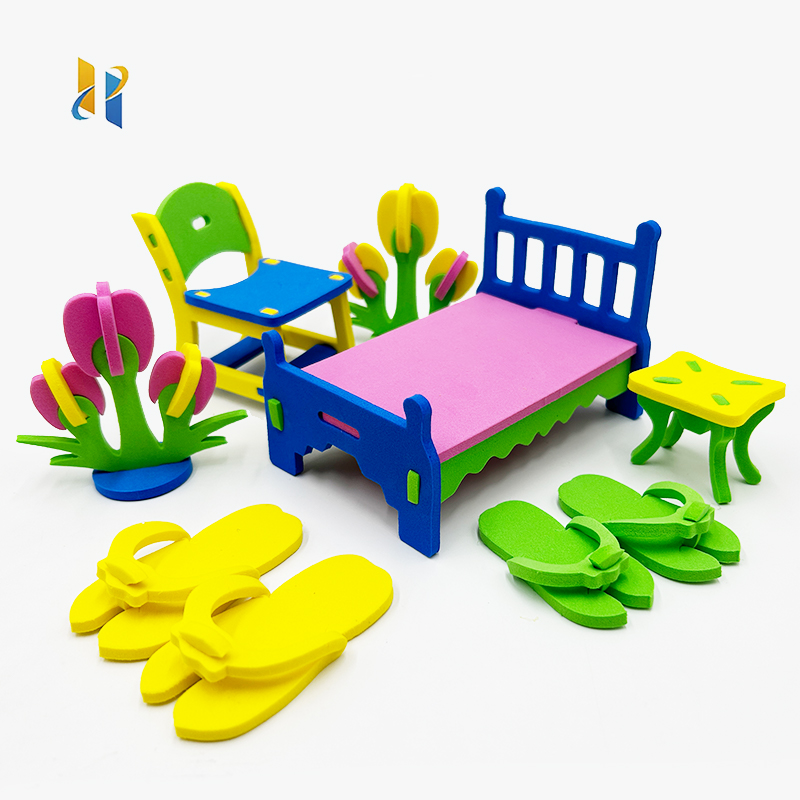
1. Cognitive Development and STEM Foundations
At the core of playing with interlocking EVA blocks is the stimulation of fundamental cognitive skills.
-
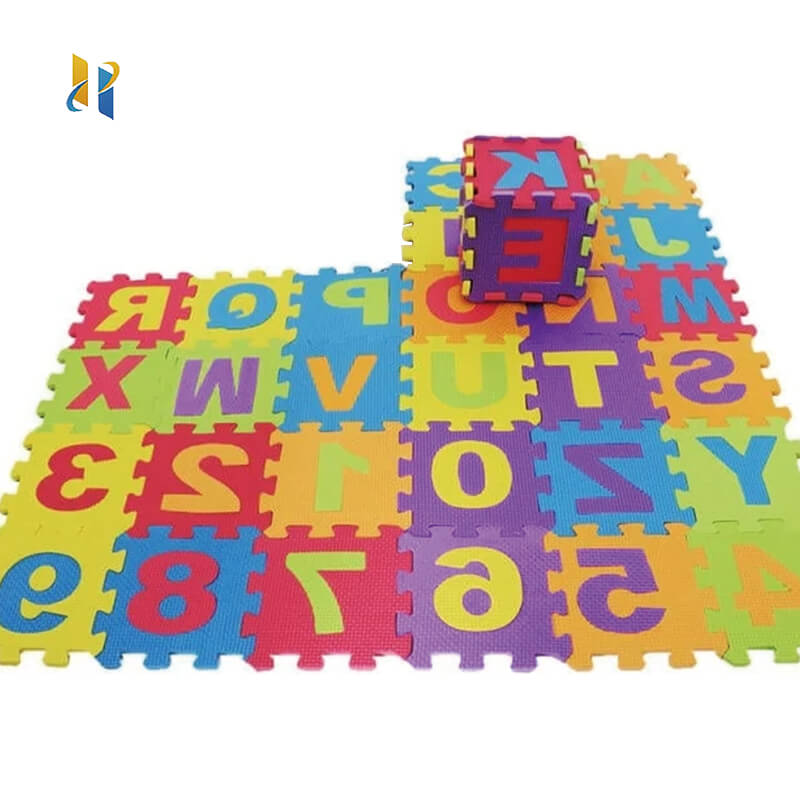
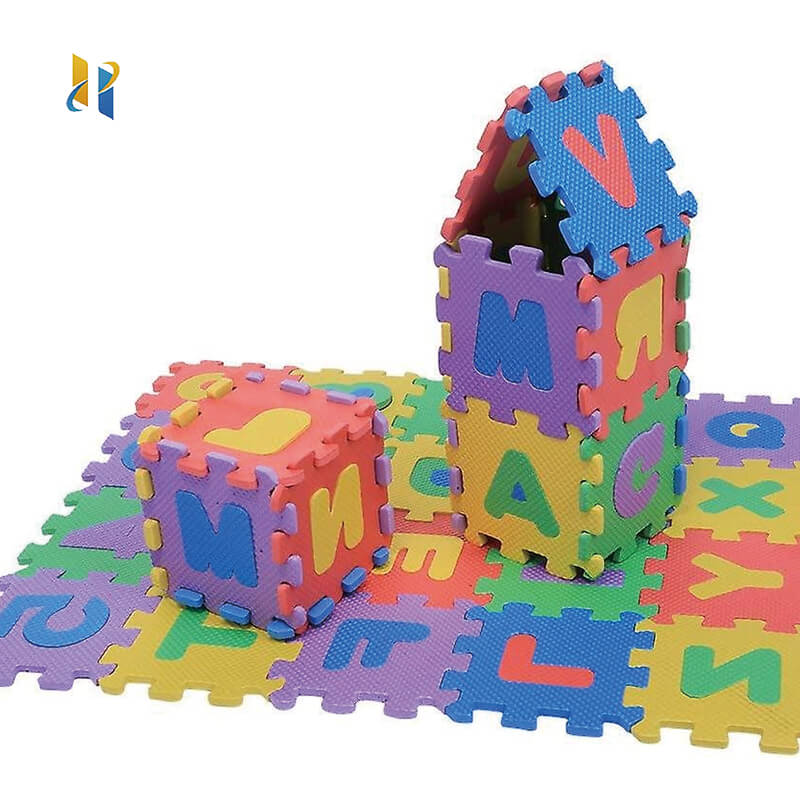
Spatial Reasoning and Engineering Concepts: As children connect the blocks to form walls, towers, and elaborate structures, they are engaging in hands-on engineering. They must think in three dimensions, plan their designs, and understand how different pieces fit together to create a stable form. This process introduces basic architectural and structural principles, such as the need for a strong base and the concept of load distribution.
-
Problem-Solving and Critical Thinking: Inevitably, a structure will collapse or a piece will not fit as intended. These "failures" are invaluable learning opportunities. Children are compelled to analyze what went wrong, hypothesize a solution (e.g., "I need a larger base," or "This connector is too weak"), and test their new idea. This trial-and-error approach fosters resilience and critical thinking.
-
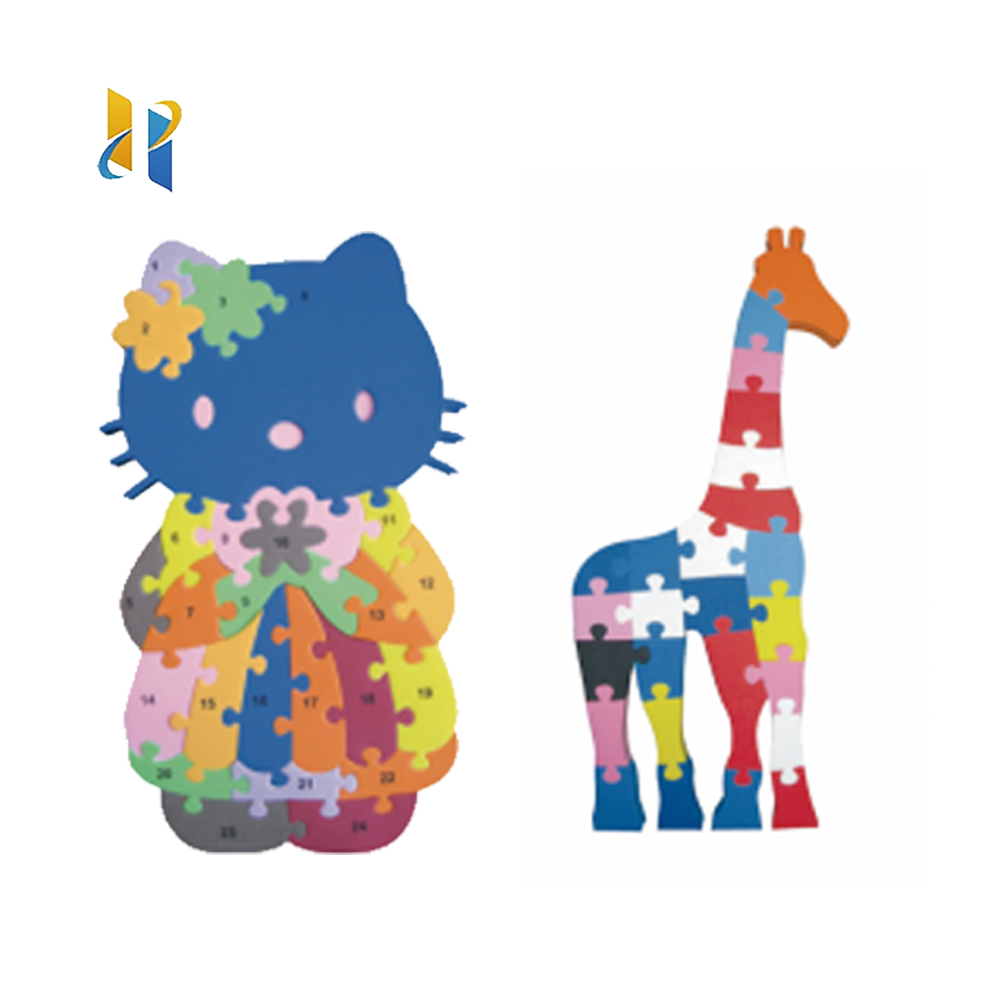
Mathematical Skills: The blocks are natural tools for learning early math. Children engage in sorting by color, shape, and size. They practice counting pieces, comparing quantities, and recognizing patterns and sequences as they build. Concepts like geometry (squares, triangles, arches) and symmetry are explored organically through play.

2. Physical and Motor Skill Enhancement
The tactile nature of EVA block play provides significant benefits for a child's physical development.
-
Fine Motor Skill Refinement: The act of connecting and disconnecting the blocks requires precise hand movements. Children must use a pincer grasp, apply the right amount of pressure, and coordinate their finger and hand muscles to successfully interlock the pieces. This strengthens the small muscles in the hands and wrists, which is crucial for later tasks like writing, using utensils, and buttoning clothes.
-
Gross Motor Skill Development: Unlike small building blocks, EVA foam sets often include large tiles designed for building life-sized structures like forts, tunnels, and playhouses. As children construct these larger creations, they are stretching, bending, lifting, and crawling, which promotes the development of large muscle groups, balance, and overall body coordination.
-
Sensory Integration: The soft, slightly textured foam provides a safe and appealing sensory experience. The material is lightweight yet durable, offering resistance when pushed together, which provides valuable proprioceptive feedback to a child's joints and muscles, helping them understand their body's position and movement in space.

3. Social-Emotional and Creative Growth
The collaborative potential of EVA block sets makes them excellent for fostering social and emotional intelligence.
-
Collaboration and Communication: When children build together, they must learn to share materials, negotiate roles ("You build the door, and I'll build the roof"), and communicate their ideas effectively. They practice turn-taking, listening to others' suggestions, and working towards a common goal, which are essential social skills for life.
-
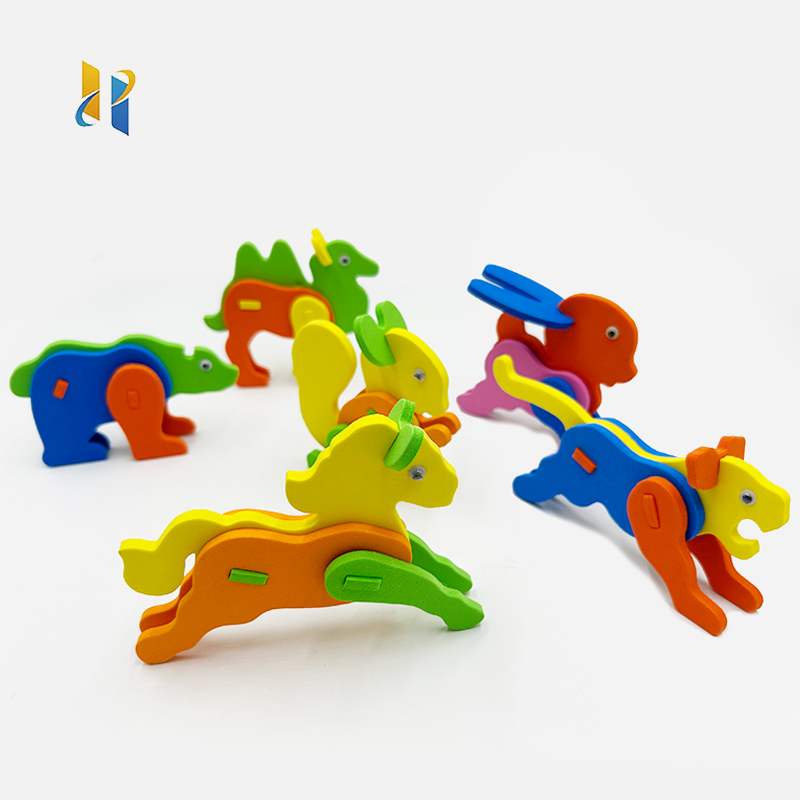
Imaginative and Symbolic Play: A set of interlocking blocks is a blank canvas for the imagination. A simple assembly of tiles can become a castle, a spaceship, a animal stable, or a racetrack for toy cars. This type of symbolic play is critical for creativity, storytelling, and language development as children narrate their scenarios and assign roles to their creations and themselves.
-
Boosting Self-Esteem and Confidence: The process of transforming an abstract idea in their mind into a tangible, physical structure provides a tremendous sense of accomplishment. Successfully completing a build, whether alone or as part of a team, boosts a child's confidence in their own abilities and encourages a "can-do" attitude.

4. Safety and Practical Design
The material and design of EVA foam blocks are intentionally child-centric.
-
Inherent Safety Features: EVA foam is non-toxic, lightweight, and soft. The edges of the blocks are rounded, and the material itself cushions falls, making it an ideal choice for active play. This inherent safety allows parents and educators to feel secure while giving children the freedom to explore and play vigorously.
-
Durability and Ease of Maintenance: High-quality EVA foam is water-resistant and easy to clean with a damp cloth, making it hygienic for use in various settings. The material is also durable enough to withstand repeated assembly and disassembly without tearing or losing its shape, ensuring long-term value.
-
Versatility and Accessibility: These blocks are often designed with universal connectors, allowing for compatibility between different sets and brands. This versatility encourages endless creative possibilities. Furthermore, their simple, tactile nature makes them accessible and enjoyable for children with a wide range of abilities and learning styles.
In conclusion, children's interlocking EVA foam building blocks are a quintessential example of "learning through play." They are not merely a pastime but a comprehensive developmental tool. By engaging a child's mind, body, and social spirit, these humble foam tiles lay a strong foundation for critical thinking, physical dexterity, creative expression, and collaborative skills, proving that the simplest toys can often have the most profound and lasting impact.
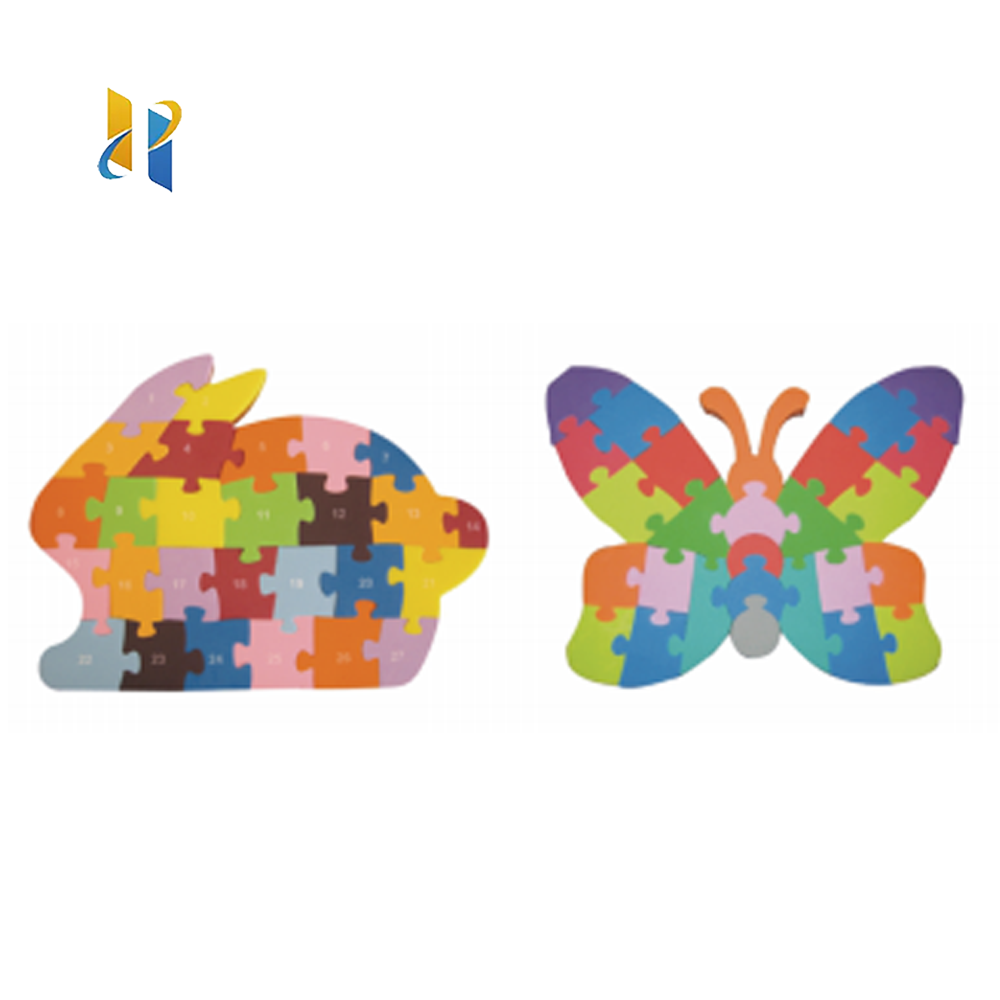
The Multifaceted Role of EVA Animal Puzzle Toys in Child Development
A Multi-Faceted Analysis of the Bathroom Wall Sticker & Floating EVA Foam Toy
Related Article