The Multifaceted Role of EVA Animal Puzzle Toys in Child Development
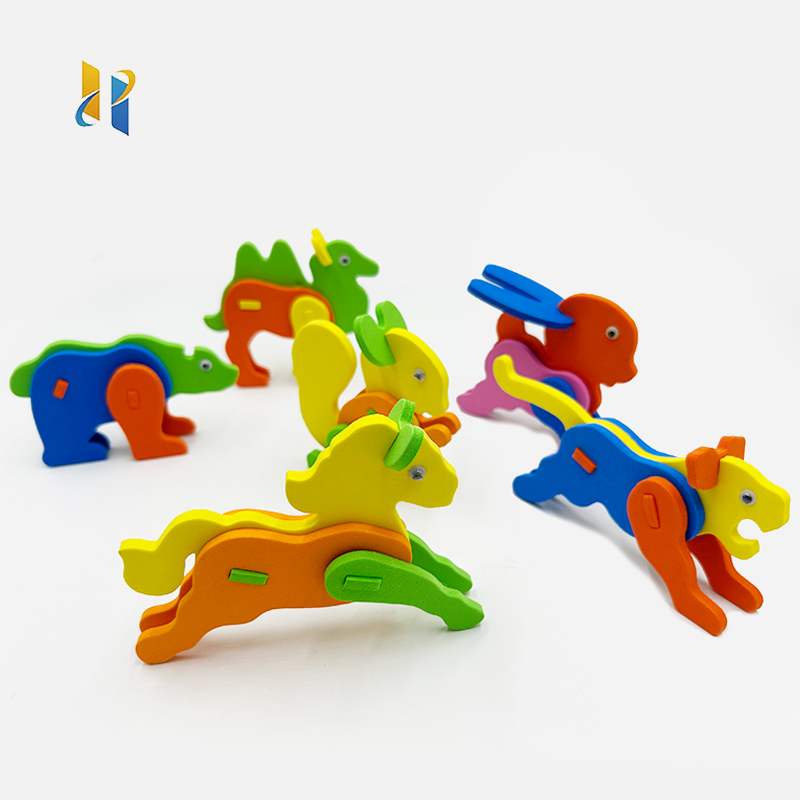
1. Cognitive Development: Building the Foundations of Thought
The very nature of puzzle assembly is a cognitive workout for a young mind. This role can be broken down into several key processes:
-
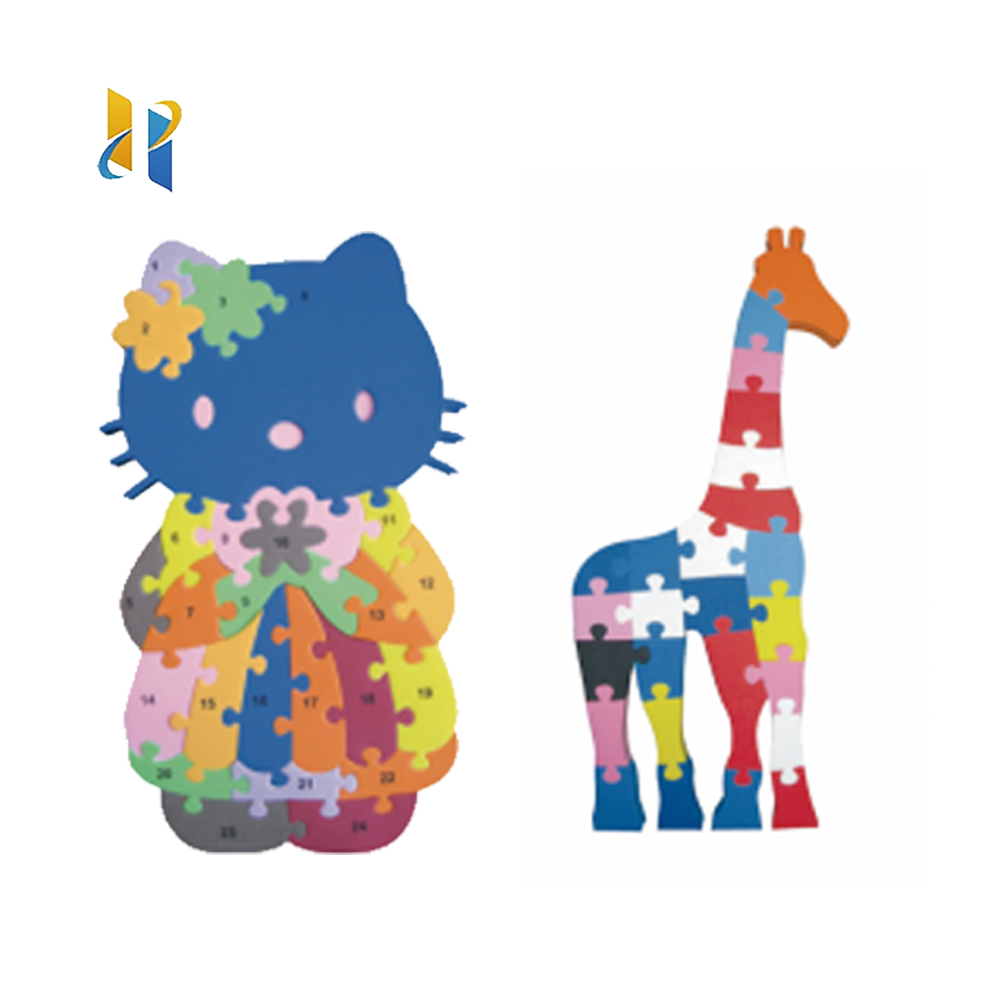
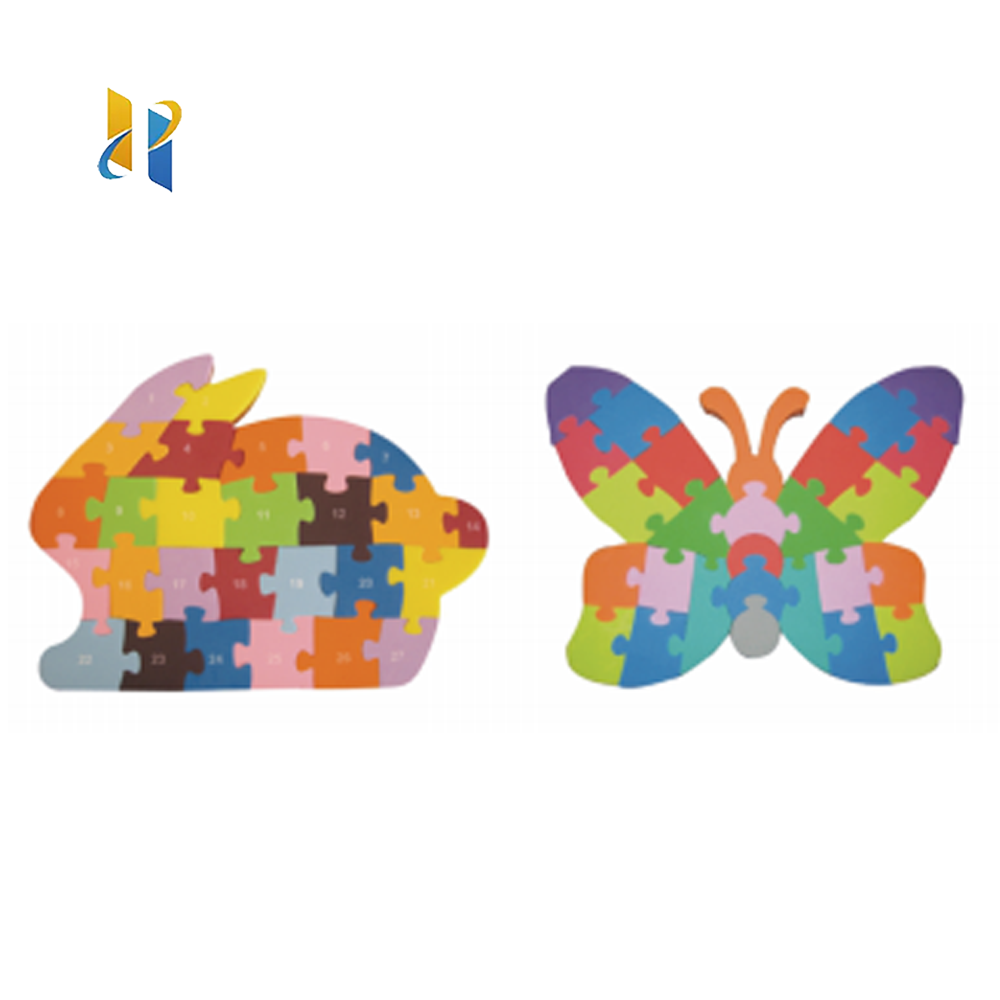
Problem-Solving and Critical Thinking: A child faced with a disassembled elephant must engage in trial and error, logical reasoning, and strategic planning. They learn to recognize that a curved piece might form a tail or a trunk, and a larger, four-legged piece constitutes the body. This process of hypothesizing, testing, and correcting is the bedrock of scientific thinking and analytical reasoning.
-
Spatial Reasoning and Visual Perception: Manipulating the pieces in space helps children understand concepts like rotation, symmetry, and fit. They develop the ability to mentally visualize the final animal and understand how two-dimensional shapes create a three-dimensional form. This enhances their visual-perceptual skills, which are crucial for later tasks in mathematics, engineering, and reading.
-
Memory and Concentration: As children become familiar with a specific puzzle, they begin to remember how the pieces connect. This exercises their short-term and working memory. Furthermore, the engaging task of completing a puzzle requires sustained attention and focus, training them to concentrate on a single activity for extended periods, thereby improving their attention span.
-
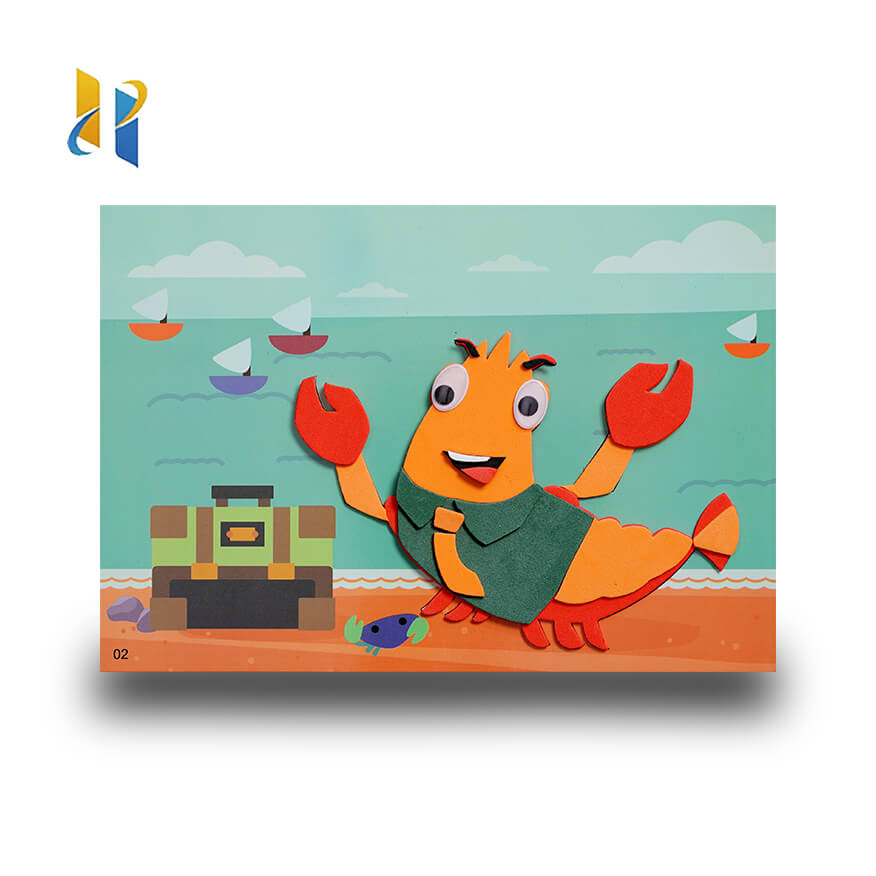
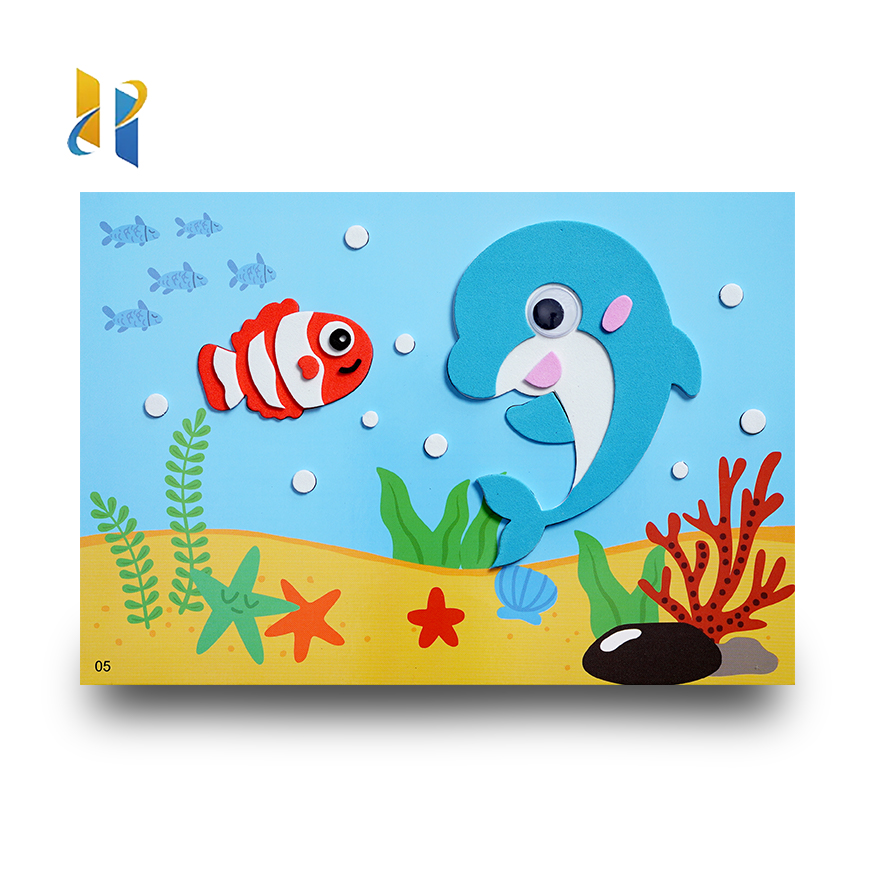
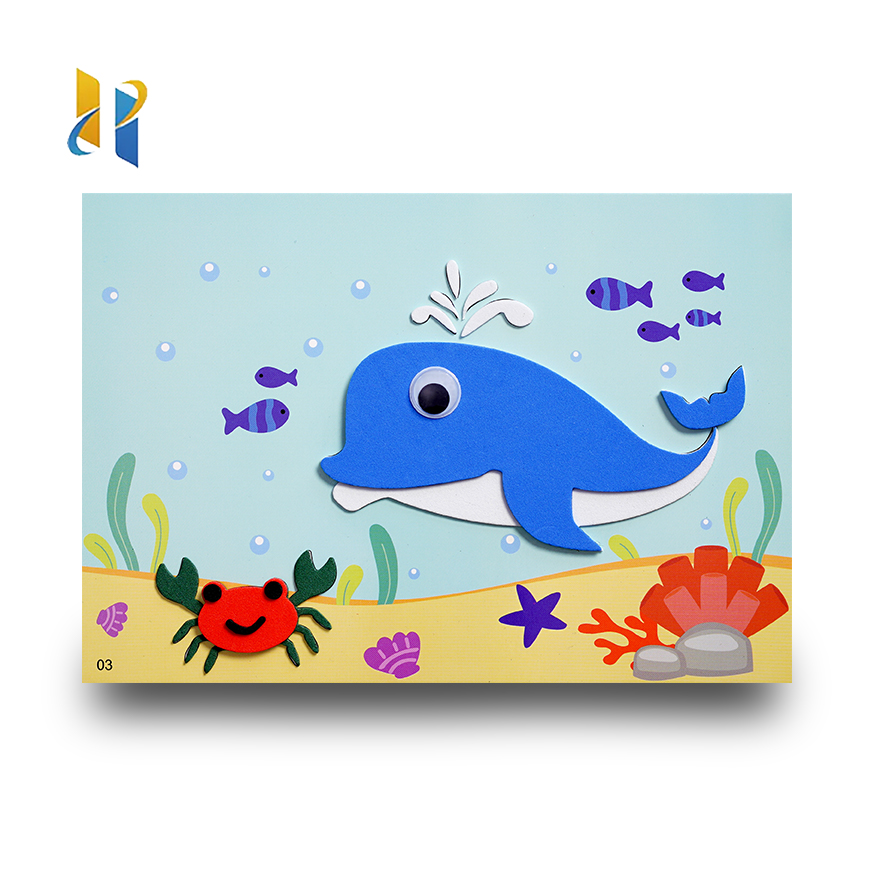
Knowledge Acquisition: These toys are a direct gateway to early science learning. Children learn to identify different animals, their names, the sounds they make, their habitats (e.g., farm, jungle, ocean), and their physical characteristics. This builds a foundational vocabulary and sparks curiosity about biology and the natural world.

2. Physical Development: Honing Motor Skills and Coordination
The physical interaction with EVA puzzles is precisely tailored to support a child's growing body.
-
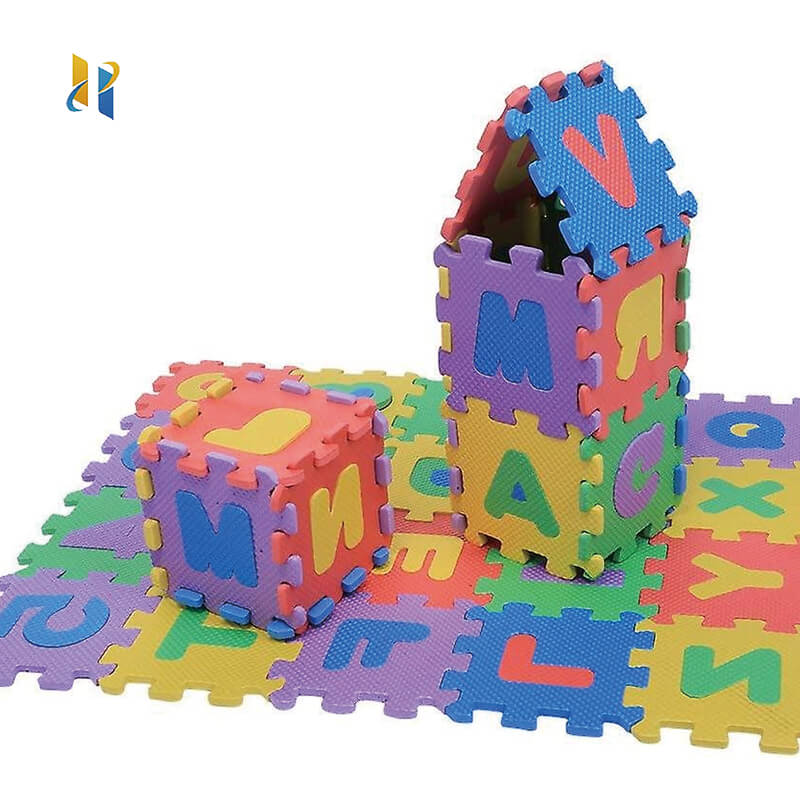
Fine Motor Skill Development: This is one of the most significant roles of these toys. Picking up the relatively small, chunky pieces, rotating them in hand, and applying precise pressure to push the tabs into the corresponding slots requires dexterity and control. These actions strengthen the small muscles in the fingers, hands, and wrists, which is essential for future tasks like holding a pencil, using scissors, and buttoning clothes.
-
Hand-Eye Coordination: Successful assembly is entirely dependent on the brain's ability to coordinate visual information with hand movements. The child must see the piece, identify its orientation and potential connection point, and then guide their hand to execute the correct placement. This refined coordination is a critical skill for virtually all physical activities, from writing to playing sports.
3. Social-Emotional Development: Fostering Confidence and Connection
While often seen as a solo activity, EVA puzzle play holds profound social-emotional benefits.
-
Boost in Self-Esteem and Resilience: The moment a child successfully clicks the last piece into place, completing the animal, they experience a tangible sense of accomplishment. This "I did it!" moment builds confidence and self-efficacy. Furthermore, when they struggle, they learn the valuable life skills of patience, persistence, and resilience—understanding that frustration is a temporary step on the path to success.
-
Promotion of Cooperative Play: In group settings, such as classrooms or playdates, a larger puzzle set becomes a collaborative project. Children learn to negotiate ("Can I have the giraffe's neck piece?"), share resources, communicate ideas, and work together towards a common goal. This nurtures essential social skills like turn-taking, effective communication, and teamwork.
-
Emotional Regulation: The tactile, repetitive nature of connecting and disconnecting the soft pieces can have a calming effect, helping children to self-soothe and manage big emotions like anxiety or excitement. It provides a focused, mindful activity that can serve as a healthy emotional outlet.

4. Sensory Stimulation: Engaging the Senses Safely
EVA foam as a material is uniquely suited to provide a rich and safe sensory experience.
-
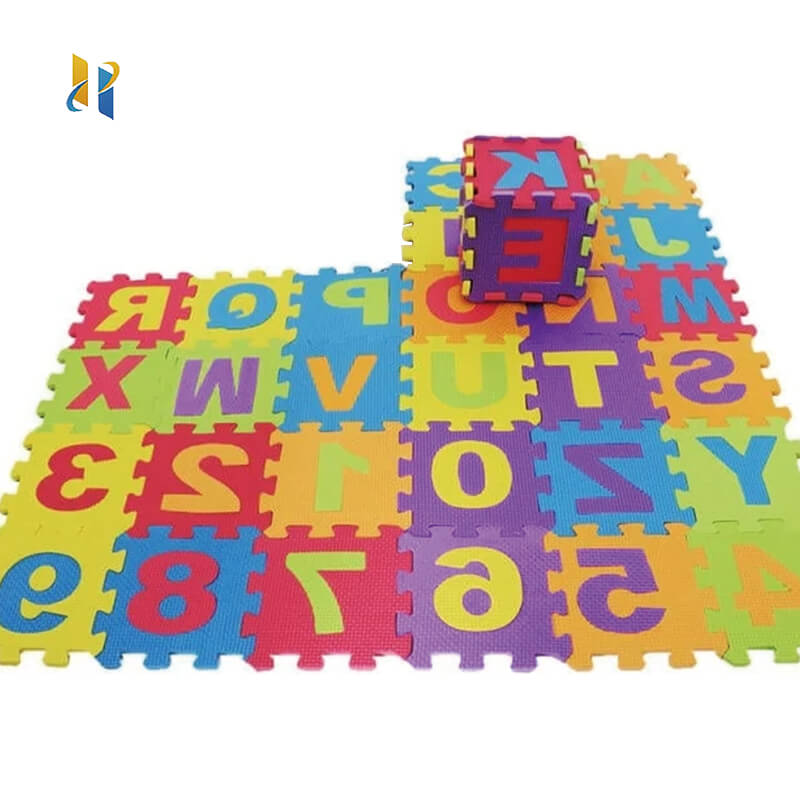
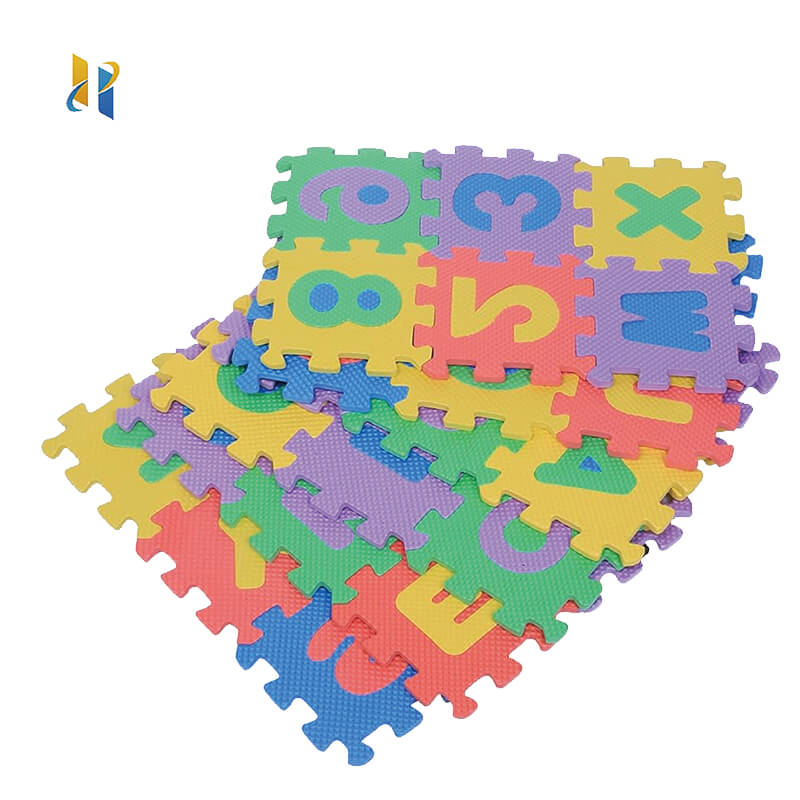
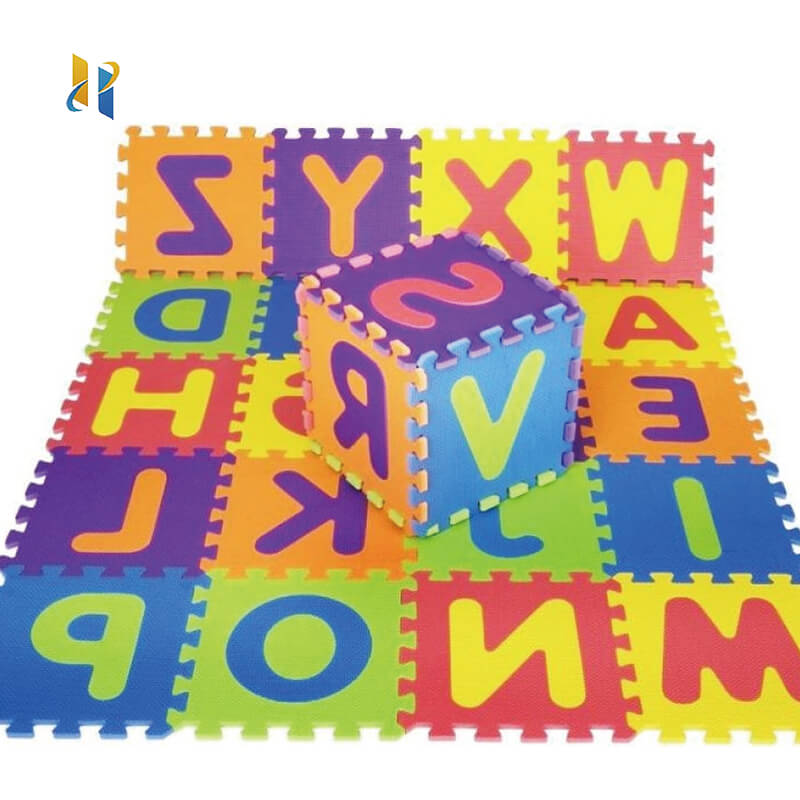
Tactile Exploration: The material is soft, slightly pliable, and has a smooth, unique texture that is pleasing to touch. This tactile feedback is crucial for early sensory development. The simple act of handling the pieces provides valuable sensory input.
-
Visual Stimulation: These toys are typically produced in a wide array of high-contrast, vibrant colors. This visual appeal helps in stimulating visual development and color recognition. The distinct shapes of the animals and their parts further enhance visual discrimination skills.
In conclusion, the EVA animal puzzle toy is a deceptively simple tool that plays a complex and vital role in a child's growth. It acts as a cognitive exercise, a physical trainer, an emotional anchor, and a sensory portal all at once. By engaging with these toys, children are not merely playing; they are building the foundational neural pathways, physical capabilities, and social understandings that will support their lifelong learning and development.
The Educational and Developmental Value of Children's Interlocking EVA Foam Building Blocks
Related Article