Is EVA Foam Safe?

A Comprehensive Guide to Its Uses and Safety
Understanding EVA Foam and Its Widespread Applications
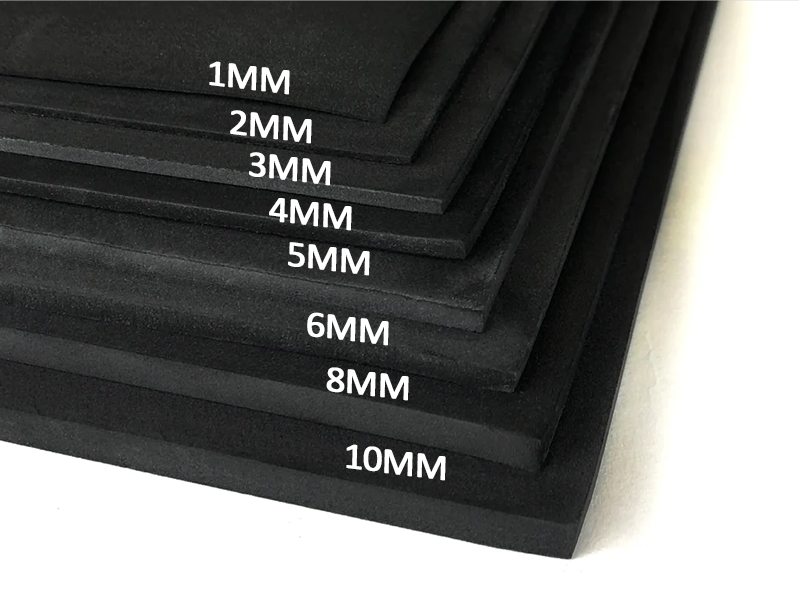
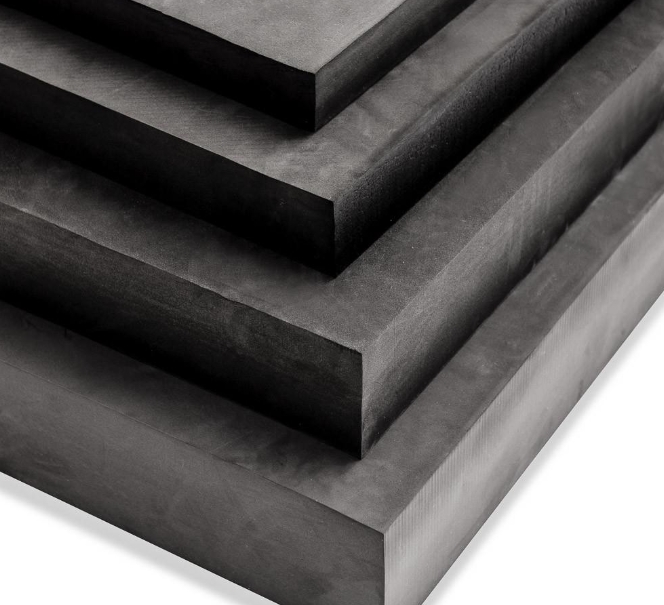
EVA foam (ethylene-vinyl acetate foam) is a versatile, lightweight, and durable material widely used across industries due to its shock-absorbing properties, flexibility, and eco-friendly potential. But a critical question remains: Is EVA foam safe? Let’s explore its safety profile and applications.
Key Properties of EVA Foam
Material Composition and Safety Features
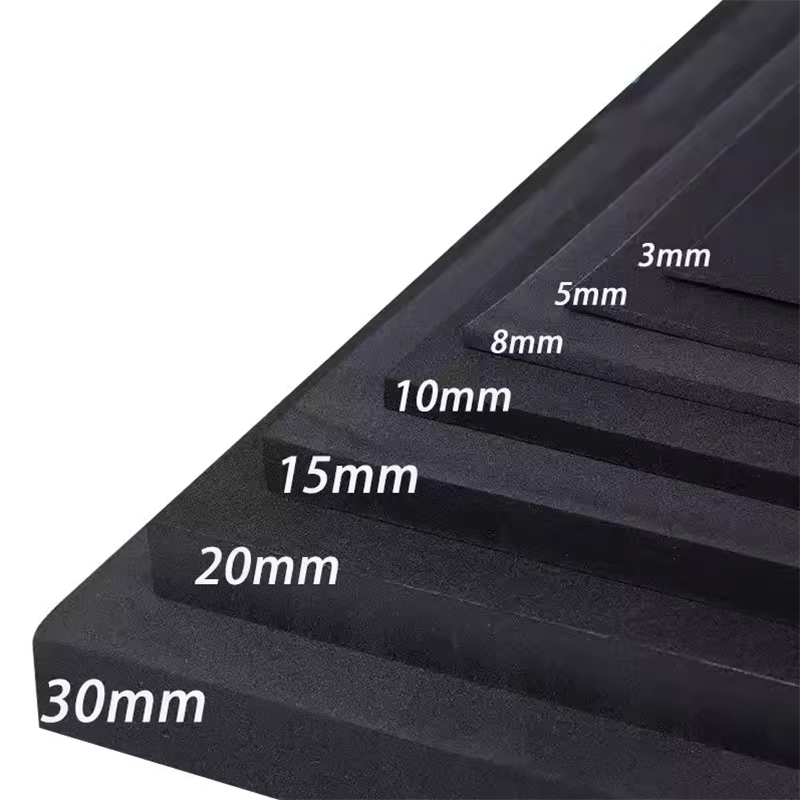
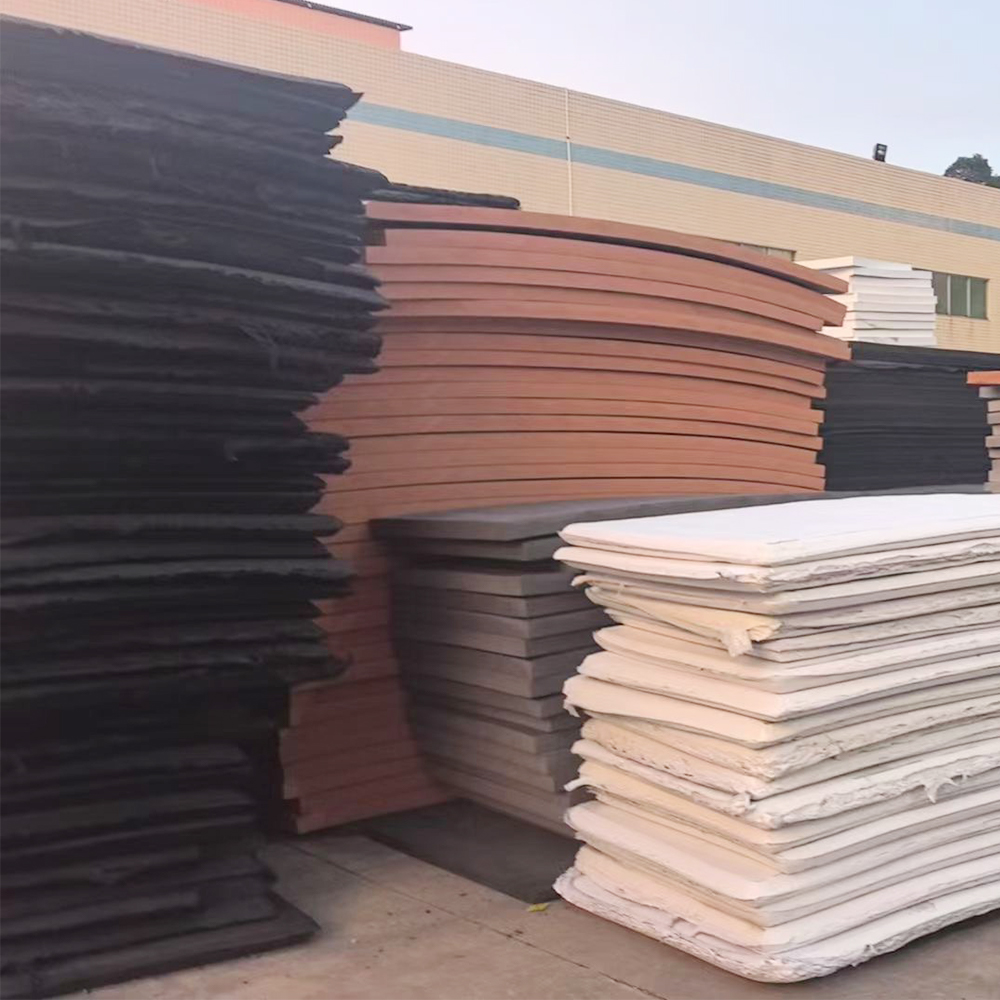
EVA foam is made from a copolymer of ethylene and vinyl acetate, resulting in a non-toxic, odorless, and BPA-free material. Its closed-cell structure ensures resistance to moisture, UV rays, and chemicals, making it ideal for both indoor and outdoor use. Notably, high-quality EVA foam complies with international safety standards like CE, EN71, and REACH, ensuring it’s safe for prolonged human contact.
Common Uses of EVA Foam
Children’s Toys and Play Equipment
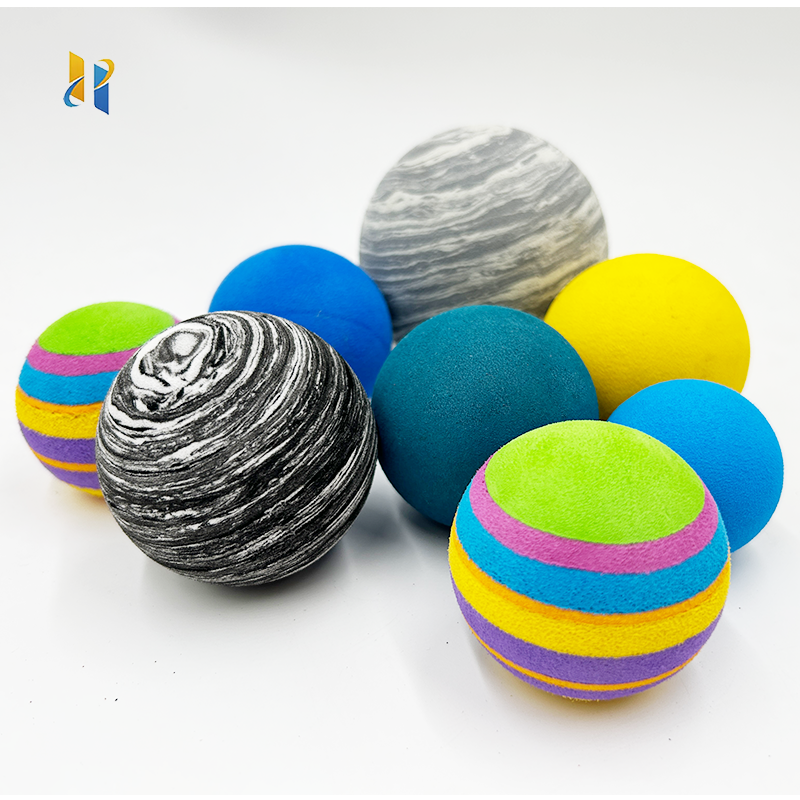
EVA foam is a popular choice for children’s toys, such as EVA foam ball blasters and soft play mats. Its soft texture prevents injuries, while certifications like EN71 guarantee compliance with strict safety requirements for toys. For example, foam balls used in blasters are designed to be lightweight and non-abrasive, making them safe for kids aged 3+.
Fitness and Sports Gear
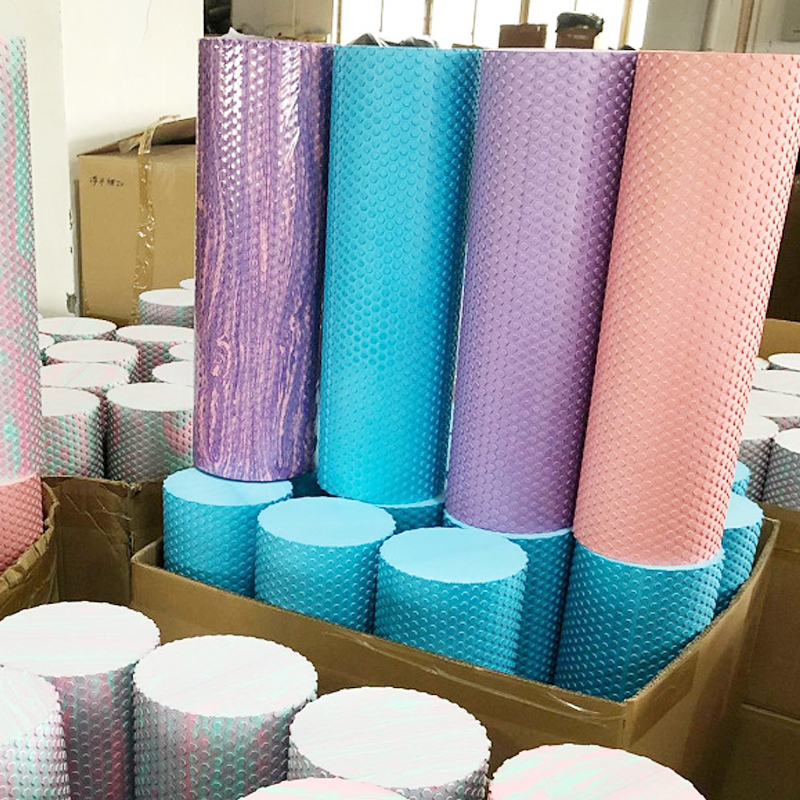
Yoga blocks, knee pads, and gym mats often use EVA foam for its shock absorption and non-slip surface. Eco-friendly variants are increasingly popular, with certifications ensuring non-toxic and recyclable properties. High-density EVA foam (e.g., 70° hardness) is also used in protective gear for impact resistance.
Packaging and Industrial Applications
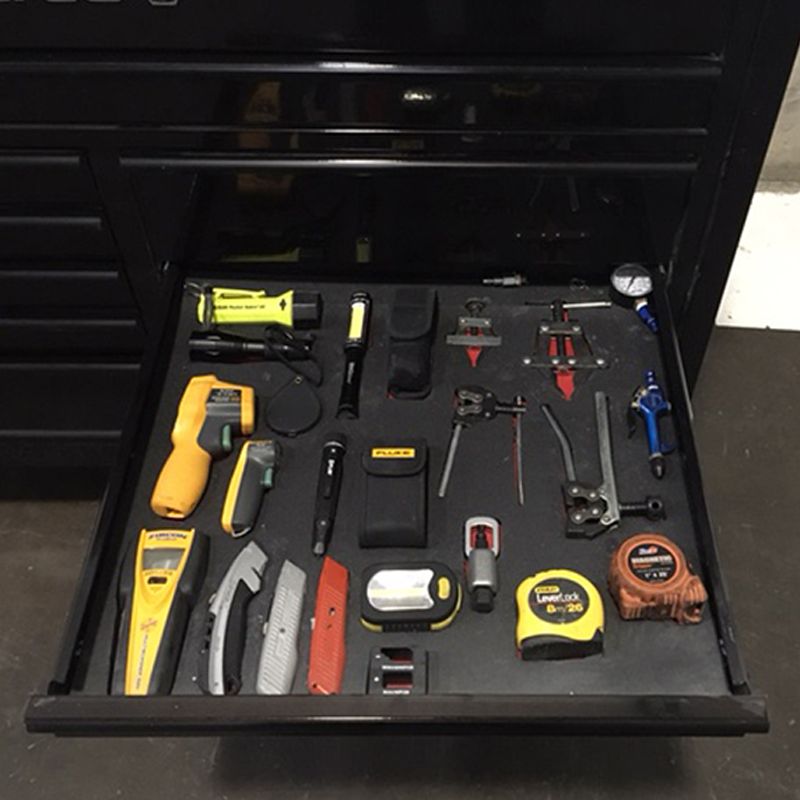
EVA foam’s cushioning ability makes it ideal for protective cases and EVA foam insert. produce custom EVA cases that are both lightweight and durable, safeguarding electronics and fragile items 65.
Safety Considerations for EVA Foam
Manufacturing and Chemical Additives
While EVA itself is safe, some production processes involve additives like blowing agents (e.g., AC foaming agents containing formamide). Reputable manufacturers adhere to strict limits (e.g., formamide ≤200mg/kg) to prevent respiratory or skin irritation. Always opt for products with safety certifications and avoid those with strong odors.
Certifications to Look For
-
CE/EN71: Ensures compliance with EU toy safety standards
-
REACH: Verifies low chemical risks
-
6P/UV Resistance: Critical for outdoor applications
How to Choose Safe EVA Foam Products
-
Check Certifications: Prioritize items labeled with CE, EN71, or REACH
-
Assess Odor: High-quality EVA foam should have minimal or no smell
-
Read Reviews: User feedback can highlight potential safety issues
Conclusion
EVA foam is inherently safe when produced responsibly and used as intended. Its applications—from child-safe toys to protective packaging—highlight its versatility. By choosing certified products and reputable brands, consumers can confidently enjoy its benefits without compromising safety. Always prioritize third-party tested items and stay informed about material sourcing!
Explore certified EVA foam products today and experience its blend of safety and functionality!
What Is EVA Foam Made Of?
Is EVA Foam Waterproof