Is EVA Foam Waterproof
Exploring the Water-Resistant Properties and Applications
Is EVA Foam Waterproof? The Definitive Guide
EVA foam, or ethylene-vinyl acetate foam, is a versatile material widely used in industries ranging from packaging to construction. A common question among users is: Is EVA foam waterproof? The short answer is yes, but its water-resistant properties depend on density, manufacturing processes, and specific applications. Let’s dive deeper into its waterproof capabilities, key uses, and benefits.

Understanding EVA Foam’s Waterproof Nature
The Science Behind EVA Foam’s Water Resistance
EVA foam’s closed-cell structure prevents water absorption, making it inherently waterproof. Unlike open-cell foams that trap moisture, EVA’s tightly packed cells block liquid penetration. This property is enhanced by additives during production, such as cross-linking agents and density modifiers, which improve durability and resistance to humidity

Factors Influencing Waterproof Performance
-
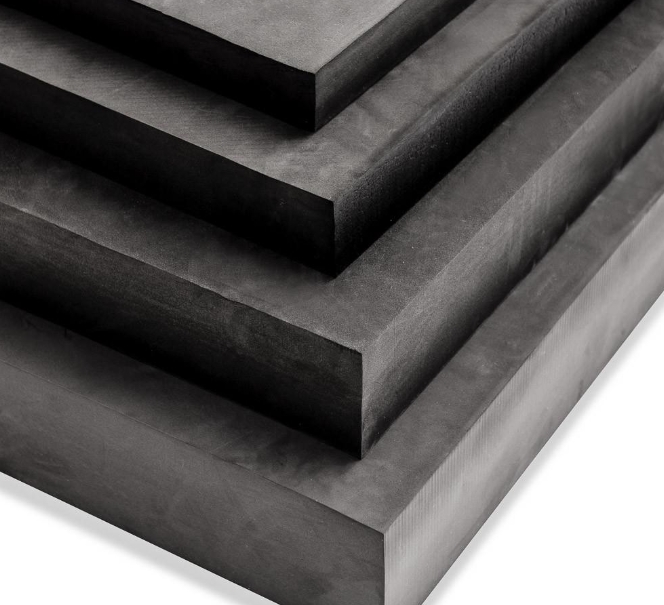
Density: High-density EVA foam (e.g., 50kg/m³ or higher) offers superior waterproofing and structural integrity, ideal for outdoor or heavy-duty applications
-
Surface Treatment: Laminated or coated EVA sheets provide extra protection against water seepage, especially in marine environments or wet flooring
-
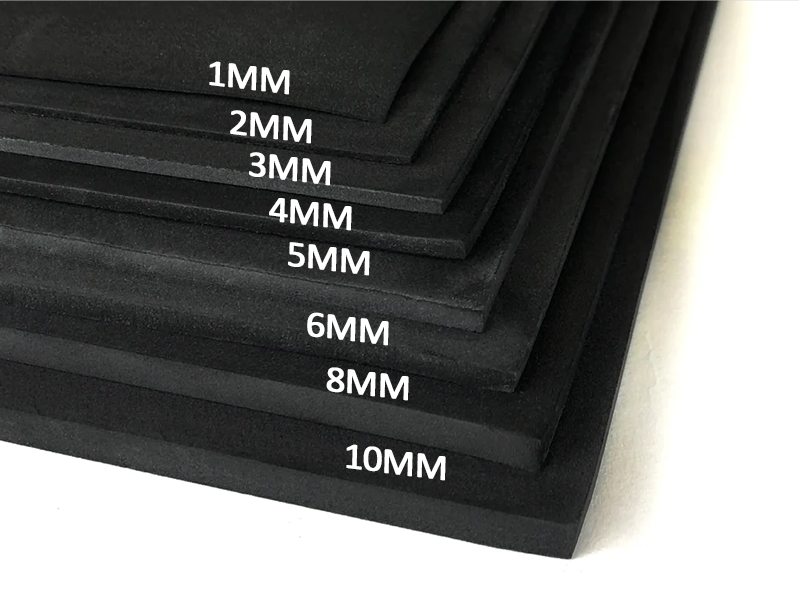
Thickness: Thicker EVA foam (e.g., 5mm–14mm) ensures prolonged water resistance, suitable for protective cases or industrial padding
Key Applications of Waterproof EVA Foam
Consumer Products
-
Children’s Play Mats: EVA foam’s non-toxic, waterproof nature makes it perfect for kids play mats and indoor-outdoor toys. Its easy-to-clean surface resists spills and moisture, ensuring hygiene and longevity
-
Travel and Storage Cases: Custom-molded EVA foam cases protect electronics, tools, and medical devices from water damage, shock, and dust. For example, waterproof EVA cable cases and hard drive protectors are popular in industrial and consumer markets

Industrial and Construction Uses
-
Insulation Material: EVA foam sheets with closed-cell structures are used in HVAC systems, pipelines, and roofing to prevent condensation and water ingress
-
Flooring Underlayment: High-density EVA mats provide waterproof cushioning for gyms, boats, and wet rooms, reducing slip risks and noise
Advantages of Choosing Waterproof EVA Foam
Durability and Versatility
EVA foam retains its shape and functionality even when exposed to prolonged moisture. Its chemical resistance also makes it suitable for harsh environments, such as laboratories or automotive parts
Eco-Friendly and Customizable
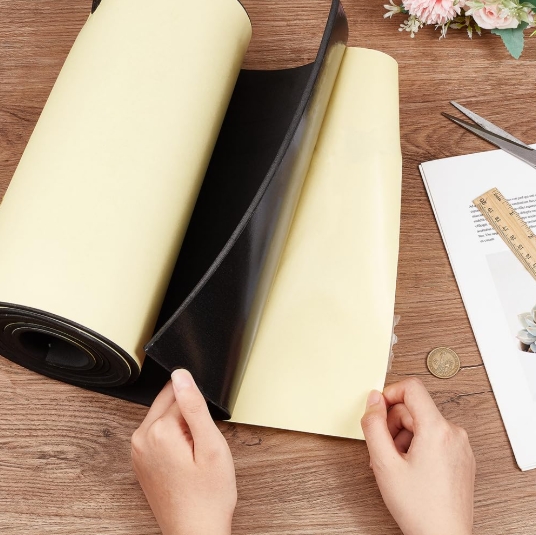
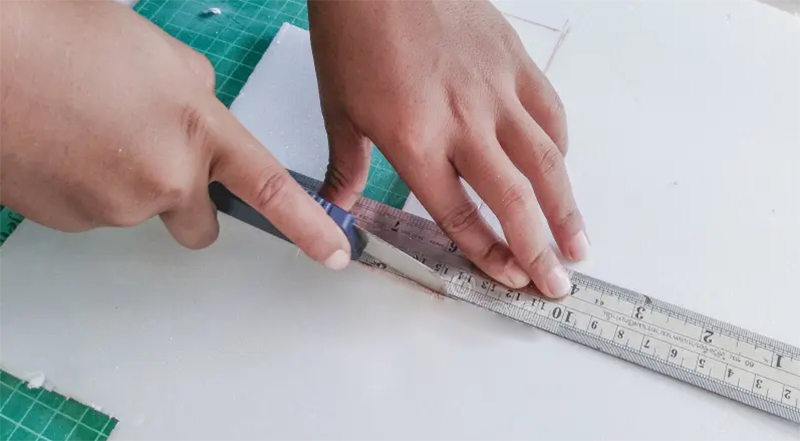
Many manufacturers offer OEM/ODM services, allowing businesses to tailor EVA foam’s thickness, color, and density. For instance, custom-cut EVA sheets are used in branded packaging or ergonomic products, combining aesthetics with practicality
Maintenance Tips for Waterproof EVA Foam
-
Cleaning: Wipe surfaces with a damp cloth and mild detergent. Avoid abrasive cleaners that might damage the closed-cell structure.
-
Storage: Keep EVA products in dry areas to prevent mold growth, though the material itself resists microbial activity

How to Choose the Right Waterproof EVA Foam
When selecting EVA foam for waterproofing:
-
Check Density: Opt for ≥50kg/m³ for heavy-duty applications.
-
Verify Certifications: Ensure compliance with ISO 9001, RoHS, or UL94 fire-retardant standards for safety
-
Consider Thickness: Thicker foam (e.g., 10mm–30mm) is better for impact protection in tools or luggage
Conclusion
EVA foam is a waterproof powerhouse with unmatched versatility across industries. Its closed-cell design, customizability, and durability make it ideal for applications demanding moisture resistance. Whether you’re designing child-safe play mats, protective travel cases, or industrial insulation, EVA foam delivers reliability and performance. For tailored solutions, explore manufacturers offering custom dimensions and bulk production to meet your specific needs
Is EVA Foam Safe?
Is EVA Foam Toxic?