What are the types of foam?
What are the types of foam?
Table of Contents
- Introduction to Foam Types
- Common Types of Foam
- EVA Foam: A Standout Among Foam Types
- Expert Insights on EVA Foam
- FAQs about Foam Types
Introduction to Foam Types
Foam is a versatile material with a wide range of applications across various industries, from bedding and furniture to sports equipment and packaging. Understanding the different types of foam can help consumers and businesses make informed decisions based on their specific needs. Each type of foam has its own unique properties, making it suitable for different purposes. In this blog, we will explore the main types of foam, with a special focus on EVA foam. If you're curious about the fundamental aspects of EVA foam, check out our previous blog What is EVA foam.

Common Types of Foam
Polyurethane Foam
Polyurethane foam is one of the most widely used types of foam. It is created through a chemical reaction between polyols and isocyanates. This foam comes in different densities, which determine its firmness and resilience. Soft polyurethane foam is commonly used in cushions and pillows, providing comfort and support. High - density polyurethane foam, on the other hand, is more suitable for furniture frames and industrial applications due to its durability and strength.
Latex Foam
Latex foam is made from natural or synthetic latex. Natural latex is derived from rubber trees, while synthetic latex is produced through chemical processes. Latex foam is known for its excellent elasticity, breathability, and resistance to dust mites and mold. It is often used in high - end mattresses and pillows, offering a luxurious and healthy sleeping environment.
Memory Foam
Memory foam, also known as viscoelastic foam, was originally developed by NASA for aircraft seats. It has the unique property of contouring to the shape of the body, relieving pressure points and providing excellent support. Memory foam is widely used in mattresses, pillows, and even footwear, enhancing comfort and reducing pain.

EVA Foam: A Standout Among Foam Types
Composition and Production of EVA Foam
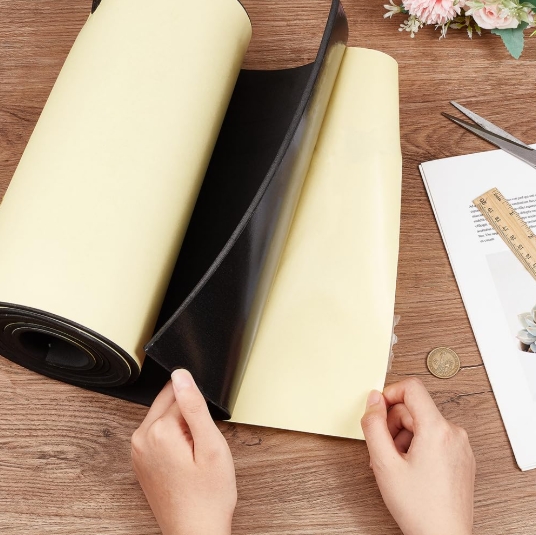
EVA foam, or Ethylene - Vinyl Acetate foam, is a copolymer made from ethylene and vinyl acetate monomers. The proportion of vinyl acetate in the copolymer affects the properties of the foam. During production, EVA resin is mixed with additives such as blowing agents, cross - linking agents, and stabilizers. The mixture is then heated and expanded under pressure to form the foam structure. For a more in - depth look at the composition and production process, refer to our earlier blog What is EVA foam.
Unique Properties of EVA Foam
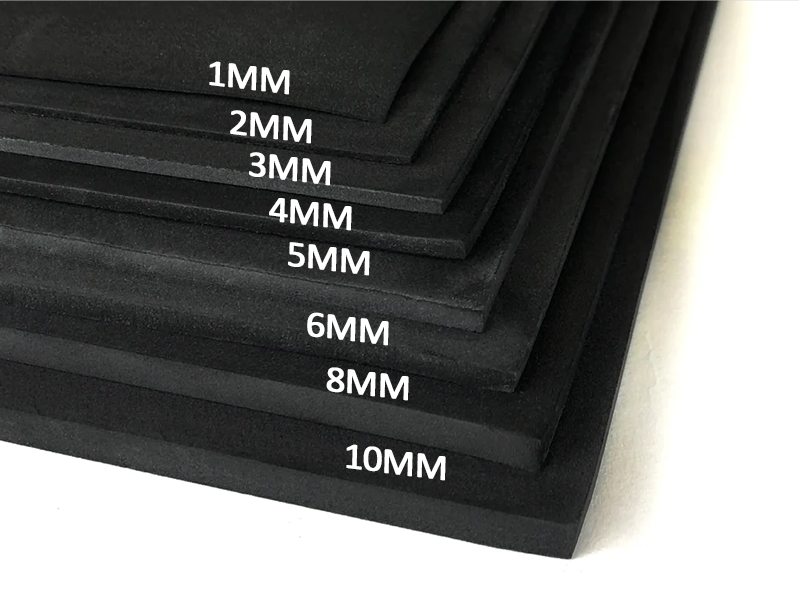
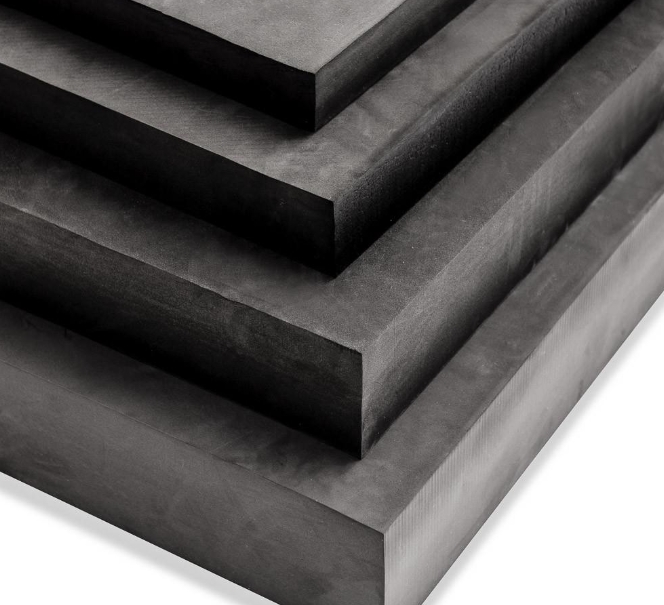
One of the key features of EVA foam is its flexibility. It can be made in a variety of densities, ranging from very soft to relatively firm, making it suitable for different applications. EVA foam is also highly durable, resistant to water, chemicals, and UV radiation. Additionally, it has good shock - absorbing capabilities, which protect products during transportation or provide comfort in sports equipment.
Applications of EVA Foam
The versatility of EVA foam has led to its widespread use. In the footwear industry, it is commonly used in shoe soles, insoles, and sandals due to its lightweight, cushioning, and non - slip properties. In the sports and leisure sector, EVA foam is used in yoga mats, kneepads, and sports helmets for its shock - absorption and comfort. It is also a popular choice for packaging materials, as it can protect fragile items from damage.
General Parameters of EVA Foam
|
Parameter
|
Description
|
|
Density
|
Typically ranges from 30 - 300 kg/m³
|
|
Tensile Strength
|
1 - 25 MPa
|
|
Elongation at Break
|
100 - 600%
|
|
Water Absorption
|
Low, usually less than 1%
|
|
Shore Hardness
|
Can vary from 20 - 90A
|

Expert Insights on EVA Foam
According to Dr. John Smith, a materials science expert, “EVA foam has revolutionized many industries due to its combination of excellent properties. Its durability and flexibility make it an ideal choice for products that require both protection and comfort. As the demand for sustainable and high - performance materials grows, EVA foam, with its recyclable nature, is likely to see even more applications in the future.”

FAQs about Foam Types
Q: Which type of foam is best for mattresses?
A: It depends on personal preference. Memory foam is great for pressure relief, latex foam offers excellent breathability and elasticity, and polyurethane foam can provide a range of firmness options.
Q: Is EVA foam safe for use in products?
A: Yes, EVA foam is generally considered safe. It is non - toxic and does not release harmful chemicals. However, it's important to ensure that the EVA foam products meet relevant safety standards.
Q: Can EVA foam be recycled?
A: Yes, EVA foam is recyclable. Recycling EVA foam helps reduce waste and conserve resources, making it an environmentally friendly option.

About us
HuiYiHao GROUP is an export-oriented entity group company. Focus on the production and sales of the industry's best EVA Foam sheet, EVA Children's Toys,Cosplay Material Series,EVA Swimming Accessories, EVA Packaging Series and EVA Finished Product Series, Paper Box, Yoga Accessories.
The predecessor Shenzhen Huiyihao Packaging Materials Co., Ltd. was founded in 2003 in Shenzhen, Guangdong Province, mainly for domestic first-line brands and world-renowned enterprise customers. Our factory and foam factory together cover a total area of 51,000 square meters, with a staff of 150 people. Our products include foam sheet materials, children's toys, and outdoor goods. As long as it involves EVA, EPE, or sponge products, we can produce them. You can visit our store and find a product that interests you.
What is foam sheet used for?
What are the disadvantages of EVA material?