Harden EVA Foam Comprehensive Guide
Harden EVA Foam Comprehensive Guide
Ethylene - Vinyl Acetate (EVA) foam has become super popular in the DIY and crafting scenes. People love it because it's light, bendy, and doesn't cost a fortune. But sometimes, its natural softness just won't cut it. There are plenty of situations where you need to harden EVA foam to make it last longer and work better. In this blog post, we're gonna dig into all the details of hardening EVA foam, what it's good for, and the best ways to get the results you want.
Why Harden EVA Foam?
Durability Enhancement
The main reason to harden EVA foam is to make it way more durable. In its normal state, EVA foam can get scratched, dented, or torn pretty easily. But when you harden it, you end up with a stronger material that can stand up to the test of time and being used a lot. For example, if you're making cosplay props that will get handled roughly at conventions or during performances, a hardened EVA foam version will hold up better, making sure your creation looks great for as long as you use it.

Shape Retention
Hardening EVA foam helps it keep its shape really well. Whether you've made a detailed piece of armor, a cool helmet, or a fancy decorative item, the hardened foam won't get out of shape. This is really important for keeping your projects looking good and staying strong, especially if they need to be a certain shape or size.

Common Uses of Hardened EVA Foam
Cosplay and Costume Design
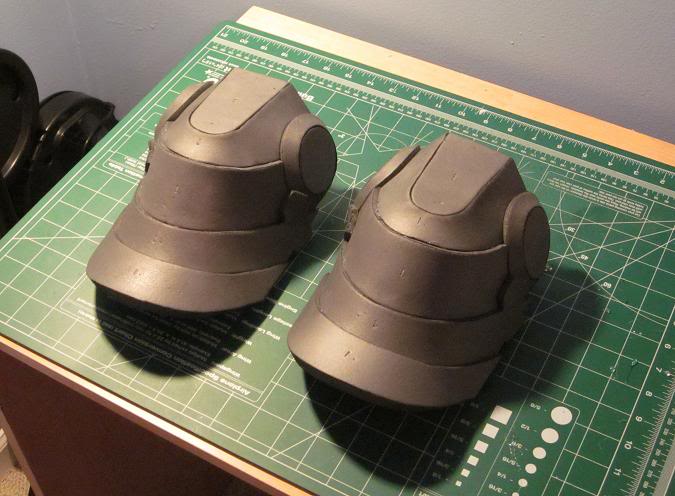
Cosplay fans really rely on hardened EVA foam to bring their favorite characters to life. It's a much better option than heavier and more expensive materials like metal or fiberglass. With the right hardening methods, you can shape, texture, and paint EVA foam to look like all kinds of materials, like leather, metal, or even stone. This means cosplayers can make really detailed and realistic - looking costumes, from superhero armor to medieval weapons, that are both light and tough.

Model Making and Hobby Projects
In the world of model making, hardened EVA foam is a go - to material. Whether you're building architectural models, dioramas, or scale - model vehicles, the hardened foam gives you a stable and light base. It's easy to cut, shape, and glue, and the hardened surface makes sure all the delicate details of your model stay in place. For example, you can use it to make the terrain in a war - gaming diorama or the frame of a miniature building.
DIY Home Decor
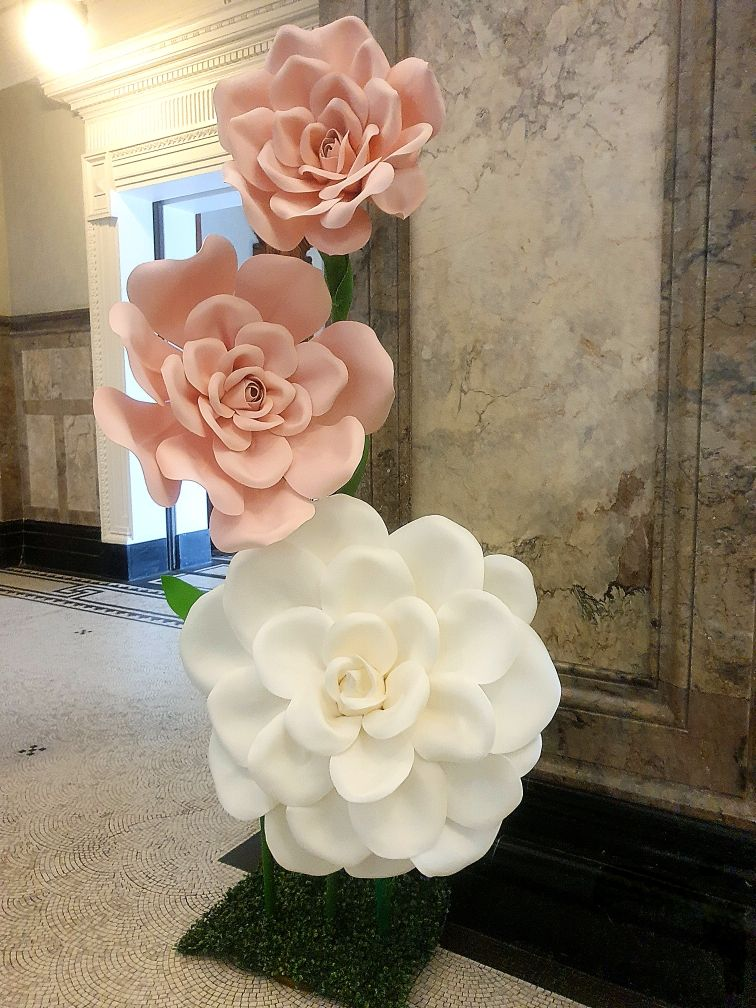
If you want to add a personal touch to your home, hardened EVA foam gives you lots of creative ideas. You can use it to make wall art, decorative sculptures, or even custom - designed furniture accents. The fact that it's light but strong makes it easy to put up and move around if you need to. You can paint it any color to match your home's style or add textures to make it look more unique.
How to Harden EVA Foam
Using Resin
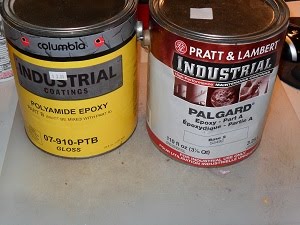
Resin is a popular way to harden EVA foam. Here's how to do it step by step:
Get the EVA foam ready: First, clean the EVA foam piece really well to get rid of any dirt, dust, or junk. This makes sure the resin sticks properly.
Mix the resin: Follow the instructions on the resin package carefully when you're mixing the parts. Different types of resin might have different mixing ratios, so it's super important to get this right.
Put on the resin: Use a brush, roller, or spray gun to put an even layer of resin on the EVA foam. Make sure to cover all the surfaces, including the edges and corners. If you're working on a tricky shape, you might need a small brush to reach all the little spaces.
Let it dry: Let the resin dry completely. How long it takes depends on the type of resin, how thick you put it on, and the weather. Usually, it can take a few hours to a few days for the resin to fully dry.
Using Fiberglass
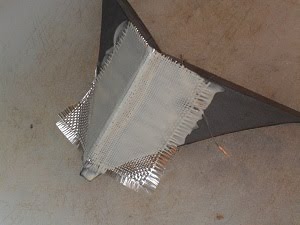
Fiberglass can also be used to harden EVA foam and make a strong composite material. Here's how:
Cut the fiberglass mat: Measure and cut the fiberglass mat to fit your EVA foam piece. Leave a little extra around the edges so you can overlap it.
Put resin on the EVA foam: Brush a layer of resin on the EVA foam surface. This will help the fiberglass stick.
Lay down the fiberglass mat: Carefully put the cut fiberglass mat on top of the resin - covered EVA foam. Use a brush or roller to press the mat down firmly into the resin and get rid of any air bubbles.
Put on more resin: Once the fiberglass mat is in place, put another layer of resin on top. This helps seal the fiberglass and gives you a smooth, hard surface.
Let it cure: Let the fiberglass - resin mix dry completely. This could take a few hours to a day, depending on the resin and the conditions.
Using Acrylic Paint and Glue Mixture
If you're on a budget, you can use a mix of acrylic paint and glue. Here's what you do:
Mix the stuff together: Put equal parts of acrylic paint and white glue in a container. Stir it well until it's smooth and all mixed up.
Put on the mixture: Use a brush to put the acrylic paint - glue mix on the EVA foam. Put on a few thin layers, letting each layer dry completely before adding the next one. This helps build up the hardness little by little.
Sand and finish: Once the last layer is dry, you can sand the surface of the hardened EVA foam to make it smooth. Then you can put on a final coat of paint or a sealant to make it look even better.
Conclusion
Hardening EVA foam gives you so many cool possibilities for your creative projects. Whether you're into cosplay, model making, or DIY home decor, knowing these hardening tricks can take your work to the next level. Try out different methods to find the one that works best for your specific needs and projects.

About us
HuiYiHao GROUP is an export-oriented entity group company. Focus on the production and sales of the industry's best EVA Foam sheet, EVA Children's Toys,Cosplay Material Series,EVA Swimming Accessories, EVA Packaging Series and EVA Finished Product Series, Paper Box, Yoga Accessories.
The predecessor Shenzhen Huiyihao Packaging Materials Co., Ltd. was founded in 2003 in Shenzhen, Guangdong Province, mainly for domestic first-line brands and world-renowned enterprise customers. Our factory and foam factory together cover a total area of 51,000 square meters, with a staff of 150 people. Our products include foam sheet materials, children's toys, and outdoor goods. As long as it involves EVA, EPE, or sponge products, we can produce them. You can visit our store and find a product that interests you.
Guide to Shaping EVA Foam
Rubber vs EVA Foam