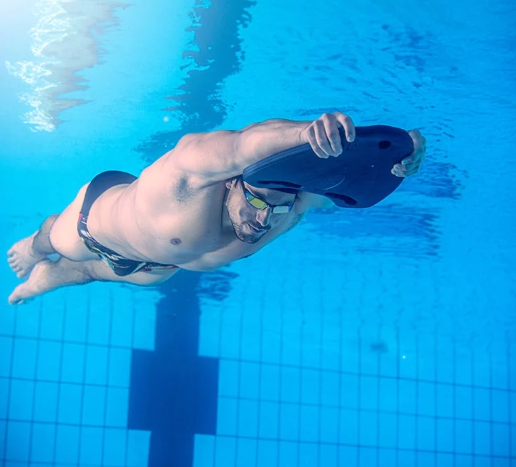
How to use a pull buoy float?
Beginner’s Guide to Better Swimming Form
If you’ve ever seen swimmers with a bright-colored foam cylinder between their legs at the pool, that’s a pull buoy float—and it’s a game-changer for improving your stroke, building upper body strength, and nailing your body position in the water. In this guide, we’ll break down exactly how to use a pull buoy, why it’s worth adding to your gear bag, and pro tips to make the most of it. Let’s dive in!
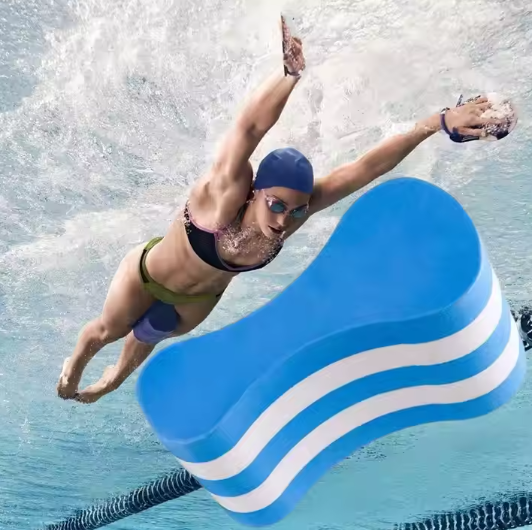
What Is a Pull Buoy Float, and Why Use It?
A pull buoy is a compact, buoyant tool designed to keep your legs together and hips afloat when you’re swimming. By holding it between your thighs, you reduce the need to kick, allowing you to focus entirely on your arm strokes, core engagement, and balance. Swimmers use it for:
- Improving upper body strength: Without kicking, your arms and back do more work.
- Perfecting stroke technique: Isolate your arms to fix flaws in your freestyle, breaststroke, or butterfly.
- Resting your legs: Great for recovery days or when you want to focus on endurance without leg fatigue.
- Enhancing body position: Keeps your hips high in the water, reducing drag and making you more streamlined.

Step-by-Step Guide: How to Use a Pull Buoy Float
1. Choose the Right Pull Buoy
Not all pull buoys are the same! Look for one that’s:
- Comfortable: Soft foam or neoprene edges won’t chafe your legs.
- Secure: Some have a grooved design or adjustable straps to keep it in place (though most just wedge between your thighs).
- Size-appropriate: Beginners might prefer a thicker, more buoyant model; advanced swimmers may opt for a slimmer version for less support.
2. Position the Buoy Correctly
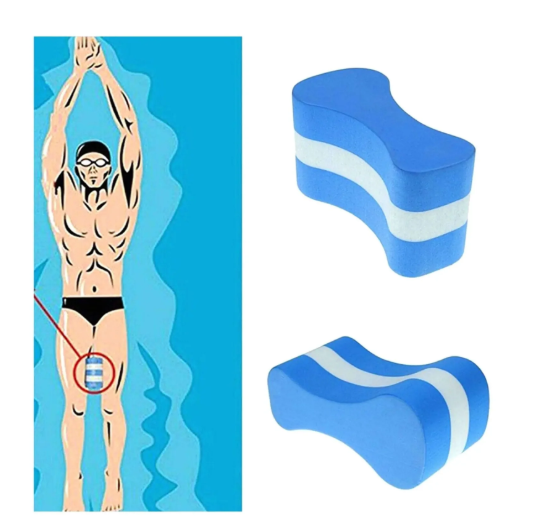
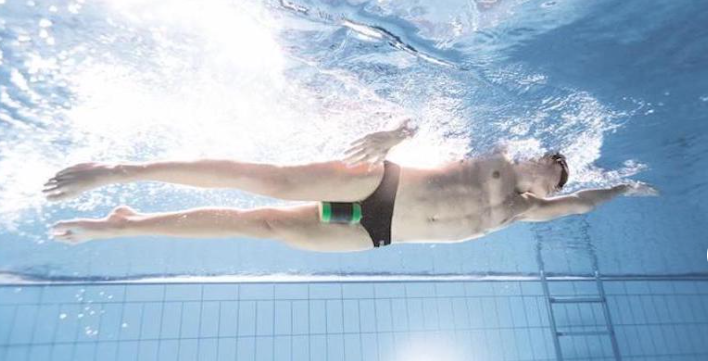
- Hold the buoy in front of you and squeeze it gently between your upper thighs, just below your hips.
- Make sure it’s centered—too high and it might restrict your hips; too low and it won’t support your legs enough.
- Keep your legs straight and together, with feet pointed (like a streamlined “pencil” shape).
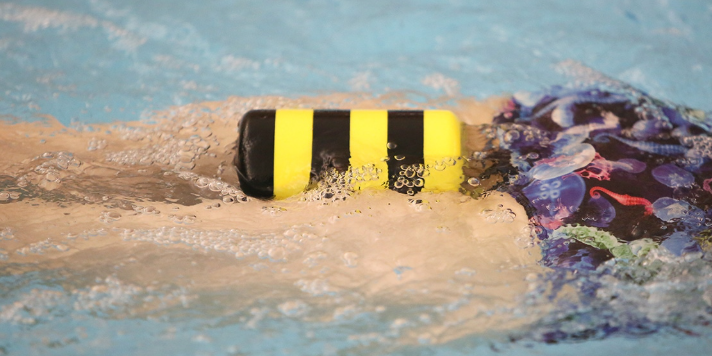
3. Start Swimming (and Focus on Your Stroke!)
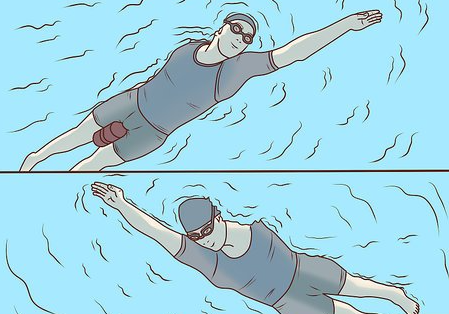
- Freestyle/Front Crawl: Extend your arms fully, rotate your shoulders, and focus on a smooth, steady pull. Breathe normally, turning your head to the side without lifting your shoulders.
- Breaststroke: Since breaststroke involves leg movement, using a pull buoy here is less common, but it can help isolate the arm pull and chest expansion. Keep your legs still and squeeze the buoy during the recovery phase.
- Butterfly: The buoy helps maintain hip height during the undulating motion. Focus on driving your arms back powerfully and keeping your core engaged.

4. Adjust Your Pace and Technique
- Start with short distances (25–50 meters) to get used to the buoy’s feel.
- If the buoy slips down, squeeze your thighs a bit more firmly—but don’t clench so hard you tense up!
- Check your body position regularly: Are your hips high? Is your lower back relaxed?
Pro Tips for Using a Pull Buoy Like a Pro
Pair It with Drills
- Single-arm drills: Use the buoy while swimming with one arm at a time to focus on symmetry.
- Catch-up drills: Pause with both hands in front after each stroke to emphasize a strong “catch” on the water.
Gradually Reduce Buoyancy
As you get stronger, try a smaller pull buoy or hold it lower on your thighs for less support. This forces your core to work harder to keep your hips up.
Don’t Neglect Kicking Entirely
The pull buoy is for isolating your arms, not replacing kicking. Balance your training by doing kick sets without the buoy too!
Stay Relaxed
Tensing your legs or shoulders will undo the buoy’s benefits. Keep your legs light and let the buoy do the work of keeping them afloat.
Common Questions About Pull Buoys
Do I need a pull buoy if I’m a beginner?
Absolutely! It’s a fantastic tool for learning proper body position and building confidence in the water. Even pros use it to refine their strokes.
Can I use a pull buoy for all swim strokes?
Yes, but it’s most popular for freestyle and butterfly. For breaststroke, some swimmers use it during the arm pull phase, but the leg motion is minimal.
How do I clean my pull buoy?
Rinse it with fresh water after each use and let it air dry. Avoid leaving it in direct sunlight for long periods to prevent the foam from breaking down.

Conclusion
A pull buoy float isn’t just a “training tool”—it’s a gateway to smoother strokes, stronger arms, and a more efficient swim. Start with short sessions, focus on your technique, and you’ll soon notice a difference in your power and posture. Whether you’re training for a triathlon, prepping for a race, or just want to feel more confident in the water, the pull buoy is your secret weapon.
Grab yours, hit the pool, and remember: progress in swimming is all about small, focused steps (or strokes, in this case!). Happy swimming!
About us
HuiYiHao GROUP is an export-oriented entity group company. Focus on the production and sales of the industry's best EVA Foam sheet, EVA Children's Toys,Cosplay Material Series,EVA Swimming Accessories, EVA Packaging Series and EVA Finished Product Series, Paper Box, Yoga Accessories.
The predecessor Shenzhen Huiyihao Packaging Materials Co., Ltd. was founded in 2003 in Shenzhen, Guangdong Province, mainly for domestic first-line brands and world-renowned enterprise customers. Our factory and foam factory together cover a total area of 51,000 square meters, with a staff of 150 people. Our products include foam sheet materials, children's toys, and outdoor goods. As long as it involves EVA, EPE, or sponge products, we can produce them. You can visit our store and find a product that interests you.
What is the purpose of a pull buoy?
What is the best material for a kickboard?