eva vs polyethylene foam
The Ultimate Comparison: EVA vs Polyethylene Foam – Which One is Right for You?
In the vast world of foam materials, EVA (Ethylene Vinyl Acetate) and polyethylene foam stand out as two of the most popular and versatile choices. But what are the key differences between these two? And how do you decide which one is best suited for your needs? In this article, we'll delve into the nitty-gritty of EVA vs polyethylene foam, highlighting their unique characteristics and applications.
EVA Foam: The Versatile Choice
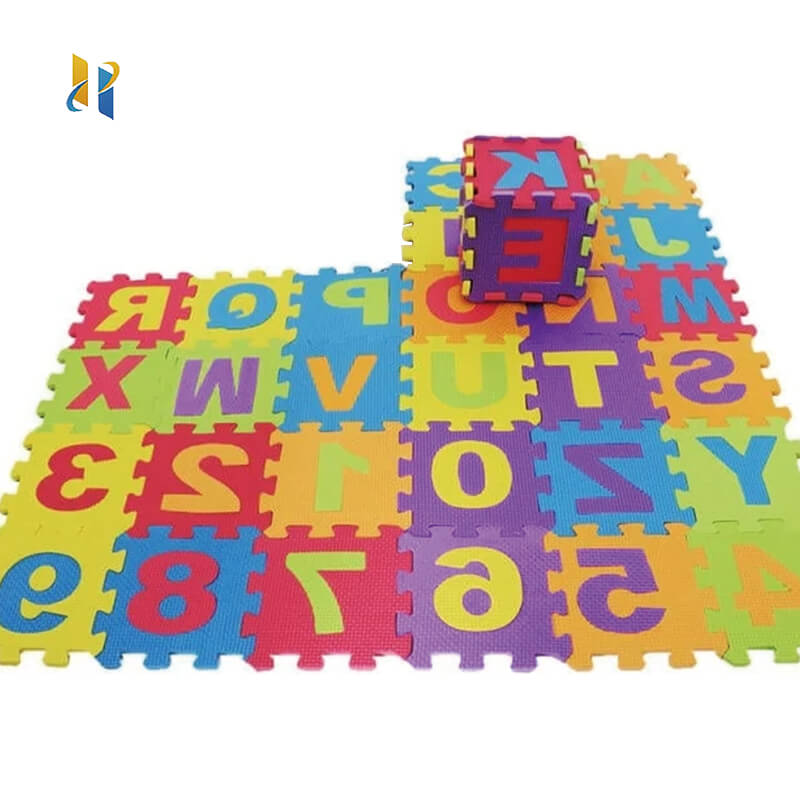
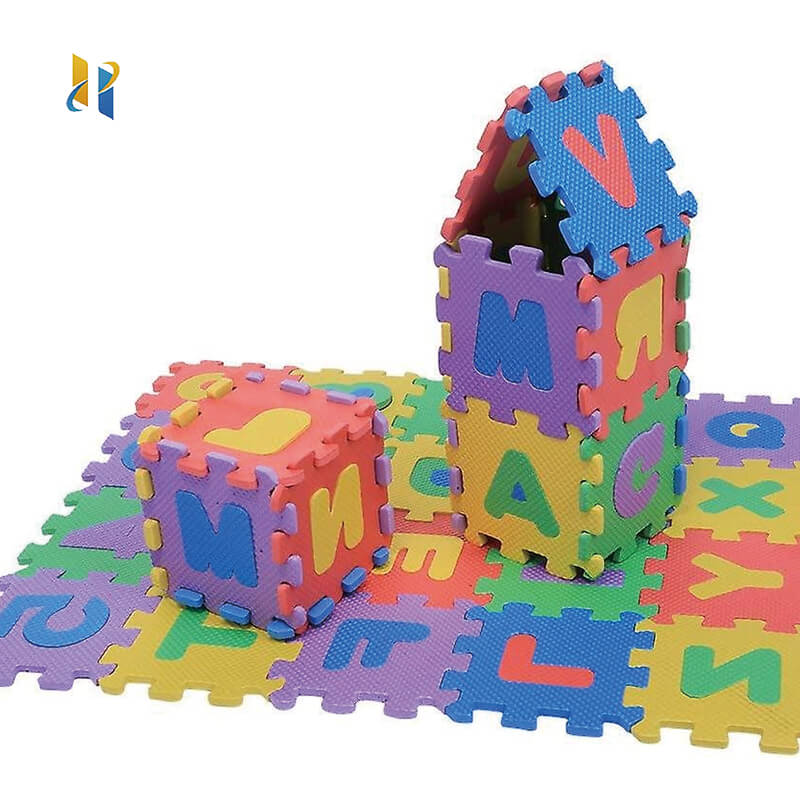
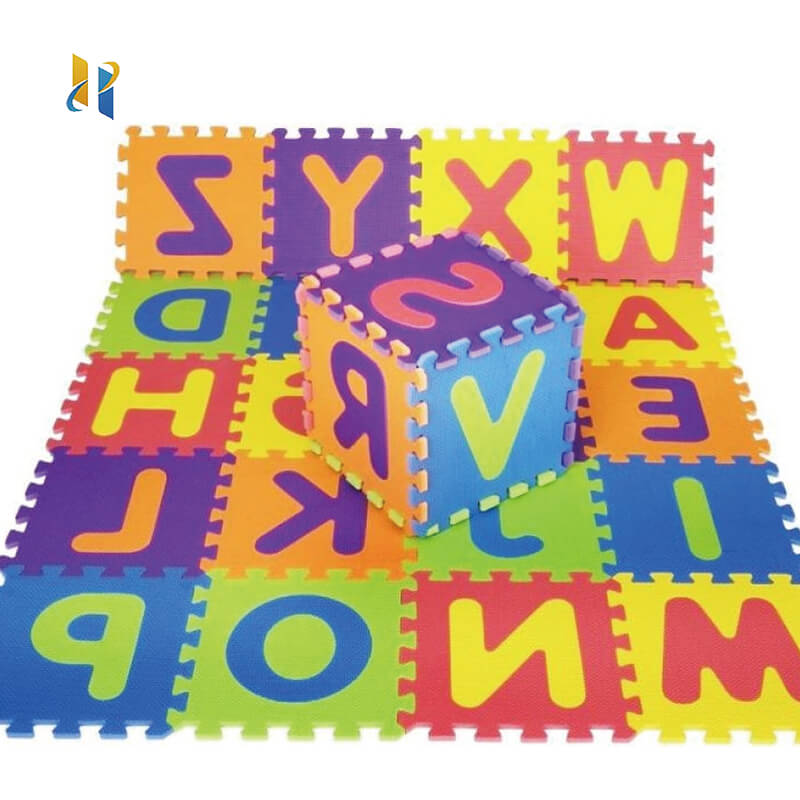
EVA foam is a lightweight yet resilient material that offers exceptional cushioning and shock absorption. Its unique combination of flexibility and durability makes it a popular choice for a wide range of applications, from shoe inserts and sports equipment to packaging and even flotation devices. EVA foam is also highly water-resistant, making it a great option for marine and outdoor applications.
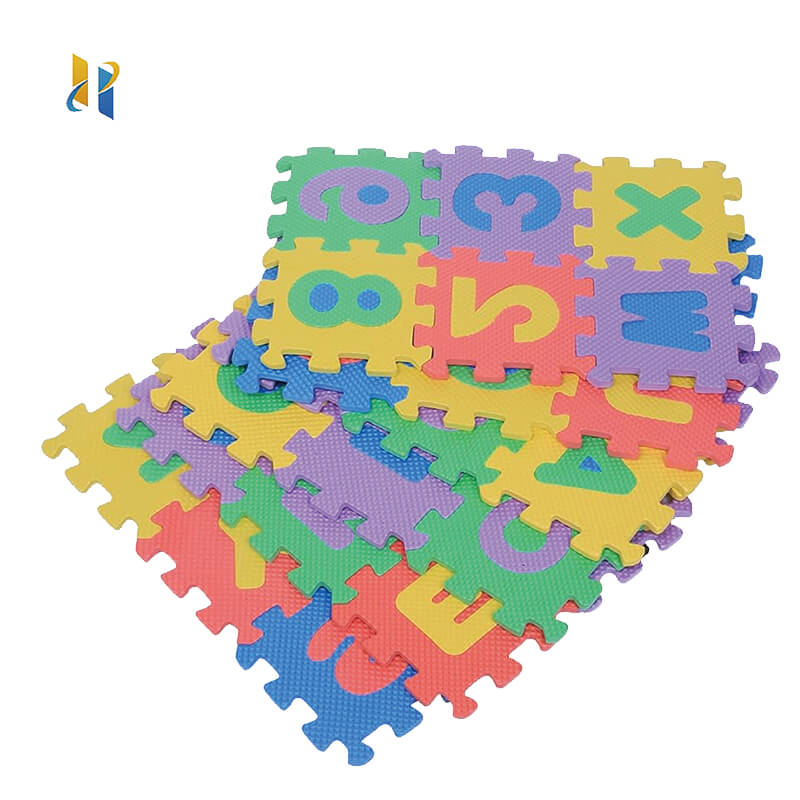
The key benefits of EVA foam lie in its ability to provide superior comfort and protection. Its closed-cell structure prevents moisture absorption, ensuring that the foam maintains its shape and properties over time. Additionally, EVA foam is easy to cut and shape, making it a versatile material for DIY projects and custom applications.
Polyethylene Foam: The Workhorse of the Foam World
Polyethylene foam, on the other hand, is a sturdy and reliable material that offers excellent insulation and protective properties. It's commonly used in packaging, insulation, and construction applications where durability and long-lasting performance are crucial. Polyethylene foam is also known for its high resistance to chemicals, moisture, and temperature extremes.
The main advantages of polyethylene foam lie in its strength and durability. Its dense, closed-cell structure provides superior insulation and protection against impacts and abrasions. Polyethylene foam is also highly recyclable, making it an eco-friendly choice for those looking to reduce their carbon footprint.
The Decision: EVA or Polyethylene Foam?
Choosing between EVA and polyethylene foam ultimately depends on your specific needs and applications. If you're looking for a lightweight, flexible foam that offers excellent cushioning and shock absorption, EVA foam is a great choice. Its water-resistant properties also make it suitable for marine and outdoor applications.
On the other hand, if you need a sturdy and reliable foam that offers superior insulation and protection, polyethylene foam is the way to go. Its dense, closed-cell structure provides excellent durability and resistance to chemicals, moisture, and temperature extremes.
In conclusion, both EVA and polyethylene foam are excellent choices with their unique advantages. By understanding the key differences between these two materials, you can make an informed decision and choose the best foam for your specific needs and applications.
foam for cosplay
eva foam 5mm
Related Article