A Comprehensive Guide to the Use of Acoustic Foam
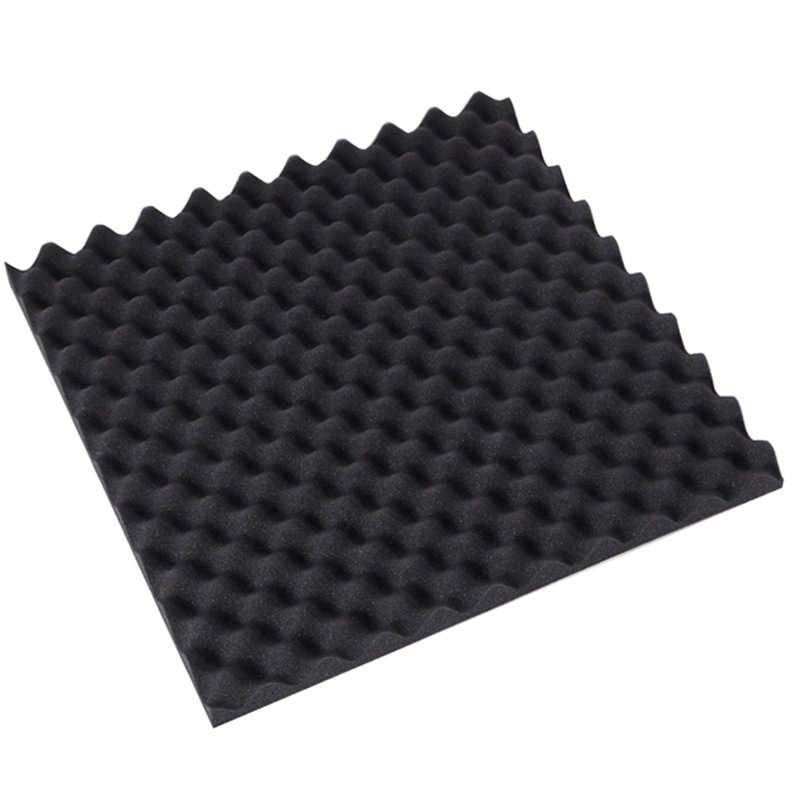
1. Primary Function: Absorption of Mid and High-Frequency Sound Waves
The most fundamental use of acoustic foam is to absorb sound energy, thereby reducing its reflection off hard surfaces.
-
Mechanism of Action: Acoustic foam is an open-cell material with a porous structure. When sound waves enter this matrix, the air particles are forced to vibrate. The friction between the air and the intricate cellular walls of the foam converts this kinetic sound energy into minimal amounts of heat energy, effectively dissipating the sound.
-
Frequency Specificity: Standard acoustic foam is most effective at absorbing mid to high-frequency sounds (typically from around 500 Hz to 8,000 Hz and above). These are the frequencies associated with speech intelligibility, sibilance, and the "brightness" of instruments. This is why a room treated with foam sounds noticeably less "echoey" and "harsh."
-
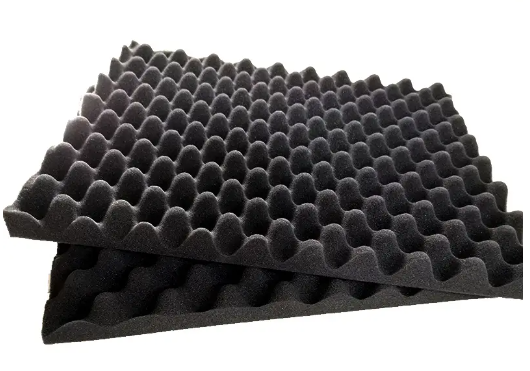
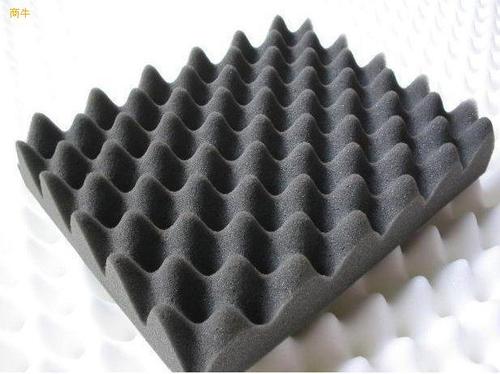
The Role of Wedges and Pyramids: The distinctive shapes of acoustic foam (wedges, pyramids, egg crates) are not merely aesthetic. They increase the surface area exposed to sound waves, creating a more gradual transition from the air to the dense wall. This design enhances absorption across a wider range of frequencies, particularly the lower-mids, by creating an impedance gradient.

2. Application in Professional Audio Recording Studios
This is the most recognized application, where acoustic foam is indispensable for creating a accurate monitoring environment.
-
Eliminating Early Reflections: The first and most critical reflections of sound from the studio monitors hitting the side walls, ceiling, and the wall behind the speakers can cause comb filtering—a phase cancellation that creates peaks and dips in the frequency response. By strategically placing absorption panels at these "first reflection points," engineers ensure that what they hear is a direct, uncolored representation of the source.
-
Creating a "Dry" Recording Environment: In vocal booths and isolation rooms, walls, floors, and ceilings are covered with thick acoustic foam to create a acoustically "dead" space. This prevents any room coloration from being captured by the microphone, resulting in a clean, dry recording that can be manipulated with digital effects during the mixing stage without unwanted room characteristics.
3. Mitigation of Standing Waves and Room Modes in Critical Listening Spaces
In small to medium-sized rooms, low-frequency standing waves (or room modes) can create problematic resonances, causing certain notes to be excessively loud or almost disappear depending on the listener's position.
-
Bass Traps: While thin panels on walls are ineffective for bass, specialized thick, dense foam bass traps are designed for this purpose. They are placed in room corners, where low-frequency pressure builds up. By absorbing this energy, bass traps smooth out the low-end response, providing a more accurate and balanced bass reproduction, which is crucial for music production, mastering, and high-fidelity listening.

4. Enhancement of Speech Intelligibility in Commercial and Educational Settings
Beyond music, acoustic foam plays a vital role in functional spaces where clear communication is essential.
-
Conference Rooms and Classrooms: In these spaces, hard, parallel surfaces can create excessive reverberation, causing spoken words to blur together. This forces people to raise their voices (the Lombard Effect) and leads to listener fatigue. Installing foam panels on ceilings and key walls significantly reduces reverberation time (RT60), making speech clearer and reducing strain on the speaker.
-
Call Centers and Podcasting Studios: For professionals who rely on voice communication, a treated room ensures that their voice is captured cleanly without room echo, which is especially important for teleconferencing and podcast recording, enhancing professionalism and clarity for the listener.
5. Reduction of Noise in Offices and Public Areas for Comfort
Acoustic comfort is a key component of employee well-being and productivity in open-plan offices and other public spaces.
-
Noise Control: The constant hum of conversation, keyboards, and office equipment can create a distracting and stressful environment. Applying foam panels to ceilings, partitions, and walls helps to absorb this ambient noise, lowering the overall noise floor. This reduces distraction, improves concentration, and provides a more pleasant and productive atmosphere.

6. Important Limitations and Considerations
Understanding what acoustic foam cannot do is as important as knowing its applications.
-
It Does Not Soundproof: A common misconception is that foam blocks sound from traveling to adjacent rooms. Acoustic foam is lightweight and porous, making it entirely ineffective at stopping sound transmission. True soundproofing requires adding mass (dense materials like drywall), decoupling structures (resilient channels), and sealing air gaps.
-
Limited Low-Frequency Absorption: As mentioned, standard thin foam panels have minimal impact on bass frequencies. Controlling low-end requires specialized, thick bass traps or other solutions like resonant absorbers (membrane traps).
-
Strategic Placement is Key: Haphazardly covering a wall with foam can often do more harm than good, potentially making the room sound unnaturally dead and unbalanced. Proper placement, determined through analysis or simple tests like the "mirror trick" for first reflection points, is crucial for effective results.
In conclusion, acoustic foam is a highly effective and versatile tool for interior acoustic treatment. Its primary role is to absorb reflected sound energy, thereby reducing reverberation, clarifying speech and music, and controlling problematic room resonances. From the pristine environment of a recording studio to the functional clarity of a classroom, its correct application is fundamental to achieving superior sound quality and acoustic comfort, provided its limitations regarding soundproofing and low-frequency control are clearly understood.
The Application and Efficacy of Acoustic Foam in Recording Studios and KTV Spaces
Related Article