Soundproofing Sponge: Your Key to a Quieter, More Productive Daily Life
Complete Guide to Soundproofing Sponge Applications
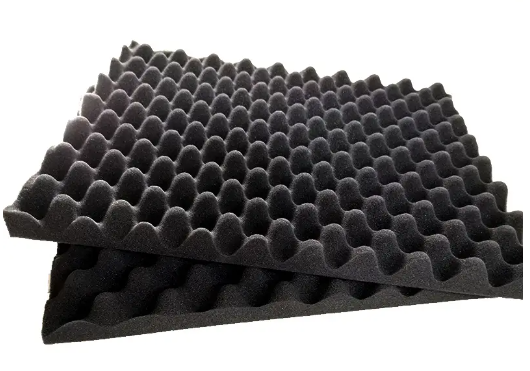
Discover how acoustic foam sponge can transform your living space, workplace, studio, and more. This comprehensive guide covers 5 key application areas with practical benefits.
Table of Contents
1. Home Applications: Creating Personal Sanctuaries
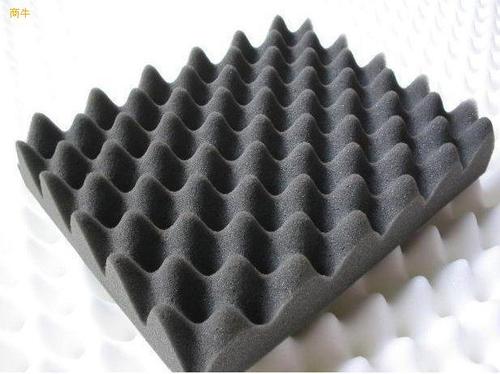
The home is where we seek rest and relaxation, but noise from neighbors, traffic, or household activities can often intrude. Soundproofing sponge offers an affordable and easy-to-install solution for residential spaces. In bedrooms, placing acoustic panels on walls or ceilings can significantly reduce outside noise, leading to better sleep quality and improved health.
For home offices or study areas, these sponges minimize distractions from other rooms, enhancing focus and productivity during work or study sessions. In home theaters or entertainment rooms, they absorb sound reflections, providing clearer audio and a more immersive viewing experience without disturbing other household members.
Additionally, in apartments or shared living spaces, soundproofing sponge can be applied to doors, windows, or shared walls to maintain privacy and reduce conflicts over noise. Its customizable shapes and colors also allow for decorative integration, blending functionality with aesthetics. By transforming homes into peaceful retreats, soundproofing sponge supports mental well-being and family harmony.
2. Workplace and Office Use: Boosting Efficiency and Comfort
Open-plan offices and busy workplaces are often plagued by background chatter, phone rings, and equipment sounds, which can hinder concentration and increase stress. Soundproofing sponge is increasingly used to create quieter, more productive work environments. Installing acoustic panels on walls, partitions, or ceilings helps absorb excess noise, reducing echo and creating a calmer atmosphere.
This leads to improved communication during meetings, as speech becomes clearer without reverberation. For individual workstations, small foam pieces can be placed around desks or under devices to dampen keyboard clicks or fan noises. In call centers or customer service areas, soundproofing sponge enhances call quality by minimizing background disturbances, ensuring professional interactions.
Moreover, in home-based businesses, it allows for a dedicated quiet zone, separating work from household noises. By fostering a focused and low-stress environment, soundproofing sponge contributes to higher employee satisfaction, reduced fatigue, and increased overall efficiency, making it a valuable investment for any workplace.

3. Entertainment and Creative Spaces: Enhancing Audio Quality
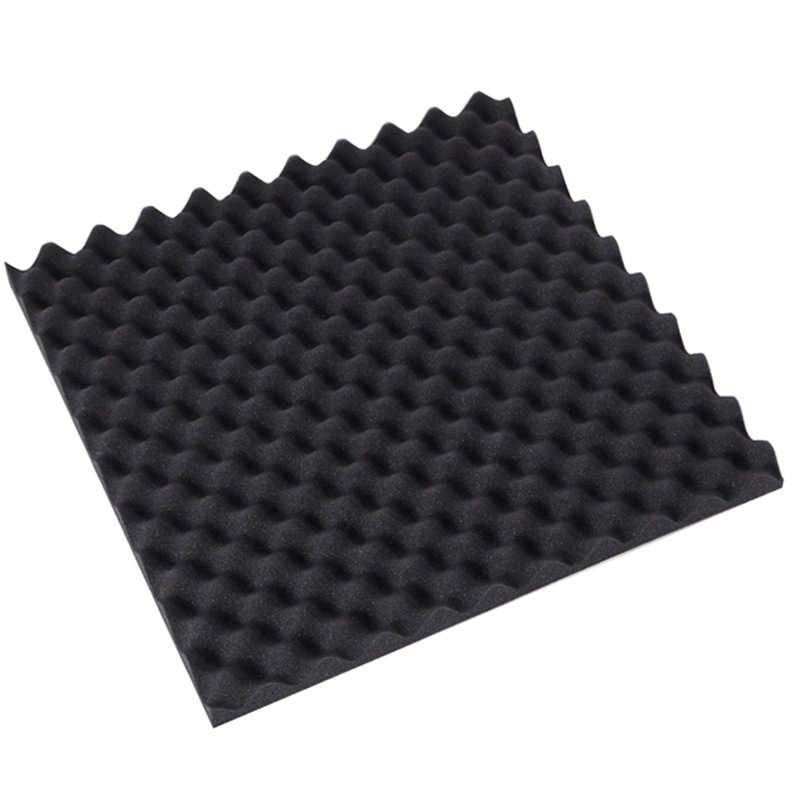
For music enthusiasts, artists, and content creators, sound control is crucial for achieving high-quality results. Soundproofing sponge is a staple in entertainment and creative settings due to its excellent acoustic properties. In home recording studios or podcasting setups, it lines walls, doors, and corners to absorb unwanted frequencies, preventing echo and producing cleaner recordings.
Musicians use it in practice rooms to dampen instrument sounds, allowing for uninterrupted rehearsal without disturbing neighbors. For gaming enthusiasts, applying foam panels around gaming stations reduces external noise interference and enhances in-game audio immersion. In community centers or school auditoriums, soundproofing sponge improves speech clarity during events by controlling reverberation.
Its lightweight nature makes it easy to install and rearrange, offering flexibility for temporary or permanent setups. By optimizing sound quality, this material empowers individuals to pursue hobbies and professions with professional-grade acoustics, fostering creativity and enjoyment in daily leisure activities.
4. Industrial and Practical Everyday Uses
Beyond residential and commercial spaces, soundproofing sponge finds applications in various industrial and mundane scenarios, demonstrating its versatility. In industrial settings, it is used to line machinery enclosures or factory walls, reducing noise pollution for workers and complying with safety regulations. This helps prevent hearing damage and improves workplace morale.
In daily life, car owners apply soundproofing sponge to vehicle doors, floors, and trunks to minimize road and engine noise, creating a quieter and more comfortable driving experience. For pet owners, it can be used in kennels or pet rooms to absorb barks or meows, reducing noise disturbance in households or apartments.
Additionally, in laundry rooms or near loud appliances like generators, foam panels can dampen operational sounds, making homes more peaceful. Its flame-resistant and durable variants ensure safety and longevity in these diverse uses. By addressing noise in practical, often overlooked areas, soundproofing sponge enhances convenience and quality of life in routine activities.

5. DIY and Custom Solutions for Everyday Noise Control
One of the greatest advantages of soundproofing sponge is its accessibility for do-it-yourself (DIY) projects, allowing individuals to tailor solutions to their specific needs. Available in sheets, tiles, or rolls from hardware stores or online retailers, it can be easily cut and installed with adhesives or frames.
For renters or those on a budget, temporary applications like placing foam behind furniture or on removable panels offer non-permanent noise reduction. Creative uses include lining drawers to quiet rattling utensils, padding instrument cases, or even crafting sound-absorbing decorations for nurseries to soothe babies.
Online tutorials and communities provide tips for maximizing effectiveness, such as combining sponge with other materials like mass-loaded vinyl for better sound blocking. This DIY approach empowers people to take control of their acoustic environment without professional help, making noise management a simple and cost-effective part of daily life. By encouraging customization, soundproofing sponge adapts to unique challenges, from small annoyances to major noise issues.
In conclusion, soundproofing sponge is more than just a specialized material; it is an everyday tool that quietly revolutionizes how we experience sound in our daily lives. From homes and offices to creative spaces and industrial settings, its applications are vast and impactful, promoting better sleep, increased productivity, enhanced audio quality, and overall comfort.
The Application and Efficacy of Acoustic Foam in Recording Studios and KTV Spaces
Related Article