The Application and Efficacy of Acoustic Foam in Recording Studios and KTV Spaces
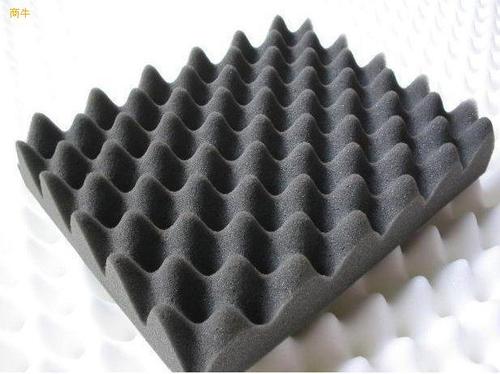
Table of Contents
- 1. Fundamental Principles and Material Characteristics
- 2. Application in Professional Recording Studios
- 3. Application in KTV and Recreational Singing Rooms
- 4. Key Differences and Considerations
- Conclusion
1. Fundamental Principles and Material Characteristics
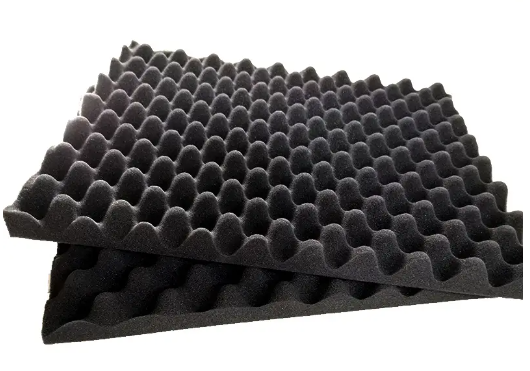
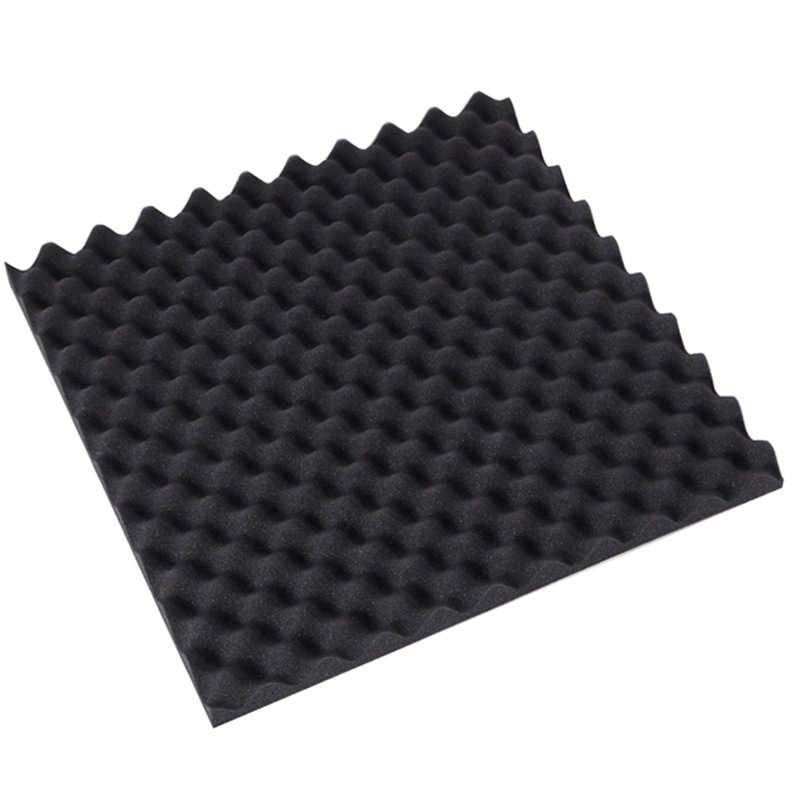
Acoustic foam operates primarily through the principle of sound energy absorption. When sound waves enter the foam's open-cell structure, air molecules within the pores vibrate, converting acoustic energy into negligible amounts of heat energy through friction. Key characteristics include:
-
Noise Reduction Coefficient (NRC): Measures the fraction of sound energy absorbed. Studio-grade foam typically has a higher NRC across a broader frequency range.
-
Density and Thickness: Thicker, denser foam absorbs lower frequencies more effectively. Standard wedges or pyramids target mid to high frequencies.
-
Fire Retardancy: A critical safety requirement, especially in commercial spaces like KTVs, often mandated by building codes.
2. Application in Professional Recording Studios
In recording studios, the objective is to create a neutral, controlled acoustic environment for accurate audio capture and monitoring. Acoustic foam is a key tool, but part of a larger acoustic treatment strategy.
-
Primary Objective: Combating Early Reflections and Flutter Echo. Foam panels are strategically placed on walls, especially at the first reflection points between the monitor speakers and the engineer's/listener's position. This prevents sound from bouncing directly back, improving stereo imaging and transient clarity.
-
Managing Reverberation Time (RT60). Excessive reverb muddies recordings. Foam is used on large, parallel surfaces (e.g., ceilings, rear walls) to absorb scattered reflections and achieve a suitably short, dry RT60 for the room's purpose (e.g., voicing booth, control room).
-
Supplementary Role. It is rarely used as the sole treatment. Bass traps (often thicker, denser foam or specialized fiberglass) in room corners address problematic low-frequency build-up. Diffusers are used alongside absorbers to maintain a sense of acoustic "liveness" without coloration. Studio foam application is precise, calculated, and aims for a balanced frequency response.

3. Application in KTV and Recreational Singing Rooms
The acoustic goal in a KTV room is fundamentally different: to enhance the singer's experience by creating a flattering, lively, and immersive sound that masks imperfections and boosts confidence. Acoustic treatment here serves both functional and aesthetic purposes.
-
Primary Objective: Noise Containment and Interior Reverberation Control.
-
Isolation: While foam itself is not a soundproofing material (soundproofing requires mass and decoupling), it is used inside the room to reduce sound reflection back into the room, which indirectly helps prevent sound from transmitting outward. However, true isolation requires structural construction.
-
Clarity and Feedback Prevention: By absorbing excessive mid-high frequency reverb, foam reduces muddiness and helps prevent microphone feedback, allowing for higher playback volumes without a screeching loop.
-
-
Creating a "Flattering" Acoustic. Unlike the neutral studio, KTVs often aim for a slightly boosted reverberation in the lower-mid frequencies to make voices sound "fuller" and more powerful. Foam application is less about precision and more about general reduction of harshness. Anechoic conditions are undesirable.
-
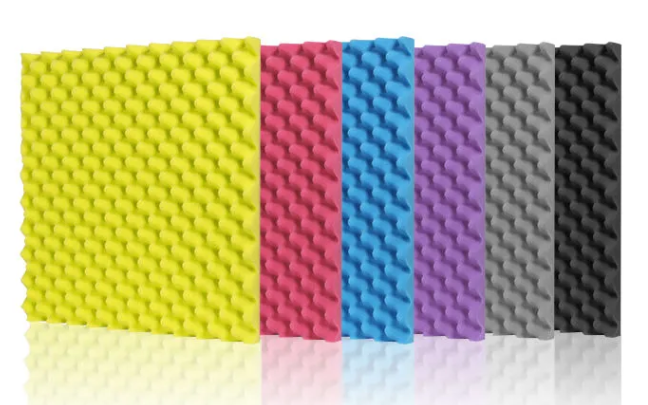
Aesthetic and Safety Integration. KTV foam is heavily integrated into interior design, available in various colors, patterns (e.g., geometric shapes, artistic waves), and is almost always Class A fire-rated. Coverage is often extensive for dramatic visual effect and to quickly deaden the small, boxy rooms commonly used.
4. Key Differences and Considerations
-
Performance Standard: Studios demand high-performance, broadband absorption for critical listening. KTVs prioritize cost-effective, aesthetically pleasing foam that manages the most offensive frequencies.
-
Design Philosophy: Studio treatment is corrective and analytical; KTV treatment is experiential and corrective-enough.
-
Installation Pattern: Studios use targeted placement. KTVs often employ widespread or even full-wall coverage for visual impact and quick acoustic dampening.
-
Material Quality: Studio foams often have higher density and better environmental longevity. KTV foams must meet strict fire codes and withstand more potential physical abuse.
Conclusion
In summary, acoustic foam serves as an essential tool for managing sound reflections in both recording studios and KTVs. However, its application is dictated by the core mission of the space. The recording studio employs it with surgical precision as part of a comprehensive strategy to achieve acoustic neutrality and accuracy. Conversely, the KTV utilizes it broadly to create a sonically forgiving, visually stimulating, and feedback-resistant environment that enhances recreational singing. Understanding this dichotomy—between the pursuit of sonic truth and the cultivation of sonic enjoyment—is key to effectively specifying and implementing acoustic foam in these specialized environments. Future trends may see smarter, more adaptive materials, but the fundamental divergence in application goals will likely remain.
Soundproofing Sponge: Your Key to a Quieter, More Productive Daily Life
A Comprehensive Guide to the Use of Acoustic Foam
Related Article