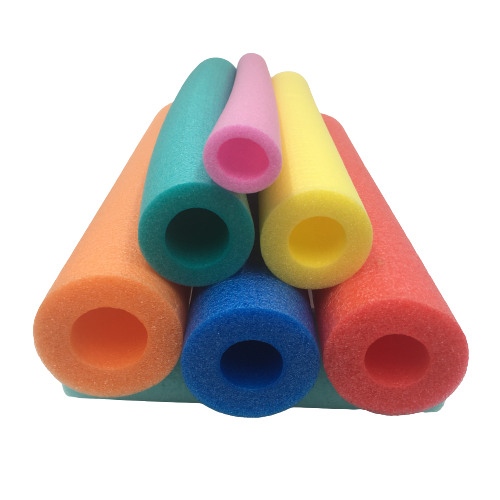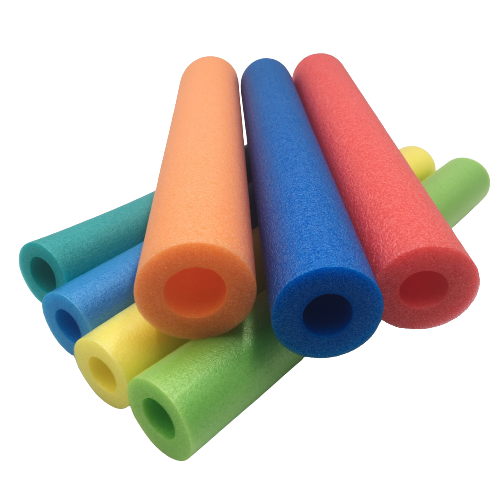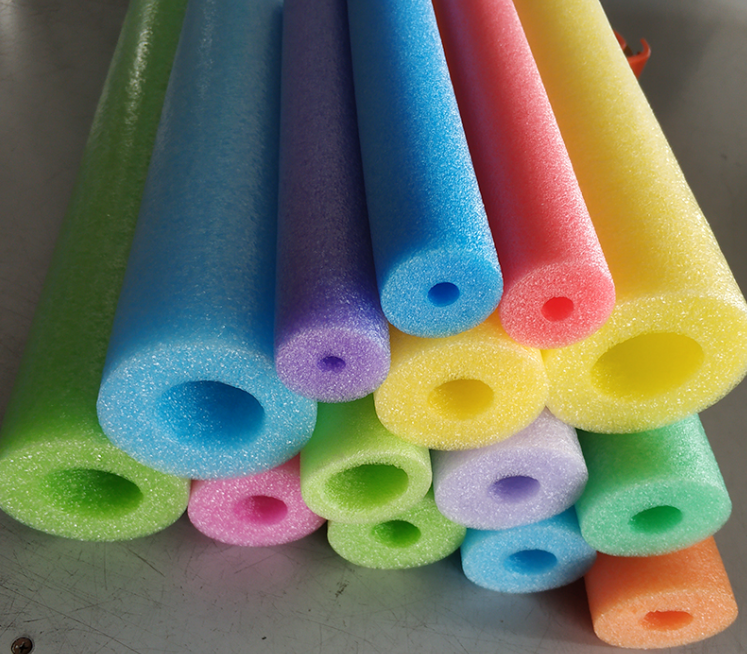
The Multifunctional World of Colored EPE Tubing: More Than Just Protection
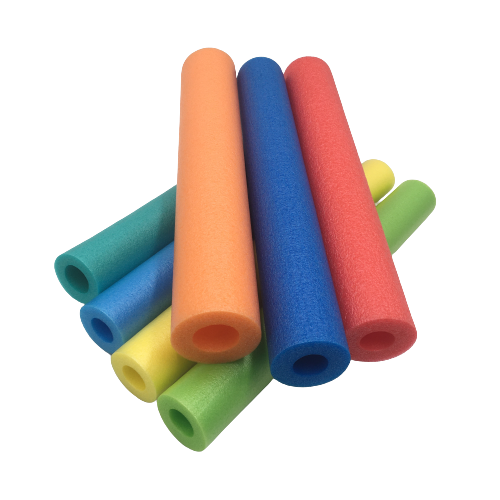
Colored EPE Tubing: Uses and Benefits for Organization and Safety
Table of Contents
1. Instant Identification and Color-Coding Systems
The primary advantage of colored EPE tubing is immediate visual identification.
-
Cable and Hose Management: In complex electrical panels, automotive wiring, data centers, and machinery, different colors can signify voltage (e.g., red for high power, yellow for caution), function (data vs. power), or destination. This drastically reduces installation errors, simplifies troubleshooting, and enhances safety for maintenance personnel.
-
Pipe Marking and Insulation: Used as sleeving for pipes, color can indicate the transported content—blue for cold water, red for hot water, green for sprinkler lines. This is crucial for facility management and emergency response.
-
Workflow and Organization: In manufacturing or packaging lines, different colored tubes on guides, rollers, or protective rails can signal different product lines or process stages, streamlining workflow.
2. Enhanced Safety and Warning Signals
Colors universally convey safety messages. Colored EPE tubing leverages this for passive hazard communication.
-
Highlighting Hazards: Bright yellow or orange tubing is often used to sleeve sharp edges, protruding rods, or low-hanging structures in warehouses and construction sites, providing both physical padding and high-visibility warning.
-
Heat and Cold Indication: As insulation for handles or tools, red tubing can warn of potential heat exposure, while blue might indicate cold surfaces, preventing burns or frostbite.
-
Safety Standards Compliance: Using industry or regionally recognized color codes (like OSHA or ISO standards) on protective foam helps organizations meet safety and compliance requirements.

3. Branding, Aesthetics, and Product Design
Color transforms a utilitarian component into a branding and design asset.
-
Consumer Products: From colorful grips on sports equipment (bicycles, fishing rods, exercise bars) to decorative sleeves on furniture legs or home organization items, colored EPE enhances product appeal and allows for stylistic customization.
-
Corporate Identity: Companies can use branded colors (e.g., a specific blue or red) on packaging inserts, display fixtures, or internal organizers to reinforce brand identity consistently.
-
Clean and Professional Look: In retail displays or office settings, choosing a coordinated color (like black or grey) for wire sleeving or cushioning creates a tidy, professional appearance compared to a clutter of mismatched cables.
4. Specialized Functional Applications
Specific colors are chosen for technical performance reasons.
-
UV Resistance: Black EPE tubing offers superior resistance to ultraviolet degradation, making it ideal for outdoor applications like protecting garden hoses, cables in solar installations, or marine fittings.
-
Cleanroom and Low-Contamination Use: White or light-colored anti-static EPE tubing is preferred in electronics manufacturing, pharmaceuticals, and labs where dust shedding and static control are critical. The color also makes contamination easily visible.
-
Photography and Lighting: Black tubing is essential as a light lock for protecting cables in studios or as makeshift lens hoods, preventing unwanted light flares.

5. Summary and Key Benefits
In summary, colored EPE tubing is a simple yet powerful innovation. It elevates basic foam protection into a systematic tool for organization, safety, branding, and specialized function. Its benefits are clear:
- Improves efficiency and reduces errors through visual coding.
- Enhances workplace safety by highlighting hazards.
- Boosts product aesthetics and brand recognition.
- Offers technical advantages like UV or static protection.
- Remains cost-effective, flexible, and easy to install.
For industries ranging from industrial manufacturing and construction to retail, electronics, and even creative DIY projects, selecting the right colored EPE tubing provides a smart, multi-functional solution that meets both practical and strategic needs. When searching for the best protective sleeving, consider color as a key functional specification, not just an aesthetic choice.
The Unsung Hero: Unpacking the Versatile Uses of Polyethylene Foam Pipe (EPE Foam Tube)
The Unsung Hero of the Pool: 5 Key Uses of Foam Noodles in Swimming
Related Article