EPE Tubes in Swimming: Your Ultimate Guide to Lightweight Buoyancy Aids
What Is EPE Foam?
EPE stands for Expanded Polyethylene. It is a lightweight, closed-cell foam material. Unlike a kitchen sponge that soaks up water, the tiny air bubbles inside EPE are sealed shut. This means water cannot get inside. The material is also non-toxic, chemically stable, resistant to chlorine and saltwater, and flexible enough to bend without breaking. EPE is often compared to EVA foam (used in yoga mats and many pool toys). EPE is generally softer, more flexible, and lighter, while EVA tends to be firmer and more durable. However, EPE is perfectly suited for its main job: keeping people afloat.
Why Is EPE Perfect for Swimming?
EPE tubes have three key features that make them ideal for swimming:
-
Superior Buoyancy: The closed-cell structure traps air, giving EPE strong floating power. Many EPE pool noodles can support children and even adults with ease.
-
Zero Water Absorption: Because the foam cells are sealed, EPE does not become waterlogged. It stays lightweight even after hours in the pool, unlike cheaper foams that absorb water and sink.
-
Durability and Safety: EPE resists damage from chlorine, UV rays, and saltwater. It is soft enough to prevent injury if a swimmer bumps into it, but firm enough to provide reliable support.

Common Uses of EPE Tubes in Swimming
EPE foam is incredibly versatile. Here are the most common ways you will find it used in the water:
1. Pool Noodles (Swim Tubes)
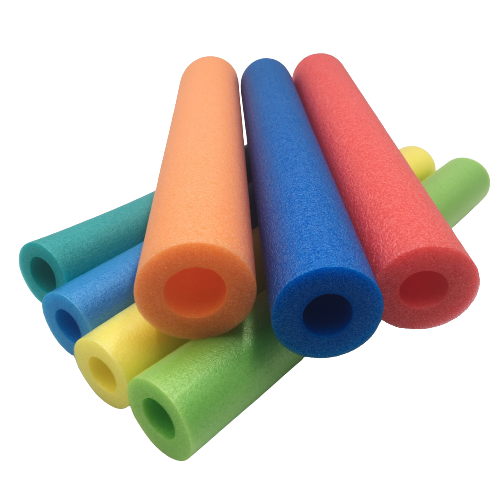
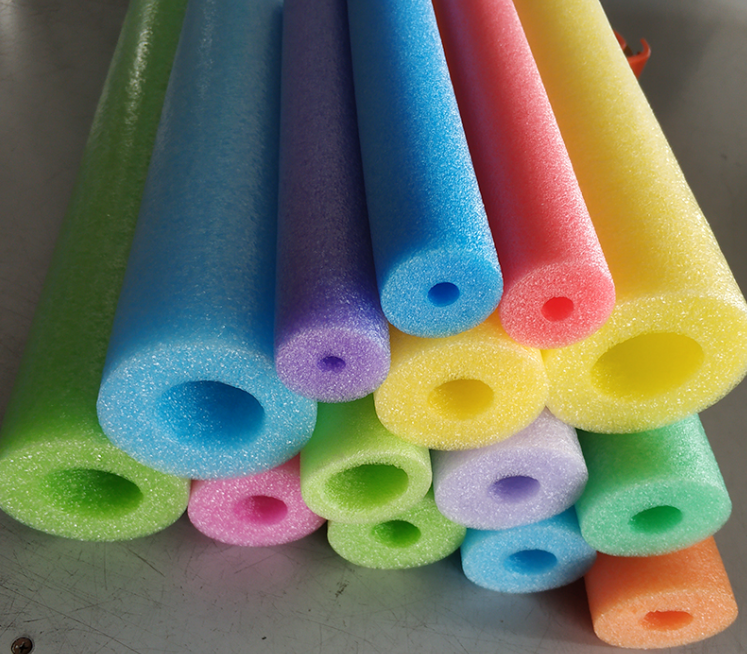
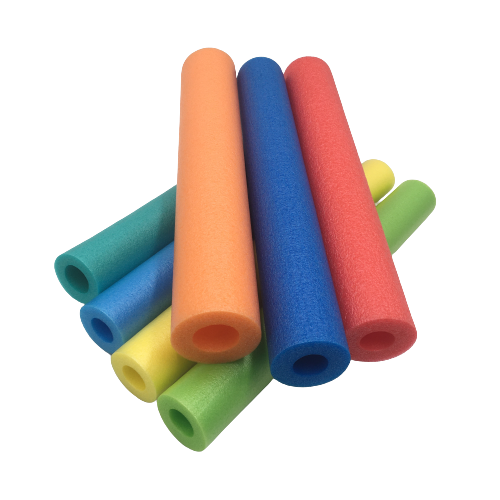
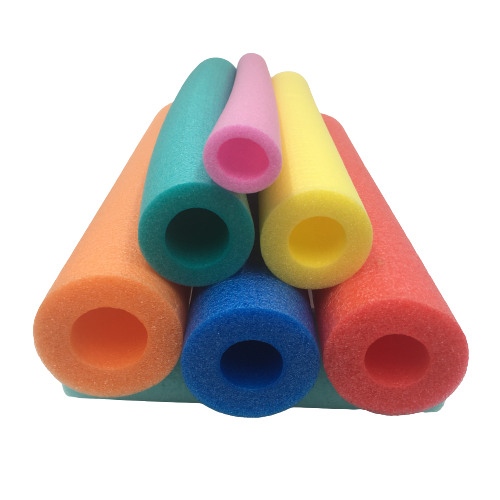
The classic pool noodle is the most recognizable EPE product. These long, colorful tubes are used for floating, playing games, and as a training aid. Hollow EPE noodles are especially lightweight and easy for children to handle. Some premium noodles feature a textured, non-slip surface for a better grip when wet.
2. Kickboards
Many swim training kickboards have an EPE foam core. These boards help swimmers focus on their leg kicks by keeping the upper body afloat. The EPE core provides high stability and flexibility without being too heavy.
3. Swim Vests and Float Belts
For beginners or those in aqua fitness classes, EPE is often used in floatation vests and belts. These aids provide adjustable buoyancy to help swimmers maintain proper body position while learning strokes or performing exercises.
4. Training Floats for Children
For young children learning to swim, EPE arm floats and trainer floats provide safe, comfortable support. These products are designed to be soft against the skin while keeping the child secure in the water.
5. Aqua Fitness and Therapy
EPE tubes are also used in water therapy and rehabilitation. The soft foam reduces joint strain, making it ideal for low-impact exercises. Aqua fitness classes often use foam noodles for resistance training, core workouts, and stretching.

Safety and Usage Tips
While EPE tubes are excellent swimming aids, they are not life-saving devices. Always keep the following safety rules in mind:
-
Adult Supervision Required: Children should never use EPE swimming aids without an adult watching them closely.
-
Shallow Water Only: These aids are designed for pools and calm, shallow water. Never use them in the ocean, fast-moving rivers, or deep water where you cannot stand.
-
Avoid Heat and Sun: Prolonged exposure to direct sunlight or high heat can damage EPE foam. Store your EPE tubes in a cool, dry place away from heat sources and flames.
-
Check for Damage: Before each use, inspect the tube for tears, cracks, or compressed foam that no longer floats properly.
-
Not a Life Jacket: Remember, a pool noodle or kickboard is a training aid, not a certified life jacket. Do not rely on it for survival in an emergency.

How to Choose the Right EPE Tube
When shopping for an EPE swimming aid, look for high-density foam. Low-density foam will compress easily and lose its shape quickly. Check the product label for safety certifications, such as EN71 (European safety standard for toys) or other relevant aquatic safety marks. For young children, choose hollow or small-diameter noodles that are easier for small hands to grip. For adults, a solid-core or thicker noodle will provide more buoyancy and support.
Pool Noodles: The Ultimate Swimming Aid You Need to Try
Related Article