Pool Noodles: The Ultimate Swimming Aid You Need to Try
1. What is a Pool Noodle?
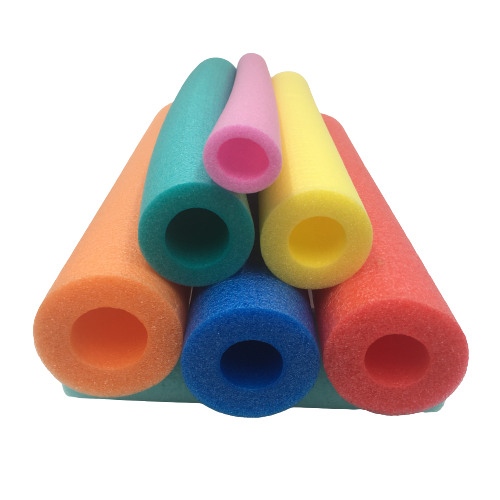
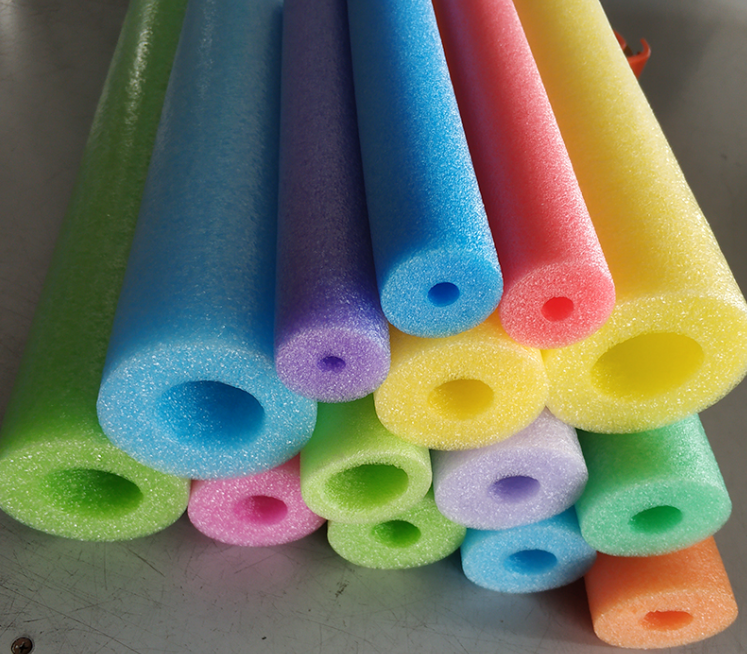
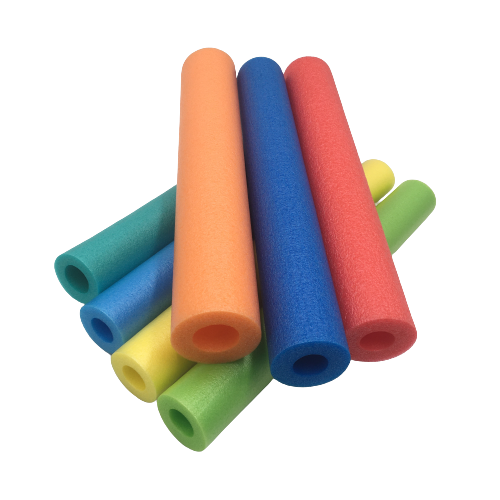
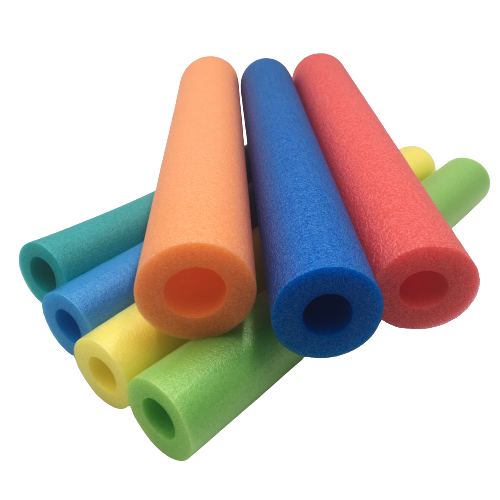
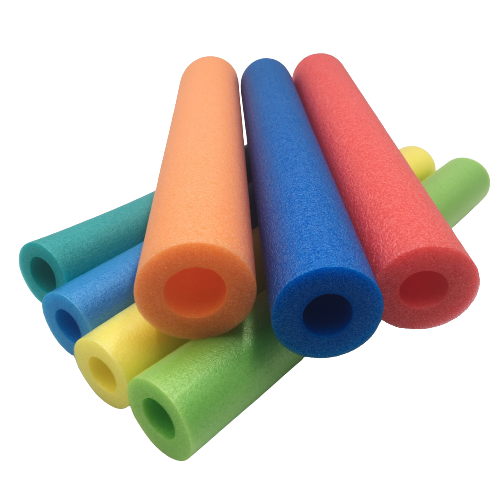
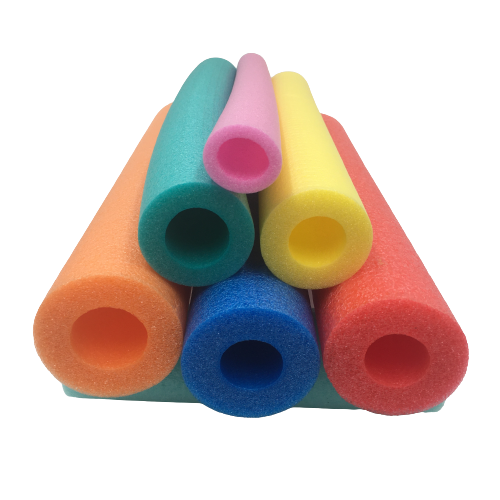
A pool noodle is a long, flexible cylinder made from buoyant, waterproof polyethylene foam (often referred to as "EPE foam" or珍珠棉). Its standard length is typically around 1.6 meters (63 inches) with a diameter of about 7 cm (2.75 inches). Its lightweight, durable, and non-toxic material provides excellent flotation and resistance.
2. Who Can Benefit from Using a Pool Noodle?
-
Beginner Swimmers & Children: Ideal for building water confidence, practicing basic kicks, and learning buoyancy without restrictive devices.
-
Swim Instructors: A fundamental teaching tool for demonstrating body position, rotation, and kick techniques.
-
Aquatic Fitness Participants: Perfect for adding resistance or buoyancy in water aerobics, strengthening exercises, and rehabilitation.
-
Recreational Swimmers: Great for relaxing floatation, playful games, or gentle support while cooling off.
3. Top 5 Advantages of Pool Noodles for Swimming
-
Versatility: Its uses are nearly endless. It can be a flotation device, a kickboard, a resistance tool for arms or legs, a marker for drills, or bent into a "U" for supported swimming.
-
Safety & Confidence Building: Unlike rigid or fully supporting floats, the noodle requires active engagement and balance from the user. This promotes proper horizontal body position and builds real swimming skills and confidence in a supportive way.
-
Portability & Affordability: Extremely lightweight and inexpensive. Easy to carry, store, and replace, making it accessible for everyone.
-
Promotes Proper Technique: When used under the arms or across the chest, it elevates the torso, allowing focus on leg kick technique. Held in front, it helps isolate and practice arm strokes.
-
Low-Impact Support: Excellent for aquatic therapy and senior swimmers, providing gentle support for joints while enabling movement and exercise in the water.
4. Key Swimming Exercises & Uses
-
Kick Development: Tuck the noodle under your arms or hold it straight out in front while practicing flutter, dolphin, or breaststroke kicks. This isolates the lower body.
-
Body Position Drill: Place the noodle across your chest, under your armpits, and rest your arms on top. This stabilizes your upper body, allowing you to focus on a streamlined core and steady kick.
-
Arm Stroke Isolation: Hold the noodle with both hands (forming a straight line or a "U") and use it for buoyancy while practicing arm strokes without kicking.
-
Balance & Core Activation: Try sitting, kneeling, or standing on a vertically submerged noodle. This dramatically improves core strength and balance in the water.
-
Resistance Training: Use two shorter noodles: hold one in each hand and push them through the water during arm exercises to increase resistance.
5. How to Choose the Right Pool Noodle
-
Density & Buoyancy: Higher-density foam offers more floatation and durability, crucial for adults or fitness use.
-
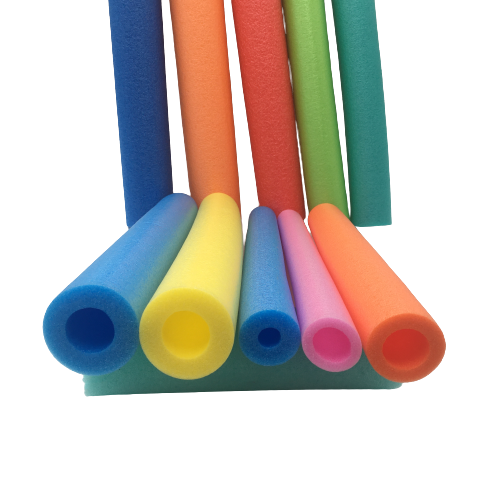
Diameter: A standard diameter (approx. 7cm) suits most. Thicker noodles offer more buoyancy; thinner ones are easier for small children to grip.
-
Length: A full-length noodle is best for versatility. They can easily be cut to a custom size.
-
Quality: Look for noodles with a smooth, firm surface without a strong chemical smell. Quality foam resists tearing and retains shape longer.
Safety Note
Pool noodles are not U.S. Coast Guard-approved life-saving devices. They are swimming aids and should never be used as a sole safety measure for non-swimmers or unsupervised children in deep water.
In summary, the pool noodle is an indispensable, multi-functional tool for aquatic learning, fitness, and fun. Its genius lies in its simplicity—encouraging active participation, skill development, and creativity in the water. Whether you're taking your first strokes or designing a water workout, incorporating a pool noodle can enhance your swimming experience.
EPE Tubes in Swimming: Your Ultimate Guide to Lightweight Buoyancy Aids
The Unsung Hero: Unpacking the Versatile Uses of Polyethylene Foam Pipe (EPE Foam Tube)
Related Article