Is EVA foam any good?
Is EVA foam any good?
Table of Contents
What is EVA Foam?
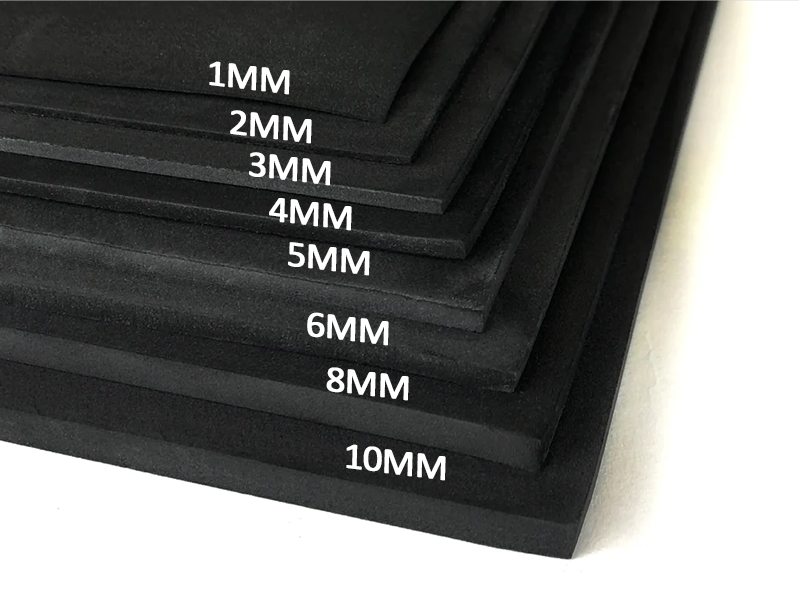
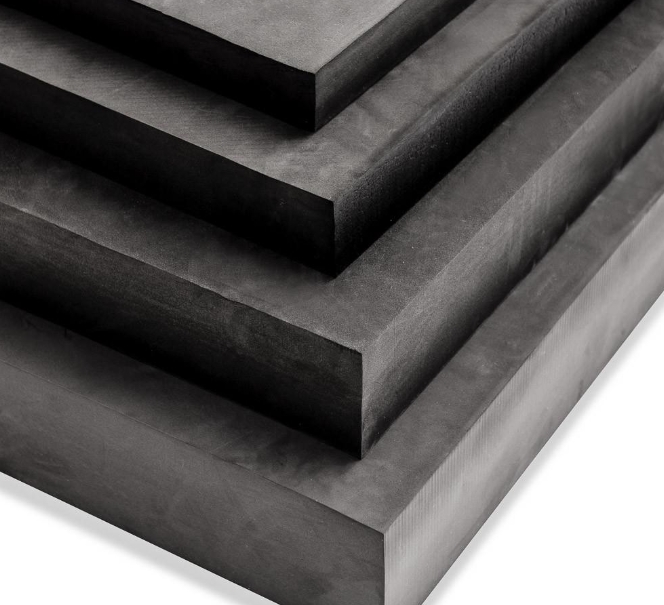
EVA foam, short for Ethylene-Vinyl Acetate foam, is a closed-cell foam material known for its versatility and wide range of applications. If you're interested in a more in-depth understanding of what EVA foam is, you can check out our previous blog What is eva foam. It is created by combining ethylene and vinyl acetate monomers, and the ratio of these components determines the properties of the final product. With its unique molecular structure, EVA foam offers a balance of flexibility, durability, and resilience, making it a popular choice across various industries.
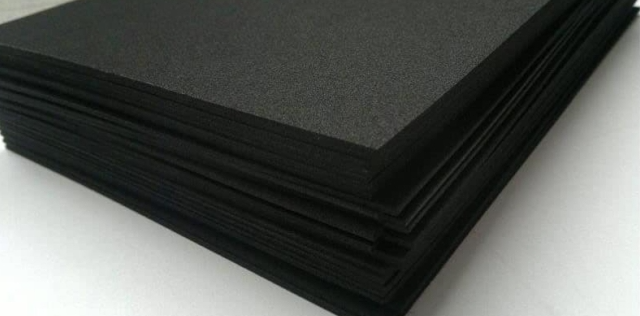
Key Parameters of General EVA Foam
The following table presents the common parameters of general EVA foam, which can help you better understand its physical and chemical properties:
|
Parameter
|
Typical Value
|
|
Density
|
0.1 - 0.9 g/cm³
|
|
Tensile Strength
|
2 - 15 MPa
|
|
Elongation at Break
|
100 - 600%
|
|
Shore Hardness
|
20 - 90A
|
|
Water Absorption
|
≤1%
|
|
Service Temperature
|
-50℃ - 80℃
|
Advantages of EVA Foam
-
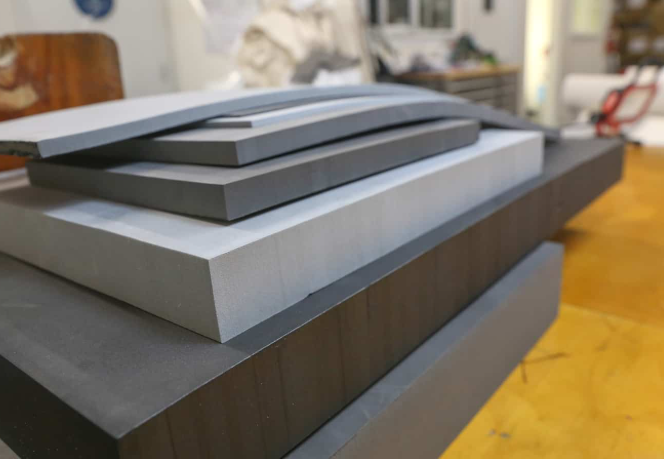
Lightweight and Flexible: EVA foam is extremely lightweight, which makes it ideal for applications where minimizing weight is crucial, such as in sports equipment and footwear. Its flexibility allows it to conform to various shapes, providing excellent comfort and fit. For example, in running shoes, EVA foam midsoles can adapt to the wearer's foot movements, reducing the risk of injuries.
-
Shock Absorption and Cushioning: One of the most notable advantages of EVA foam is its outstanding shock absorption capabilities. It can effectively absorb and disperse impact forces, making it a preferred material for protective gear, like helmets and knee pads. Dr. John Smith, a materials science expert, states, "EVA foam's ability to absorb shock is due to its unique cellular structure, which can compress and rebound, dissipating energy in the process."
-
Water Resistance: EVA foam is highly resistant to water, making it suitable for outdoor and marine applications. It won't swell or degrade when exposed to moisture, ensuring long - term performance. This property is also beneficial in products like swim fins and floating devices.
-
Chemical Resistance: It shows good resistance to a variety of chemicals, oils, and solvents, which enhances its durability and lifespan in different environments.
Disadvantages of EVA Foam
-
Limited Heat Resistance: EVA foam has a relatively low service temperature range. When exposed to high temperatures above 80℃, it may start to deform or lose its mechanical properties. This limits its use in applications that require high - temperature resistance.
-
Susceptibility to UV Degradation: Prolonged exposure to ultraviolet (UV) rays can cause EVA foam to degrade, leading to discoloration and a decrease in mechanical strength. To mitigate this, it often needs to be treated with UV - resistant additives or used in combination with protective coatings.
EVA Foam vs. PVC Foam: A Comparative Analysis
Advantages of EVA Foam over PVC Foam:
Environmental Friendliness: EVA foam is generally considered more environmentally friendly than PVC foam. PVC production can release harmful chemicals, while EVA foam is free of chlorine and phthalates, making it a more sustainable option. According to environmental scientist Dr. Emily Johnson, "As consumers become more environmentally conscious, the demand for EVA foam is increasing due to its lower environmental impact."
Better Flexibility at Low Temperatures: EVA foam retains its flexibility even in cold conditions, whereas PVC foam may become brittle and crack. This makes EVA foam a better choice for applications in cold climates.
Advantages of PVC Foam over EVA Foam:
Higher Rigidity: PVC foam offers greater rigidity compared to EVA foam, which can be an advantage in applications where a stiffer material is required, such as in some construction and industrial products.
Lower Cost: In general, PVC foam is less expensive to produce than EVA foam, making it a more cost - effective option for large - scale applications where budget is a major concern.
Expert Opinions on EVA Foam
Materials engineer, Sarah Thompson, comments, "EVA foam's combination of properties makes it a game - changer in many industries. Its adaptability and performance - based characteristics allow manufacturers to create innovative products that meet the evolving needs of consumers." These expert insights highlight the significance and potential of EVA foam in modern manufacturing and product design.
Frequently Asked Questions
Q: Is EVA foam safe for use in products that come into contact with skin?
A: Yes, EVA foam is generally considered safe for skin contact as it is non - toxic and hypoallergenic. However, if you have sensitive skin, it's advisable to test a small area first.
Q: Can EVA foam be recycled?
A: Yes, EVA foam can be recycled. Many recycling facilities accept EVA foam, and it can be processed into new products, reducing waste and environmental impact.
Q: How long does EVA foam last?
A: The lifespan of EVA foam depends on various factors such as usage conditions, exposure to environmental elements, and the quality of the foam. Under normal conditions, it can last for several years.
What are the disadvantages of EVA material?
Is EVA bad for the environment?