What Is EVA Foam Made Of?
EVA Foam Comprehensive Guide
EVA foam (ethylene-vinyl acetate foam) is a versatile material used across industries, from footwear to crafts. But what exactly is it made of, and why is it so popular? In this guide, we’ll explore its composition, manufacturing process, and key applications while highlighting its unique benefits.

The Composition of EVA Foam
Core Ingredients
EVA foam is a copolymer blend of ethylene and vinyl acetate. The ratio of these components determines the foam’s flexibility, density, and durability:
-
Ethylene: Provides structural rigidity and weather resistance.
-
Vinyl Acetate: Adds softness, elasticity, and shock-absorbing properties.
The mix typically ranges from 10% to 40% vinyl acetate, creating a material that’s both lightweight and durable. Additional additives like colorants, UV stabilizers, and blowing agents are included to enhance performance for specific uses.

How Is EVA Foam Manufactured?
The production process involves three key steps:
-
Compounding: Ethylene and vinyl acetate are melted and blended with additives.
-
Foaming: A blowing agent (e.g., azodicarbonamide) creates bubbles, giving the foam its lightweight, porous structure.
-
Molding: The mixture is pressed into sheets, blocks, or custom shapes using heat and pressure.
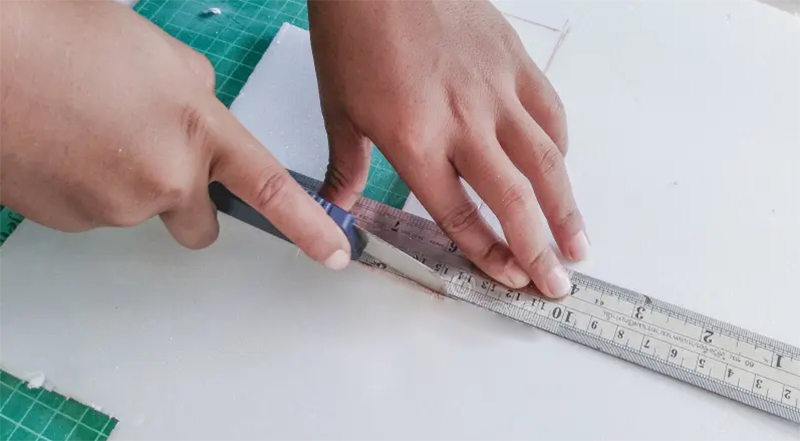
This process ensures EVA foam is water-resistant, easy to cut, and thermally insulating—properties that make it ideal for diverse applications.

Key Uses of EVA Foam
Footwear and Orthotics
EVA foam is a staple in shoe midsoles and insoles due to its cushioning and energy-return properties. Brands like Nike and Adidas use it for running shoes and sandals.
Sports and Safety Gear
Its shock-absorbing quality makes it perfect for:
-
Yoga mats
-
Helmet liners
-
Knee pads

Crafts and DIY Projects
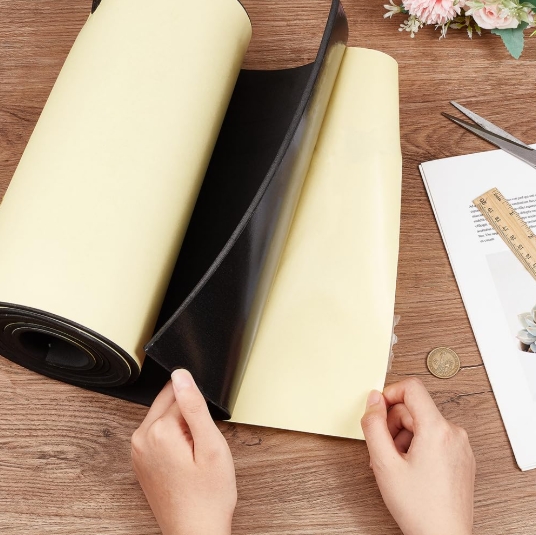
Crafters love EVA foam cosplay costumes, model building, and children’s play mats because it’s easy to sculpt and paint.

Packaging and Industrial Applications
EVA foam protects fragile items in shipping and is used in gaskets, seals, and anti-vibration pads for machinery.

Why Choose EVA Foam? 5 Major Benefits
-
Lightweight: Easier to handle than rubber or PVC.
-
Water-Resistant: Performs well in humid or wet conditions.
-
Durable: Resists cracking and UV damage.
-
Non-Toxic: Safe for children’s products and crafts.
-
Cost-Effective: Affordable compared to similar materials.

How to Select the Right EVA Foam
Consider these factors:
-
Density: Higher density (e.g., 60 kg/m³) for heavy-duty uses like flooring.
-
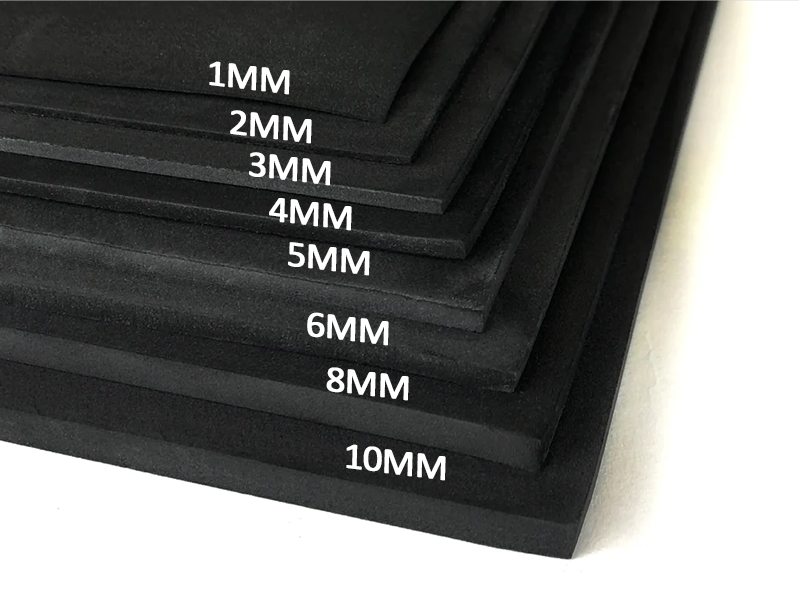
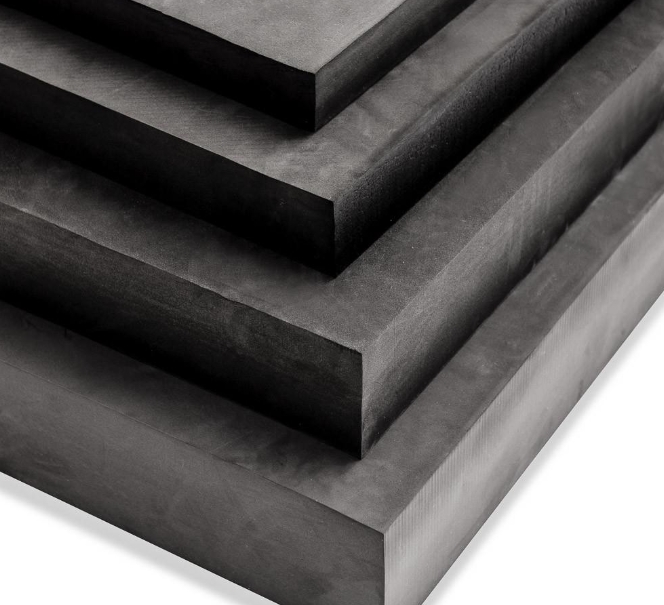
Thickness: Thinner sheets (2-6 mm) for crafts; thicker (10+ mm) for padding.
-
Surface Texture: Smooth for printing, textured for grip.
Conclusion
EVA foam’s unique blend of ethylene and vinyl acetate makes it a go-to material for footwear, crafts, sports gear, and industrial uses. Its lightweight, durable, and customizable properties ensure it remains a favorite across industries. Whether you’re crafting a costume or designing ergonomic footwear, EVA foam delivers unmatched versatility.
Looking for high-quality EVA foam products? Check out our range of sheets, rolls, and custom-cut solutions tailored to your needs!
Rubber vs EVA Foam
Is EVA Foam Safe?