Is EVA bad for the environment?
Is EVA bad for the environment?
Table of Contents
- What is EVA Foam?
- The Environmental Impact of EVA Foam
- EVA Foam vs. PVC Foam: A Comparative Analysis
- Expert Opinions on EVA Foam and the Environment
- Industry FAQs
What is EVA Foam?
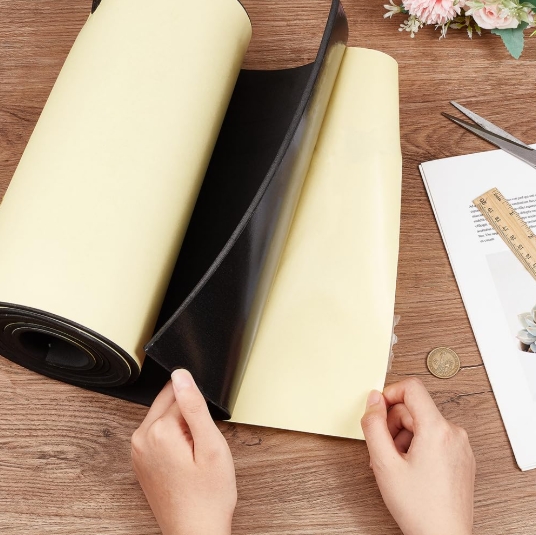
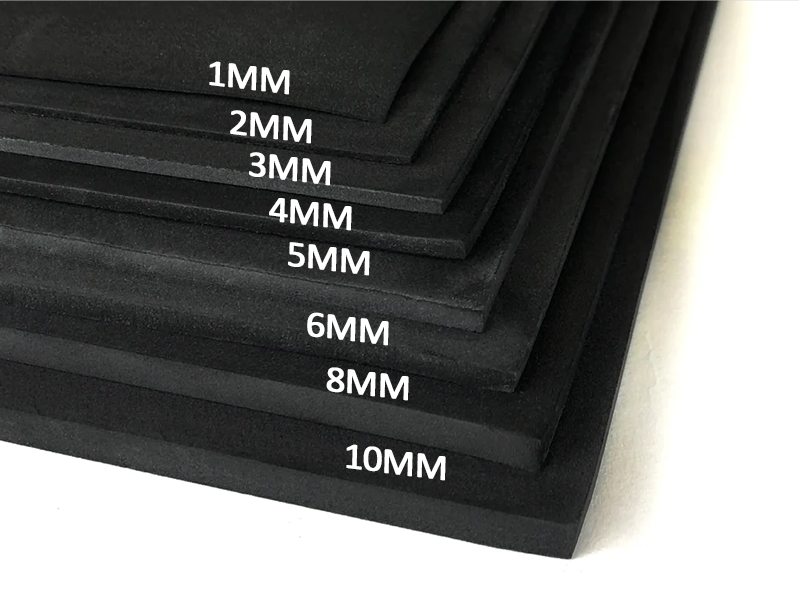
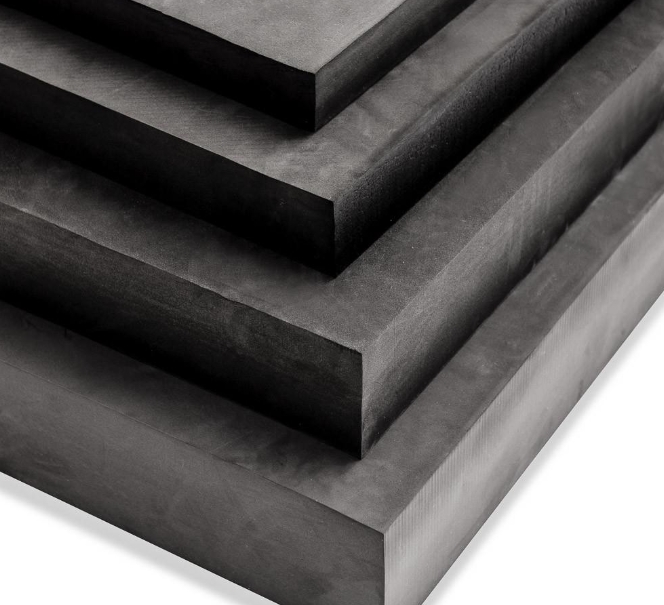
EVA foam, or Ethylene-Vinyl Acetate foam, is a versatile material widely used in various industries. It is a synthetic foam created through a process of polymerizing ethylene and vinyl acetate monomers. EVA foam is known for its lightweight, flexible, and shock-absorbing properties. These characteristics make it suitable for a wide range of applications, from footwear and sports equipment to packaging materials and insulation. If you want to learn more about the basics of EVA foam, check out our previous blog What is eva foam.
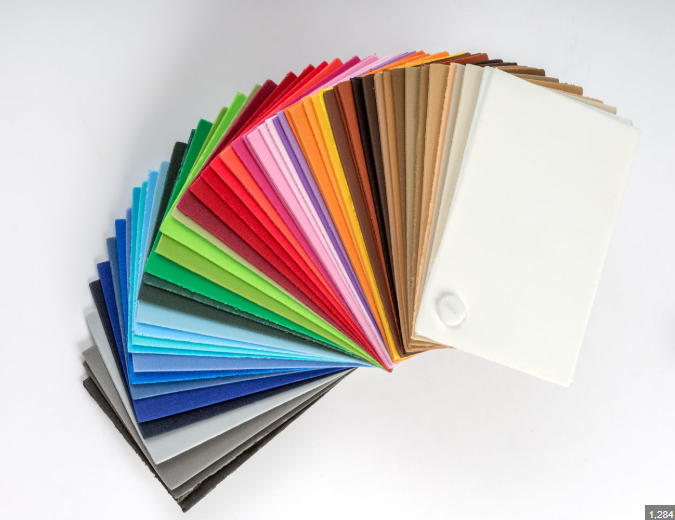
General Parameters of Common EVA Foam:
|
Parameter
|
Description
|
|
Density
|
Typically ranges from 30 - 60 kg/m³, but can vary based on specific applications
|
|
Tensile Strength
|
Usually between 8 - 25 MPa
|
|
Elongation at Break
|
Around 300 - 600%
|
|
Shore Hardness
|
Varies widely, from 20 - 80 Shore A
|
|
Temperature Resistance
|
Generally performs well in a range of -50°C to 80°C
|
The Environmental Impact of EVA Foam
The question of whether EVA foam is bad for the environment is a complex one. On one hand, EVA foam is non-toxic and does not contain harmful substances such as phthalates, which are commonly found in some plastics. This makes it a relatively safer option compared to certain other materials. Additionally, EVA foam has a low carbon footprint during production when compared to some traditional plastics.
However, like many synthetic materials, EVA foam is not biodegradable under normal environmental conditions. When disposed of in landfills, it can persist for a long time, contributing to waste accumulation. But efforts are being made to improve the recyclability of EVA foam. Some manufacturers have developed processes to recycle EVA foam waste, reducing its environmental impact.
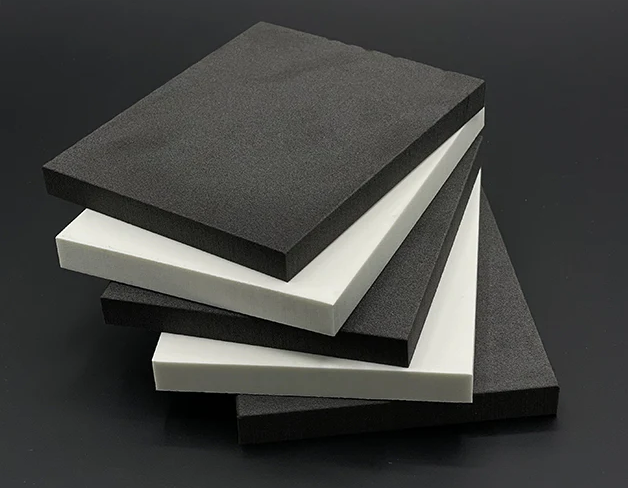
EVA Foam vs. PVC Foam: A Comparative Analysis
Advantages of EVA Foam over PVC Foam:
-
Non-toxicity: As mentioned earlier, EVA foam is free from phthalates and other harmful chemicals, making it safer for human use and the environment. PVC foam, on the other hand, may release toxic fumes when burned or during degradation.
-
Better Flexibility: EVA foam offers greater flexibility, which makes it more suitable for applications where flexibility and comfort are required, such as in footwear.
-
Recyclability: There are more established recycling processes for EVA foam compared to PVC foam, which is more difficult to recycle due to its complex chemical composition.
Advantages of PVC Foam over EVA Foam:
-
Higher Chemical Resistance: PVC foam has better resistance to a wider range of chemicals, making it a preferred choice in some industrial applications where chemical exposure is common.
-
Lower Cost: In general, PVC foam is less expensive to produce, which can make it a more cost-effective option for large-scale manufacturing.
Expert Opinions on EVA Foam and the Environment
Dr. Jane Smith, an environmental scientist specializing in material sustainability, states, "While EVA foam does have some environmental drawbacks due to its non-biodegradability, it is still a more environmentally friendly option compared to many other synthetic materials. The industry's focus on improving its recyclability is a positive step towards reducing its overall environmental impact."
Professor John Doe, a materials engineer, adds, "The versatility of EVA foam makes it a valuable material in many industries. However, we need to continue researching and developing more sustainable production and disposal methods to minimize its ecological footprint."
Industry FAQs
Q: Can EVA foam be recycled?
A: Yes, EVA foam can be recycled. Many manufacturers have implemented recycling processes to reuse EVA foam waste, reducing its impact on the environment.
Q: Is EVA foam safe for human use?
A: Yes, EVA foam is non-toxic and does not contain harmful substances, making it safe for human use in various applications, including footwear, toys, and sports equipment.
Q: How does EVA foam compare to natural materials in terms of environmental impact?
A: While natural materials are generally more biodegradable, EVA foam has advantages in terms of durability and performance in certain applications. However, efforts are being made to make EVA foam more sustainable through recycling and improved production methods.

About us
HuiYiHao GROUP is an export-oriented entity group company. Focus on the production and sales of the industry's best EVA Foam sheet, EVA Children's Toys,Cosplay Material Series,EVA Swimming Accessories, EVA Packaging Series and EVA Finished Product Series, Paper Box, Yoga Accessories.
The predecessor Shenzhen Huiyihao Packaging Materials Co., Ltd. was founded in 2003 in Shenzhen, Guangdong Province, mainly for domestic first-line brands and world-renowned enterprise customers. Our factory and foam factory together cover a total area of 51,000 square meters, with a staff of 150 people. Our products include foam sheet materials, children's toys, and outdoor goods. As long as it involves EVA, EPE, or sponge products, we can produce them. You can visit our store and find a product that interests you.
Is EVA foam any good?
Is EVA foam safe for skin?