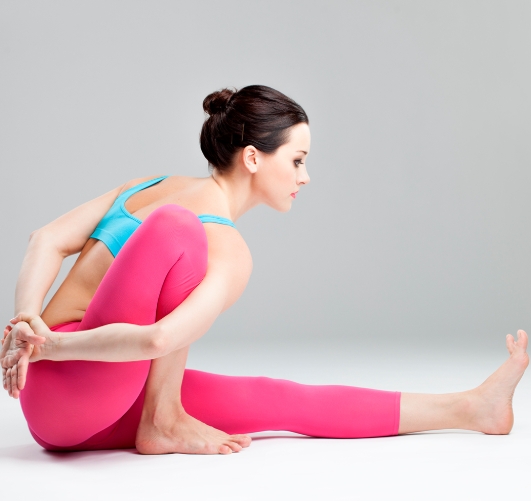
Are foam rollers actually good for you?
Are foam rollers actually good for you?
What Exactly is a Foam Roller?
Let’s cut to the chase—foam rollers are those cylindrical, squishy tubes you’ve seen at the gym or on Instagram. They’re not just a trendy prop for influencers; they’re tools designed to massage your muscles, improve flexibility, and even speed up recovery. But do they actually work? Spoiler: Yes, but with some caveats.
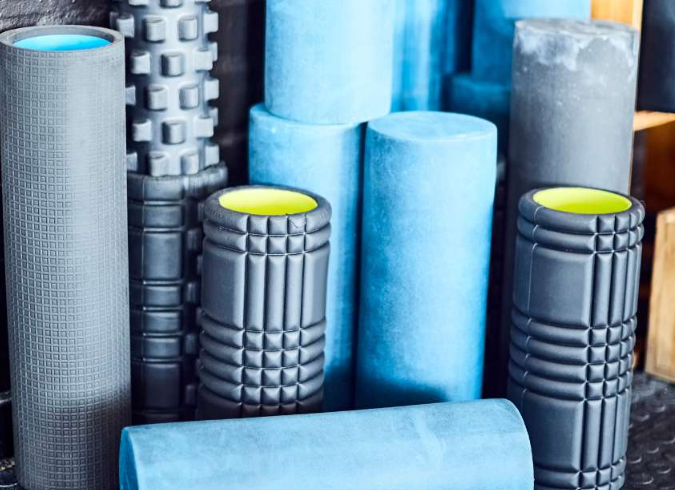
The Science-Backed Benefits of Foam Rolling
1. Relieves Muscle Soreness
Ever felt like a walking zombie after leg day? Foam rolling can help reduce delayed onset muscle soreness (DOMS) by increasing blood flow and breaking up tight muscle knots. Think of it as a DIY deep tissue massage.

2. Boosts Flexibility and Range of Motion
Tight hips or a stiff back? Rolling targets your fascia (the connective tissue around muscles), which can get stuck and limit movement. Over time, this could make your yoga downward dog or morning stretch feel way easier.
3. Prevents Injury
By loosening tight muscles and improving alignment, foam rollers might help reduce your risk of strains or pulls during workouts. It’s like giving your body a tune-up before you hit the weights.
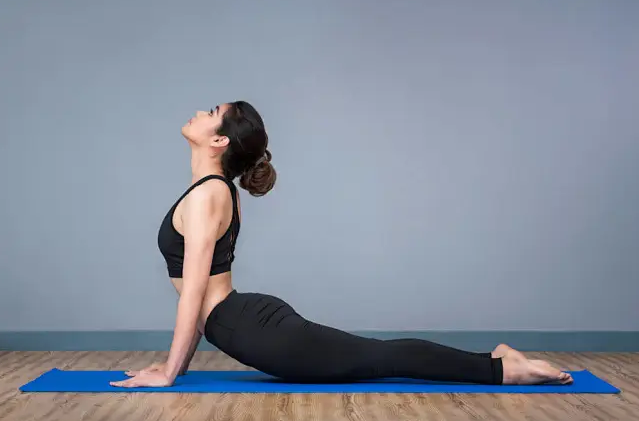
When Foam Rolling Might Not Be the Best Idea
1. Acute Injuries or Bruises
If you’re dealing with a fresh injury, skip the roller. Rolling over damaged tissue can make things worse. Stick to ice and rest instead.
2. Overuse = Ouch
More isn’t always better. Rolling too hard or too long can cause micro-tears in muscles. Aim for 30–60 seconds per muscle group, and ease up if it feels like you’re being stabbed.
3. Posture Issues
If you slouch or have chronic back pain, check your form. Rolling the wrong way (e.g., putting pressure on your spine) could exacerbate problems. Always roll around joints, not directly on them.
How to Use a Foam Roller Like a Pro
Step 1: Pick the Right Density
Start with a soft or medium-density roller if you’re new. Firmer options are for advanced users or targeting deep muscles (like your glutes).
Step 2: Focus on Problem Areas
Spend extra time on tight spots (e.g., IT bands, quads, upper back). Move slowly and pause on tender points until the tension eases.
Step 3: Pair with Stretching
For best results, follow foam rolling with dynamic stretches (e.g., leg swings) or static holds (e.g., pigeon pose).
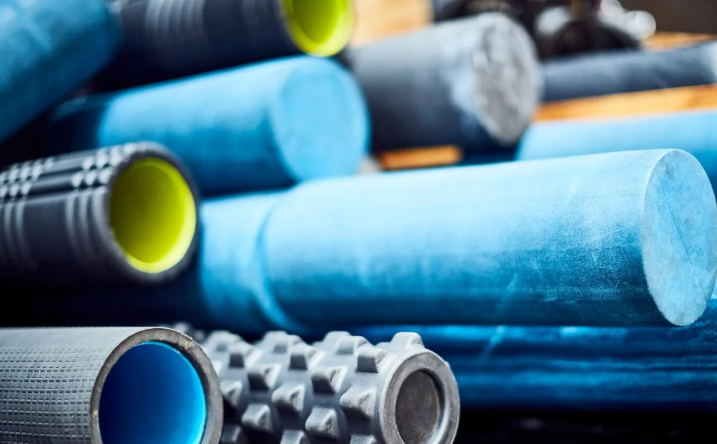
Conclusion
Short answer: Absolutely, but only if you use them correctly. They’re not magic wands, but they’re a solid addition to your recovery routine. If you’re dealing with chronic pain or injuries, consult a PT first.
Ready to Try One?
Check out our top picks for budget-friendly foam rollers and start rolling your way to less soreness and better mobility!

About us
HuiYiHao GROUP is an export-oriented entity group company. Focus on the production and sales of the industry's best EVA Foam sheet, EVA Children's Toys,Cosplay Material Series,EVA Swimming Accessories, EVA Packaging Series and EVA Finished Product Series, Paper Box, Yoga Accessories.
The predecessor Shenzhen Huiyihao Packaging Materials Co., Ltd. was founded in 2003 in Shenzhen, Guangdong Province, mainly for domestic first-line brands and world-renowned enterprise customers. Our factory and foam factory together cover a total area of 51,000 square meters, with a staff of 150 people. Our products include foam sheet materials, children's toys, and outdoor goods. As long as it involves EVA, EPE, or sponge products, we can produce them. You can visit our store and find a product that interests you.
Does foam rolling release toxins?
Foam roller