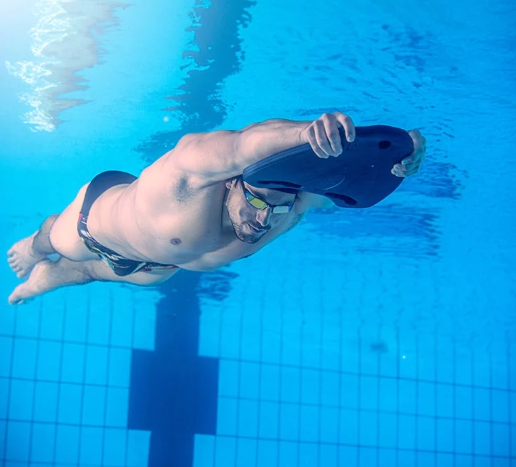
What is the purpose of a pull buoy?
What Is the Purpose of a Pull Buoy?
If you’ve ever stepped into a swimming pool or watched a competitive swimmer train, you might have noticed a small, cylindrical device clamped between their thighs—a pull buoy. But what exactly is it for? Is it just a floaty toy, or does it serve a specific purpose in training? Let’s dive in (pun intended) to break down the key uses of a pull buoy and why it’s a must-have tool for swimmers of all levels.

1. Helps You Focus on Upper Body Strength Without Leg Distractions
Swimming is a full-body workout, but sometimes you want to isolate your arms, back, and shoulders to build strength without your legs stealing the show. That’s where the pull buoy comes in! By placing it between your thighs, you keep your lower body afloat and stable, so your legs can relax or barely kick. This allows you to channel all your energy into perfecting your stroke technique—whether it’s freestyle, breaststroke, or butterfly.
Example: Imagine you’re struggling with a weak backstroke pull. Using a pull buoy forces you to rely on your lats and triceps, helping you feel where the power should come from. No more defaulting to leg kicks to stay afloat—now it’s all about those arms!

2. Improves Body Position and Balance in the Water
One of the biggest challenges in swimming is maintaining a straight, streamlined body. If your legs sink, you create drag, which slows you down and tires you out faster. A pull buoy acts like a little floatation aid that keeps your hips high, aligning your body horizontally. This improved posture not only makes you more efficient in the water but also helps you feel what it’s like to “ride” the water correctly.
Pro Tip: Even if you’re not focusing on upper body work, using a pull buoy for a few laps can remind you how to engage your core and keep your body tight—a habit that translates to better form in all your strokes.
3. Boosts Core Engagement
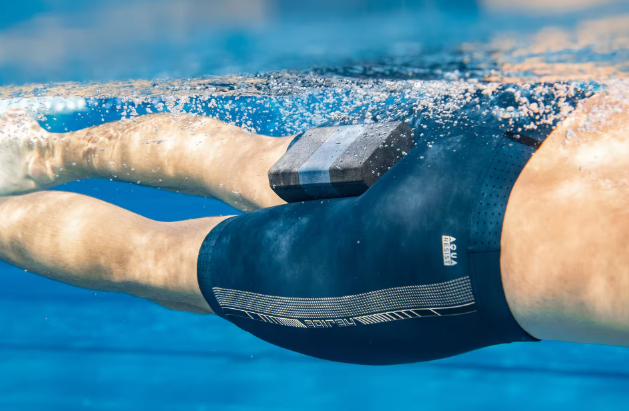
Wait, isn’t the pull buoy for your legs? Actually, holding it between your thighs requires subtle core activation to keep it in place and maintain balance. Your obliques and lower abs work quietly to stabilize your torso, which is huge for overall swimming strength. Over time, this hidden core workout can lead to a stronger, more controlled stroke.
Fun Fact: Even experienced swimmers use pull buoys during drills to “wake up” their core and ensure they’re not relying on momentum alone.

4. Aids in Recovery and Injury Prevention
Swimming is low-impact, but overusing your legs (or any muscle group) can lead to strain. If you’re nursing a knee injury, sore hips, or just want to give your legs a break, a pull buoy lets you keep training without putting stress on your lower body. It’s also great for post-workout recovery—you can still get a cardio and upper body session in while your legs rest.
Bonus: For new swimmers, the pull buoy builds confidence by reducing the fear of sinking, making it easier to focus on learning strokes without feeling overwhelmed.
5. Adds Resistance for a More Challenging Workout
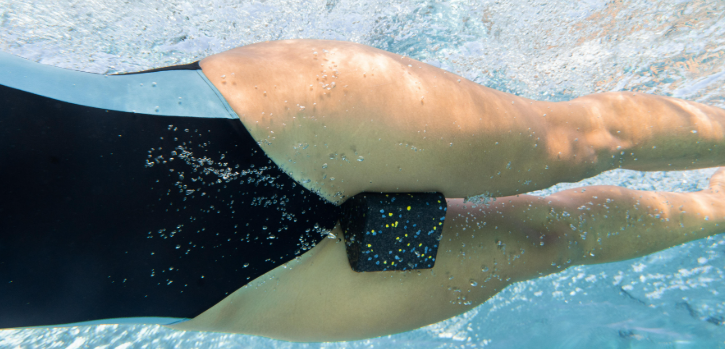
Not all pull buoys are created equal! Some are denser or shaped to create slight resistance when you kick (if you choose to add small kicks), while others are purely for flotation. By using a pull buoy during the “pull” phase of your stroke, you’re effectively making your upper body work harder to pull your now-buoyant lower body through the water. This increased resistance helps build stamina and power, so when you remove the buoy, swimming feels easier and faster.
How to Use a Pull Buoy Correctly
Ready to try it? Here’s a quick guide:
- Position it high: Clamp it just above your knees, near your inner thighs.
- Squeeze gently: Don’t grip it too tight—relax your legs but keep them together to maintain buoyancy.
- Pair with drills: Try “pull sets” where you swim 25-100 meters using only your arms, then rest. Gradually increase distance as you get stronger.
Who Should Use a Pull Buoy?
Short answer: Everyone!
- Beginners: Build confidence and learn proper body position.
- Competitive swimmers: Refine stroke technique and target weak areas.
- Fitness swimmers: Mix up workouts and avoid plateaus.
- Rehab swimmers: Train safely while injured or recovering.
Conclusion
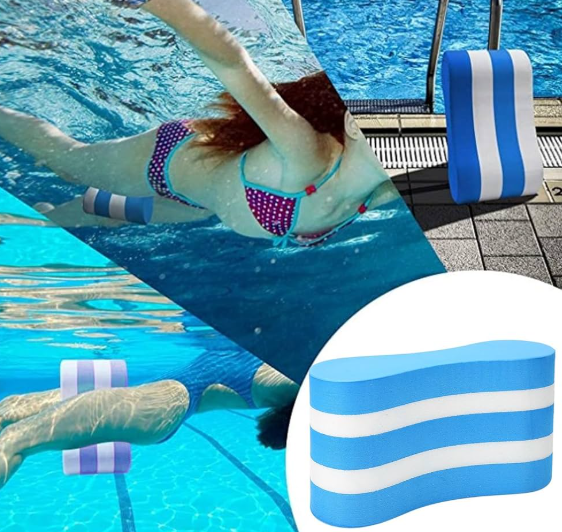
A pull buoy isn’t just a piece of pool gear—it’s a versatile tool that helps you become a stronger, more efficient swimmer. Whether you’re isolating your upper body, improving posture, protecting against injury, or adding intensity to your training, this simple device has your back (and your legs, too!). So next time you hit the pool, give it a try—you might be surprised how much it elevates your swim game.
Ready to start pulling your weight (literally)? Grab a pull buoy, hop in the water, and let those arms do the talking!
About us
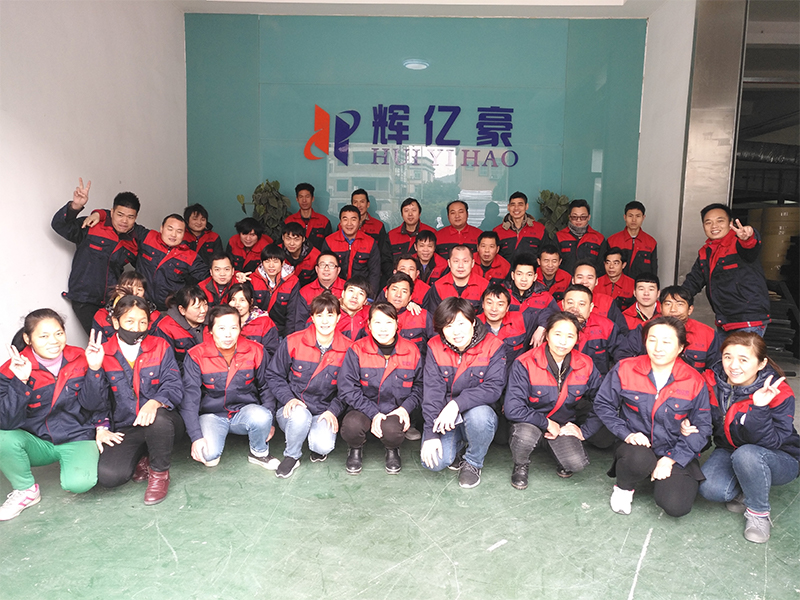
HuiYiHao GROUP is an export-oriented entity group company. Focus on the production and sales of the industry's best EVA Foam sheet, EVA Children's Toys,Cosplay Material Series,EVA Swimming Accessories, EVA Packaging Series and EVA Finished Product Series, Paper Box, Yoga Accessories.
The predecessor Shenzhen Huiyihao Packaging Materials Co., Ltd. was founded in 2003 in Shenzhen, Guangdong Province, mainly for domestic first-line brands and world-renowned enterprise customers. Our factory and foam factory together cover a total area of 51,000 square meters, with a staff of 150 people. Our products include foam sheet materials, children's toys, and outdoor goods. As long as it involves EVA, EPE, or sponge products, we can produce them. You can visit our store and find a product that interests you.
What are floating buoys used for?
How to use a pull buoy float?