What is foam sheet used for?
What is foam sheet used for?
Table of Contents
Introduction to Foam Sheets
Foam sheets are versatile materials with a wide range of applications across various industries. Their unique properties, such as lightweight, flexibility, and cushioning capabilities, make them highly sought after. Among the different types of foam sheets, EVA foam stands out as one of the most popular and widely used options.

What is EVA Foam?
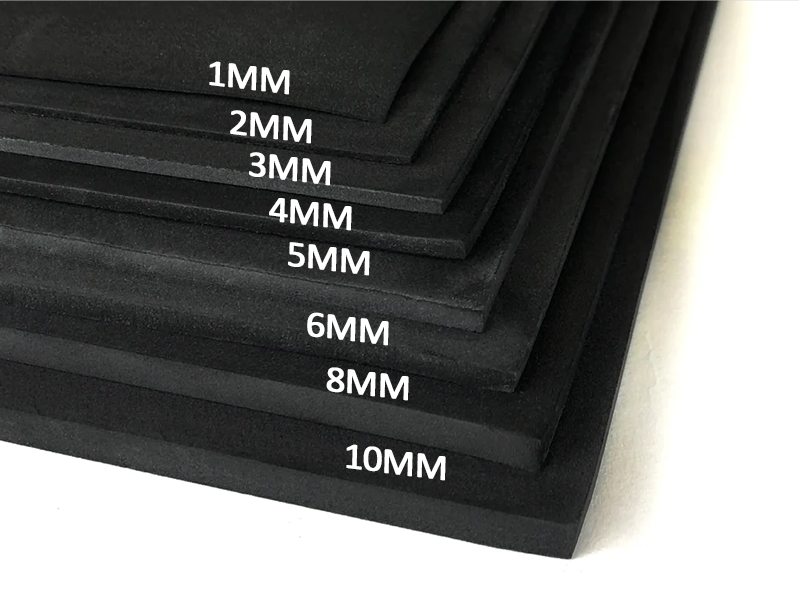
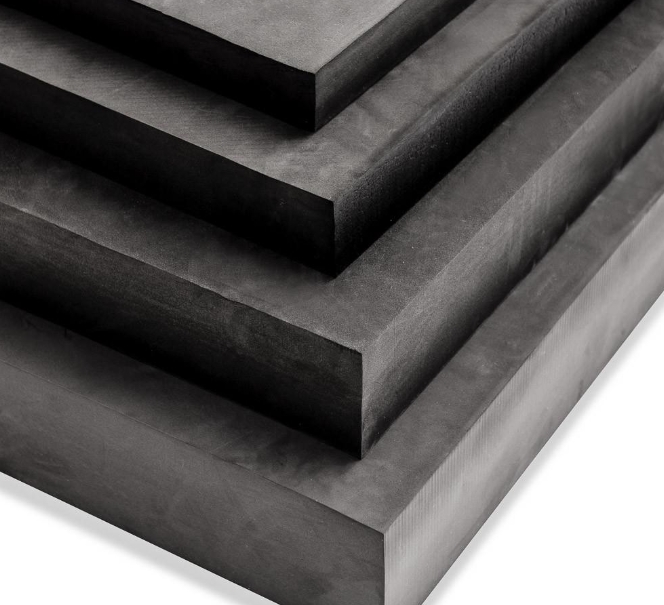
EVA foam, or Ethylene-Vinyl Acetate foam, is a copolymer material created by combining ethylene and vinyl acetate monomers. It has a closed-cell structure, which gives it excellent shock absorption, durability, and water resistance. If you want to learn more about the detailed composition and manufacturing process of EVA foam, check out our previous blog that delves deep into "What is eva foam". This foam can be produced in different densities, hardness levels, and colors, making it adaptable to numerous applications.

Primary Applications of EVA Foam Sheets
1. Footwear Industry
EVA foam is a staple in the footwear industry. Its lightweight nature and superior cushioning properties make it an ideal choice for shoe insoles, midsoles, and slippers. It provides comfort, shock absorption, and support, reducing fatigue during walking or running. For example, many athletic shoe brands use EVA foam in their midsoles to enhance performance and protect the feet from impact.
2. Packaging
In the packaging sector, EVA foam sheets are used to protect delicate and valuable items during transportation and storage. Its shock-absorbing and cushioning capabilities safeguard products from damage caused by vibrations and impacts. EVA foam can be customized into various shapes and sizes to fit different products, making it a flexible packaging solution.
3. Sports and Recreation
EVA foam is widely used in sports equipment and recreational products. It is used in yoga mats for its excellent grip and cushioning, providing a comfortable surface for practice. In water sports, EVA foam is used to make life jackets, bodyboards, and surfboard grips due to its buoyancy and water resistance.
4. Crafts and DIY Projects
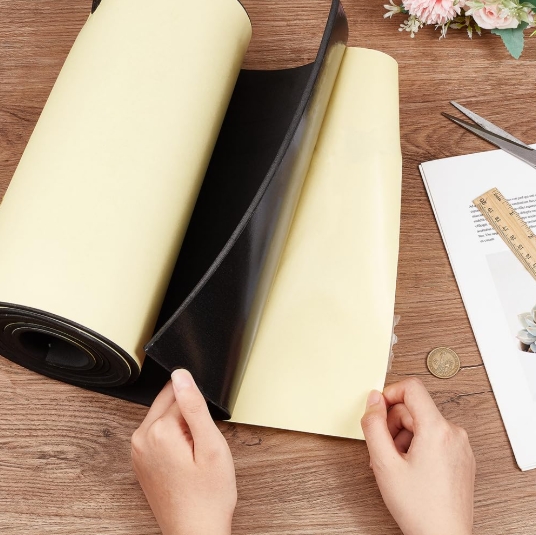
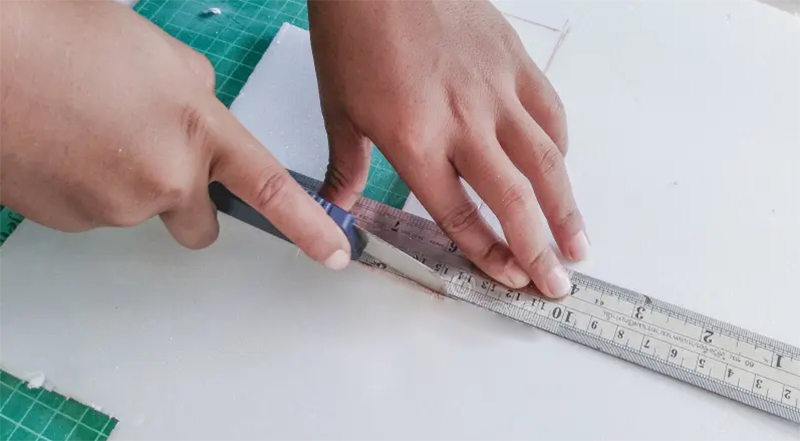
EVA foam sheets are popular among crafters and DIY enthusiasts. Its ease of cutting, shaping, and gluing allows for the creation of various decorative items, costumes, and models. The availability of different colors and textures adds to its appeal in creative projects.

Key Parameters of General EVA Foam
|
Parameter
|
Description
|
|
Density
|
Typically ranges from 30 - 300 kg/m³. Higher density means greater hardness and durability.
|
|
Hardness
|
Measured on the Shore scale, usually between 20 - 80 Shore A.
|
|
Tensile Strength
|
Generally between 1 - 20 MPa, depending on the density and formulation.
|
|
Elongation at Break
|
Can range from 100% - 600%, indicating its flexibility.
|
|
Water Absorption
|
Low, usually less than 1%, due to its closed-cell structure.
|
|
Temperature Resistance
|
Operates well in the range of -20°C to 80°C.
|
EVA Foam vs. EPE Foam: Advantages and Disadvantages
Advantages of EVA Foam
-
Superior Shock Absorption: EVA foam has better shock absorption capabilities compared to EPE foam, making it more suitable for protecting delicate items.
-
Water Resistance: Its closed-cell structure provides excellent water resistance, which EPE foam lacks.
-
Customizability: EVA foam can be easily colored, shaped, and molded into various forms, offering more design flexibility.
Disadvantages of EVA Foam
-
Cost: EVA foam is generally more expensive than EPE foam, which may be a drawback for budget-conscious applications.
Advantages of EPE Foam
-
Cost-Effective: EPE foam, or Expanded Polyethylene foam, is more affordable, making it a popular choice for large-scale packaging where cost is a major concern.
-
Good Insulation: It has better thermal insulation properties, which can be beneficial in some applications.
Disadvantages of EPE Foam
-
Limited Shock Absorption: It doesn't absorb shock as effectively as EVA foam, reducing its suitability for protecting fragile products.
-
Lack of Water Resistance: EPE foam is more prone to water absorption, which can limit its use in certain environments.

Expert Opinions on EVA Foam
According to Dr. Emily Carter, a materials science expert, "EVA foam's unique combination of properties makes it a game-changer in many industries. Its adaptability, from the high-performance requirements of the footwear industry to the creative needs of the crafting world, showcases its versatility. As technology continues to evolve, we can expect even more innovative applications of EVA foam in the future."

FAQs about Foam Sheets
Q1: Is EVA foam environmentally friendly?
A1: EVA foam is considered more environmentally friendly than some other foam materials. It is non-toxic and can be recycled in some cases. However, the environmental impact also depends on the manufacturing process and disposal methods.
Q2: Can EVA foam be used outdoors?
A2: Yes, EVA foam's water resistance and durability make it suitable for outdoor use in applications such as sports equipment and outdoor cushions. But prolonged exposure to direct sunlight may cause it to degrade over time.
Q3: How do I clean EVA foam products?
A3: You can clean EVA foam with a mild soap and water solution. Gently scrub the surface with a soft brush or cloth, then rinse thoroughly and let it air dry. Avoid using harsh chemicals as they may damage the foam.
How to cut foam board?
What are the types of foam?