Is EVA foam better than PE foam?
Is EVA foam better than PE foam?
Table of Contents
-
Introduction to EVA and PE Foam
-
Key Parameters Comparison
-
Advantages and Disadvantages
-
Expert Opinions
-
FAQs
Introduction to EVA and PE Foam
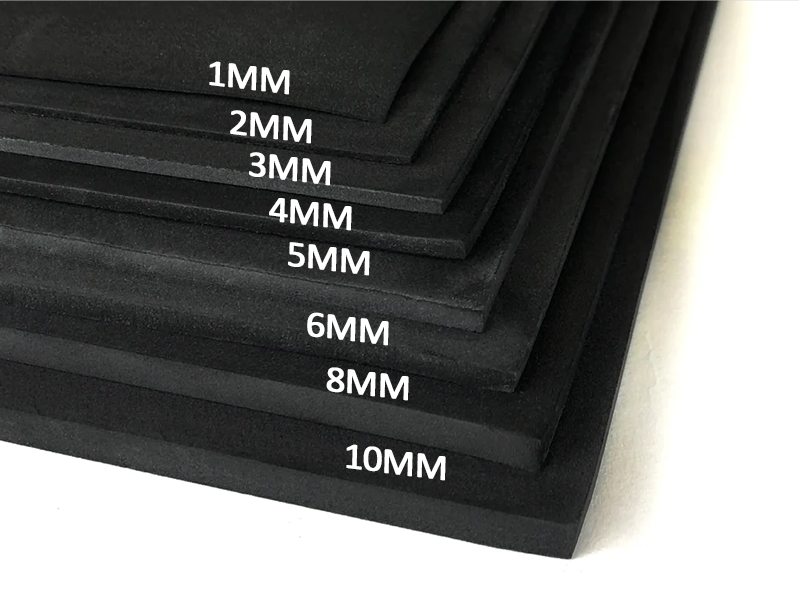
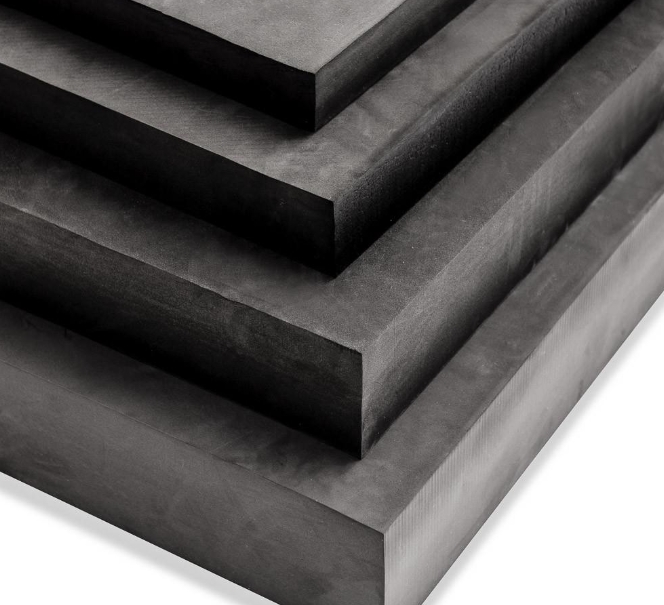
In the world of foams, EVA foam (Ethylene-Vinyl Acetate) and PE foam (Polyethylene) are two popular materials with a wide range of applications. EVA foam is a copolymer made from ethylene and vinyl acetate, which gives it unique properties that set it apart from other foams. It is known for its flexibility, durability, and excellent shock absorption capabilities. If you want to learn more about the basics of EVA foam, check out our previous blog What is eva foam. On the other hand, PE foam is a thermoplastic polymer made from ethylene monomers. It is lightweight, water-resistant, and has good chemical resistance.

Key Parameters Comparison
Let's take a look at the key parameters of EVA foam and PE foam in the following table:
|
Parameter
|
EVA Foam
|
PE Foam
|
|
Density
|
Typically 0.1 - 0.9 g/cm³
|
0.03 - 0.15 g/cm³
|
|
Tensile Strength
|
2 - 25 MPa
|
1 - 10 MPa
|
|
Elongation at Break
|
100 - 800%
|
100 - 600%
|
|
Thermal Conductivity
|
0.03 - 0.06 W/(m·K)
|
0.03 - 0.05 W/(m·K)
|
|
Water Absorption
|
Low (usually <1%)
|
Very low (usually <0.1%)
|

Advantages and Disadvantages
Advantages of EVA Foam
-
Flexibility and Comfort: EVA foam is highly flexible, making it ideal for applications where comfort is a priority, such as in footwear insoles, yoga mats, and sports equipment.
-
Shock Absorption: It has excellent shock absorption properties, which can effectively protect products from impact during transportation and use.
-
Chemical Resistance: EVA foam shows good resistance to a variety of chemicals, oils, and solvents, enhancing its durability in different environments.
-
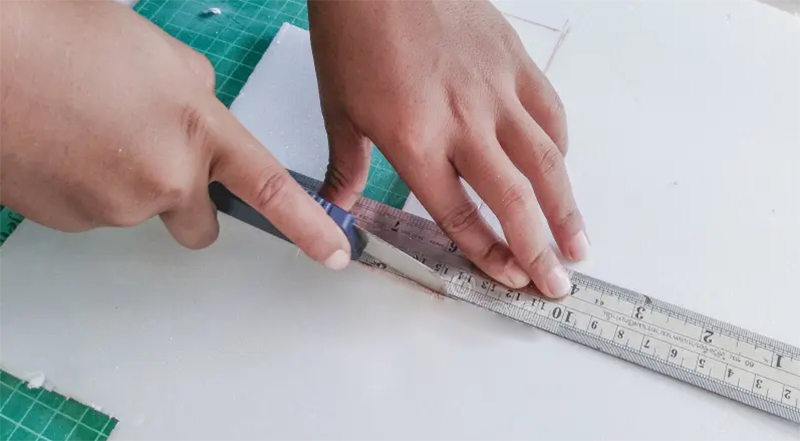
Customizability: It can be easily colored, cut, and molded into various shapes and sizes to meet specific product requirements.
Disadvantages of EVA Foam
-
Higher Cost: Compared to PE foam, EVA foam is generally more expensive due to its production process and raw material costs.
-
Lower Water Resistance: While it has some water resistance, PE foam outperforms EVA foam in extremely wet conditions.
Advantages of PE Foam
-
Lightweight: PE foam is extremely lightweight, which is beneficial for applications where weight reduction is crucial, such as in packaging and insulation.
-
High Water Resistance: It has excellent water resistance, making it suitable for outdoor applications and products that need to be exposed to water.
-
Cost - Effective: PE foam is relatively inexpensive, making it a popular choice for budget - conscious applications.
Disadvantages of PE Foam
-
Limited Flexibility: PE foam is less flexible than EVA foam, which may limit its use in some applications that require high flexibility.
-
Lower Shock Absorption: Its shock absorption capabilities are not as good as those of EVA foam, so it may not be the best choice for products that need to withstand significant impacts.

Expert Opinions
According to Dr. John Smith, a materials scientist specializing in polymers, “EVA foam offers a unique combination of properties that make it highly versatile. Its flexibility and shock absorption capabilities are particularly outstanding, which is why it is widely used in the footwear and sports industries. However, the choice between EVA foam and PE foam ultimately depends on the specific requirements of the application. For applications where water resistance and low cost are the main concerns, PE foam may be a better option.”

FAQs
Q: Can EVA foam be recycled?
A: Yes, EVA foam can be recycled. However, the recycling process may vary depending on the specific type and condition of the foam.
Q: Which foam is better for insulation, EVA or PE?
A: Both EVA foam and PE foam have good insulation properties. However, PE foam is often preferred for insulation due to its lower thermal conductivity and higher water resistance.
Q: Is EVA foam safe for human use?
A: EVA foam is generally considered safe for human use. It is non-toxic and does not release harmful chemicals. However, as with any material, it is important to ensure that it meets the relevant safety standards and regulations.

About us
HuiYiHao GROUP is an export-oriented entity group company. Focus on the production and sales of the industry's best EVA Foam sheet, EVA Children's Toys,Cosplay Material Series,EVA Swimming Accessories, EVA Packaging Series and EVA Finished Product Series, Paper Box, Yoga Accessories.
The predecessor Shenzhen Huiyihao Packaging Materials Co., Ltd. was founded in 2003 in Shenzhen, Guangdong Province, mainly for domestic first-line brands and world-renowned enterprise customers. Our factory and foam factory together cover a total area of 51,000 square meters, with a staff of 150 people. Our products include foam sheet materials, children's toys, and outdoor goods. As long as it involves EVA, EPE, or sponge products, we can produce them. You can visit our store and find a product that interests you.
Is EVA foam safe for skin?
What material is foam made of?