is foam recyclable?
is foam recyclable?
Table of Contents
- Introduction: The Recycling Dilemma of Foam Products
- Understanding Foam Recyclability: An Overview
- Is EVA Foam Recyclable? Key Insights
3.1 General Parameters of EVA Foam - EVA Foam vs. PVC Foam vs. EPE Foam: A Comparative Analysis
- Expert Perspectives on EVA Foam Recycling
- Industry FAQs About Foam Recyclability
- Conclusion: Making Informed Choices for Sustainability
A Comprehensive Guide Focusing on EVA Foam
Foam materials are ubiquitous in packaging, footwear, construction, and electronics, but their recyclability remains a contentious topic. As environmental awareness grows, consumers and businesses alike seek clarity on foam waste management. This article explores the recyclability of various foam types, with a deep dive into EVA foam—its properties, recycling potential, and comparisons with PVC and EPE foams.

Understanding Foam Recyclability: An Overview
Foam recyclability depends on its chemical composition and manufacturing process. Most foams are synthetic polymers derived from petroleum, but their molecular structures vary widely:
-
Thermoplastic foams (e.g., EVA, EPE) can often be melted and reprocessed.
-
Thermoset foams (e.g., polyurethane) are harder to recycle due to irreversible chemical bonds.
Key challenge: Contamination from dyes, additives, or composite layers can degrade recyclability. Proper sorting and cleaning are critical for successful recycling.

Is EVA Foam Recyclable? Key Insights
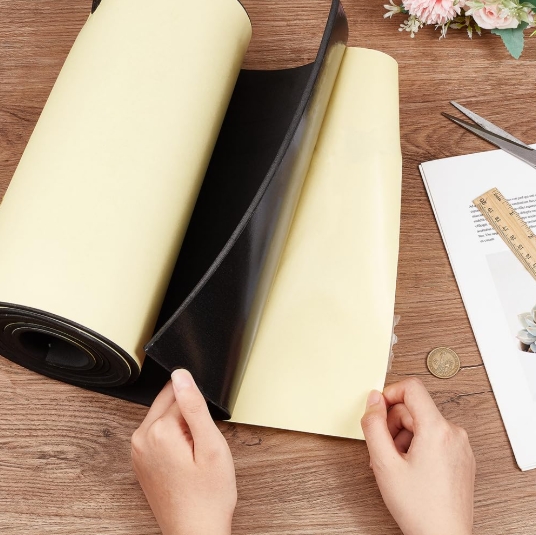
EVA foam (ethylene-vinyl acetate), a thermoplastic copolymer, is highly recyclable when uncontaminated. Here’s why:
-
Thermal plasticity: EVA can be melted and reshaped multiple times, making it suitable for closed-loop recycling.
-
Low toxicity: Unlike some foams, EVA does not release harmful chemicals during recycling.
-
Industry applications: Recycled EVA is used in new foam products, flooring, and automotive parts.

General Parameters of EVA Foam
|
Property
|
Typical Values
|
|---|---|
|
Density
|
30–300 kg/m³
|
|
Melting Point
|
75–105°C
|
|
Tensile Strength
|
5–25 MPa
|
|
Elongation at Break
|
100–600%
|
|
Recycling Code
|
Not universally standardized (often grouped with #2 or #4 plastics)
|
EVA Foam vs. PVC Foam vs. EPE Foam: A Comparative Analysis
EVA Foam
Pros:
-
High recyclability and sustainability.
-
Flexible, lightweight, and water-resistant.
-
Low odor and non-toxic (when additives).
Cons:
-
Higher cost than PVC.
-
Less rigid than some industrial foams.

PVC Foam
Pros:
-
Rigid structure suitable for architectural applications.
-
Cost-effective.
Cons:
-
Contains phthalates and chlorine, releasing toxic fumes during recycling or disposal.
-
Low recyclability due to chemical complexity.
-
Classified as a hazardous material in many regions.

EPE Foam (Expanded Polyethylene)
Pros:
-
Excellent shock absorption (ideal for packaging).
-
Lightweight and moisture-resistant.
-
Moderately recyclable as a thermoplastic.
Cons:
-
Lower tensile strength than EVA.
-
Less commonly recycled due to low market demand for recycled EPE.

Expert Perspectives on EVA Foam Recycling
Dr. Emma Carter, Material Scientist at GreenPoly Labs, notes:
“EVA foam’s recyclability makes it a standout choice for circular economy initiatives. Its ability to be reprocessed without significant degradation in performance reduces reliance on virgin materials. However, industry-wide recycling infrastructure and consumer education remain pivotal to maximizing its sustainability potential.”
Industry FAQs About Foam Recyclability
H3: Can EVA foam be recycled multiple times?
Yes. EVA’s thermoplastic nature allows for 5–7 recycling cycles before material quality declines, depending on processing conditions.
Is PVC foam recyclable?
Technically possible, but rarely done due to high contamination risks and the presence of hazardous additives. Most PVC foam ends in landfills or incinerators.
How can I ensure my EVA foam is recycled properly?
-
Check for local recycling programs that accept clean, unlaminated EVA.
-
Avoid mixing EVA with other foam types (e.g., polyurethane).
-
For bulk recycling, partner with certified plastic recyclers.
For a deeper dive into EVA foam’s properties and applications, read our previous blog: What is EVA Foam? A Complete Guide to Its Uses and Benefits.
Conclusion
Foam recyclability is not one-size-fits-all. EVA foam emerges as a sustainable choice due to its recyclability, versatility, and low environmental impact. In contrast, PVC foam poses significant ecological risks, while EPE offers moderate but underutilized recycling potential. By prioritizing recyclable materials like EVA and supporting proper waste management, industries can reduce their carbon footprint and advance circular economy goals.

About us
HuiYiHao GROUP is an export-oriented entity group company. Focus on the production and sales of the industry's best EVA Foam sheet, EVA Children's Toys,Cosplay Material Series,EVA Swimming Accessories, EVA Packaging Series and EVA Finished Product Series, Paper Box, Yoga Accessories.
The predecessor Shenzhen Huiyihao Packaging Materials Co., Ltd. was founded in 2003 in Shenzhen, Guangdong Province, mainly for domestic first-line brands and world-renowned enterprise customers. Our factory and foam factory together cover a total area of 51,000 square meters, with a staff of 150 people. Our products include foam sheet materials, children's toys, and outdoor goods. As long as it involves EVA, EPE, or sponge products, we can produce them. You can visit our store and find a product that interests you.
What material is foam made of?
Which material is waterproof?