Is Swimming with a Float Good Exercise?
Is Swimming with a Float Good Exercise?
What’s a Swimming Float (and Why Do People Use It?)
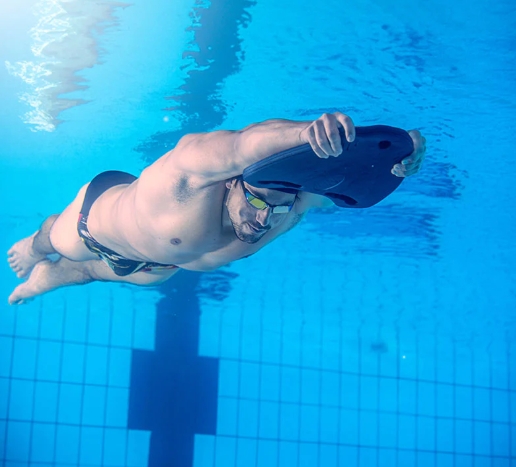
First things first—let’s talk about what a swimming float (or “kickboard,” as it’s often called) actually is. It’s a rectangular, buoyant tool made of foam or plastic that helps swimmers stay afloat while they focus on specific movements, like kicking or arm strokes. Think of it as a training wheel for the pool!
People use floats for all sorts of reasons:
-
Beginners rely on them to feel safe and build confidence in the water.
-
Experienced swimmers use them to isolate and strengthen specific muscle groups.
-
Rehab patients or those with injuries might use them for low-impact workouts.
But the big question is: Is it actually good exercise? Let’s dive in (pun intended).

Yes! Swimming with a Float Offers Awesome Benefits
Short answer: Absolutely. While it might not look as “intense” as laps without a float, using one can provide a targeted, effective workout—especially if you’re aiming for specific goals. Here’s why:
1. It’s a Low-Impact Workout
Swimming in general is gentle on your joints, and adding a float takes that to the next level. The buoyancy supports your upper body, reducing strain on your shoulders, back, or knees. This makes it perfect for:
-
People with arthritis or joint pain.
-
Older adults who want to stay active without risk of injury.
-
Anyone recovering from surgery or an injury.
Bonus: Low-impact doesn’t mean low-effort! Your legs still have to work hard to kick and propel you forward, building stamina and leg strength.

2. It Targets Key Muscle Groups
When you hold a float, your upper body stays stable, so you can focus on your core and lower body. Kicking with a float forces your abs, glutes, and thigh muscles (quads and hamstrings) to engage consistently. Over time, this can:
-
Improve core stability (which helps with posture and balance on land, too!).
-
Tone and strengthen your legs without the impact of running or jumping.
-
Even help swimmers who struggle with “flutter kicks” master proper form.

3. It’s Great for Skill Building
Floats aren’t just for beginners—they’re a secret weapon for improving technique. By taking arm movements out of the equation (or isolating them), you can focus on:
-
Perfecting your kick rhythm (like the fast, steady flutter kick used in freestyle).
-
Practicing breath control (since you’re not worrying about balancing with your arms).
-
Building endurance for longer swims.
Ever noticed competitive swimmers using floats during training? Yep, even pros use them to refine their skills!

Who Can Benefit from Swimming with a Float?
Almost anyone! Here are a few groups that might get extra value:
1. New Swimmers
If you’re just starting out, a float can make the water feel less intimidating. It helps you stay afloat while you learn basic movements, so you can focus on having fun instead of panicking. Plus, it builds foundational strength that’ll make swimming without a float easier later.
2. Fitness Enthusiasts Looking for Variety
Tired of the same old gym routine? Floats let you mix up your workouts. Try a “kick-only” set with a float to give your arms a break while still getting a heart-pumping cardio session. Your lungs and legs will thank you!
3. Swimmers Recovering from Injury
If you’ve got a shoulder injury or back pain, traditional swimming strokes might aggravate it. A float takes pressure off your upper body, letting you keep swimming (and staying active) without worsening your injury.

How to Use a Float for an Effective Workout
Ready to try it? Here are some tips to make the most of your float workouts:
1. Hold It Properly
Grip the float just below the surface of the water, with your elbows slightly bent and your shoulders relaxed. Don’t squeeze it too tight—let the buoyancy do the work!
2. Mix Up Your Kicks
-
Flutter kick: Fast, small kicks (great for building speed and endurance).
-
Breaststroke kick: Wide, frog-like kicks (targets inner thighs and glutes).
-
Back kick: Flip onto your back and kick gently to work your core from a new angle.
3. Add Intervals
For a cardio boost, try 30 seconds of fast kicking followed by 30 seconds of slow, controlled kicks. Repeat for 10–15 minutes—you’ll feel the burn!
4. Pair It with Arm Work
Once you’re comfortable, use the float to isolate your arms. For example, hold the float with one hand and practice freestyle strokes with the other, then switch sides. This helps improve arm strength and symmetry.
Is It “Enough” Exercise? It Depends on Your Goals
Swimming with a float won’t give you the same full-body workout as swimming without one, but that’s okay! It’s all about what you’re aiming for.
-
If you want low-impact cardio or leg strength? Yes, it’s more than enough.
-
If you’re training for a triathlon or aiming for Olympic-level speed? You’ll need to combine float work with other drills.
The key is to use it as part of a balanced routine. Think of it as a tool, not a replacement—and have fun with it!

Conclusion
So, is swimming with a float good exercise? 100% yes. It’s versatile, low-impact, and perfect for building strength, confidence, and technique—whether you’re a beginner or a pro. Plus, it’s a great way to enjoy the pool without pressure.
Ready to give it a try? Grab a float, hop in the water, and focus on those kicks. Your body (and maybe even your inner mermaid or merman) will thank you.

About us
HuiYiHao GROUP is an export-oriented entity group company. Focus on the production and sales of the industry's best EVA Foam sheet, EVA Children's Toys,Cosplay Material Series,EVA Swimming Accessories, EVA Packaging Series and EVA Finished Product Series, Paper Box, Yoga Accessories.
The predecessor Shenzhen Huiyihao Packaging Materials Co., Ltd. was founded in 2003 in Shenzhen, Guangdong Province, mainly for domestic first-line brands and world-renowned enterprise customers. Our factory and foam factory together cover a total area of 51,000 square meters, with a staff of 150 people. Our products include foam sheet materials, children's toys, and outdoor goods. As long as it involves EVA, EPE, or sponge products, we can produce them. You can visit our store and find a product that interests you.
How to Use a Kickboard and Pull Buoy?
What are floating buoys used for?