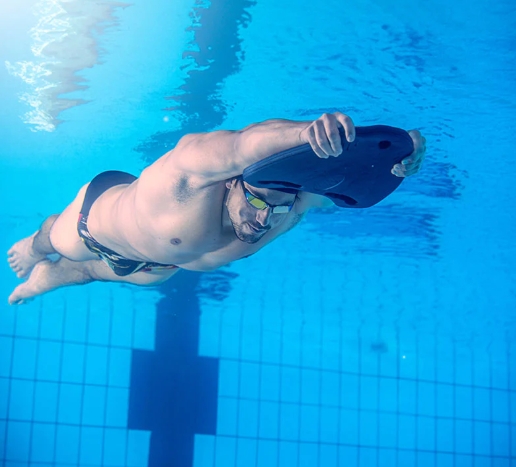
What are floating buoys used for?
What are floating buoys used for?
Hey swimmers! Ever noticed that foam or buoyant pad squished between the legs of lap swimmers, triathletes, or even pro athletes during training? Chances are, that’s a swimming pull buoy—a small but mighty tool that’s been transforming swim workouts for decades. In this post, we’ll dive into what this foam buddy does, why it’s a must-have for your gear bag, and how to use it to level up your strokes.

First Things First: What Exactly Is a Pull Buoy?
A pull buoy is a cylindrical or oval-shaped foam device designed to be clamped between the thighs during swimming. Unlike flotation devices that support the entire body, it specifically targets the lower body, creating buoyancy to hold the legs together and keep the hips high in the water. This reduces drag and lets you focus on your upper body strength, arm strokes, and core stability without worrying about kicking.
Think of it as training wheels for your legs—letting your arms do the heavy lifting while your lower body stays streamlined. The “foam between legs” you see? That’s the pull buoy doing its job to boost your swimming efficiency!

5 Key Uses of a Pull Buoy (Why Swimmers Love It)
Whether you’re a beginner or a seasoned lap swimmer, a pull buoy can revolutionize your routine. Here’s how:
1. Master Your Upper Body Technique
By eliminating the need to kick (or reducing its effort), a pull buoy forces you to focus on arm stroke mechanics—like the catch, pull, and recovery phases in freestyle, breaststroke, or backstroke. This is huge for beginners who struggle with coordination, or advanced swimmers refining their form.
2. Build Strength Without Fatigue
Kicking uses a lot of energy, especially if you’re working on endurance. Using a pull buoy lets you isolate your shoulders, back, and chest muscles, allowing you to swim longer sets without leg burnout. It’s a favorite for building upper body stamina for open water swimmers or triathletes.
3. Improve Body Position and Balance
A high hip position is crucial for reducing drag and swimming faster. The pull buoy acts as a stabilizer, keeping your legs together and your body aligned like a torpedo. This helps you feel what “good body position” should feel like, even when you’re not using the buoy.
4. Recover and Rest Smartly
On “active recovery” days, swap your usual kick sets for pull buoy work. It gives your legs a break while keeping your heart rate up and maintaining swimming fitness. Coaches often recommend it for athletes recovering from leg injuries or soreness.
5. Train for Specific Strokes
Breaststrokers, for example, can use a pull buoy to focus on the powerful underwater pull and glide without worrying about the leg kick. Freestyle and backstroke swimmers can 强化 (strengthen) their catch and improve rhythm by isolating arm movements.

How to Use a Pull Buoy: Step-by-Step
Not sure how to get started? It’s simple:
- Position it high: Place the buoy just above your knees, near the upper thighs. Squeeze gently to hold it in place—no need to clamp it tightly (that’ll tire your legs!).
- Relax your legs: Let them float naturally together. Keep your knees slightly bent if it feels more comfortable, but avoid kicking unless the drill calls for it.
- Focus on your stroke: Breathe normally and exaggerate your arm movements to feel the resistance. Start with short distances (25-50 meters) and build up as you get used to the buoyancy.

Who Should Use a Pull Buoy?
- Beginners: Learn proper form without feeling overwhelmed by coordination.
- Competitive Swimmers: Sharpen technique and build muscle for faster races.
- Triathletes: Train the swim-specific muscles needed for long-distance events.
- Recreational Swimmers: Make workouts more fun and challenging while improving efficiency.

Choosing the Right Pull Buoy: What to Look For
Not all pull buoys are created equal! Here’s what to consider:
- Size and Shape: Thicker buoys offer more buoyancy (great for heavier swimmers or beginners), while slimmer ones provide a subtler effect.
- Material: Look for durable, quick-drying foam that won’t absorb water or lose shape over time.
- Comfort: Ensure it doesn’t chafe your legs—soft edges or ergonomic designs are a plus.
Conclusion
That “foam between legs” isn’t just a random accessory—it’s a versatile training tool that can transform your swim workouts. Whether you want to build strength, perfect your technique, or give your legs a break, the pull buoy is a game-changer. So next time you see a swimmer with foam between their thighs, you’ll know they’re serious about improving their stroke (and maybe a little jealous you didn’t start using one sooner!).
Ready to give it a try? Grab a pull buoy, hit the pool, and feel the difference in your upper body power and swimming efficiency. Your arms (and your future race times) will thank you!

About us
HuiYiHao GROUP is an export-oriented entity group company. Focus on the production and sales of the industry's best EVA Foam sheet, EVA Children's Toys,Cosplay Material Series,EVA Swimming Accessories, EVA Packaging Series and EVA Finished Product Series, Paper Box, Yoga Accessories.
The predecessor Shenzhen Huiyihao Packaging Materials Co., Ltd. was founded in 2003 in Shenzhen, Guangdong Province, mainly for domestic first-line brands and world-renowned enterprise customers. Our factory and foam factory together cover a total area of 51,000 square meters, with a staff of 150 people. Our products include foam sheet materials, children's toys, and outdoor goods. As long as it involves EVA, EPE, or sponge products, we can produce them. You can visit our store and find a product that interests you.
Is Swimming with a Float Good Exercise?
What is the purpose of a pull buoy?