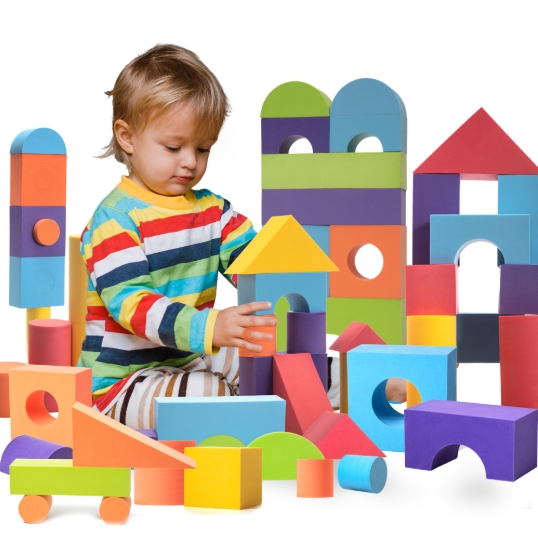
What is building blocks?
What is building blocks
Table of Contents
What Are Building Blocks? A Timeless Tool for Creativity and Learning
Building blocks are more than just toys—they are foundational tools for creativity, problem-solving, and cognitive development. These modular components, typically made from materials like wood, plastic, or foam, allow users to construct everything from simple structures to elaborate designs. Whether used by children to build their first towers or by adults for artistic or educational projects, building blocks foster spatial awareness, fine motor skills, and imaginative thinking.

Exploring Different Types of Building Blocks
The world of building blocks offers diverse materials and designs, each with unique advantages:
-
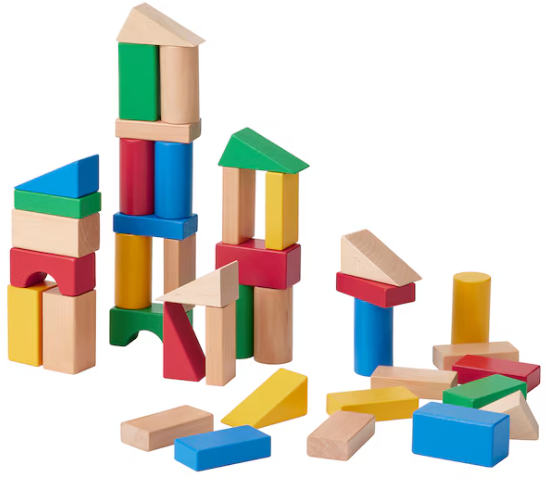
Wooden Blocks: Classic, durable, and eco-friendly, ideal for traditional play.
-
Plastic Blocks: Lightweight, colorful, and often compatible with popular interlocking systems.
-
Magnetic Blocks: Use magnets for easy connection, appealing to STEM enthusiasts.
-
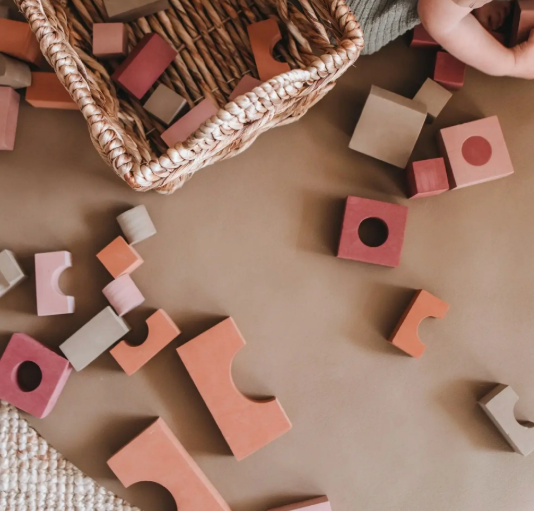
EVA Foam Building Blocks: Soft, safe, and versatile—the focus of this article—perfect for young children, sensory play, and even decorative projects.
What Makes EVA Foam Building Blocks Unique?
EVA foam (ethylene-vinyl acetate) is a synthetic material known for its lightweight, flexibility, and durability. When transformed into building blocks, it offers distinct advantages:
-
Safety First: Soft, non-toxic, and free of sharp edges, making them suitable for toddlers and kids.
-
Versatility: Easy to stack, connect, and reshape, with designs ranging from basic geometric shapes to themed sets (e.g., animals, vehicles, or architectural elements).
-
Sensory Appeal: Textured surfaces and bright colors engage tactile and visual senses, enhancing sensory development.
-
Portable and Lightweight: Perfect for on-the-go play, classrooms, or travel.
For a deeper dive into EVA foam itself, check out our previous blog: What Is EVA Foam?.
Expert Insights: Why EVA Foam Building Blocks Stand Out
According to Dr. Emily Carter, a child development specialist and educational consultant:
“EVA foam building blocks bridge the gap between play and learning. Their soft texture reduces the risk of injury during active play, while their modular design encourages problem-solving as children experiment with balance and structure. Plus, the vibrant colors and lightweight nature make them highly engaging for young minds, fostering both creativity and fine motor skills.”
“EVA foam building blocks bridge the gap between play and learning. Their soft texture reduces the risk of injury during active play, while their modular design encourages problem-solving as children experiment with balance and structure. Plus, the vibrant colors and lightweight nature make them highly engaging for young minds, fostering both creativity and fine motor skills.”
Dr. Carter also notes that EVA foam blocks are an excellent inclusive tool, accessible to children with sensory sensitivities or motor skill challenges due to their forgiving material and easy grip.
Why Choose EVA Foam Building Blocks for Your Projects?
Whether you’re a parent, educator, or craft enthusiast, here’s why EVA foam building blocks deserve a spot in your toolkit:
-
Child-Friendly Design: Safe for ages 1+, they eliminate concerns about choking hazards (when appropriately sized) and hard surfaces.
-
Educational Value: Support STEM concepts (science, technology, engineering, math) by teaching principles of balance, symmetry, and spatial relationships.
-
Creative Freedom: Unlike rigid plastic blocks, EVA foam allows for flexible constructions—bend, stack, or combine pieces in ways that inspire open-ended play.
-
Low Maintenance: Waterproof and easy to clean, simply wipe with a damp cloth to remove dirt or spills.
-
Eco-Conscious Choice: Many EVA foam blocks are made from recycled materials or non-toxic, phthalate-free compounds, aligning with sustainable living goals.

Frequently Asked Questions About Building Blocks and EVA Foam Variants
1. Are EVA foam building blocks safe for babies?
Yes, when they meet safety standards (e.g., ASTM F963 for the US or EN 71 for the EU) and are free of small parts. Always check age recommendations and supervise young children during play.
2. Can EVA foam blocks be used outdoors?
While they’re weather-resistant, prolonged exposure to sunlight may cause fading. Use them outdoors for temporary play, and store them indoors to extend their lifespan.
3. How do EVA foam blocks compare to traditional plastic blocks?
EVA foam blocks are softer, lighter, and safer for young children, while plastic blocks often offer tighter interlocking mechanisms and are better for complex technical builds. Choose based on your needs: safety and sensory play (EVA) or intricate constructions (plastic).
4. Can adults use EVA foam building blocks for projects?
Absolutely! Adults often use them for DIY crafts, sensory room installations, educational prototypes, or even decorative displays due to their lightweight and customizable nature.

Conclusion
Building blocks are a universal tool for growth and creativity, and EVA foam building blocks elevate this experience with safety, versatility, and sensory appeal. Whether you’re nurturing a child’s first steps in engineering or seeking a flexible material for creative projects, EVA foam blocks offer a blend of practicality and imagination. Ready to explore the world of EVA foam further? Don’t miss our guide: What Is EVA Foam? to understand why this material is revolutionizing everything from toys to industrial applications.
Looking to enhance your next project with EVA foam building blocks? Share your ideas in the comments below!
Are building blocks educational toys?
What does a child learn from building blocks?