Which material is waterproof?
Which material is waterproof?
Table of Contents
- Introduction: The Quest for Waterproof Materials
- Key Waterproof Materials Compared
- Why EVA Foam Stands Out
- EVA Foam in Action: Real-World Applications
- EVA Foam Parameters: Key Specifications
- Expert Insights on EVA Foam’s Waterproofing Capabilities
- FAQs: Common Questions About EVA Foam and Waterproofing
1. Introduction: The Quest for Waterproof Materials
Waterproof materials are essential for industries ranging from outdoor gear to construction. But which material truly stands out for its waterproofing prowess? In this guide, we’ll explore EVA foam—a versatile, eco-friendly, and highly effective solution for waterproofing needs.

2. Key Waterproof Materials Compared
2.1 EVA Foam: The Ultimate Waterproof Solution
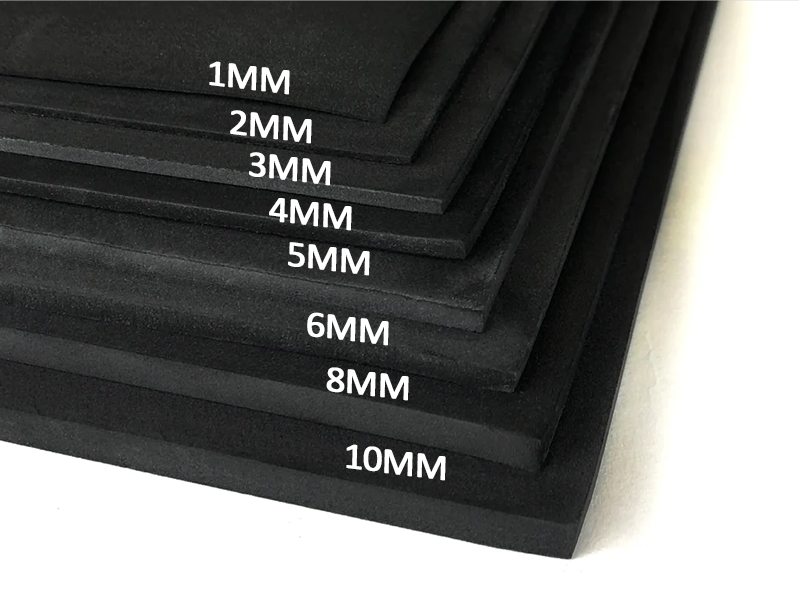
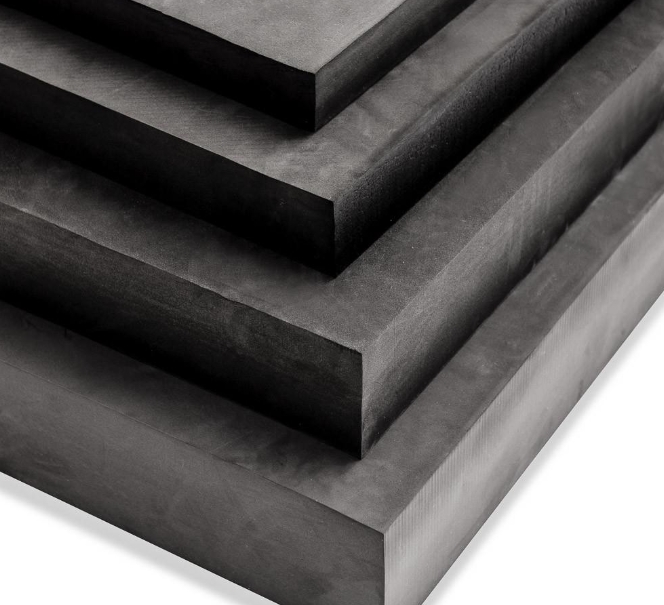
Ethylene-Vinyl Acetate (EVA) foam is a closed-cell foam known for its exceptional waterproofing properties. Its structure prevents water absorption, making it ideal for applications like marine equipment, shoe soles, and pool floats . Unlike other materials, EVA foam is lightweight, flexible, and non-toxic, making it suitable for both industrial and consumer use .

2.2 PVC: A Common but Problematic Alternative
While PVC is waterproof, it contains harmful chemicals like phthalates and requires plasticizers, making it less eco-friendly. PVC is heavier than EVA and can become brittle over time, especially in extreme temperatures .

2.3 Rubber: Durable but Heavy
Rubber is waterproof and durable, but its weight and rigidity limit its use in applications requiring flexibility. EVA foam offers similar durability at a fraction of the weight .

3. Why EVA Foam Stands Out
3.1 Closed-Cell Structure: Nature’s Waterproof Barrier
EVA foam’s closed-cell design creates a physical barrier against water penetration. Each cell is sealed, preventing moisture from seeping in—a feature unmatched by open-cell foams . This structure also makes EVA foam buoyant, perfect for water sports equipment .
3.2 Lightweight and Flexible Design
EVA foam is 30% lighter than PVC and maintains flexibility in extreme temperatures (ranging from -30°C to 80°C) . This makes it ideal for outdoor gear, medical devices, and packaging where weight and adaptability matter .
3.3 Chemical and UV Resistance
EVA foam resists degradation from saltwater, sunlight, and chemicals, ensuring long-term performance. Its UV-resistant properties make it suitable for outdoor applications like playground flooring and signage .
4. EVA Foam in Action: Real-World Applications
- Footwear: EVA midsoles provide cushioning and waterproofing in running shoes and boots.
- Marine Industry: Used in boat seats, life jackets, and dock bumpers due to its water resistance.
- Sports Equipment: Gym mats, yoga blocks, and protective gear benefit from EVA’s shock-absorbing and waterproof qualities.
- Packaging: Fragile items like electronics are protected by EVA foam inserts that resist moisture and impact .
5. EVA Foam Parameters: Key Specifications
| Parameter | Typical Range | Industry Standard |
|---|---|---|
| Density | 20–150 kg/m³ | ISO 845 |
| Water Absorption | ≤1% | ASTM D570 |
| Tensile Strength | 1.5–10 MPa | ISO 37 |
| Hardness | 10–75 Shore C | ISO 868 |
| Temperature Range | -30°C to 80°C | ASTM D1044 |
| Environmental Certifications | ROHS, REACH, EN 71 | EU and global standards |
6. Expert Insights on EVA Foam’s Waterproofing Capabilities
Dr. Maria Lopez, a materials scientist at the University of Madrid, notes:
“EVA foam’s closed-cell structure and chemical stability make it a superior waterproofing material. Its adaptability in extreme conditions sets it apart from traditional alternatives like PVC and rubber.”
Recent studies also highlight EVA foam’s role in advanced applications, such as FIAM-EVA composites—a smart material that hardens under impact while maintaining flexibility, enhancing safety in protective gear.
7. FAQs: Common Questions About EVA Foam and Waterproofing
Q1: Is EVA foam 100% waterproof?
A1: Yes, when properly sealed or treated, EVA foam is 100% waterproof. Its closed-cell structure prevents water absorption .
Q2: Can EVA foam be used outdoors long-term?
A2: Yes. EVA foam is UV-resistant and durable, making it suitable for outdoor use in marine, sports, and construction industries .
Q3: How do I clean EVA foam?
A3: Use mild soap and water. Avoid harsh chemicals, as they may damage the foam’s surface .
Conclusion
For unmatched waterproofing, EVA foam reigns supreme. Its closed-cell design, lightweight nature, and eco-friendly properties make it the go-to choice for industries worldwide. To explore EVA foam’s versatility further, check out our detailed guide: What is EVA Foam? A Comprehensive Overview.

About us
HuiYiHao GROUP is an export-oriented entity group company. Focus on the production and sales of the industry's best EVA Foam sheet, EVA Children's Toys,Cosplay Material Series,EVA Swimming Accessories, EVA Packaging Series and EVA Finished Product Series, Paper Box, Yoga Accessories.
The predecessor Shenzhen Huiyihao Packaging Materials Co., Ltd. was founded in 2003 in Shenzhen, Guangdong Province, mainly for domestic first-line brands and world-renowned enterprise customers. Our factory and foam factory together cover a total area of 51,000 square meters, with a staff of 150 people. Our products include foam sheet materials, children's toys, and outdoor goods. As long as it involves EVA, EPE, or sponge products, we can produce them. You can visit our store and find a product that interests you.
is foam recyclable?
What is the difference between low and high density EVA foam?